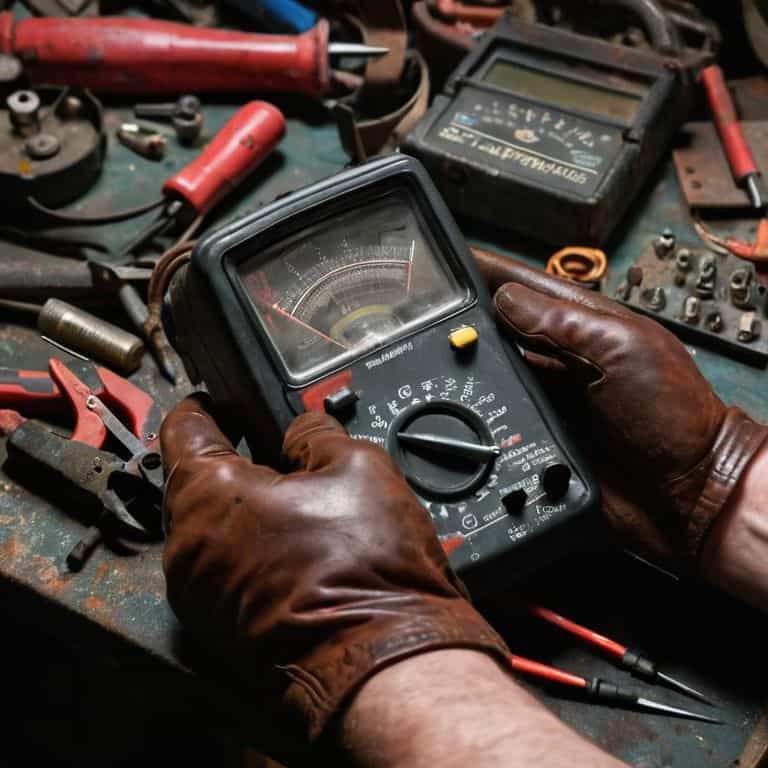
I still remember the day my grandfather, a seasoned mechanic, taught me how to diagnose car problems in our small Midwestern town’s garage. He’d say, “John, it’s not about following a generic manual, it’s about understanding the heartbeat of the machine.” This approach has stuck with me, and I’ve found that most car owners are misled into believing that diagnosing issues requires a Ph.D. in automotive engineering. The truth is, with the right mindset and a few essential tools, anyone can learn to identify and fix common problems.
In this article, I’ll share my practical, hands-on experience to help you become a garage guru. You’ll learn how to listen to your car’s warning signs, use the right tools to uncover issues, and make informed decisions about repairs. I’ll walk you through my favorite techniques for diagnosing car problems, from the basics of reading error codes to more advanced methods of troubleshooting. By the end of this guide, you’ll be equipped with the knowledge and confidence to tackle common car issues and keep your vehicle running smoothly.
Table of Contents
- Guide Overview: What You'll Need
- Step-by-Step Instructions
- How to Diagnose Car Problems
- Garage Wisdom: 5 Tips to Diagnose Car Problems Like a Pro
- Garage Wisdom: 3 Key Takeaways for Diagnosing Car Problems
- Diagnosing with Heart
- Bringing It All Together: Mastering Car Diagnostics
- Frequently Asked Questions
Guide Overview: What You'll Need
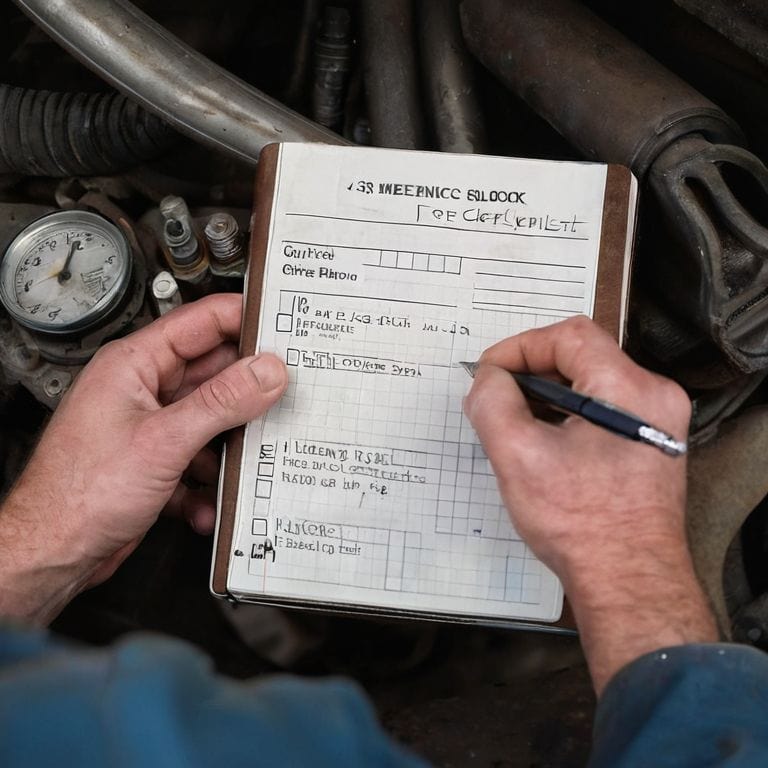
Total Time: 1 hour 30 minutes
Estimated Cost: $0 – $20
Difficulty Level: Intermediate
Tools Required
- Multimeter (for electrical system checks)
- Scan Tool (for onboard diagnostics)
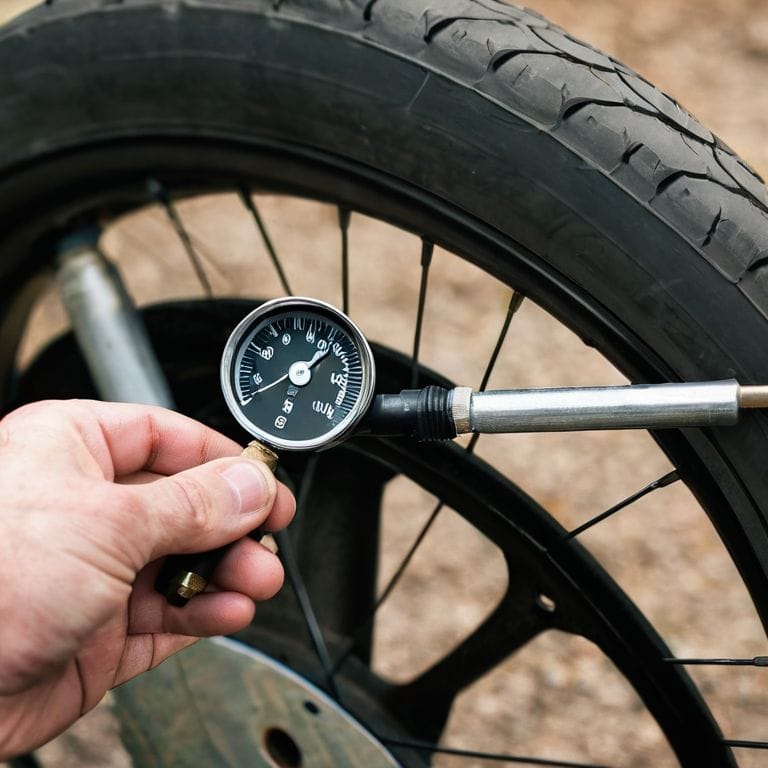
- Tire Pressure Gauge (for checking tire pressure)
- Socket Set (with various socket sizes)
- Pliers (for gripping small objects)
Supplies & Materials
- Work Light (for illuminating dark areas)
- Owner’s Manual (for specific car information)
- Pen and Paper (for taking notes)
Step-by-Step Instructions
- 1. First, let’s get our hands dirty and start with the basics: make sure you’re in a safe location, away from traffic, and engage the parking brake. Now, take a deep breath, and let’s dive into diagnosing that car problem. I always find that a clear mind and a clean workspace are essential for troubleshooting, just like my grandfather taught me when we worked on restoring vintage bicycles in our garage.
- 2. Next, gather your tools: you’ll need a few essentials like a multimeter, a wrench set, and some basic diagnostic equipment. Don’t worry if you don’t have everything; we’ll work through this step by step. I’ve named each of my tools, by the way – there’s “Sparky” the spark tester, “Mega” the multimeter, and “Torquey” the torque wrench. It’s a quirk, but it helps me keep track of everything in my garage.
- 3. Now, check the dashboard lights: are there any warning lights on? This can give us a clue about what’s going on. Take note of any lights that are illuminated, and we’ll come back to them later. I’ve found that these lights can be a great starting point for diagnosing issues, and they often lead to a trail of clues that help us figure out the problem.
- 4. Move on to listening to the engine: start the car and listen for any unusual sounds – clunking, grinding, or hissing. These sounds can indicate a variety of problems, from a loose belt to a more serious issue like a faulty piston. My old mentor used to say, “A good mechanic can diagnose a problem just by listening to the engine.” I’ve found that to be true, and it’s a skill that takes practice and patience to develop.
- 5. Next up, check the fluids: engine oil, transmission fluid, coolant, and brake fluid. Make sure they’re all at the recommended levels, and check for any signs of leakage. I like to use a fluid chart to keep track of everything, and I’ve even created my own chart with notes and reminders for each type of fluid.
- 6. Now it’s time to get a bit more hands-on: use your multimeter to check the battery voltage, and then move on to testing the starter motor and alternator. This will give us an idea if there’s an electrical issue at play. I’ve named my multimeter “Mega,” and it’s been a trusted companion in my garage for years, helping me diagnose all sorts of electrical problems.
- 7. Let’s not forget about the basics of combustion: check the air filter, fuel filter, and spark plugs. A clogged air filter or faulty spark plug can cause a range of problems, from decreased performance to a complete breakdown. I like to think of these components as the unsung heroes of the engine, and they’re often overlooked in the diagnostic process.
- 8. Finally, take a step back and review: look at all the data you’ve collected, from the dashboard lights to the fluid levels, and think about what it all means. Sometimes, taking a break and coming back to the problem with fresh eyes can help you spot the solution. That’s what I do when I’m working on a tricky project in my garage, and it’s a technique that’s served me well over the years.
How to Diagnose Car Problems
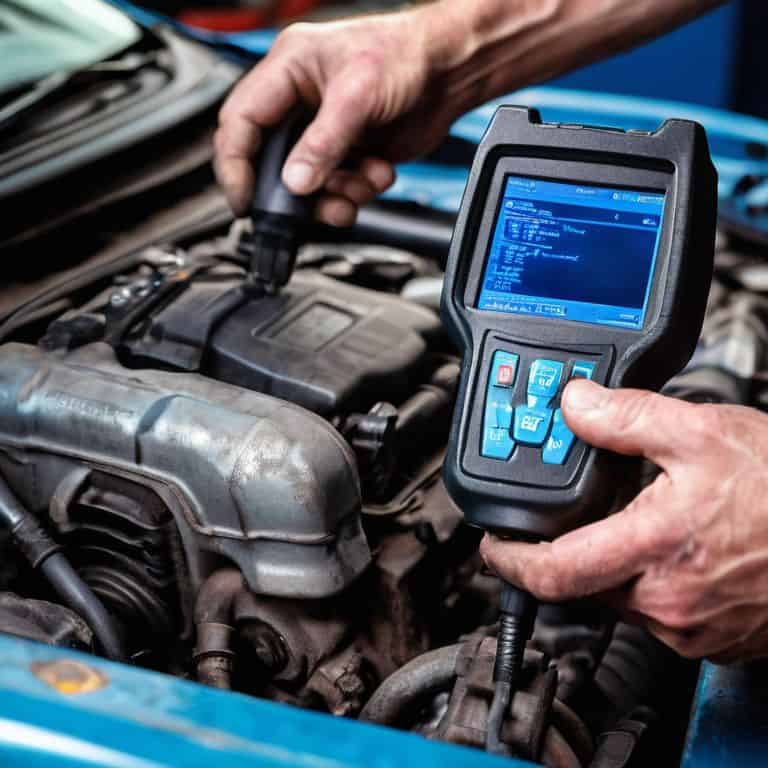
As I always say, diagnosing car issues is an art that requires patience, the right tools, and a bit of common sense. One of the most important tools in my arsenal is an OBD2 scanner, which helps me understand car error codes and pinpoint the problem. I’ve found that obd2 scanner troubleshooting tips can be a game-changer when it comes to diagnosing complex issues.
When it comes to diagnosing car issues, it’s not just about looking at the common car warning lights meanings. You also need to listen to your car – diagnosing car issues with sound can be just as important as looking at the dashboard lights. For example, a grinding noise can indicate a problem with the brakes, while a hissing sound can suggest a leak in the cooling system.
To take your diagnostic skills to the next level, it’s essential to stay on top of car maintenance schedules. Regular tune-ups and checks can help prevent issues from arising in the first place, and having the right basic car repair tools on hand can make all the difference when it comes to making repairs. By combining these strategies, you’ll be well on your way to becoming a garage guru and keeping your ride running smoothly.
Cracking Codes Common Car Warning Lights
Cracking Codes: Common Car Warning Lights
When that dashboard light flickers on, it’s like a puzzle waiting to be solved. My trusty sidekick, a well-worn code reader named “Bertha,” helps me decipher the secrets. I’ve found that the most common culprits are the check engine light, often related to faulty oxygen sensors or catalytic converters, and the battery light, which usually indicates a dying battery or alternator.
I recall a particularly tricky case where a customer’s car had a mysterious misfire. Bertha helped me uncover a faulty spark plug, and with a quick swap, the engine was purring like new. It’s moments like these that remind me why I love tinkering in the garage – the thrill of the fix, and the satisfaction of bringing a vehicle back to life.
Tuning in Diagnosing Issues With Sound and Obd2
Now that we’ve cracked the code on those warning lights, let’s tune in to the sounds of our ride. You know, my grandfather used to say that a car’s engine has its own unique voice, and if you listen closely, it’ll tell you what’s wrong. I’ve found that to be true time and time again. From the grind of a bad starter motor to the whine of a slipping belt, each sound gives us a clue about what’s going on under the hood. And with the help of an OBD2 scanner, we can get even more specific. I like to think of it as having a direct line to the car’s brain, giving us the lowdown on what’s really going on.
Garage Wisdom: 5 Tips to Diagnose Car Problems Like a Pro
- Listen to Your Ride: Pay attention to unusual noises, vibrations, or performance issues – my granddad used to say, ‘A car will tell you what’s wrong if you just listen’
- Check the Obvious: Ensure you’re not overlooking simple issues like low fluid levels, worn-out belts, or faulty fuses – I’ve named my trusty multimeter ‘Maggie’ and she always helps me track down electrical gremlins
- Decode the Dashboard: Familiarize yourself with common warning lights and what they mean – I’ve got a chart on my garage wall to help me decipher the codes, and I’ve named my OBD2 scanner ‘Bertha’
- Get Hands-On: Don’t be afraid to get a little dirty and inspect your car’s components up close – I’ve spent countless hours restoring vintage bicycles and it’s taught me the value of a thorough inspection
- Consult the Experts: If you’re stumped, don’t hesitate to consult your car’s manual or online forums – I’ve named my favorite socket set ‘The Toolbox Titans’ and they’ve helped me tackle even the toughest repairs
Garage Wisdom: 3 Key Takeaways for Diagnosing Car Problems
Never underestimate the power of a good ears-on approach: listening to unusual sounds and using an OBD2 scanner can reveal a wealth of information about what’s going on under the hood
Cracking the code on common car warning lights is easier than you think – take the time to learn what each light means and you’ll be well on your way to becoming a DIY diagnostic master
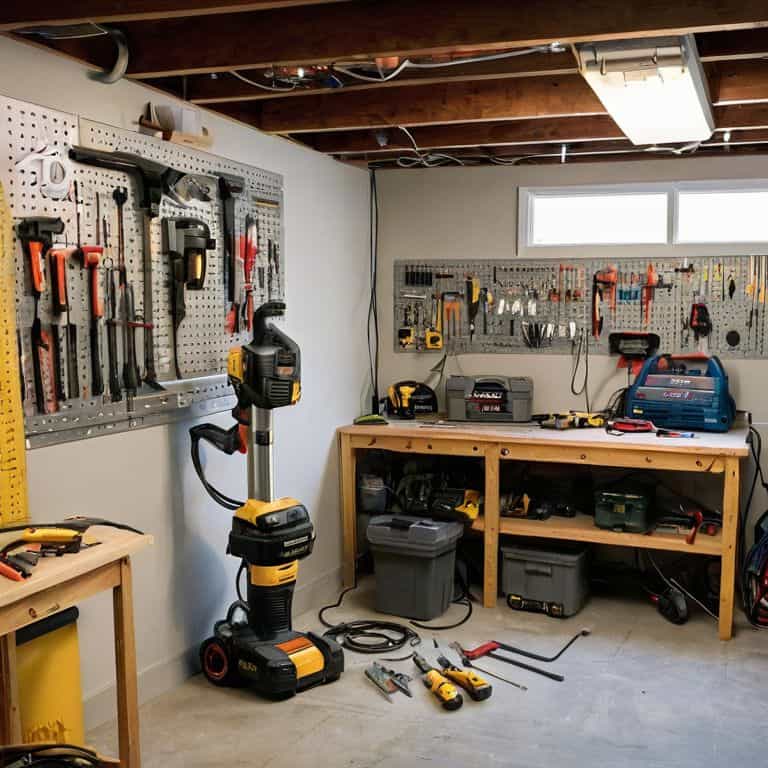
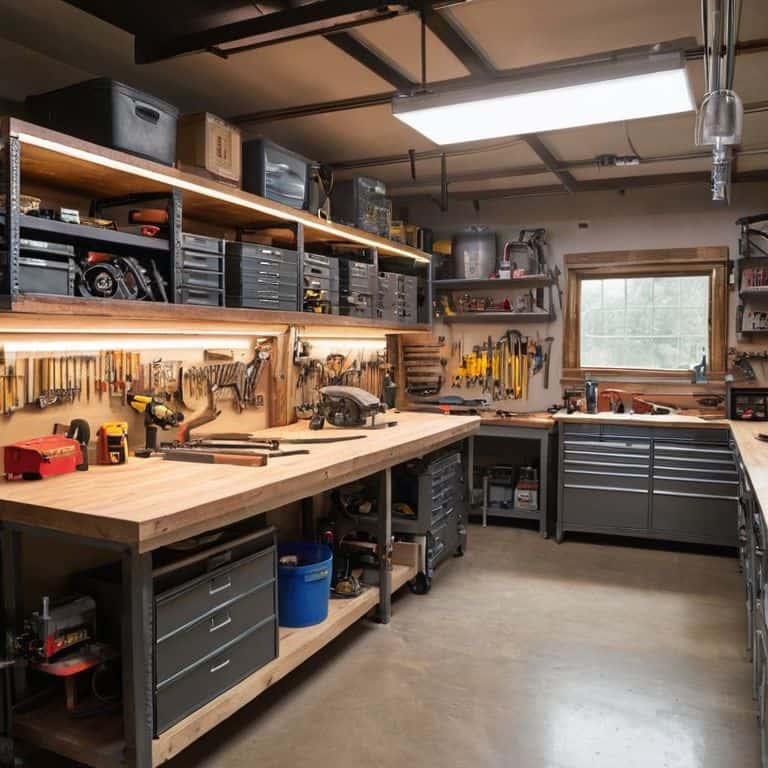
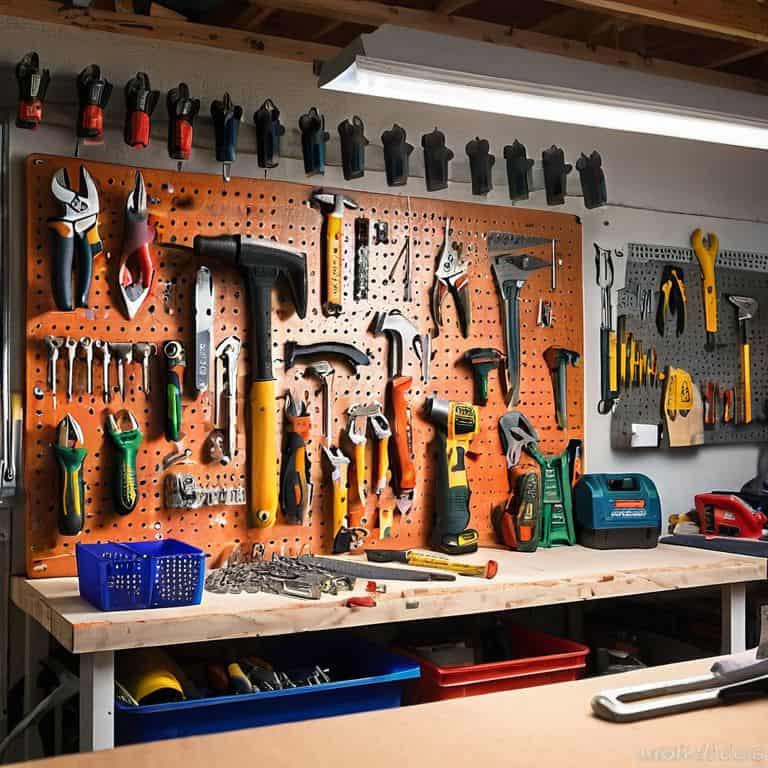
A clean and organized garage is not just a pretty space, it’s also a functional one: keep your tools named and within reach, and you’ll be amazed at how much more efficiently you can troubleshoot and repair your ride
Diagnosing with Heart
The art of diagnosing car problems isn’t just about following a checklist, it’s about listening to the rhythm of the engine, feeling the vibrations of the wheels, and trusting your instincts – just like a musician tuning his instrument, you’ve got to be in harmony with your ride to find the problem and fix it.
John Beeler
Bringing It All Together: Mastering Car Diagnostics
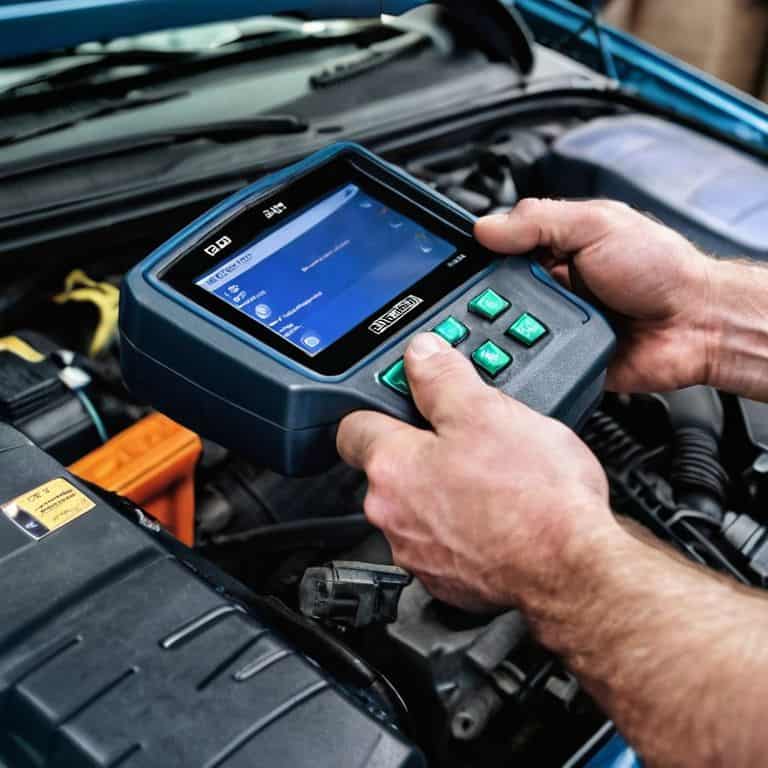
As we wrap up our journey into the world of car diagnostics, it’s essential to remember that diagnosing car problems is not just about following a checklist, but about understanding the intricacies of your vehicle. We’ve covered the basics of diagnostic procedures, from cracking codes related to common car warning lights to tuning in with the help of sound and OBD2 tools. Each step, each tool, and each technique is a piece of a larger puzzle that, when solved, gives you the power to keep your car running smoothly and efficiently.
So, the next time your car starts acting up, don’t let frustration get the best of you. Instead, see it as an opportunity to get your hands dirty and connect with your vehicle on a deeper level. Remember, diagnosing car problems is a skill that can be learned and mastered with practice, patience, and the right mindset. As you continue on your path to becoming a garage guru, always keep in mind that the true joy lies not just in the destination, but in the journey itself – the process of discovery, the thrill of the fix, and the satisfaction of a job well done.
Frequently Asked Questions
What are some common mistakes to avoid when trying to diagnose car problems on my own?
Don’t be afraid to get a little dirty, but avoid guessing games – make sure you’re checking the right systems. Overlooking the basics, like loose connections or low fluids, can lead to unnecessary headaches. And trust me, I’ve been there – my granddad always said, “A clean garage is a happy garage,” but I say, “A methodical approach is a car-saver!
How can I use my car's onboard diagnostics to get more information about the problem I'm experiencing?
Ah, now we’re talkin’! Your car’s onboard diagnostics are like having a built-in detective. Plug in an OBD2 scanner, and it’ll spit out trouble codes that’ll give you a clue about what’s goin’ on. I like to think of it as ‘Betsy’ – my trusty OBD2 scanner – she’s helped me solve many a mystery under the hood!
Are there any specific tools or equipment that I'll need to diagnose and fix common car issues?
Ah, great question! For diagnosing common car issues, I always reach for my trusty sidekicks: Bertha the multimeter, Sammy the scan tool, and Ol’ Reliable, my compression tester. These tools, along with a good OBD2 code reader, will help you get to the root of the problem in no time.