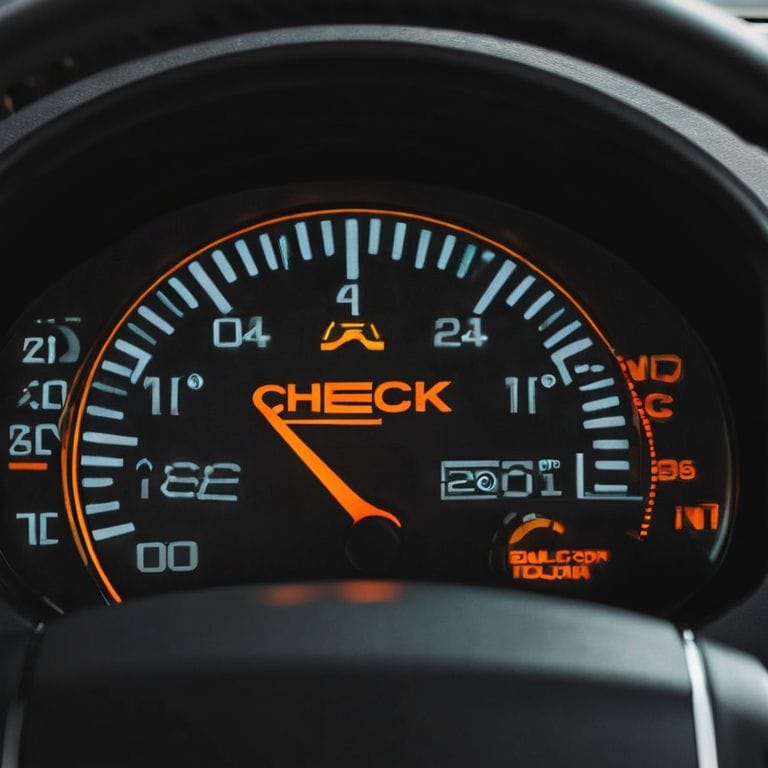
I still remember the first time I saw a check engine light illuminate in my trusty old bike-turned-project-car. I was a teenager, and my grandfather, a seasoned mechanic, was teaching me the ropes in our small Midwestern town’s garage. He’d say, “_what does a check engine light mean_?” and then proceed to explain it in a way that made sense – no jargon, no nonsense. That’s exactly what frustrates me about most explanations online: they’re either too technical or too vague. As someone who’s spent years restoring vintage bicycles and tinkering with engines, I believe it’s time to cut through the hype and give you a straight answer.
In this article, I promise to provide you with honest, experience-based advice on _what does a check engine light mean_. I’ll draw from my own experiences as an automotive technician and share practical insights that will help you understand the basics of your car’s engine and emissions system. My goal is to empower you with knowledge, not to confuse you with complicated terminology. By the end of this read, you’ll have a clear understanding of what that pesky light is trying to tell you, and what you can do about it. So, let’s get started and explore the world of check engine lights together, one wrench at a time.
Table of Contents
- Decoding Check Engine Light
- What Does a Check Engine Light Mean
- Unmasking the Check Engine Light: 5 Tips to Get You Back on the Road
- Key Takeaways: Unraveling the Check Engine Light Mystery
- The Check Engine Light: A Call to Action
- Conclusion: Uncovering the Secrets of Your Check Engine Light
- Frequently Asked Questions
Decoding Check Engine Light

When the check engine light illuminates, it’s often a mystery to most of us. But, decoding the reasons behind this glow can be a fascinating process. I recall a project where I had to diagnose a stubborn issue with my vintage bicycle’s engine, and it reminded me of the common obd2 trouble codes that car owners face. By understanding these codes, we can uncover the secrets behind the check engine light and take the first step towards fixing the problem.
As I tinker in my garage, I’ve found that diy car troubleshooting steps can be incredibly empowering. With the right tools and a bit of patience, we can identify the root cause of the issue and take corrective action. For instance, a faulty oxygen sensor or a loose gas cap can trigger the check engine light, and check engine light reset procedures can be a straightforward solution. It’s essential to approach these issues with a logical and methodical mindset, just like my grandfather taught me when restoring old machines.
In my experience, a good car diagnostic tool can be a valuable ally in deciphering the check engine light’s warning signs. By analyzing the data and engine light warning signs, we can pinpoint the problem and develop an effective plan to address it. Whether it’s a simple fix or a more complex issue, the key is to stay curious and keep exploring – just like I do when restoring my vintage bicycles.
Diy Troubleshooting Steps to Diagnostic
To get started with DIY troubleshooting, I always say begin with the basics. Check your owner’s manual for any specific guidance on troubleshooting the check engine light for your particular vehicle. This can save you a lot of time and frustration in the long run.
Next, use a code reader to retrieve any diagnostic trouble codes stored in your vehicle’s onboard computer. This will give you a much better idea of what’s going on under the hood and help you narrow down the possible causes of the check engine light.
Reasons for the Glow Common Causes
When that check engine light starts glowing, it’s natural to wonder what’s going on under the hood. Loose connections can be a common culprit, causing the light to flicker on and off like a mischievous blinker.
A faulty oxygen sensor is another reason for the glow, and it’s often related to poor engine performance, which can leave you feeling frustrated and unsure of what to do next.
What Does a Check Engine Light Mean
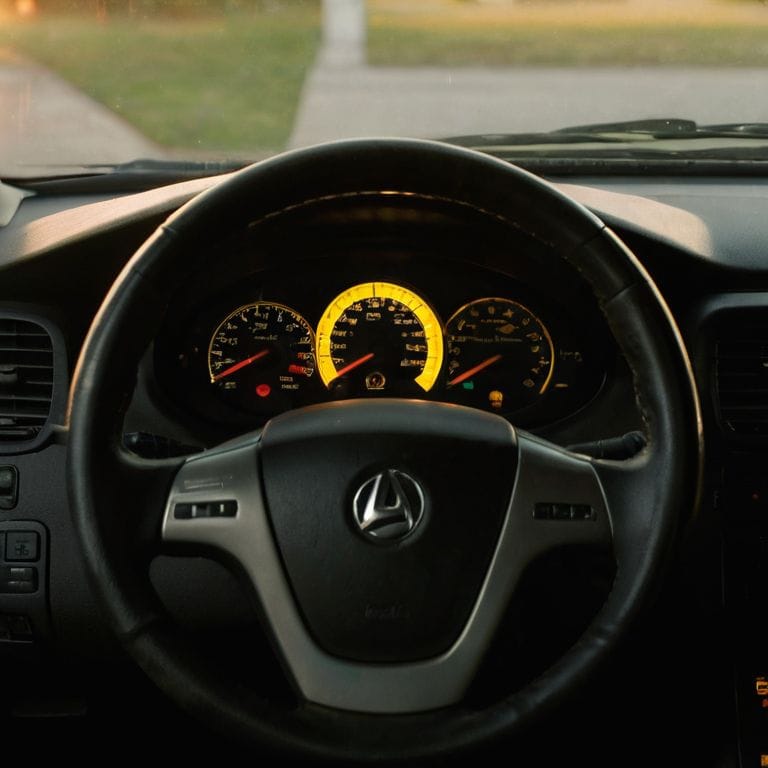
When that check engine light comes on, it’s natural to feel a bit anxious. What’s going on under the hood, anyway? Is it something serious, or just a minor issue? The truth is, there are many reasons for check engine light illumination, and it’s not always easy to diagnose the problem without some expertise. As someone who’s spent years tinkering with cars, I can tell you that it’s often a process of elimination.
As I delve into the world of DIY car troubleshooting steps, I’ve found that having the right tools can make all the difference. A good car diagnostic tool can help you identify the issue quickly and efficiently. Of course, it’s not just about having the right tools – it’s also about knowing how to use them. That’s why I always recommend taking a closer look at common OBD2 trouble codes to get a better understanding of what’s going on.
By taking a proactive approach to car maintenance, you can often avoid those dreaded engine light warning signs. And if you do happen to encounter a problem, don’t worry – there are usually check engine light reset procedures that can get you back on the road in no time. With a little patience and practice, you’ll be well on your way to becoming a DIY car troubleshooting expert.
Cracking the Code Obd2 Trouble Signs
When it comes to deciphering the check engine light, OBD2 codes are the key to unlocking the mystery. These codes provide a wealth of information about what’s going on under the hood, from faulty sensors to malfunctioning catalytic converters. By reading the codes, you can get a better understanding of the issue and take the first steps towards fixing it.
As you delve into the world of OBD2 trouble signs, you’ll start to notice patterns and trends that can help you narrow down the problem. For instance, a code related to the engine’s air-fuel mixture might indicate a problem with the oxygen sensor or the mass airflow sensor. By analyzing the data, you can make informed decisions about which repairs to prioritize and how to tackle the issue head-on.
Reset and Review Procedures and Tools
When it comes to dealing with a check engine light, sometimes the solution is simpler than you think. After diagnosing the issue, you might need to reset the system to get your car running smoothly again. This can usually be done with a code reader or scanner, which can be purchased at most auto parts stores or online.
To ensure the problem doesn’t come back, it’s essential to review your findings and make any necessary adjustments. This might involve tightening loose connections, replacing faulty sensors, or updating your car’s software. By taking the time to carefully review your work, you can help prevent future issues and keep your car in top condition.
Unmasking the Check Engine Light: 5 Tips to Get You Back on the Road
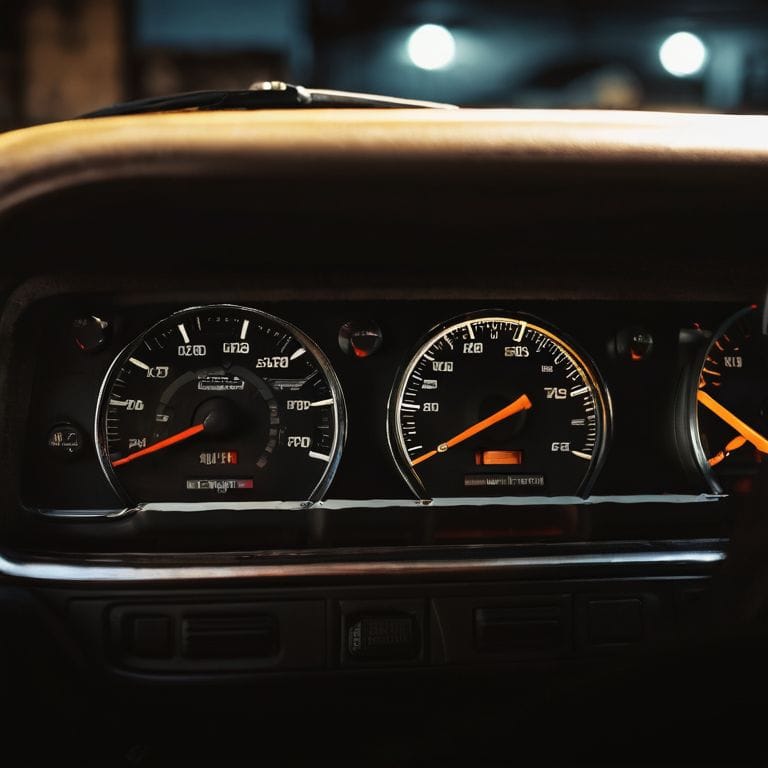
- Check your dashboard for other warning lights to determine if the issue is related to a specific system, such as the oil or temperature gauge
- Use a code reader or scan tool to retrieve the trouble code and narrow down the possible causes of the check engine light
- Inspect your vehicle’s basics, including the gas cap, air filter, and oil level, to rule out simple problems that can trigger the light
- Look for patterns in when the light appears, such as during acceleration or when the engine is cold, to help diagnose the issue
- Consult your owner’s manual or a repair manual specific to your vehicle’s make and model to understand the unique characteristics of your engine and potential trouble spots
Key Takeaways: Unraveling the Check Engine Light Mystery
Your car’s check engine light can be triggered by a variety of issues, from loose gas caps to more serious problems like faulty oxygen sensors or catalytic converter failures, so it’s essential to diagnose the cause
By using an OBD2 scanner and following a systematic troubleshooting process, you can often identify and even fix the problem yourself, saving time and money on mechanic visits
Whether you’re a seasoned DIY enthusiast or just starting to explore the world of automotive repair, understanding the check engine light and its implications can empower you to take better care of your vehicle and ensure it runs smoothly and efficiently for years to come
The Check Engine Light: A Call to Action
The check engine light is like a whisper from your car’s soul – it’s a signal that something’s amiss, and it’s up to you to listen, learn, and get your hands dirty to fix it.
John Beeler
Conclusion: Uncovering the Secrets of Your Check Engine Light
As we’ve explored the mysteries of the check engine light, it’s clear that understanding the basics is key to diagnosing and fixing issues with your vehicle. From decoding common causes to DIY troubleshooting and cracking the code of OBD2 trouble signs, we’ve covered the essential steps to take control of your car’s health. By following these guidelines and using the right procedures and tools, you’ll be well on your way to becoming a check engine light whisperer, able to tackle even the most daunting diagnostic challenges with confidence.
So, the next time your trusty ride starts flashing that annoying glow, remember that it’s not just a warning sign – it’s an opportunity to get hands-on and take your DIY skills to the next level. Whether you’re a seasoned mechanic or a curious beginner, the world of automotive repair is full of surprises and rewards, and with the right mindset and tools, you can unlock a whole new level of automotive adventure and keep your vehicle running smoothly for years to come.
Frequently Asked Questions
What are the most common reasons for a check engine light to come on in my car?
Ah, the million-dollar question! Usually, it’s something simple like a loose gas cap, faulty oxygen sensor, or worn-out spark plugs. Sometimes, it can be a bit more serious like a malfunctioning catalytic converter or mass airflow sensor. Don’t worry, I’ve seen my fair share of check engine lights – let’s take a closer look under the hood together!
Can I fix the issue causing the check engine light by myself or do I need to take it to a mechanic?
Don’t worry, you can definitely DIY some troubleshooting! If it’s a simple issue like a loose gas cap or faulty sensor, you might be able to fix it yourself with some basic tools. But if it’s something more complex, it’s best to consult a pro to avoid causing more damage.
Will ignoring a check engine light lead to more serious problems or damage to my vehicle's engine or other components?
Ignoring that glow can lead to bigger troubles down the road – think decreased fuel efficiency, performance issues, or even catastrophic engine failure. It’s like neglecting a creaky bike chain on my vintage roadster, it’ll only get worse if you don’t give it some love.