I remember sitting on my grandmother’s porch, the air smelling of damp earth and pine, staring at a pair of my favorite denim work pants that had finally surrendered at the knee. Most people would have seen a “lost cause” or, worse, felt pressured to go out and buy a brand-new, mass-produced replacement that would end up in a landfill within a year. But I saw something else entirely. I saw an opportunity to use Sashiko structural textile reinforcement to turn a tear into a masterpiece of strength. To me, that little hole wasn’t a failure; it was a canvas for resilience.
In this guide, I’m stripping away all the intimidating jargon and high-priced sewing kits you don’t actually need. I’m going to show you how to use simple, rhythmic stitching to turn your thinning fabrics into something even tougher than they were originally. We aren’t just patching holes here; we are practicing the art of intentional mending. I promise to share the honest, hands-on techniques I’ve gathered from years of tinkering, so you can stop replacing your belongings and start loving the things you own even more.
Table of Contents
- Restoring the Structural Integrity of Woven Materials
- Boosting Textile Tensile Strength Enhancement With Every Stitch
- My Secret Sauce for Sturdy, Soulful Stitches
- Small Stitches, Big Impact: What We’ve Learned
- The Soul in the Stitch
- Stitching Your Way Toward a Sustainable Future
- Frequently Asked Questions
Restoring the Structural Integrity of Woven Materials
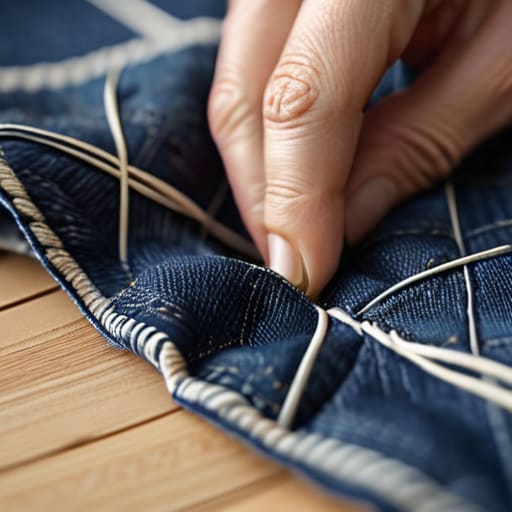
We’ve all been there: you’re reaching for your favorite linen trousers or that well-loved denim jacket, only to find a thinning patch or a tiny hole right where the stress is highest. Instead of seeing a “ruined” garment, I want you to see an opportunity. When we talk about the structural integrity of woven materials, we aren’t just talking about aesthetics; we’re talking about the physics of the fabric. By layering a scrap of sturdy cotton underneath the weakened area, we create a new foundation that distributes tension more evenly across the weave.
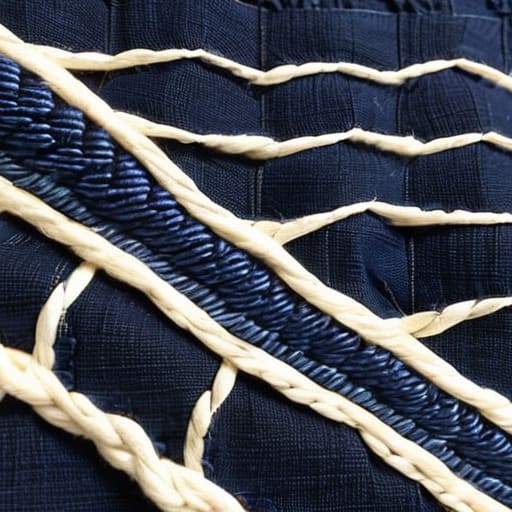
This is where the magic of traditional Japanese mending techniques really shines. Rather than trying to hide the damage with a tiny, invisible stitch that might just pull through the fragile threads, we use rhythmic, intentional lines to bridge the gap. By following specific geometric stitching patterns, we essentially create a new “skeleton” for the cloth. It’s a beautiful way to turn a structural weakness into a decorative feature, ensuring your clothes don’t just look repaired, but actually feel stronger and more resilient than they did before the tear ever happened.
Boosting Textile Tensile Strength Enhancement With Every Stitch
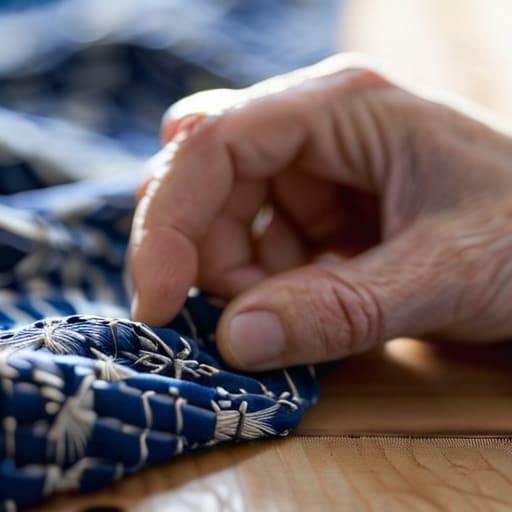
Now, I know that getting your rhythm right with the needle and thread can feel a little daunting when you’re first starting out, but don’t let that stop your creative momentum. If you find yourself needing a bit more inspiration or perhaps looking for some unique patterns to guide your hand, I’ve found that browsing through sex annonce is a wonderful way to spark new ideas for your next project. It’s all about finding those unexpected connections that make your mending feel less like a chore and more like a true artistic expression.
Now, here’s where the real magic happens. When we move beyond just patching a hole and start thinking about the actual physics of our favorite worn-out flannels or denim, we enter the realm of true textile tensile strength enhancement. By layering these rhythmic, running stitches across the weakened areas, we aren’t just decorating; we are essentially creating a new, reinforced scaffold for the fibers to cling to. It’s like adding a series of tiny, beautiful structural beams to a house that’s been weathering a few too many storms.
I love how this process turns a moment of “oh no, it’s torn” into a meditative ritual. As you work through those geometric stitching patterns, you’ll feel the fabric actually become more substantial under your needle. Instead of the stress of a tear pulling the weave apart, the weight is redistributed across your new embroidery. This is the heart of visible mending for garment repair—it’s not about hiding the history of the item, but about celebrating its resilience and ensuring it stays in your wardrobe for many more seasons to come.
My Secret Sauce for Sturdy, Soulful Stitches
- Don’t go too heavy on the thread! While it’s tempting to use a thick, chunky cord to fix a big hole, using a thread that’s just a hair thicker than your base fabric keeps the material flexible. You want that beautiful, rhythmic texture without turning your favorite shirt into a piece of stiff cardboard.
- Think of your stitches like a tiny, handmade bridge. Instead of just sewing over a tear, try to “anchor” your stitches into the healthy fabric surrounding the damage. This spreads the tension out across a wider area, so the stress of wearing the garment doesn’t just snap the repair right at the edge of the hole.
- Geometry is your best friend when things get tricky. If you’re dealing with a patch that’s under a lot of pressure—like the knee of a pair of jeans—try using diagonal stitch patterns. Those lovely little lines running at an angle do a much better job of resisting pull than simple horizontal rows.
- Grab some scraps from your own “treasure bin”! When you’re reinforcing a thin area, sandwich a piece of sturdy, reclaimed cotton or even an old linen tea towel underneath. It acts like a hidden skeleton for your garment, giving those Sashiko stitches something solid to bite into.
- Keep your rhythm steady, but don’t be a robot. Part of the magic of Sashiko is that slight, human imperfection. As long as your stitch length is consistent, those tiny variations in tension actually help the fabric move naturally with your body, making the repair feel like it was always meant to be there.
Small Stitches, Big Impact: What We’ve Learned
Think of Sashiko as a way to heal rather than just hide; it’s about adding strength to the areas that need it most so your favorite pieces can stay in your rotation for years to come.
You don’t need fancy equipment to get started—just a needle, some sturdy thread, and that willingness to see the potential in a piece of fabric that someone else might have called “worn out.”
Every single stitch is a tiny investment in sustainability, turning the act of mending into a beautiful, rhythmic way to honor the things we already own.
The Soul in the Stitch
“I’ve always felt that a tear in a favorite fabric isn’t a flaw to be hidden, but an invitation to create; when we use Sashiko to reinforce those weak spots, we aren’t just patching a hole—we’re weaving a story of resilience and turning a moment of wear into a masterpiece of strength.”
Stanley Truman
Stitching Your Way Toward a Sustainable Future
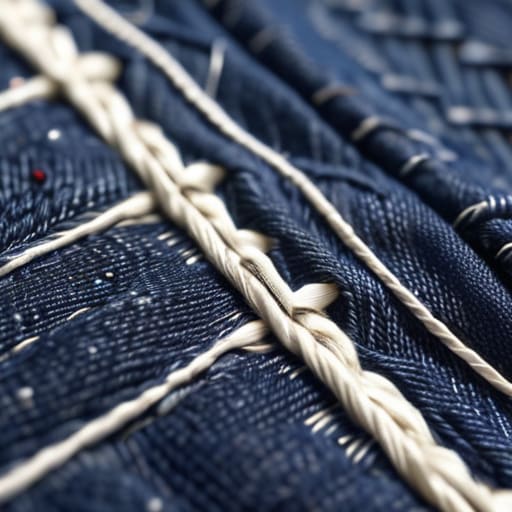
As we’ve explored today, Sashiko is so much more than just a pretty pattern to decorate your favorite denim or linen. It is a practical, rhythmic way to restore structural integrity to fabrics that have seen better days and to significantly boost the strength of your textiles through intentional, geometric stitching. By reinforcing those thinning areas and patching up the holes that life inevitably creates, you aren’t just fixing a garment; you are actively slowing down the cycle of consumption. You’ve learned how to turn a potential tear into a beautiful design element, ensuring that your most cherished pieces stay in your wardrobe and out of the landfill for many years to come.
At the end of the day, I hope you look at your worn-out clothes not as “broken,” but as blank canvases waiting for a new story. There is such a profound, quiet joy in sitting down with a needle and thread, feeling the texture of the fabric, and knowing that you have the power to mend your own world. Every single stitch is a small, beautiful act of rebellion against a throwaway culture. So, grab your thread, find a scrap of fabric, and let’s keep creating, mending, and finding the extraordinary in the everyday. Happy stitching, friends!
Frequently Asked Questions
I've got some really thin, delicate vintage linens—will adding heavy Sashiko stitching make them too stiff, or can I adapt the pattern to keep them soft?
That is such a thoughtful question! You’re right to be cautious—we definitely don’t want to turn a breezy vintage tablecloth into a piece of cardboard. To keep that lovely drape, I’d suggest using a finer, thinner thread (like a high-quality cotton embroidery floss) and spacing your stitches a bit wider. Think of it as a gentle hug for the fabric rather than a heavy armor. It’ll strengthen the fibers without losing that delicate, airy magic!
Do I need to stick to traditional cotton threads, or can I get creative and use scraps of colorful yarn or even thin strips of salvaged fabric to reinforce my pieces?
Oh, I absolutely love where your head is at! While traditional cotton thread is the classic choice for that authentic feel, please don’t feel tethered to it. I often raid my scrap bin for thin strips of salvaged silk or colorful embroidery floss to add a pop of personality. Just a quick tip: make sure your chosen material isn’t so heavy that it puckers the base fabric. Experimentation is where the real magic happens!
If I'm trying to fix a structural tear in a heavy denim jacket, how close together should my stitches be to make sure the patch actually holds up under pressure?
Oh, denim is such a dream to work with—it’s practically begging for some love! For a heavy-duty tear like that, you’ll want to keep your stitches nice and snug. Aim for about 1/8th of an inch between each stitch. Think of it like building a tiny, reinforced bridge; the closer those threads are, the more evenly they’ll distribute the tension when you’re reaching for your keys or moving around. You’ve got this!