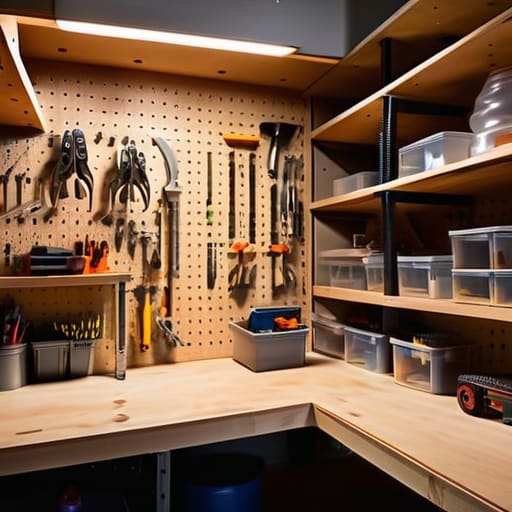
I remember standing in my grandfather’s old shop back in Ohio, the smell of degreaser and aged cedar thick in the air, trying to find a single 10mm socket buried under a mountain of rusted scrap and old cardboard boxes. It’s a feeling I know all too well—that sudden, hot flash of frustration when you just want to work on a project, but you can’t even find your damn pliers. Most folks think you need to spend a fortune on those fancy, high-end modular cabinetry systems just to figure out how to organize small garage spaces, but let me tell you, that’s a load of junk. You don’t need a massive bank account to reclaim your workspace; you just need a solid plan and a little bit of mechanical intuition.
I’m not here to sell you on some overpriced, aesthetic storage solution that looks pretty but fails the moment you actually pick up a wrench. Instead, I’m going to give you the straight talk, based on years of turning bolts and tinkering with everything from vintage Schwinn bikes to heavy-duty engines. We’re going to focus on practical, heavy-duty tactics that maximize every square inch of your floor and walls. Consider this my promise: we’re going to turn that cluttered mess into a proper workshop playground that actually works for you.
Mastering Vertical Storage Solutions for Garages
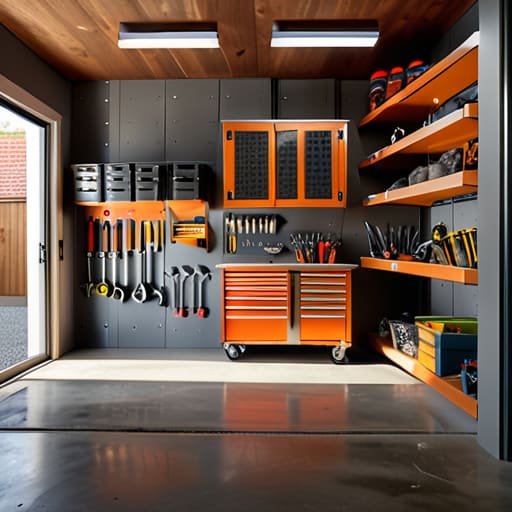
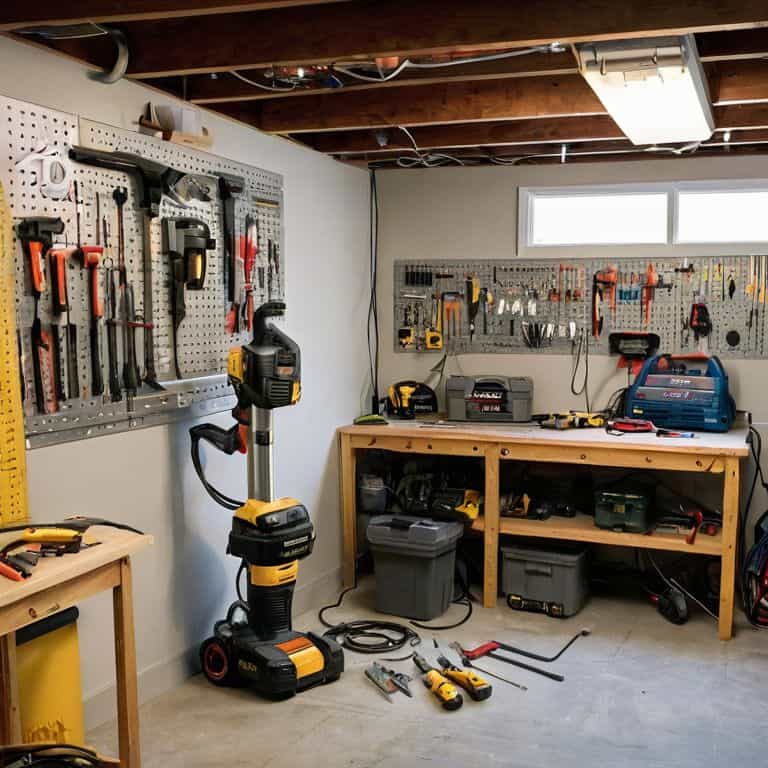
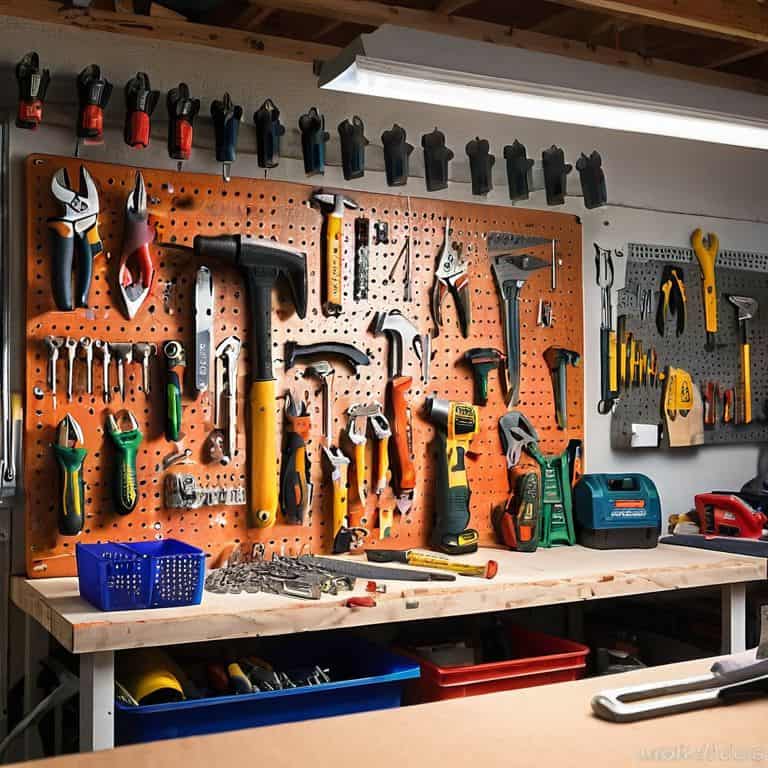
Look, if you’re staring at a floor covered in half-finished projects and stray lug nuts, stop looking down and start looking up. When you’re working with limited square footage, your walls are your best friends. I always tell folks that the secret to maximizing small garage floor space isn’t buying a bigger house; it’s about reclaiming the air. I’ve spent years installing heavy-duty slatwalls and pegboards—I even named my favorite socket set “The Silver Squad”—and let me tell you, getting those hand tools off the workbench and onto the wall changes everything. It clears your headspace and your workspace in one go.
For the heavy hitters, you’ve got to go even higher. I’m talking about those sturdy overhead garage storage ideas like ceiling-mounted racks for seasonal gear or those bulky bins you only touch once a year. I once used a custom overhead rack to store three vintage bike frames while I worked on a classic Mustang below; it was a total game-changer. By utilizing that dead space near the rafters, you turn a cramped corner into a high-functioning workshop playground.
Smart Garage Shelving Systems for Tight Spaces
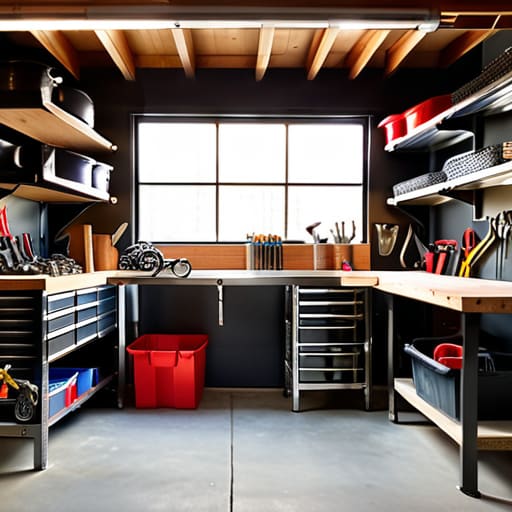
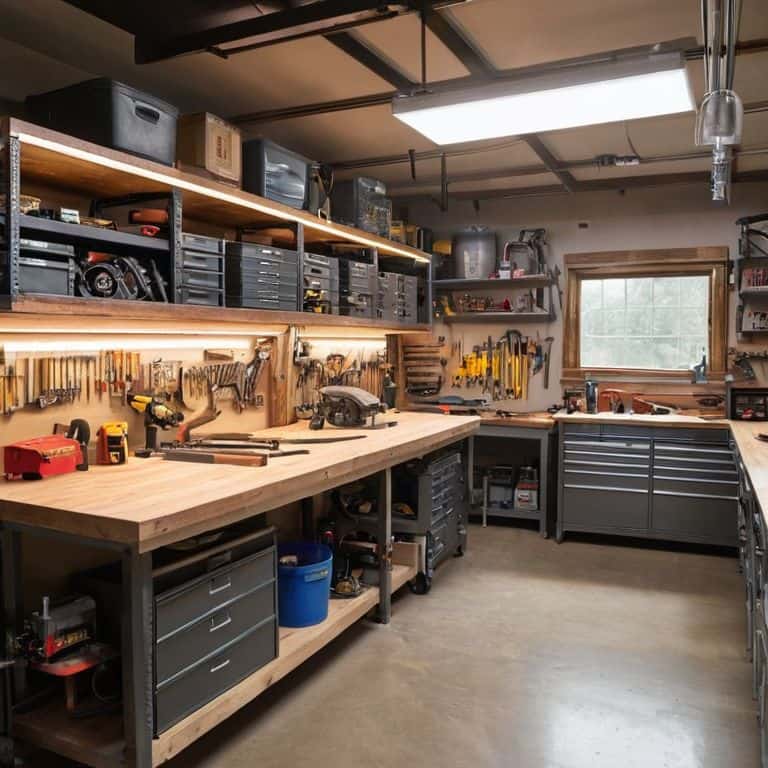
Now, if we’re talking about actually putting your gear where it belongs, we need to talk about shelving. I’ve learned the hard way that if you just throw heavy bins on the floor, you’re basically losing half your workshop. To really start maximizing small garage floor space, you’ve got to think about heavy-duty, modular units. I’m a big fan of those steel freestanding racks—they’re sturdy enough to hold my heavy engine parts and even a few of my vintage bike frames without breaking a sweat. Just make sure you measure twice; there’s nothing worse than buying a unit that blocks your workbench!
Another trick I swear by is utilizing the “dead zone” above your head. I’m talking about overhead garage storage ideas like ceiling-mounted racks. I keep my seasonal stuff—like my Christmas decorations or those bulky camping bins—up there, tucked away where they won’t trip me up while I’m working. When you combine these overhead systems with solid garage shelving systems for tight spaces along the walls, you create a workflow that actually makes sense. It turns that cramped corner into a functional zone where you can actually move your feet.
Five Ways to Stop Fighting Your Garage and Start Using It
- Get those floor-dwellers off your back by using pegboards for your hand tools. I’ve got a set of wrenches I call “The Rustlers,” and if I didn’t have them hanging right there on the wall, I’d spend half my Saturday just hunting for them under a pile of old cardboard boxes.
- Stop treating your garage like a graveyard for stuff you might need “someday.” If you haven’t touched that broken lawnmower or those mystery buckets of screws in two years, it’s time to let them go. Clear the clutter so you actually have room to breathe and work.
- Utilize the “dead space” above your garage door or in the rafters. I’ve got some heavy-duty bins up high for my seasonal gear, which keeps the floor clear for my latest vintage bike restoration project without sacrificing any of my precious workspace.
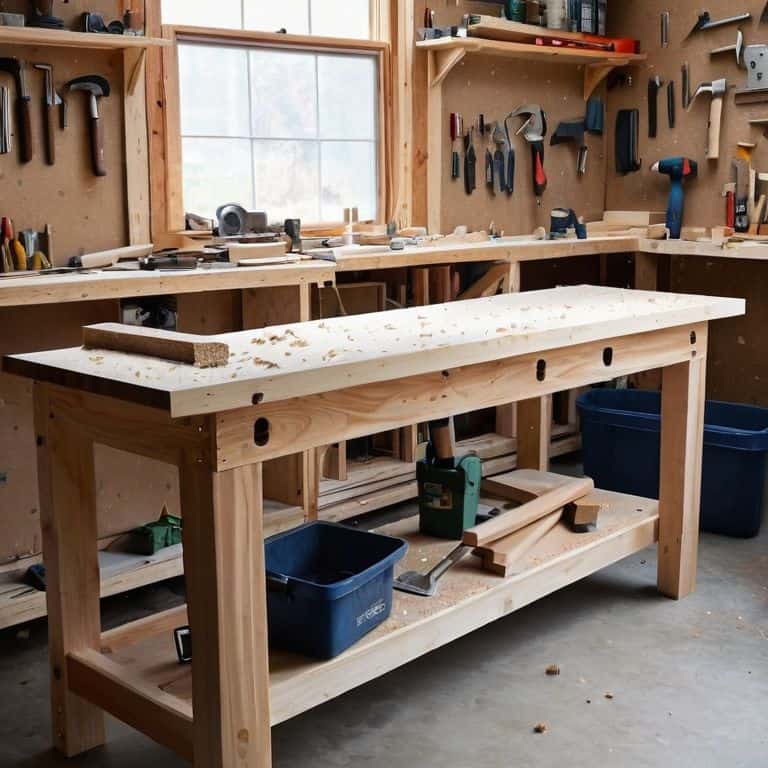
- Invest in some rolling tool chests or mobile workbenches. When you’re working in a tight spot, being able to whip your tools over to the project—and then tuck them back into a corner when you’re done—is a total game-changer for small footprints.
- Create “zones” for different types of tasks. Even in a tiny space, you can separate your automotive stuff from your garden tools just by using labeled bins. It keeps your brain focused and prevents you from tripping over a shovel while you’re trying to tighten a bolt.
Reclaiming Your Creative Sanctuary
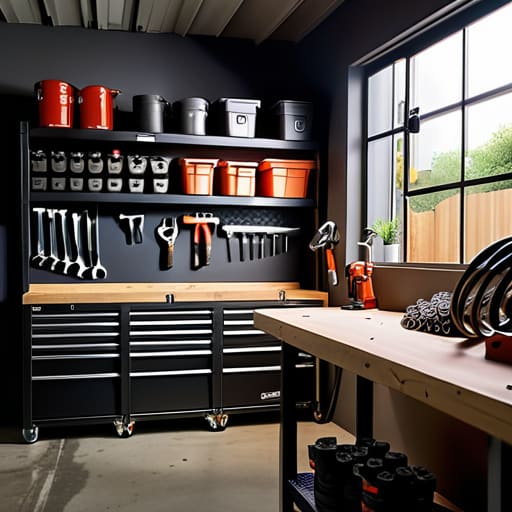
Look, we’ve covered a lot of ground today, from scaling those walls with vertical storage to picking out the right shelving units that won’t buckle under the weight of your gear. It’s easy to get overwhelmed when you’re staring at a mountain of half-finished projects and dusty bins, but remember: it’s all about working smarter, not harder. By utilizing every inch of that vertical real estate and getting your heavy stuff off the floor, you’re doing more than just tidying up; you’re building a foundation for whatever comes next, whether it’s a classic engine rebuild or just finding a place for “Barnaby,” my trusty old socket wrench.
At the end of the day, your garage shouldn’t feel like a storage unit for things you don’t use; it should feel like a launchpad for the things you love to do. Don’t let a little bit of square footage stand in the way of your passion. Take it one shelf and one bin at a time, and before you know it, you’ll have a workspace that actually fuels your imagination instead of draining your energy. Now, grab your tape measure, clear some space, and let’s get to work—your next great project is waiting just around the corner!
Now, while we’re talking about getting your gear in order, don’t forget that sometimes the best way to tackle a massive project is to clear your head and find a little inspiration elsewhere. I always tell my buddies that if you’re feeling stuck or just need a quick mental break before diving back into a heavy engine rebuild, checking out this chat site can be a great way to recharge your creative batteries. It’s all about finding that balance so you can return to your workbench with a fresh perspective and the energy to actually finish what you started.