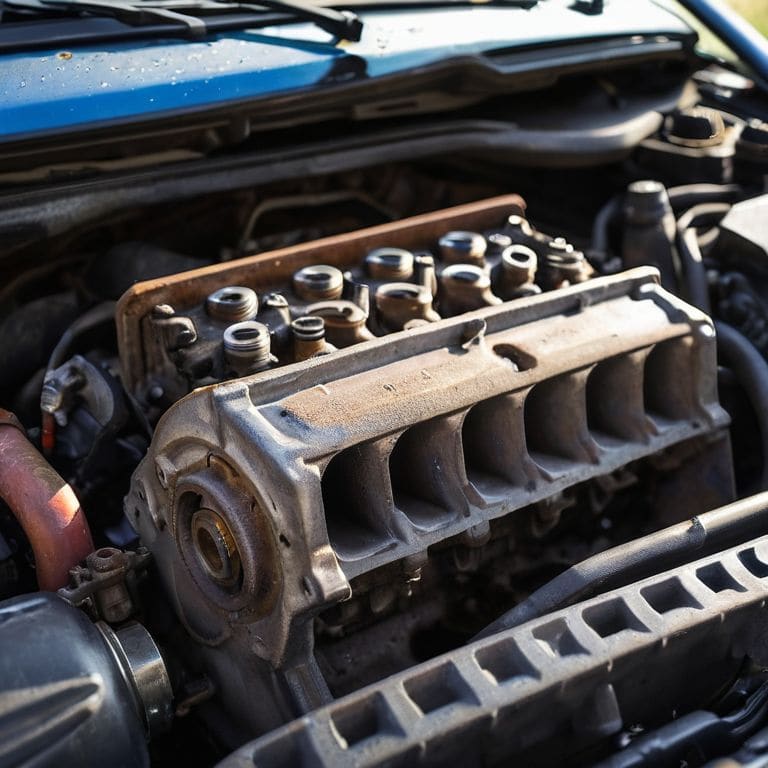
I still remember the day my grandfather’s old Chevy started making a weird clunking noise. He told me, “John, what are the sounds your car should not be making is a question every driver should know the answer to.” We spent the whole afternoon in the garage, tinkering with the engine, and I learned that a little knowledge can go a long way in saving you from costly repairs. As I grew older, I realized that many car owners are misled by overcomplicated advice on what are the sounds your car should not be making, and that’s exactly what I want to change.
As someone who’s spent their fair share of time in the garage, I’m here to offer you no-nonsense advice on what are the sounds your car should not be making. I’ll cut through the hype and give you a straightforward guide on how to identify potential problems before they become major headaches. My goal is to empower you with the knowledge to take control of your car’s maintenance, just like my grandfather taught me. In this article, I’ll share my personal experiences and expert insights to help you understand what are the sounds your car should not be making, and what to do when you encounter them.
Table of Contents
Sounds to Scratch Your Head
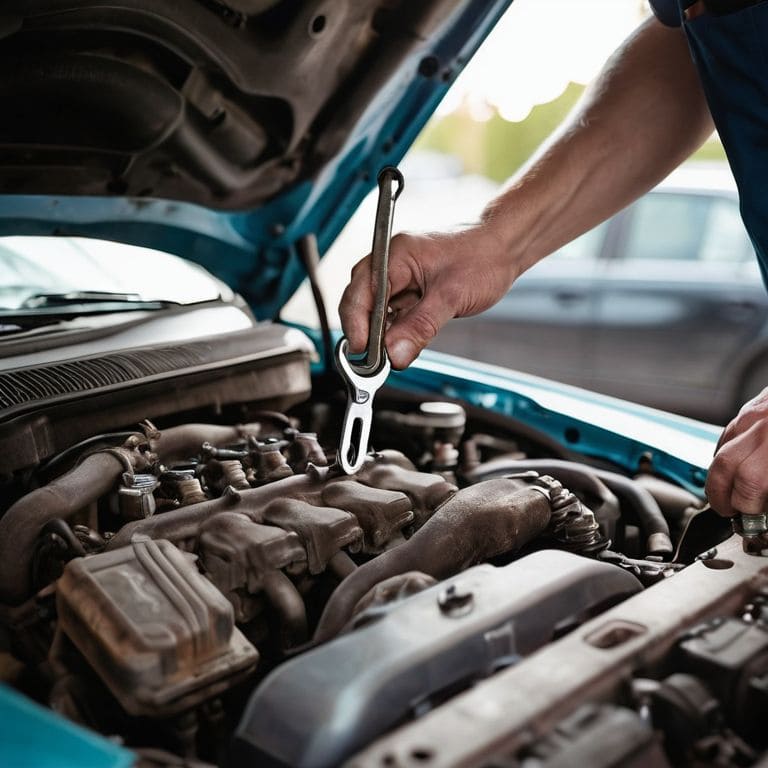
When it comes to unusual car noises, there are a few that can really make you scratch your head. You know, the ones that have you wondering if it’s something serious or just a minor issue. I’ve found that common car sound issues can often be diagnosed with a little patience and the right tools. For instance, a grinding or scraping sound when you apply the brakes could indicate worn-out brake pads, while a hissing sound from the engine area might suggest a leak in the cooling system.
As someone who’s spent countless hours in the garage, I can tell you that car sound diagnostics tools can be a huge help in identifying the source of the problem. From electronic scanning tools to good old-fashioned listening, there are plenty of ways to track down the cause of that mysterious noise. And let’s not forget about car maintenance for noise reduction – regular checks and maintenance can go a long way in preventing those weird sounds from popping up in the first place.
Of course, some car sounds can be more troublesome than others, and that’s where troubleshooting car sounds comes in. Whether it’s a strange clunking noise or a high-pitched whine, being able to identify the source of the sound can save you a lot of hassle and potentially even reduce car sound repair costs down the line. By staying on top of things and addressing any issues promptly, you can help keep your car running smoothly and quietly.
Troubleshooting With Sound Tools
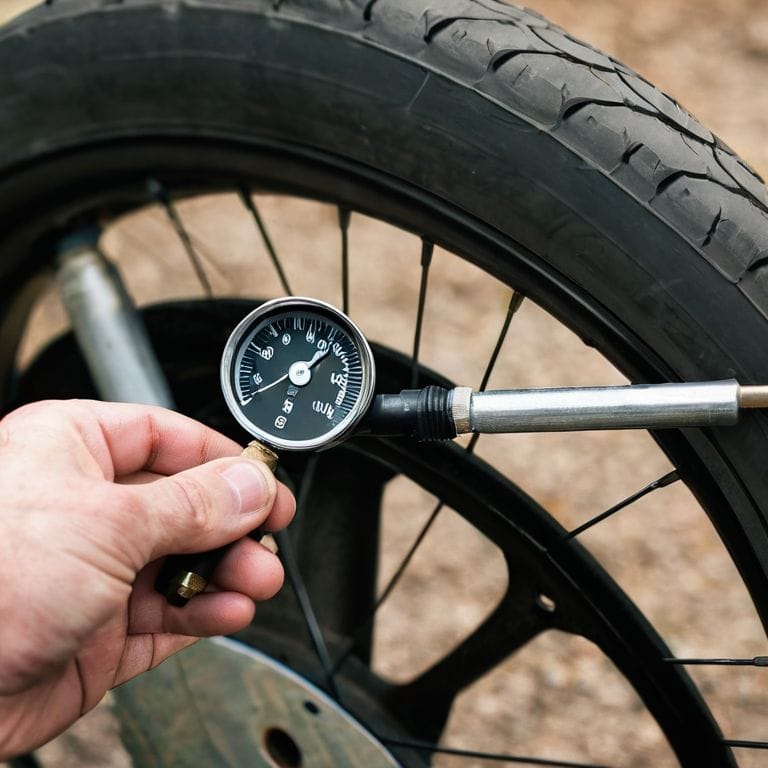
To get to the bottom of those mysterious car noises, I rely on my trusty sound tools, like a good stethoscope or a listening device that can help pinpoint the source of the sound. This approach has been a game-changer in my garage, allowing me to diagnose issues more efficiently.
When using these tools, I always keep in mind the importance of patience, taking the time to carefully listen to the sounds and consider all possible causes before jumping to conclusions or starting repairs.
Unusual Car Noises to Diagnose
When it comes to unusual car noises, I always say that a thorough diagnosis is key to figuring out what’s going on. You see, a strange noise can be a sign of a minor issue or a major problem, and it’s our job to determine which one it is.
I’ve found that paying attention to patterns is crucial in identifying the source of the noise. For example, does the noise occur when you’re accelerating or decelerating? Is it a constant sound or does it come and go? By answering these questions, we can start to narrow down the possible causes and get to the root of the problem.
What Sounds Should Not Be Made
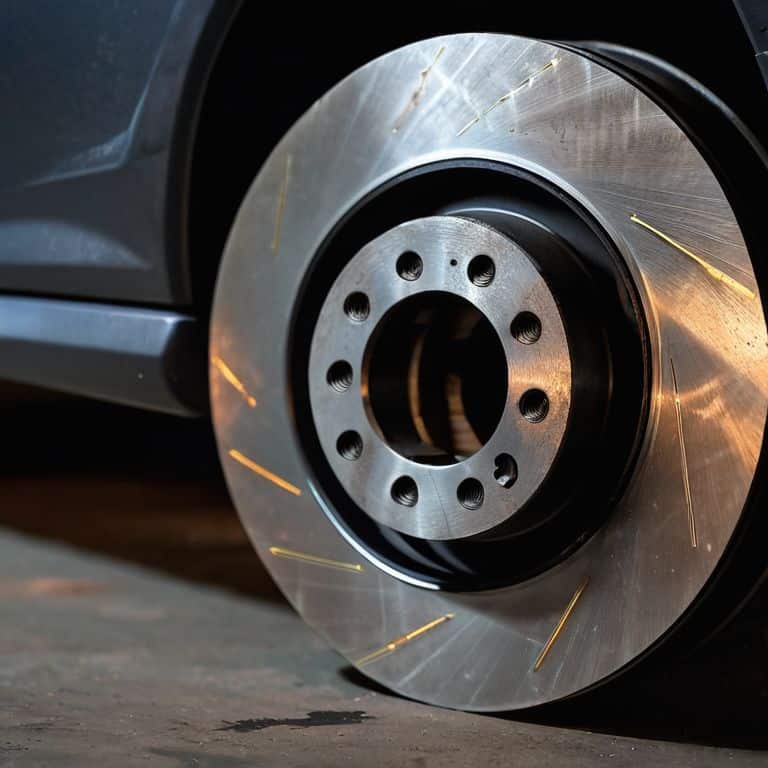
When it comes to unusual car noises, it’s essential to be proactive. I always tell my friends to keep an ear out for any _suspicious sounds_ coming from their ride. You know, the ones that make you go “huh?” – like a grinding or screeching noise when you press the brakes. These sounds can be a sign of a larger issue, and addressing them early on can save you from costly repairs down the line.
As a seasoned automotive technician, I’ve seen my fair share of _common car sound issues_. From worn-out belts to loose exhaust systems, the causes can be varied. That’s why it’s crucial to have the right car sound diagnostics tools at your disposal. With the help of these tools, you can pinpoint the source of the problem and take corrective action. Whether it’s a simple fix or a more complex issue, being able to troubleshoot car sounds can be a huge money-saver.
By staying on top of car maintenance for noise reduction, you can prevent many of these issues from arising in the first place. Regular checks and maintenance can help identify potential problems before they become major headaches. And if you do encounter a strange noise, don’t panic – just grab your trusty toolkit (I’ve named mine “Bertha,” by the way) and get to work on _troubleshooting car sounds_. With a little practice and patience, you’ll be well on your way to becoming a DIY car sound repair expert.
Common Issues and Sound Fixes
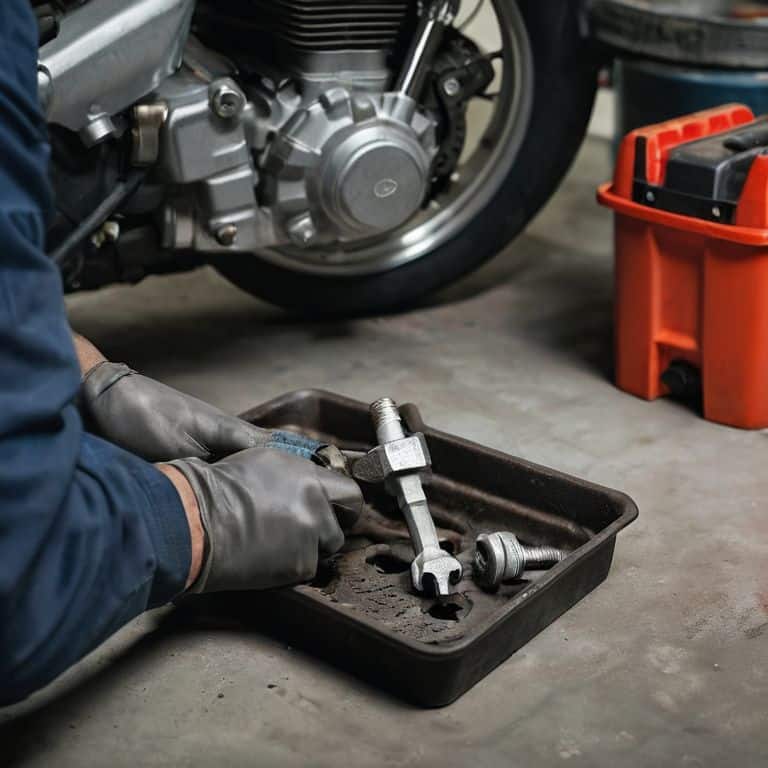
When it comes to fixing those pesky sounds, I’ve found that common sense often prevails. A simple inspection of belts and hoses can reveal cracks or frays that might be causing the noise. My trusty tool, “Bertha the Wrench,” always comes in handy for these kinds of checks.
By addressing the root cause, you can often silence the annoying sounds and get back to driving in peace. Whether it’s a loose belt or a worn-out part, making the necessary repairs can save you from more costly problems down the line.
Repair Costs for Strange Sounds
When it comes to strange car sounds, repair costs can vary widely depending on the issue. A simple fix like tightening a loose belt can cost next to nothing, while replacing a faulty engine component can be quite pricey. As someone who’s spent years restoring vintage bicycles and tinkering with cars, I’ve learned that catching problems early is key to avoiding hefty bills.
In my experience, preventive maintenance is crucial in minimizing repair costs. Regular checks and tune-ups can help identify potential issues before they become major problems, saving you money and hassle in the long run. Whether it’s a weird clunking noise or an unusual whine, staying on top of your car’s maintenance can make all the difference.
The Garage Guru's Top 5 Tips: Sounds to Silence
- Listen for grinding or scraping noises when applying the brakes, as this could indicate worn-out brake pads or a more serious issue with the brake rotors
- Pay attention to unusual hissing sounds, which might suggest a leak in the cooling system or a malfunctioning radiator
- Be wary of clunking or banging noises when driving over bumps, as this could point to a problem with the suspension or steering system
- Watch out for a high-pitched whining sound when accelerating, which might indicate a faulty belt or a problem with the transmission
- Keep an ear out for tapping or clicking noises from the engine, which could signal a low oil level, worn-out lifters, or a more serious issue with the engine’s valves or pistons
Key Takeaways for a Healthier Garage
Be proactive and keep an ear out for unusual car noises, as they can often indicate underlying issues that need attention before they become major problems
Regular maintenance and troubleshooting with the right tools can save you time and money in the long run, and help you develop a deeper understanding of how your vehicle works
By staying informed about common car noises and their causes, you can make more informed decisions about repairs and upkeep, and ensure your garage remains a place of creativity and innovation, not frustration and breakdowns
The Sounds of Warning
A car that’s talking to you through unusual noises is like a friend trying to tell you something’s off – you’d better listen, or you might just find yourself on the side of the road, wondering what went wrong!
John Beeler
The Garage Guru's Final Verdict
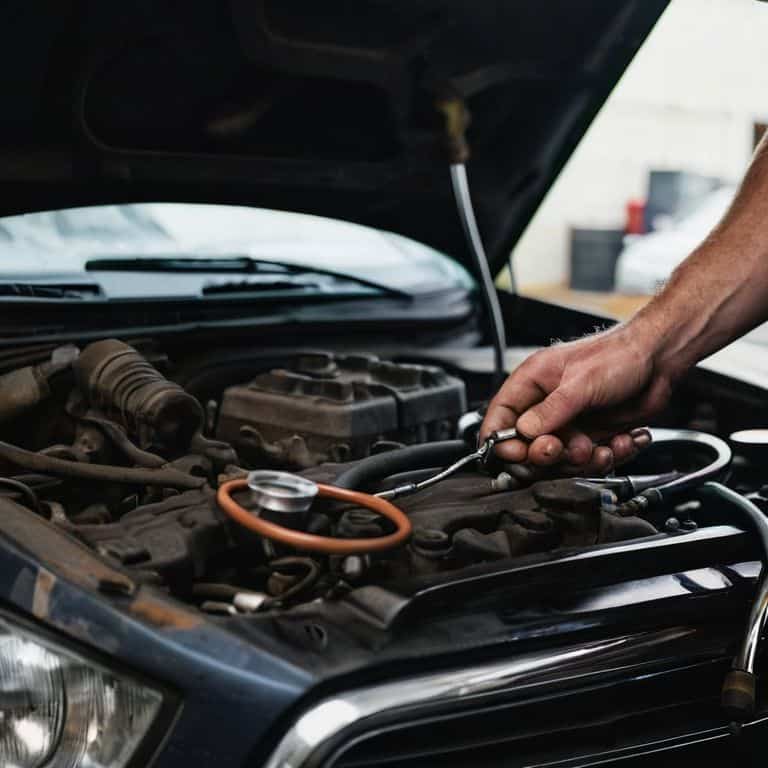
As we wrap up our journey through the world of unusual car sounds, it’s essential to remember that being proactive is key to maintaining your vehicle’s health. We’ve covered a range of topics, from troubleshooting techniques to common issues and their corresponding sound fixes. By familiarizing yourself with these potential problems, you’ll be better equipped to address them before they become major headaches. Whether it’s a strange clunking noise or an unsettling whine, staying vigilant and taking prompt action can save you time, money, and frustration in the long run.
So, the next time you’re tinkering in your garage or hearing an odd sound from your car, remember that curiosity and creativity can be your greatest allies. Don’t be afraid to get your hands dirty, to experiment, and to learn from your experiences. As someone who’s spent years restoring vintage bicycles and naming every tool in my collection, I can attest that the joy of discovery and the sense of accomplishment are just as important as the end result. By embracing this mindset, you’ll not only become a more skilled mechanic but also unleash the full potential of your garage as a playground for innovation and imagination.
Frequently Asked Questions
What are some common sounds that indicate a serious problem with my car's engine?
Hey, if you’re hearing knocking, grinding, or hissing from your engine, it’s time to pay attention! Those sounds can indicate serious issues like worn piston rings, a failing water pump, or a cracked head. Don’t ignore ’em, or you might be facing a pricey repair bill – trust me, I’ve seen it happen in my garage!
How can I distinguish between a harmless noise and a sound that requires immediate attention from a mechanic?
Ah, that’s the million-dollar question! For me, it’s all about pattern recognition. If a noise is consistent, like a gentle hum, it might be harmless. But if it’s intermittent, loud, or changes pitch, that’s a red flag. Trust your instincts, and if in doubt, give your mechanic a holler – I always say, ‘better safe than stranded!’
Are there any specific sounds that are unique to certain car models or brands that I should be aware of?
Ah, great question! Yeah, some car models have distinctive sounds that can be a dead giveaway to specific issues. For instance, some Honda owners might recognize the notorious ‘VTEC rattle,’ while certain Ford trucks can produce a unique ‘death wobble’ sound when the steering gear is worn out. I’ll dive into those and more in my next post, ‘Model-Specific Mysteries.’