I still remember the first time I tried to build a raised garden bed – I was so excited to get started, but I had no idea where to begin with choosing the right wood. I mean, who wouldn’t want a lush, thriving garden in their backyard? But, as I soon learned, selecting the perfect wood for your raised garden bed is crucial, and that’s exactly what this a guide to choosing wood for a raised garden bed is all about. I’ve seen many gardeners struggle with rotting wood, toxic chemicals, and disappointing harvests, all because they didn’t know the secrets to picking the perfect wooden canvas for their masterpiece.
As a sustainable living consultant, I’ve had the privilege of working with numerous clients who’ve faced similar challenges, and I’m excited to share my practical advice with you. In this article, you’ll learn how to navigate the world of wood selection, from cypress to cedar, and discover the best options for your specific climate and needs. You’ll get honest, no-hype guidance on how to choose the perfect wood for your raised garden bed, and by the end of it, you’ll be well on your way to creating a thriving, sustainable garden that will bring you joy and fresh produce for years to come.
Table of Contents
- Guide Overview: What You'll Need
- Step-by-Step Instructions
- A Guide to Choosing Wood
- Wood You Like to Know: 5 Key Tips for Choosing the Perfect Raised Garden Bed Wood
- Nailing It: 3 Key Takeaways for Your Raised Garden Bed
- Sowing the Seeds of Wisdom
- Sowing the Seeds of Sustainability
- Frequently Asked Questions
Guide Overview: What You'll Need
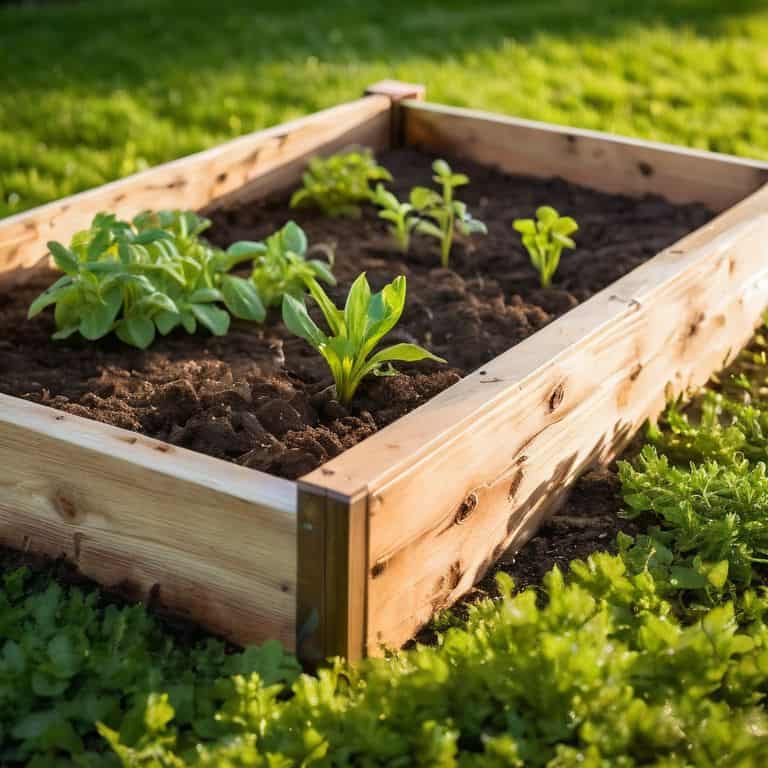
Total Time: 1 hour 30 minutes
Estimated Cost: $50 – $100
Difficulty Level: Easy
Tools Required
- Tape Measure for measuring lumber
- Square for ensuring corners are square
- Drill for drilling screw holes
- Hammer for tapping screws into place
Supplies & Materials
- 2-in x 6-in lumber for the frame of the raised garden bed
- 2-in x 4-in lumber for the bottom of the raised garden bed
- Wood Screws for assembling the frame
- Weather-Resistant Wood Glue for reinforcing joints
- Cedar or Redwood for a naturally rot-resistant option
Step-by-Step Instructions
- 1. First, let’s get our hands dirty and start by considering the type of wood that will work best for our raised garden bed. We want something that’s durable, resistant to rot and insect damage, and can withstand the elements. I always say, it’s all about finding the right balance between functionality and aesthetics.
- 2. Next, we need to think about the size of our raised garden bed and how much wood we’ll need to build it. This will help us determine the lumber quantity required for the project. Make sure to take into account the height, length, and width of your bed, as well as the thickness of the wood you plan to use. Measure twice, cut once is my motto when it comes to avoiding costly mistakes.
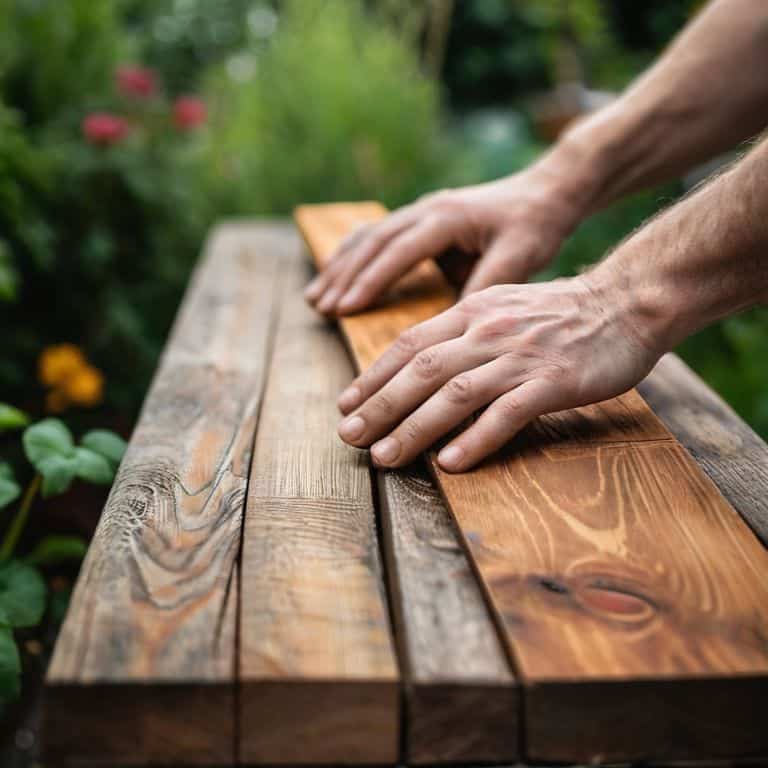
- 3. Now, let’s talk about the different types of wood that are suitable for outdoor use. We have pressure-treated wood, which is a popular choice due to its affordability and durability. However, it’s essential to note that it may contain chemicals that can leach into the soil. On the other hand, we have naturally rot-resistant woods like cedar, cypress, and redwood, which are more expensive but offer a chemical-free alternative.
- 4. Once we’ve selected our wood, it’s time to think about the design of our raised garden bed. We can choose from a variety of bed styles, ranging from simple rectangular beds to more intricate designs featuring multiple tiers and compartments. Consider the space where your bed will be located, as well as your personal preferences and gardening needs. Customization is key when it comes to creating a functional and beautiful outdoor space.
- 5. With our design in mind, we can start preparing our materials and tools. This includes gathering our lumber, as well as any necessary hardware, such as screws, nails, or brackets. Make sure to sort and organize your materials to ensure a smooth and efficient building process.
- 6. Now it’s time to start building our raised garden bed. Begin by constructing the frame using your chosen wood and hardware. This will provide the foundation for your bed and help you achieve the desired shape and size. Pay attention to detail and ensure that your corners are secure and your frame is level.
- 7. As we near the completion of our project, let’s not forget to add a finishing touch. This can include adding a bottom to your raised garden bed, using a material like landscape fabric or wire mesh to prevent weeds and pests from interfering with your plants. You can also add a decorative edge or trim to give your bed a polished look and protect the wood from damage.
A Guide to Choosing Wood
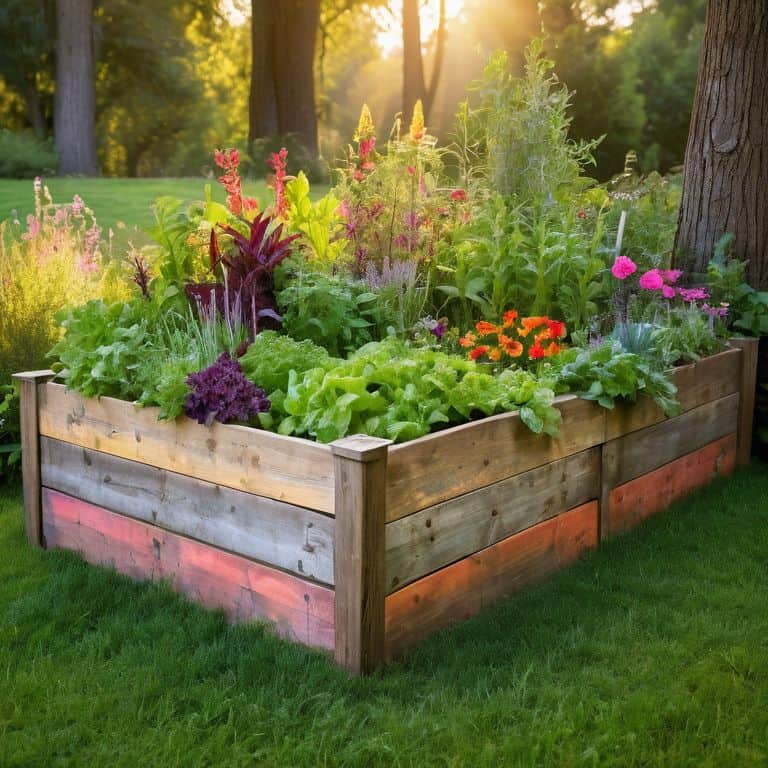
As I delve into the world of sustainable wood options for gardening, I’m reminded of the importance of considering the environmental impact of our choices. When it comes to building a raised garden bed, opting for reclaimed wood can be a fantastic way to reduce waste and create a unique, character-filled space. I’ve had the pleasure of working with reclaimed wood on various projects, and I can attest to its beauty and durability.
When comparing different types of wood for garden beds, it’s essential to consider factors like rot resistance and maintenance requirements. Some woods, like cypress and cedar, are naturally more resistant to rot and insects, making them excellent choices for outdoor gardens. However, it’s crucial to weigh the pros and cons of each option, taking into account factors like cost, availability, and aesthetic appeal. For instance, cypress vs cedar can be a tough decision, as both have their advantages and disadvantages.
To ensure the longevity of your wooden garden bed, it’s vital to follow some basic wooden garden bed maintenance tips. Regularly inspecting the wood for signs of rot or damage, and applying a natural sealant or oil to protect it from the elements, can go a long way in extending its lifespan. By choosing the right wood and following proper maintenance procedures, you can create a thriving and sustainable garden that brings joy and beauty to your outdoor space for years to come.
Cypress vs Cedar for Garden Beds
When it comes to sustainable wood options, two popular choices for garden beds are cypress and cedar. Both are naturally resistant to rot and insects, making them ideal for outdoor projects. Cypress, with its light, airy scent, is a great choice for garden beds, as it’s also relatively lightweight and easy to work with. On the other hand, cedar is a bit denser, but its distinctive aroma can help repel pests, adding an extra layer of protection to your garden.
I’ve worked with both, and while cypress is perfect for a more rustic, whimsical feel, cedar brings a touch of elegance to any garden design. Ultimately, the choice between cypress and cedar comes down to your personal style and the vibe you want to create in your outdoor oasis.
Sustainable Wood Options for Gardening
As I always say, the best wood for the job is the kind that’s been given a second chance. Reclaimed or recycled wood is a fantastic option for raised garden beds, reducing waste and the demand on virgin timber. I’ve worked with old pallets, fencing, and even wooden crates to create unique and functional garden beds. Not only does it reduce waste, but it also adds a touch of character to your garden. Plus, it’s often cheaper than buying new lumber!
Consider cedar, cypress, or redwood for their natural resistance to rot and insects. These sustainable wood options will ensure your garden bed remains healthy and thriving for years to come.
Wood You Like to Know: 5 Key Tips for Choosing the Perfect Raised Garden Bed Wood
- Consider the Climate: Choose a wood type that’s naturally resistant to rot, decay, and insect damage in your local climate, like cedar or redwood in moist areas
- Get Creative with Repurposed Wood: Think outside the box and use reclaimed or recycled wood for your garden bed, like old pallets or fencing, to add a touch of character and reduce waste
- Durability Matters: Opt for hardwoods like oak or maple for a longer-lasting garden bed, or softwoods like pine or spruce if you’re on a budget and don’t mind replacing them more often
- Chemical Concerns: Be mindful of woods treated with chemicals or pesticides, and instead choose naturally rot-resistant options or those certified by organizations like the Forest Stewardship Council (FSC)
- Budget-Friendly Options: Explore affordable wood options like cypress or fir, which may not be as durable as other types but can still provide a beautiful and functional garden bed without breaking the bank
Nailing It: 3 Key Takeaways for Your Raised Garden Bed
Choose your wood wisely, considering factors like durability, rot resistance, and environmental impact to ensure your raised garden bed thrives for years to come
Explore sustainable wood options like reclaimed, recycled, or locally sourced materials to reduce your carbon footprint and add a touch of personality to your garden
Remember, the type of wood you select is just the beginning – get creative with natural sealants, decorative elements, and unique features to turn your raised garden bed into a masterpiece that reflects your personal style and connects you with nature
Sowing the Seeds of Wisdom
The right wood for your raised garden bed is not just a material, it’s a canvas for your garden’s masterpiece – choose it with care, and it will become the foundation for a tapestry of life, growth, and beauty.
Stanley Truman
Sowing the Seeds of Sustainability
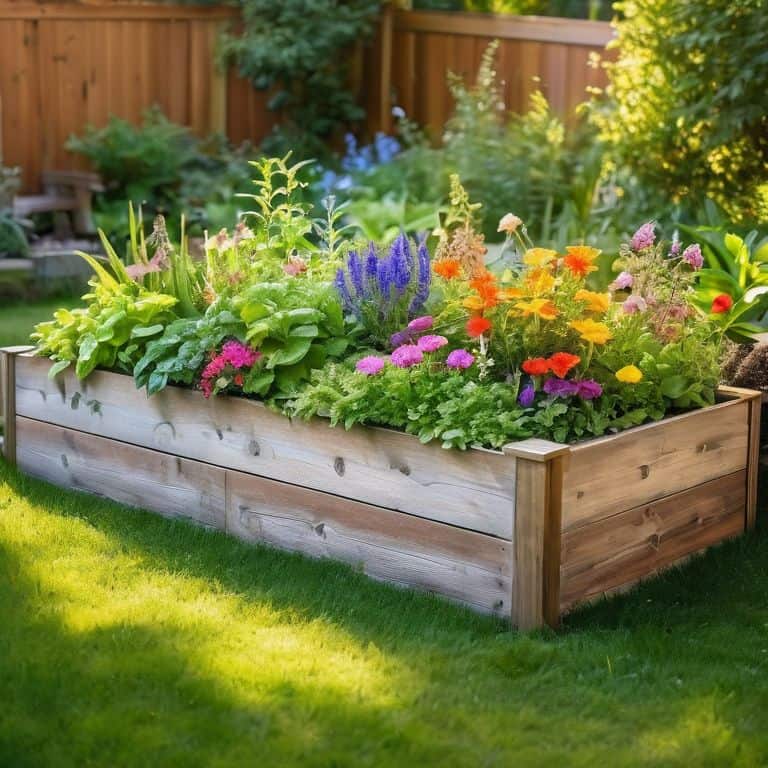
As we conclude our journey through the world of wooden raised garden beds, let’s take a moment to reflect on the key takeaways. We’ve explored the importance of choosing the right wood for your garden, delving into the sustainable wood options that will make your eco-friendly heart sing. From cypress to cedar, we’ve weighed the pros and cons of each, ensuring that your raised garden bed is not only a haven for your plants, but also a haven for the planet. By opting for durable, naturally resistant woods, you’ll be reducing your carbon footprint and creating a thriving oasis that will flourish for seasons to come.
So, as you embark on your raised garden bed adventure, remember that it’s not just about the wood – it’s about cultivating a sense of community and nurturing a deeper connection with the natural world. With every seed you sow and every plank you place, you’re weaving a tale of sustainability, creativity, and growth. Let your raised garden bed be a testament to the magic that happens when we combine imagination, resourcefulness, and a passion for the planet. Happy building, and may your garden be a vibrant reflection of your unique spirit!
Frequently Asked Questions
What are the key factors to consider when selecting wood for a raised garden bed to ensure it lasts and remains safe for plants?
When choosing wood for your raised garden bed, consider durability, rot resistance, and non-toxicity. Look for woods like cedar, cypress, or reclaimed oak that can withstand the elements and won’t leach harmful chemicals into the soil. Think of it as picking the perfect canvas for your garden masterpiece!
Can I use reclaimed or recycled wood for my raised garden bed, and if so, what are the best types to look for?
Absolutely, reuse those old gems! Reclaimed or recycled wood is a fantastic option. Look for durable, rot-resistant types like old barn wood, fencing, or decking made from cedar, cypress, or redwood – just be sure to clean and disinfect them before use.
How do I properly treat and maintain the wood in my raised garden bed to prevent rot and pest damage over time?
To keep your raised garden bed wood in top shape, I recommend a yearly coat of natural sealant, like beeswax or linseed oil, and regular inspections for signs of wear. You can also get creative with DIY wood treatments using things like vinegar and olive oil – it’s all about finding that perfect blend to keep rot and pests at bay!