I still remember the countless hours I spent as a kid, watching my grandfather work on his DIY projects in the garage. He’d always say, “Stanley, what is the difference between concrete and cement? It’s not just about slapping some mixture together, it’s an art.” I’d watch in awe as he’d carefully mix and shape the materials, creating something beautiful and functional from scratch. But what really got my attention was when he’d tell me about all the misconceptions people had about concrete and cement. He’d say, “Most people think they’re interchangeable terms, but trust me, that’s just not true.” This sparked my curiosity, and I began to explore the world of DIY projects, determined to understand the nuances of these two materials.
As a Sustainable Living Consultant, I’ve seen my fair share of confusing and overwhelming information about concrete and cement. That’s why I’m here to cut through the noise and give you the lowdown on what really matters. In this article, I’ll share my personal experience and knowledge to help you understand the difference between concrete and cement, and how you can use them to bring your DIY projects to life. I’ll give you the honest, hype-free advice you need to make informed decisions and create something truly remarkable. So, if you’re ready to get your hands dirty and learn the secrets of working with concrete and cement, then let’s get started!
Table of Contents
Concrete vs Cement
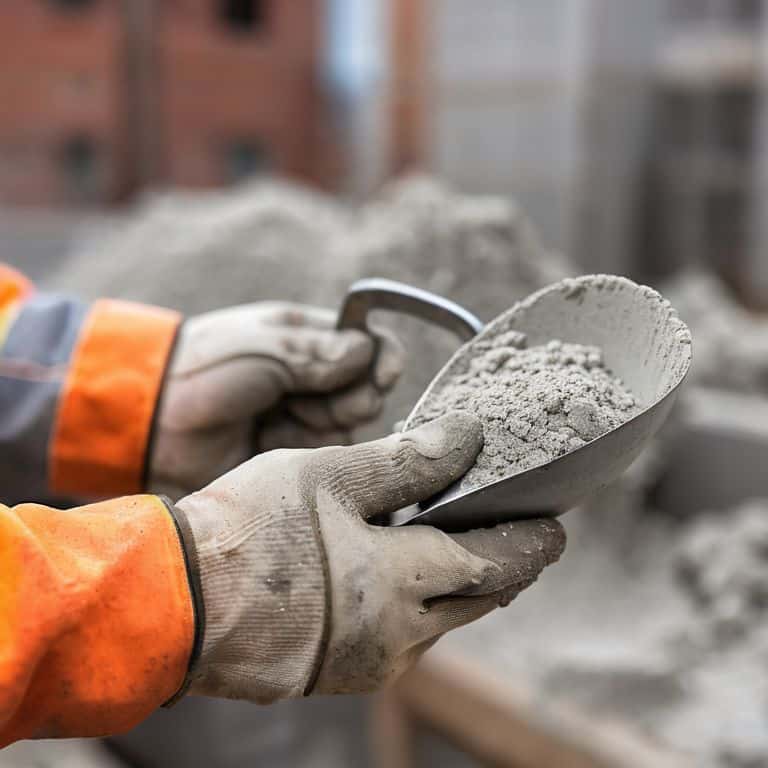
As I delve into the world of construction, I find myself fascinated by the types of cement for construction that exist. From Portland cement to blended cements, each has its unique characteristics and uses. However, when it comes to creating a sturdy structure, it’s essential to understand the role of cement in a concrete mixture. The ratio of cement to aggregate materials can make or break the durability of a building.
In my experience as a sustainable living consultant, I’ve noticed that the cement vs concrete cost can be a significant factor in determining the budget for a project. While cement is a crucial component of concrete, the overall cost of the project depends on various factors, including the uses of concrete in architecture. From foundations to decorative features, concrete is an incredibly versatile material. By understanding its composition and properties, we can unlock new possibilities for sustainable construction.
When exploring the difference between mortar and concrete, it becomes clear that the proportion of aggregate materials plays a vital role. Mortar, with its higher cement content, is ideal for bonding bricks and stones, whereas concrete is better suited for structural elements. By experimenting with sustainable concrete materials, we can reduce our environmental footprint while creating innovative and functional structures that showcase the beauty of recycled materials.
Cement vs Concrete Cost
When it comes to choosing between cement and concrete for your DIY projects, cost is a significant factor to consider. The price of cement can vary depending on the type and brand, but generally, it’s more affordable than concrete. This is because cement is a primary ingredient in concrete, and when you buy concrete, you’re also paying for the aggregate materials like sand, gravel, and water that are mixed with the cement.
In terms of long-term savings, opting for cement can be a more budget-friendly option, especially if you’re planning a large-scale project. However, it’s essential to factor in the cost of additional materials and labor required to mix and apply the cement, as this can add up quickly.
Sustainable Cement Options
As I delve into the world of sustainable cement options, I’m reminded of the importance of eco-friendly materials in our DIY projects. We can make a significant impact by choosing cement alternatives that have a lower carbon footprint. For instance, using recycled materials like fly ash or slag can reduce the environmental impact of traditional cement.
When exploring sustainable cement options, it’s essential to consider locally sourced materials that can minimize transportation emissions. By opting for these alternatives, we can create unique and environmentally responsible structures that not only reduce our carbon footprint but also add character to our DIY creations.
Unlocking Harmonious Mix
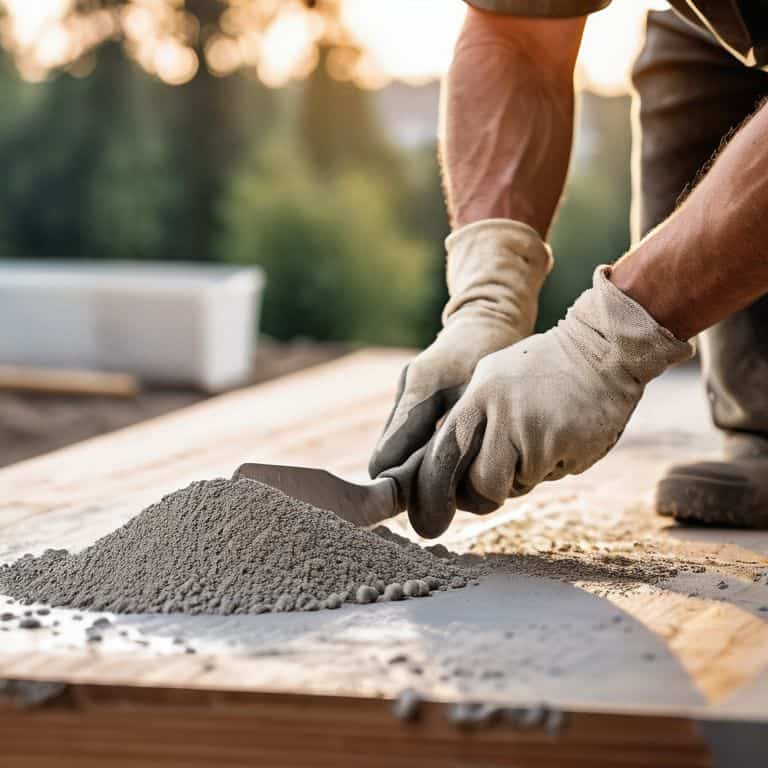
As I delve into the world of sustainable concrete materials, I’m reminded of the importance of harmony in construction. A well-crafted concrete mixture ratio can make all the difference in a project’s success. By understanding the nuances of types of cement for construction, we can unlock new possibilities for eco-friendly building.
When it comes to creating a harmonious mix, it’s essential to consider the uses of concrete in architecture. From foundations to facades, concrete plays a vital role in shaping our built environment. By exploring the difference between mortar and concrete, we can better appreciate the unique characteristics of each material and how they contribute to a structure’s overall integrity.
In my experience as a sustainable living consultant, I’ve found that a deep understanding of cement vs concrete cost is crucial for making informed decisions about materials. By weighing the benefits and drawbacks of each option, we can create balanced concrete mixture ratios that not only reduce waste but also promote efficient use of resources. This, in turn, can lead to more affordable and environmentally friendly construction solutions.
Green Concrete Materials Future
As we look to the future, it’s exciting to think about the innovative materials that will shape the world of green concrete. From recycled plastics to natural fibers, the possibilities are endless. I’ve had the chance to experiment with some of these materials in my own urban foraging adventures, and I’m amazed by the potential for creativity and sustainability.
The use of sustainable aggregates is an area that holds great promise for reducing the environmental impact of concrete production. By incorporating locally sourced, reclaimed materials into our concrete mixes, we can significantly lower our carbon footprint and create more eco-friendly buildings and structures.
Mortar and Concrete Difference
As I delve into the world of mortar and concrete, I’m reminded of the importance of understanding the fundamental differences between these two materials. Mortar, a mixture of cement, water, and sand, is often used to hold together bricks, stones, and other masonry materials. Its primary function is to provide a strong bond between these elements, while also allowing for some degree of flexibility.
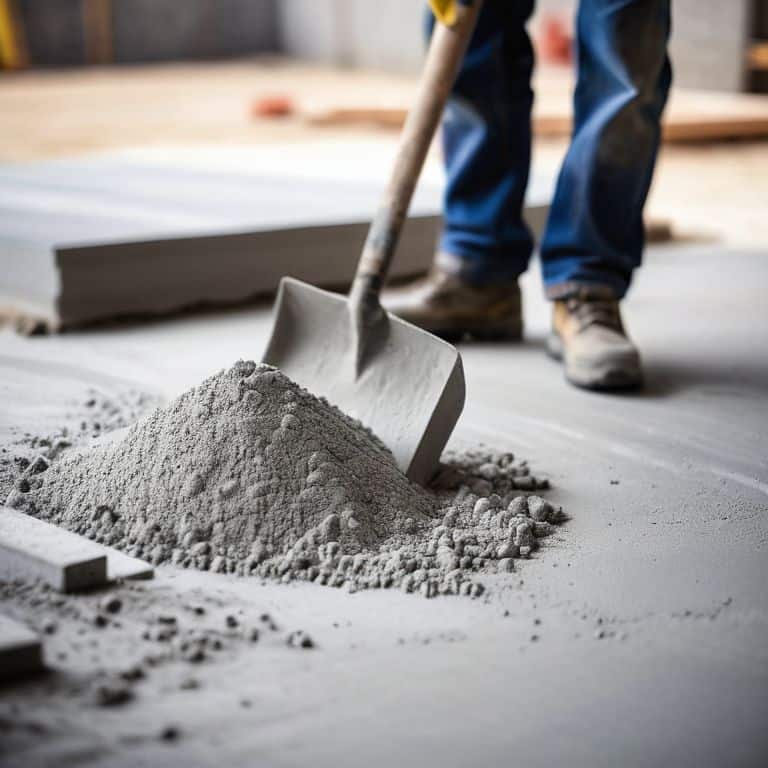
In contrast, concrete is a more robust material, composed of cement, water, and aggregate, such as gravel or crushed stone. The key to working with concrete lies in finding the right balance of ingredients, which can make all the difference in the strength and durability of the final product.
5 Harmonious Hacks to Master the Concrete and Cement Difference
- Start by understanding that cement is a key ingredient in concrete, but not the other way around – think of it like a recipe where cement is the flour, and concrete is the cake
- Choose sustainable cement options like fly ash or slag cement to reduce your carbon footprint and create a greener, more environmentally-friendly construction project
- Consider the cost difference between cement and concrete, and how you can optimize your budget by selecting the right materials for your DIY adventures, whether you’re building a backyard patio or a community garden
- Experiment with harmonious mixes of mortar and concrete to achieve the perfect balance of strength and aesthetics in your creations, from intricate mosaics to sturdy treehouses
- Explore the future of green concrete materials, such as recycled plastics or natural fibers, to push the boundaries of innovative and eco-friendly construction, and join the movement towards a more sustainable built environment
Embracing the Harmony: 3 Key Takeaways
By understanding the difference between concrete and cement, you can unlock a world of creative possibilities for your DIY projects, from crafting unique planters to building sustainable outdoor spaces
Exploring sustainable cement options and considering the cost differences between cement and concrete can help you make informed decisions that not only benefit your projects but also the environment
By embracing the concept of green concrete materials and experimenting with innovative mixes, you can join a community of like-minded individuals who are redefining the future of construction and DIY, one harmonious blend at a time
The Heart of the Matter
The difference between concrete and cement is not just a matter of mix and measurement, but a gateway to understanding the very foundation of our built world – and the potential for sustainable harmony that lies within every blend, every bond, and every creative reinterpretation of the materials that shape our lives.
Stanley Truman
Embracing the Harmony of Concrete and Cement
As we’ve explored the differences between concrete and cement, it’s clear that understanding these fundamentals can empower us to make more informed decisions in our DIY projects. From delving into sustainable cement options to comparing the costs of cement vs concrete, and even unlocking the secrets of harmonious mixes, we’ve seen how each element plays a crucial role in our creative endeavors. By recognizing the unique characteristics of both concrete and cement, we can tailor our approaches to achieve the best possible outcomes, whether we’re aiming for durability, aesthetics, or environmental responsibility.
As we conclude our journey through the world of concrete and cement, let’s remember that the true magic happens when we combine knowledge with imagination. By embracing the art of repurposing and finding innovative ways to work with these materials, we not only reduce waste but also cultivate a deeper connection with our surroundings. So, let’s embark on this creative path together, turning everyday challenges into opportunities for growth, and transforming the ordinary into the extraordinary, one DIY project at a time.
Frequently Asked Questions
Can I use cement and concrete interchangeably in my DIY projects?
Not quite, friend! While cement and concrete are related, they’re not interchangeable terms. Think of cement as an ingredient in concrete, which is a mixture of cement, water, and aggregates like sand or gravel. Using them correctly will make all the difference in your DIY projects, so let’s get the mix just right!
How do the differences between cement and concrete impact the environmental sustainability of my construction endeavors?
As I see it, the difference between cement and concrete significantly impacts environmental sustainability. Cement, being the binding agent, has a higher carbon footprint due to its production process. By opting for sustainable cement options and cleverly mixing it with locally sourced aggregates, you can reduce your project’s eco-footprint, making your construction endeavors more environmentally friendly.
What are some creative ways to repurpose or recycle leftover cement and concrete materials in my home and garden?
Get creative with those leftovers! You can repurpose excess cement as a DIY planter or bird bath, while broken concrete can become a unique garden border or stepping stone. I love turning old concrete into a mosaic tabletop or using it to create a one-of-a-kind outdoor sculpture – the possibilities are endless!