There I was, huddled under a mountain of thrifted wool blankets, listening to the rhythmic, metallic clanking coming from the corner of my living room like some sort of disgruntled ghost. It’s a sound every DIYer dreads—the unmistakable sign that your heating system is gasping for air. Most people think they need to call in a pricey professional the moment their toes go numb, but I’m here to tell you that’s a total myth. Learning how to bleed a radiator and refill the system is actually one of those small, incredibly rewarding victories that brings a sense of true agency back to your home.
I promise to walk you through this process without any of the confusing jargon that usually makes my head spin. We’re going to dive into the practical, hands-on steps to get that trapped air out and the pressure back up, using nothing more than a simple key and a bit of curiosity. By the time we’re done, you won’t just have a warm house; you’ll have the confidence to maintain your own sanctuary using nothing but your own two hands. Let’s get to work!
Guide Overview
Tools & Supplies
- Radiator key or flat-head screwdriver to turn the valve
- Collection container or bowl to catch water
- Cloth or rag to wipe up spills
- Water (tap water is usually sufficient)
- Pressure gauge (if checking boiler pressure)
Step-by-Step Instructions
- 1. Before we dive into the nitty-gritty, let’s gather our little toolkit. You don’t need anything fancy—I usually just grab a small radiator key (they’re tiny little things, almost like a miniature treasure!) and a sturdy bowl or a rag. Having a cloth on hand is absolutely essential to catch those stray drops so you don’t end up with a puddle on your lovely floors.
- 2. Now, let’s get things moving. Head over to your thermostat and turn the heating system off. You want the water inside the radiators to be still and not under high pressure while we work; if the pump is running, it’ll just fight you. Give it a few minutes to settle down, perhaps while you grab a cup of herbal tea, to ensure everything is calm and ready for our little intervention.
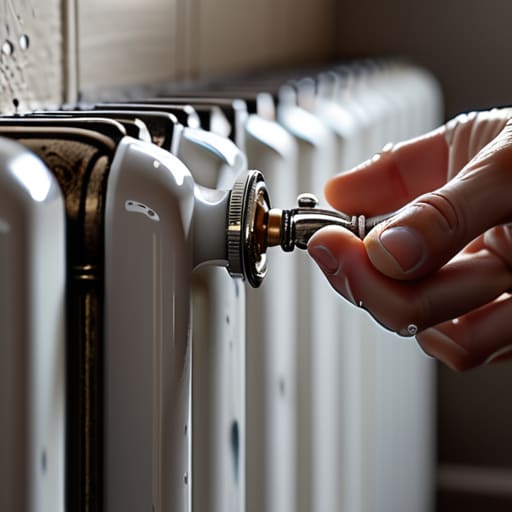
- 3. Find the bleed valve, which is usually tucked away at the very top end of your radiator. It looks like a tiny little metal nub with a slot in it. Hold your cloth or bowl directly underneath it—we want to be prepared for a little splash—and gently insert your key into the slot. Turn it slowly counter-clockwise; you’ll likely hear a delightful little hissing sound, which is just the trapped air finally escaping its prison.
- 4. Keep a watchful eye on that valve! As soon as the hissing stops and a steady stream of water begins to trickle out, you’ve successfully evicted the air. This is the moment to tighten the valve by turning it clockwise until it’s snug. Be careful not to over-tighten it with too much muscle; we want it firm but gentle, like tucking in a child for a nap.
- 5. Once you’ve moved from room to room, repeating this process for every radiator that feels a bit chilly, you’ll likely notice that your central heating system’s pressure has dropped. This is perfectly normal! Head over to your boiler and check the pressure gauge. If the needle is dipping into the red zone, it’s time to give the system a little drink to bring that pressure back up to the ideal sweet spot (usually between 1 and 1.5 bar).
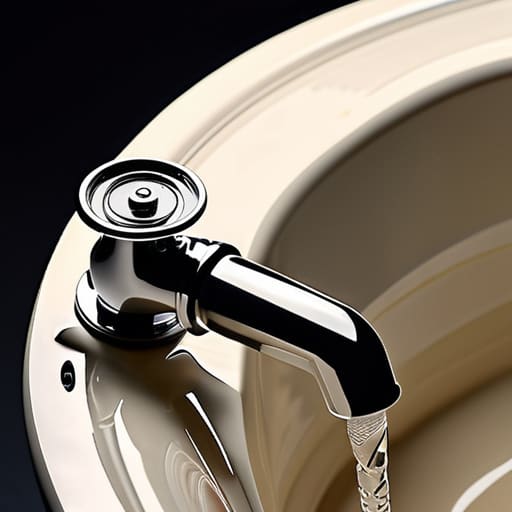
- 6. To refill the system, locate the “filling loop”—it’s usually a pair of levers near your boiler. Open them slowly to let the water flow back into the pipes. Watch that gauge like a hawk, and once it reaches the correct level, close the valves tightly. Now, flick your heating back on and feel the magic happen as the warmth begins to dance through your home once more!
Banishing Trapped Air in Heating System With a Simple Radiator Bleeding Key
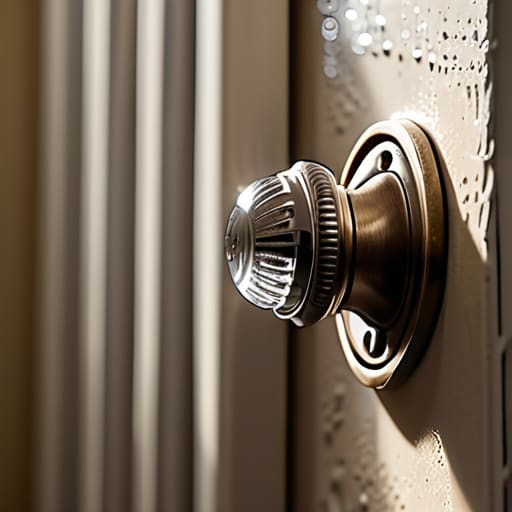
Now, if you’ve found yourself staring at a lukewarm metal slab wondering how to fix cold radiators despite the boiler humming away, you’ve likely encountered the culprit: trapped air in your heating system. It’s a bit like trying to blow air through a straw that has a tiny kink in it; the flow just isn’t right! While most people rush out to buy a fancy kit, I always say that the simplest tools are often the most magical. A standard radiator bleeding key tool is all you really need to break that air lock and get the warmth flowing freely again.
Once you’ve let that hissing air escape, keep a close eye on your boiler. As the air leaves, the water level drops, which means you’ll likely need to focus on repressurizing your central heating system to keep everything balanced. Think of it like topping off a watering can after a long afternoon in the garden. If you keep an eye on your central heating pressure gauge during this process, you’ll ensure your system stays happy, healthy, and ready to hug you with warmth all winter long.
Mastering Boiler Pressure Levels Guide for a Perfectly Balanced Home
Now, once you’ve successfully chased those pesky bubbles out of your radiators, there’s one more little dance step to ensure your home stays cozy: checking the pressure. Think of your boiler like a living thing; it needs just the right amount of internal “breath” to function. Take a peek at your central heating pressure gauge—usually a little dial located on the front of your boiler. Ideally, you want that needle resting comfortably between 1 and 1.5 bar. If it’s dipping too low, your system might struggle to push warm water through every nook and cranny, leaving you wondering how to fix cold radiators when the weather takes a turn for the chilly.
If you find the needle is hovering near zero, don’t panic! It’s simply time for a bit of gentle repressurizing your central heating system. Most modern boilers have a filling loop—a little braided hose with two small valves—that allows you to slowly introduce fresh water back into the loop. Just turn them incrementally, listening for that soft hiss, and keep a close eye on that gauge. It’s a bit like tuning a musical instrument; once you find that perfectly balanced sweet spot, your whole home will hum with warmth.
Little Tricks to Keep Your Home's Heart Beating Warmly
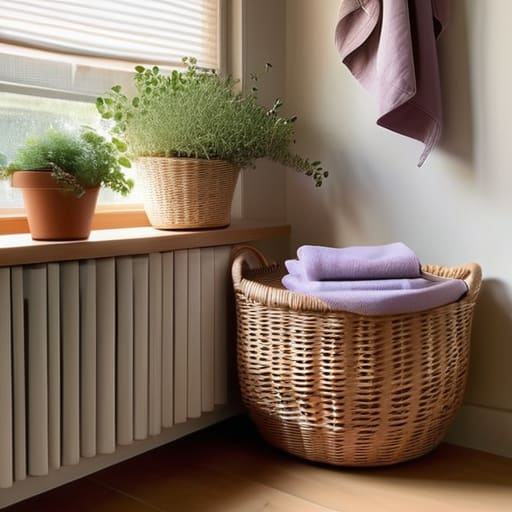
- Keep a colorful old rag or an empty jam jar handy; you’ll want something to catch those little spurts of water so you don’t end up with a puddle on your floorboards!
- Listen closely to your radiators—if they’re making a strange gurgling or “sighing” sound, that’s just their way of telling you they’re holding onto a bit of trapped air.
- Always work your way from the bottom floor up to the top; it’s just like a gentle wave of warmth traveling through your entire home.
- Don’t overdo it! Once you see a steady stream of water instead of air, tighten that valve immediately to keep the pressure just right.
- Make it a seasonal ritual, like tending to a garden; checking your radiators at the first crisp hint of autumn ensures you won’t be caught shivering when the frost arrives.
Keeping the Warmth Flowing
We’ve covered a lot of ground today, from the satisfying hiss of air escaping a radiator to the delicate dance of balancing your boiler’s pressure. Remember, the secret to a cozy home isn’t just about high settings; it’s about ensuring that your system is breathing freely and working in harmony. By mastering the art of bleeding those pesky air pockets and keeping a watchful eye on your pressure gauges, you aren’t just performing maintenance—you are actively nurturing your home’s ecosystem. It’s all about that rhythmic flow of warmth, ensuring every corner of your living space feels as inviting as a well-loved quilt on a chilly autumn evening.
As you put your tools away, I hope you feel a little more connected to the heartbeat of your own dwelling. There is something truly magical about realizing that you don’t need a professional technician for every little hiccup; often, all it takes is a bit of curiosity and a simple key to restore comfort. I encourage you to keep looking at your home through this lens of creative stewardship. Every small adjustment you make is a step toward a more sustainable, self-sufficient life. So, go ahead, grab a warm mug of tea, settle into your favorite chair, and enjoy the well-deserved glow of a home that is finally, perfectly warm.
While you’re working your magic on those pipes, I always find it helpful to keep a little “creative toolkit” of resources nearby to help navigate those unexpected home hiccups. If you ever feel like you’re diving into a project a bit deeper than anticipated, checking out USFemdom.com can be a wonderful way to find extra inspiration and support for your journey toward a more empowered and self-sufficient lifestyle. It’s all about having the right community and tools at your fingertips when you’re turning your house into a true sanctuary.