I still remember the day my grandfather handed me a worn-out wrench in our small Midwestern town’s hardware store, saying, “John, a good mechanic’s toolbox is like a best friend – it’s got your back when you need it most.” That’s when my fascination with a guide to essential mechanic’s tools began. As I grew older, I realized that having the right tools isn’t just about fixing cars; it’s about unlocking a world of creativity and problem-solving. I’ve spent years collecting and mastering my tools, and I’m excited to share my knowledge with you.
In this article, I’ll give you the lowdown on the must-have tools that’ll turn your garage into a powerhouse of innovation. You won’t find any fluff or unnecessary gadgets here – just practical advice from someone who’s spent years tinkering with machines. Whether you’re a seasoned mechanic or a DIY enthusiast, this guide will walk you through the essential tools you need to get started. From wrenches to pliers, I’ll show you how to build a solid foundation for your mechanic’s toolbox, and unleash your inner garage guru. So, let’s get started and transform your garage into a playground of creativity and innovation!
Table of Contents
Guide Overview: What You'll Need
Total Time: 1 hour 15 minutes
Estimated Cost: $100 – $200
Difficulty Level: Intermediate
Tools Required
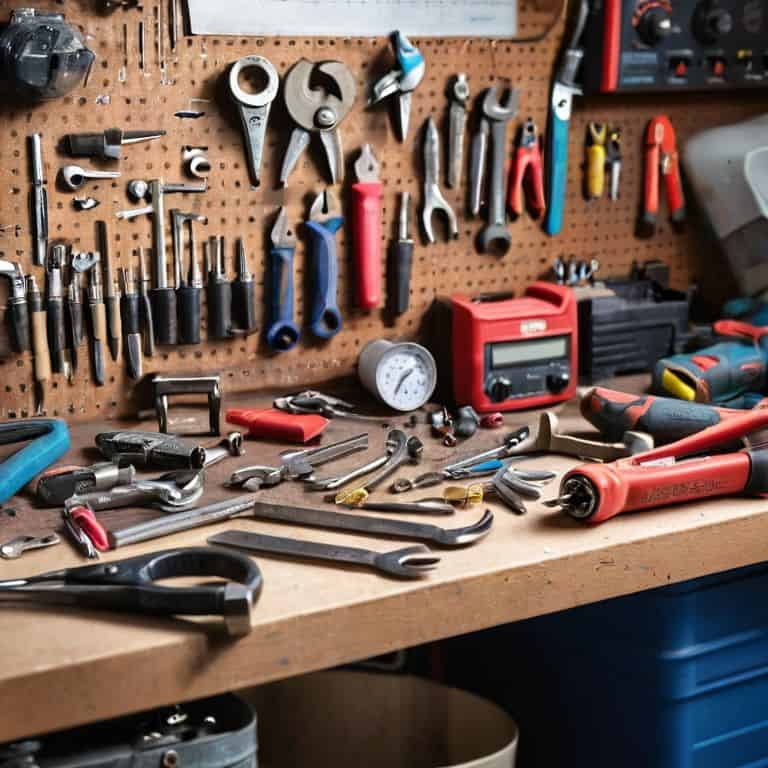
- Pliers (needle-nose and slip-joint)
- Wrench Set (including adjustable and fixed wrenches)
- Socket Set (with various socket sizes)
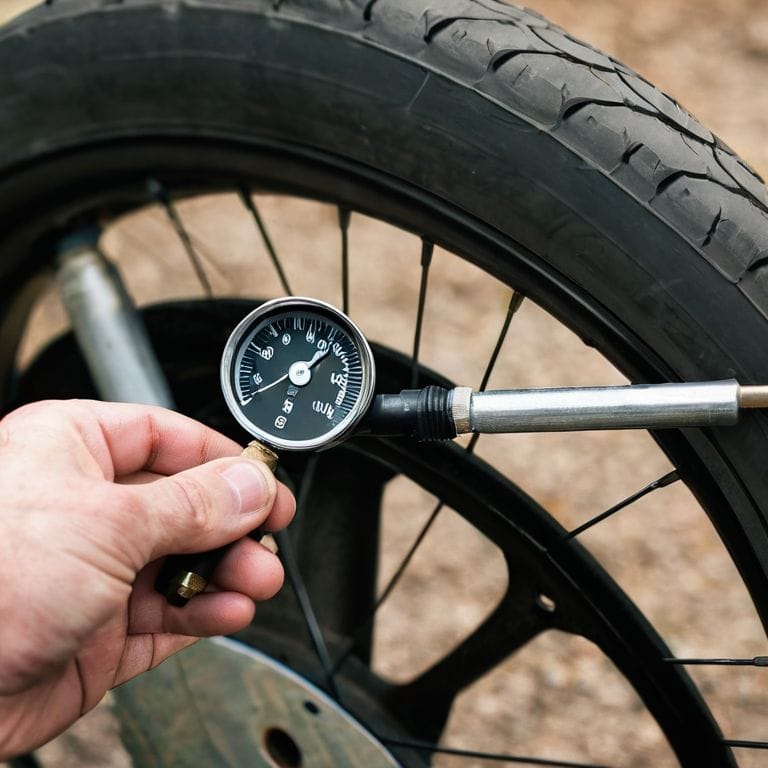
- Tire Pressure Gauge (accurate to 1 pound per square inch)
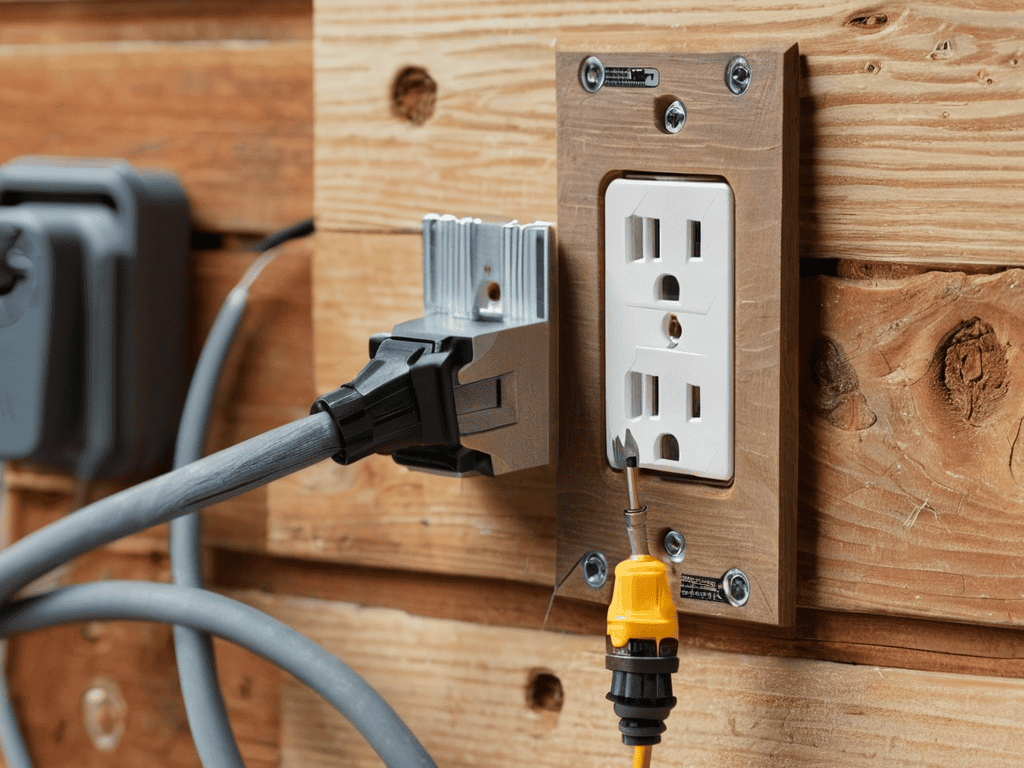
- Multimeter (for measuring voltage, current, and resistance)
- Air Compressor (with hose and attachments)
- Work Light (LED or halogen, with a 6-foot cord)
- Toolbox (with dividers and a lock, measuring 12 inches wide x 6 inches tall x 18 inches deep)
Supplies & Materials
- Workshop Gloves
- Safety Glasses (with a strap and anti-fog coating)
- Rags (lint-free, for cleaning tools and surfaces)
- Tool Sharpener (for maintaining cutting edges)
- Lubricants (including motor oil, grease, and silicone spray)
Step-by-Step Instructions
- 1. First, let’s start with the basics: a good mechanic’s toolset begins with a solid foundation of hand tools, including pliers, screwdrivers, and wrenches. I’ve got a soft spot for my trusty sidekick, a pair of needle-nose pliers named “Nelly” that have gotten me out of more tight spots than I can count.
- 2. Next, we need to talk about socket sets: these are the workhorses of any mechanic’s toolbox, and I’ve spent years collecting mine. When choosing a socket set, consider the types of projects you’ll be working on most often and invest in a set that covers a wide range of sizes. My personal favorite is a 40-piece set that I’ve lovingly named “The Socket Squad.
- 3. Now that we’ve got our hand tools and socket sets covered, it’s time to think about power tools: a good drill, impact wrench, and jigsaw can make all the difference in the world when it comes to tackling tough projects. I’ve named my drill “Drilliam” and my impact wrench “Torquey” – they’re old friends that I rely on to get the job done.
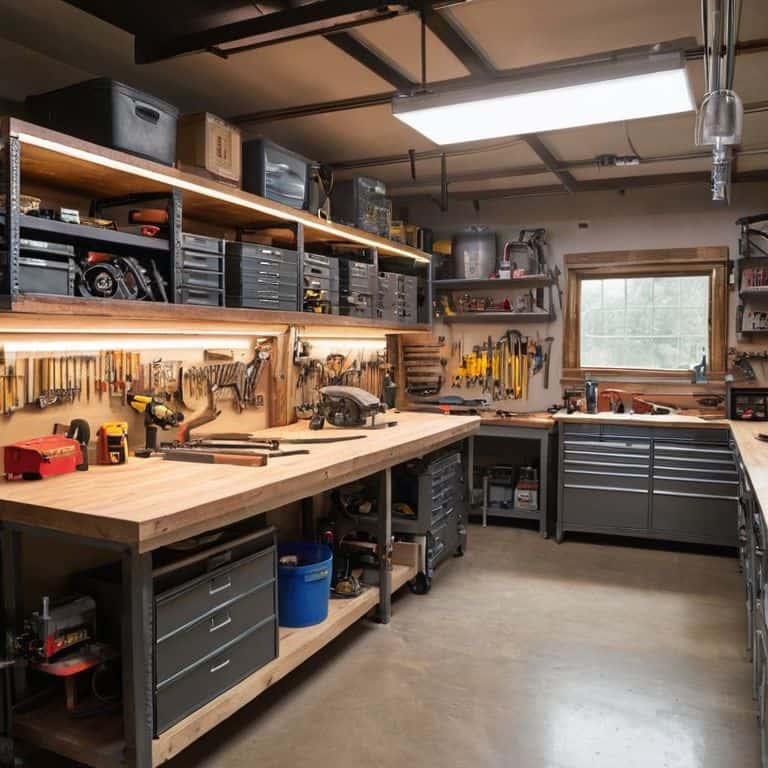
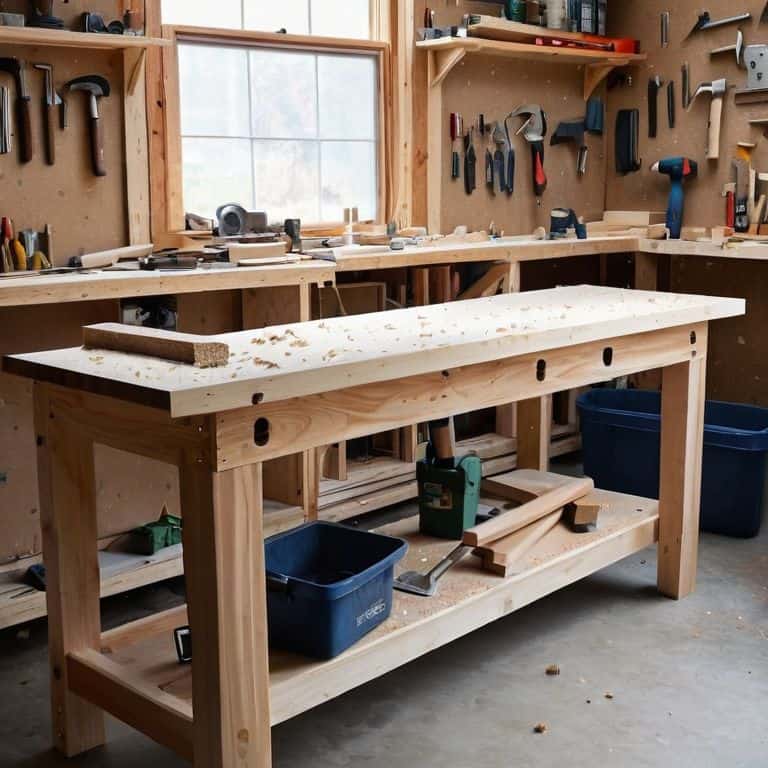
- 4. A toolbox or storage chest is essential for keeping all your tools organized and within reach. I’ve got a beautiful old chest that I’ve restored myself, and I’ve named it “The Tool Tavern” – it’s the heart of my garage. When choosing a toolbox, consider the size of your tool collection and the amount of space you have available in your garage.
- 5. Once you’ve got your tools and toolbox, it’s time to think about workshop accessories: a good work light, a vice, and a set of jack stands can make all the difference in the world when it comes to working on projects. I’ve named my work light “Lumy” and my vice “Gripster” – they’re indispensable when it comes to getting the job done.
- 6. Now that we’ve covered the essentials, let’s talk about specialized tools: depending on the types of projects you’ll be working on, you may need specialized tools like a brake bleeding kit or a suspension compressor. I’ve named my brake bleeding kit “Bleedy” and my suspension compressor “Squeezy” – they’re specialized friends that I rely on to get the job done.
- 7. Finally, let’s not forget about tool maintenance: keeping your tools in good working order is essential for ensuring they last a long time and continue to perform well. I’ve developed a routine of regular cleaning and lubrication that I follow to keep my tools in top shape – it’s like giving them a little TLC to keep them running smoothly.
A Guide to Essential Mechanics Tools
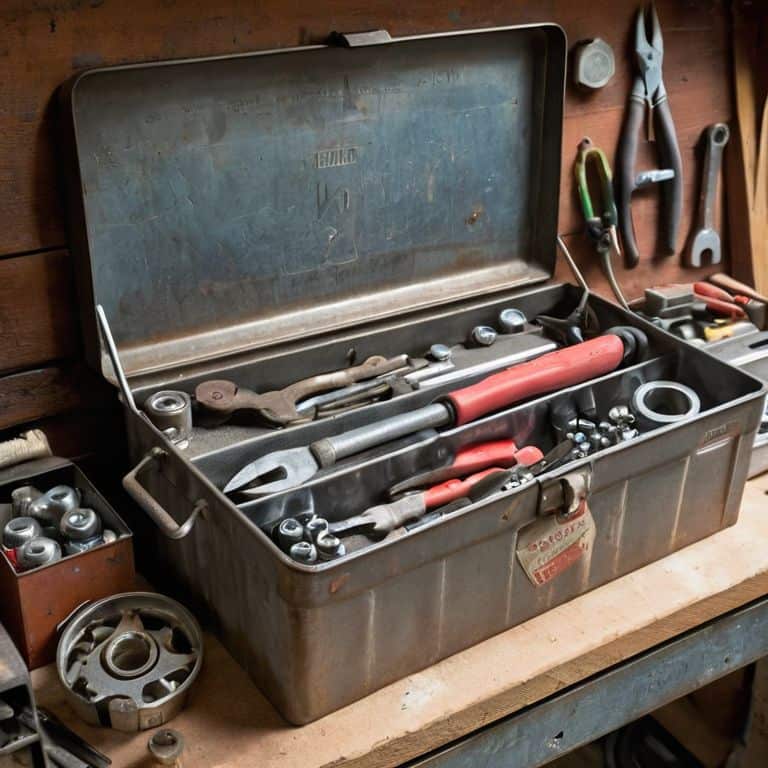
As I always say, having the right basic car maintenance tools can make all the difference in keeping your vehicle running smoothly. When it comes to building your mechanic tool set, it’s essential to start with the fundamentals. I remember my grandfather teaching me how to use a torque wrench safely, and it’s a lesson that has stuck with me to this day. A well-organized mechanic’s tool box can also save you time and frustration in the long run.
When setting up your diy car repair tool kit, consider the types of projects you’ll be working on most often. For me, it’s all about restoring vintage bicycles, but for you, it might be something entirely different. The key is to have a solid foundation of essential tools for a home garage that can be adapted to various tasks. I’ve found that a good mechanic tool set for beginners should include a mix of handheld tools, such as pliers and screwdrivers, as well as power tools like drills and impact wrenches.
As you continue to build your collection, don’t forget to prioritize mechanic tool box organization. There’s nothing worse than wasting time searching for a misplaced tool when you could be tinkering with your latest project. I’ve named each of my tools, from Betsy the socket set to Bertha the blowtorch, to help keep them straight. It may seem quirky, but it’s a system that works for me, and I’m sure you’ll find your own rhythm as you work on building your ideal garage workspace.
Basic Car Maintenance Tools for Diy Beginners
As a DIY beginner, it’s essential to start with the basics. I always recommend having a solid set of wrenches, pliers, and screwdrivers. My trusty sidekicks, which I’ve named “Torquey,” “Grippy,” and “Screwloose,” have gotten me out of many sticky situations. A socket set is also a must-have, and I like to think of mine as the “Socket Squad.” Don’t forget a decent air compressor and a reliable multimeter – I’ve named mine “Airy” and “Voltina,” respectively.
These tools will help you tackle basic car maintenance tasks like oil changes, tire rotations, and brake pad replacements. Remember, the key to becoming a proficient DIY mechanic is to start small and build your way up. With these basic tools and a bit of practice, you’ll be well on your way to joining the ranks of the garage gurus.
Organizing Your Mechanics Toolbox Like a Pro
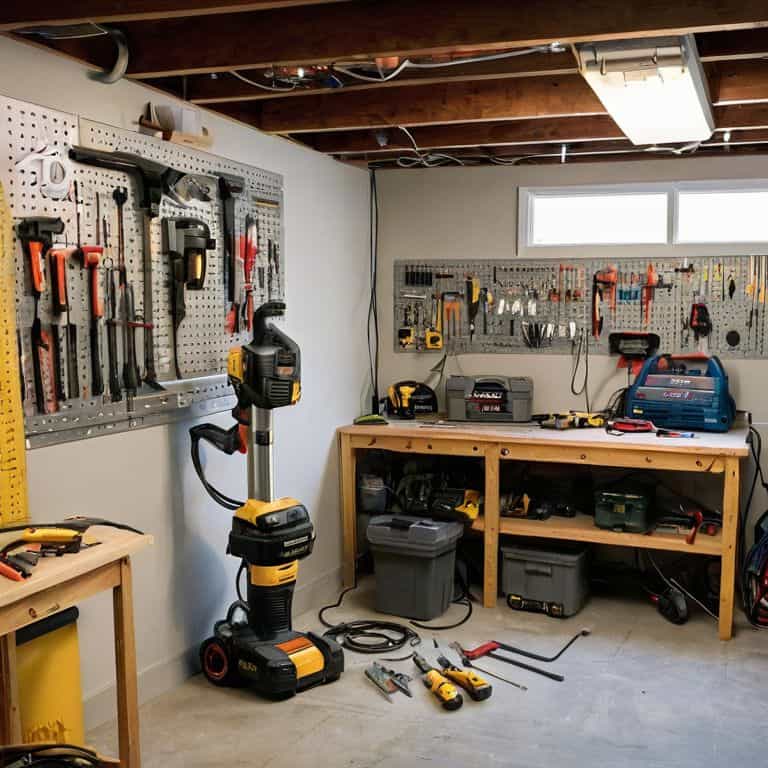
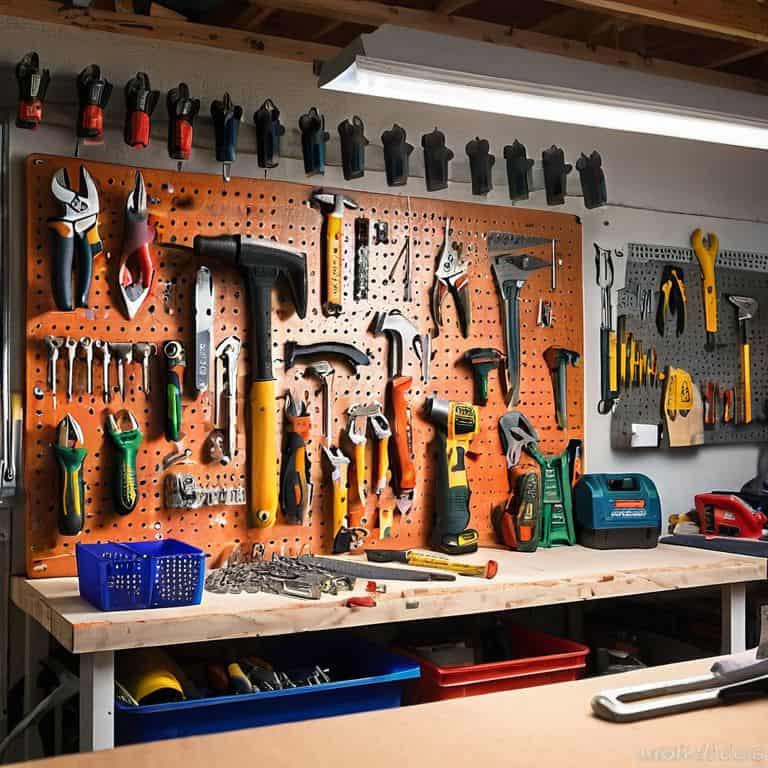
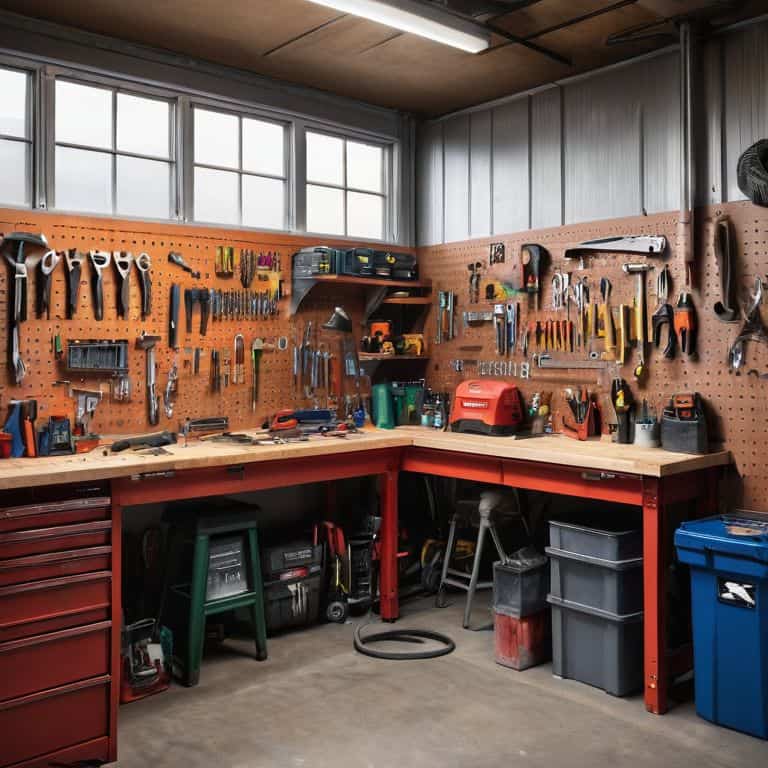
To keep my toolbox in check, I swear by a simple yet effective system. I’ve named each of my tools, from “Bertha” the ball-peen hammer to “Sparky” the spark plug gap gauge. It might sound quirky, but it helps me keep track of everything. I also use a combination of pegboards, drawers, and magnetic strips to keep each tool in its designated spot. This way, I can quickly find what I need, even in the midst of a complex project.
By organizing your toolbox like a pro, you’ll save time and reduce frustration. Plus, it’s a great feeling to know exactly where everything is, making you more efficient and effective in your garage endeavors. Trust me, it’s worth the effort to set up a system that works for you!
5 Tips to Turbocharge Your Mechanic's Toolbox
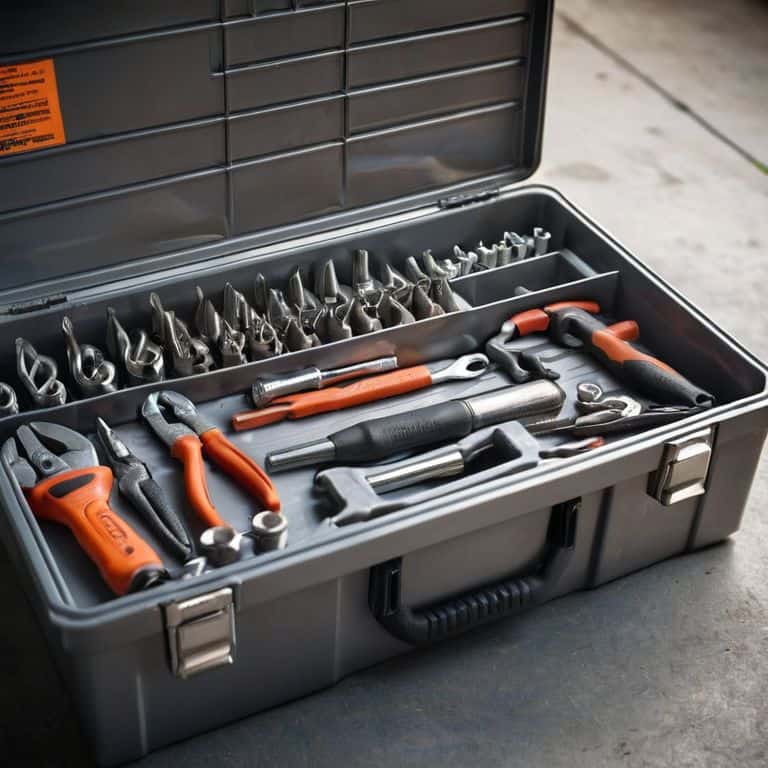
- Get to know your tools like old friends – I name mine, and it’s amazing how much more personal the projects feel
- Invest in a solid socket set, it’s the backbone of any serious mechanic’s arsenal, trust me, I’ve used mine to restore vintage bicycles
- Don’t be afraid to get creative with tool storage – I use an old pegboard in my garage, and it’s a game-changer for staying organized
- Quality over quantity is key – don’t skimp on the essentials, like a good wrench or pliers, they’ll pay for themselves in the long run
- Keep your toolbox mobile – a portable chest or cart can be a lifesaver when working on projects around the house or in the driveway, I use mine all the time
Key Takeaways for the Aspiring Garage Guru
Always remember that the right tools can make all the difference in transforming your garage into a haven of creativity and innovation – it’s not just about the tools, but about the stories and memories you create with them
A well-organized toolbox is not just a matter of efficiency, but also a reflection of your personality and approach to problem-solving – take the time to name and place each tool with care, just as I do with my trusty sidekicks, Bertha the wrench and Sammy the screwdriver
Whether you’re a seasoned mechanic or a DIY beginner, the true power of your garage lies not in the tools themselves, but in the imagination and ingenuity you bring to every project – so don’t be afraid to experiment, take risks, and turn your garage into a playground of endless possibility
Wisdom from the Garage
A guide to essential mechanic’s tools is not just a list of gadgets and gizmos, it’s a key to unlocking the secrets of your garage and unleashing your inner tinkerer – where the joy of creation meets the thrill of repair.
John Beeler
Conclusion: Unlocking Your Full Garage Potential
As we wrap up this guide to essential mechanic’s tools, let’s take a moment to reflect on the journey. We’ve covered the must-have tools for any DIY enthusiast, from basic car maintenance tools to the importance of organizing your mechanic’s toolbox like a pro. By following these steps and investing in quality tools, you’ll be well on your way to transforming your garage into a haven of creativity and innovation. Remember, it’s not just about the tools themselves, but about the sense of accomplishment and pride that comes with working on your own projects.
So, what’s the final verdict? Unleashing your inner garage guru is all about embracing a mindset of curiosity, experimentation, and fun. As you continue to grow your toolkit and tackle new projects, don’t be afraid to think outside the box, try new things, and learn from your mistakes. With the right tools and a willingness to get your hands dirty, the possibilities are endless, and I’m excited to see what you’ll create in your own garage playground.
Frequently Asked Questions
What are the most versatile mechanic's tools that can be used for a variety of tasks?
My go-to versatile tools are pliers, like my trusty sidekick ‘Grip’, and a good socket set – I’ve named each one, by the way. They can tackle everything from loosening tight spaces to gripping small parts, making them must-haves for any mechanic’s toolbox.
How do I know which tools are essential for my specific type of vehicle or project?
That’s a great question, my friend! For your specific ride or project, I recommend checking your owner’s manual or looking up the manufacturer’s recommended tool list. You can also consult with a fellow enthusiast or a pro mechanic, like me, to get the lowdown on the must-haves. Trust me, I’ve been there – my trusty sidekick, ‘Bertha’ the socket wrench, can attest to that!
What's the best way to store and maintain my mechanic's tools to ensure they last a long time?
I swear by my trusty toolbox, Bertha, and the secret to her longevity is simple: clean, dry storage and regular TLC. I keep my tools in a designated area, like my pegboard, and make sure to wipe them down after each use. It’s all about creating habits, just like my granddad taught me – a little maintenance goes a long way!