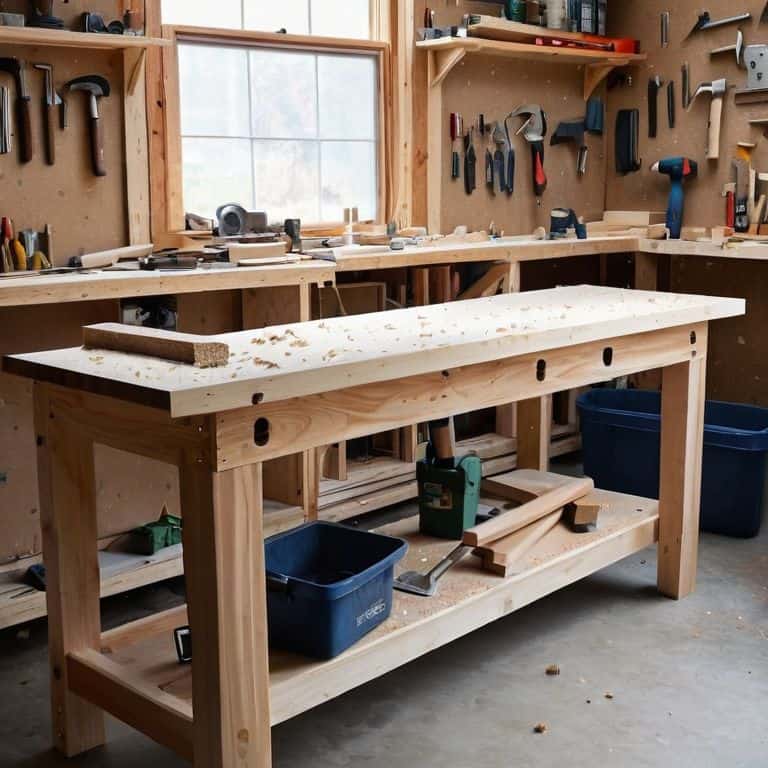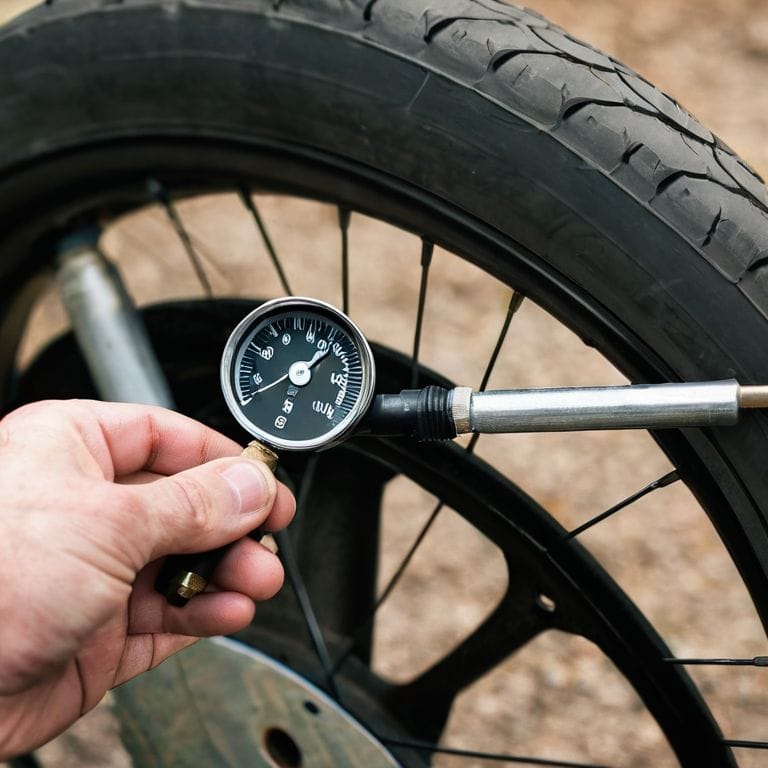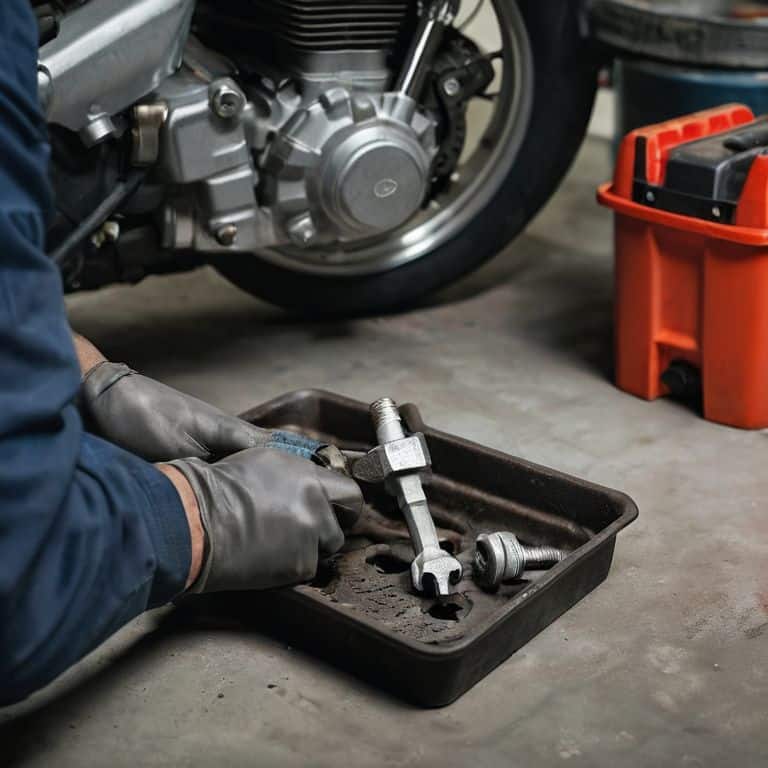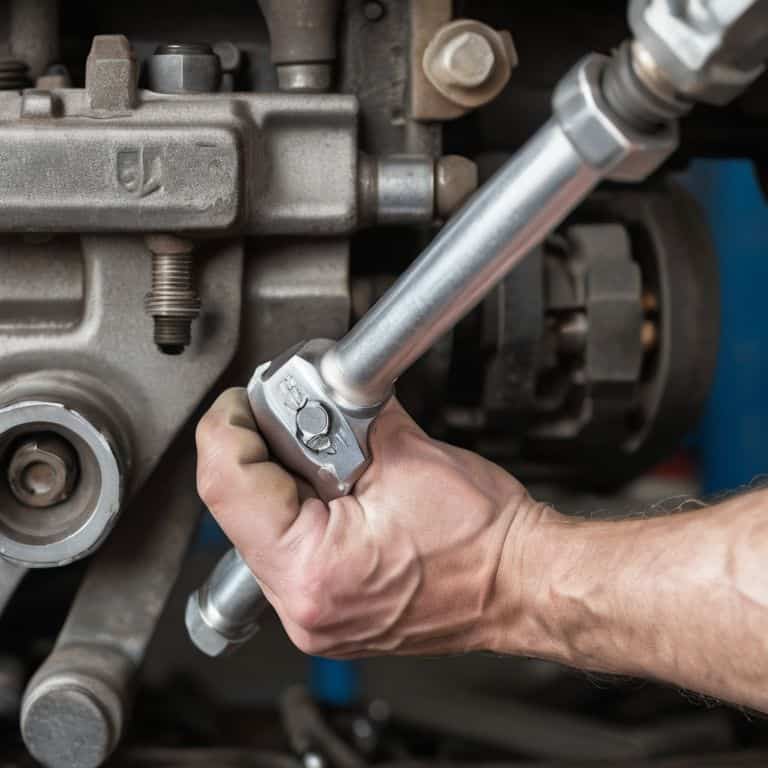
I still remember the first time I stripped a bolt on my vintage bicycle restoration project – it was a frustrating moment that made me realize why you need a good torque wrench. I had been using a regular wrench, thinking it was enough, but boy was I wrong. The sound of that bolt stripping still echoes in my mind, and it’s a mistake I never want to repeat. It’s amazing how often people overlook the importance of a good torque wrench, opting for cheaper alternatives or relying on guesswork. But trust me, it’s a tool that’ll make you wonder how you ever lived without it.
In this article, I promise to cut through the hype and give you the no-nonsense advice you need to understand the value of a good torque wrench. I’ll share my personal experiences, gained from years of working in my garage and restoring vintage bicycles, to explain why you need a good torque wrench in your toolkit. My goal is to empower you with practical knowledge, free from jargon and sales pitches, so you can make informed decisions about your own projects. Whether you’re a seasoned mechanic or a DIY enthusiast, I’ll provide you with the insights you need to take your work to the next level, one tool at a time.
Table of Contents
Wrenching With Wisdom
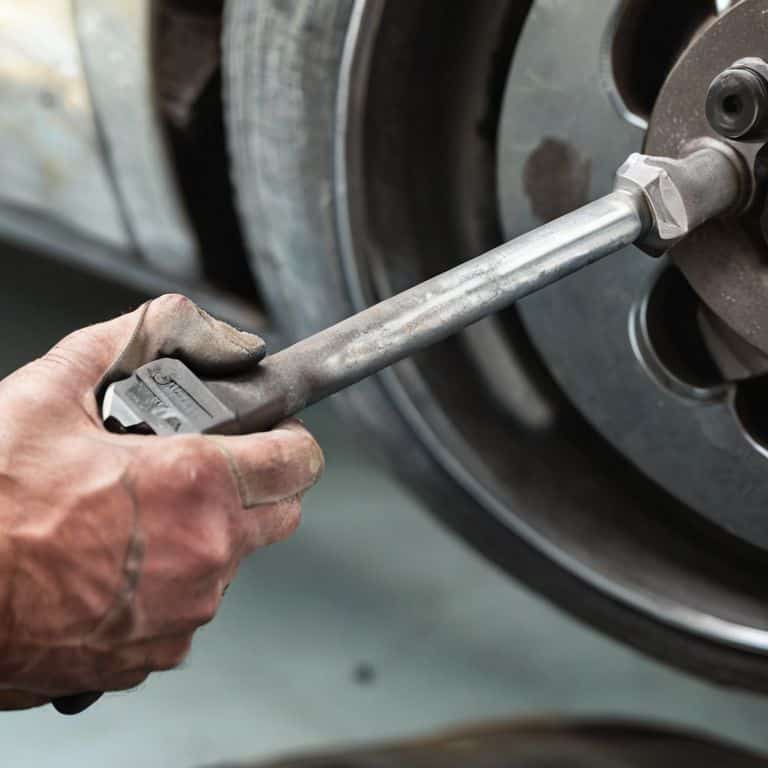
As I delve into the world of torque wrenches, I’m reminded of the importance of torque specification in ensuring that every bolt and nut is tightened to perfection. It’s a lesson I learned from my grandfather, who always said that a good mechanic is only as good as their tools. I’ve seen my fair share of common torque wrench mistakes, from over-tightening to under-tightening, and the consequences can be costly. That’s why I always stress the need for a reliable torque wrench that can help you get the job done with precision.
When it comes to choosing the right torque wrench, I believe that digital vs analog is a crucial consideration. As someone who’s worked with both, I can attest that digital torque wrenches offer a level of accuracy that’s hard to match with their analog counterparts. However, for beginners, I recommend starting with a simple analog torque wrench to get a feel for the tool and its limitations. It’s also essential to understand the torque wrench calibration process, as a poorly calibrated wrench can lead to more problems than it solves.
In my experience, a good torque wrench is an investment that pays for itself over time. Whether you’re into automotive repair or just like to tinker with your own vehicles, a trusty torque wrench is an indispensable tool that can save you from a world of trouble. I’ve named my own torque wrench “Tori” – yes, I name all my tools – and she’s been a faithful companion in my garage for years, helping me get the job done with ease and precision.
Common Torque Wrench Mistakes to Avoid
When working with torque wrenches, I’ve seen many DIYers and seasoned mechanics alike fall into common traps. One of the most prevalent mistakes is over-tightening, which can lead to stripped threads or damaged parts. It’s essential to follow the manufacturer’s specifications to avoid such errors.
To minimize risks, always ensure you’re using the correct socket size for the job. A mismatch can result in inaccurate torque readings, potentially causing more harm than good. By being mindful of these potential pitfalls, you can wrench with confidence and achieve professional-grade results in your garage.
Importance of Torque Specification
When it comes to working with a torque wrench, understanding the torque specification is crucial. This is where most beginners go wrong, as they often underestimate the importance of precision in their work. I’ve seen it time and time again in my garage, where a simple mistake can lead to costly repairs.
To avoid such mishaps, it’s essential to follow the manufacturer’s guidelines. This ensures that every bolt and nut is tightened to the perfect level, preventing damage to the material or the tool itself. By doing so, you’ll not only prolong the life of your equipment but also guarantee a safer working environment.
Why You Need a Good Torque Wrench
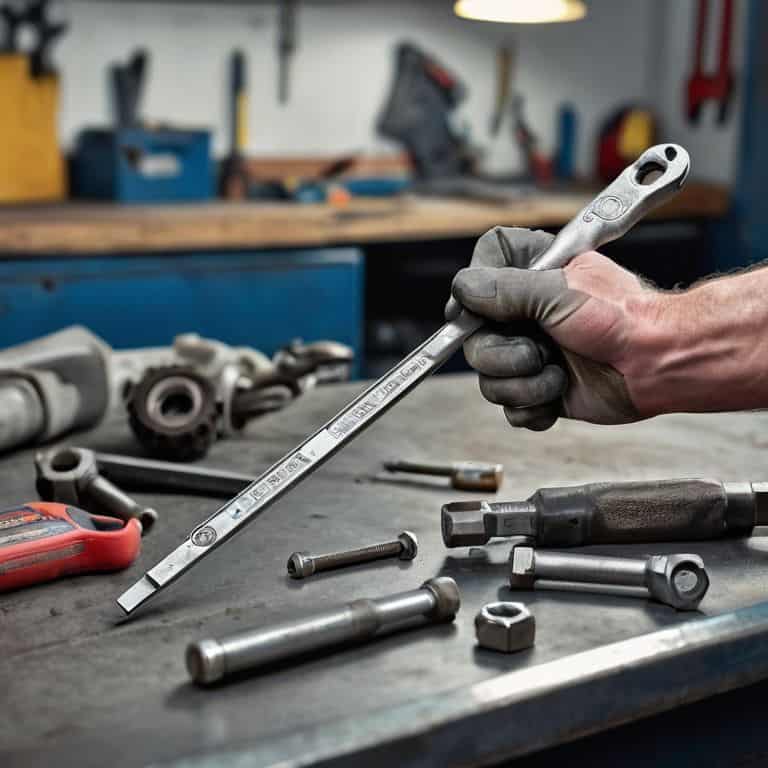
As I reflect on my years of experience as an automotive technician, I can confidently say that a good torque wrench is an essential tool for any garage. It’s not just about having the right tool for the job, but also about ensuring that every bolt and nut is tightened to the precise specification required. This is where the importance of torque specification comes into play, as it can mean the difference between a safe and successful repair, and a potentially disastrous one.
In my experience, one of the most common mistakes people make when using a torque wrench is not following the proper torque wrench calibration process. This can lead to inaccurate readings and, ultimately, a poorly secured bolt or nut. To avoid this, it’s crucial to regularly calibrate your torque wrench and follow the manufacturer’s guidelines. By doing so, you’ll be able to ensure that your repairs are done to the highest standard, and that your vehicle is safe to drive.
For those just starting out, I always recommend investing in the best torque wrench for beginners. This will provide a solid foundation for your toolkit and give you the confidence to tackle more complex repairs. Whether you opt for a digital vs analog torque wrench, the key is to find a tool that feels comfortable in your hand and provides accurate readings. With the right torque wrench by your side, you’ll be well on your way to becoming a skilled mechanic, and your garage will become a haven of creativity and innovation.
Calibration Process for Precision
When it comes to ensuring the accuracy of your torque wrench, the calibration process is crucial. I’ve seen many a DIY enthusiast and professional mechanic alike overlook this step, only to find their wrench slipping out of spec over time. It’s a simple process, really, but one that requires attention to detail and a commitment to precision.
To keep your torque wrench in top shape, I recommend regular calibration checks. This involves verifying the wrench’s accuracy against a known standard, making any necessary adjustments, and repeating the process at regular intervals to ensure consistency.
Digital vs Analog Torque Wrench Debacle
When it comes to choosing between digital and analog torque wrenches, the debate can get heated. I’ve seen folks swear by the precision of digital models, while others claim that analog wrenches provide a more tactile experience. As someone who’s worked with both, I can say that each has its own strengths and weaknesses.
In my experience, ease of use is a major factor in deciding between the two. Digital torque wrenches can be more straightforward, with clear displays and simple interfaces. However, analog wrenches often require a bit more finesse, which can be appealing to those who enjoy the hands-on aspect of working in the garage.
Torque Wrench Essentials: 5 Tips to Get You Turning
- Always refer to your vehicle’s manual for specific torque requirements to avoid damaging bolts or strips
- Invest in a torque wrench with a comfortable grip and adjustable settings for ease of use and versatility
- Regularly calibrate your torque wrench to ensure accuracy and prevent loose or over-tightened bolts
- Choose the right type of torque wrench for your needs – digital, analog, or a combination of both – depending on your project’s demands
- Keep your torque wrench clean, dry, and stored in a protective case when not in use to prolong its lifespan and maintain its precision
Key Takeaways for a Torque Wrench Rookie
I’ve learned that having a good torque wrench in my garage is not just about having the right tool, but about ensuring the safety and longevity of my projects, whether it’s restoring a vintage bike or working on a car
A trusty torque wrench helps me avoid common mistakes like over-tightening, which can lead to stripped threads or broken parts – and trust me, I’ve been there, done that, and got the t-shirt
Whether you’re a DIY enthusiast or a seasoned mechanic like myself, investing in a quality torque wrench, and understanding its proper use and calibration, can make all the difference in the world, and I’m excited to spread the word about this game-changing tool
The Torque Wrench Truth
A good torque wrench is not just a tool, it’s a promise to yourself and your vehicle that you’re committed to doing things right – it’s the difference between a garage that’s just a storage space and one that’s a playground for innovation and precision.
John Beeler
Putting it All Together: The Torque Wrench Advantage
As we’ve explored the world of torque wrenches, it’s clear that having a good one in your garage is not just a luxury, but a necessity. From understanding the importance of torque specification to avoiding common mistakes and debating the merits of digital vs analog models, the journey to finding the right torque wrench for your needs is an investment in your projects’ success. By grasping the calibration process for precision, you ensure that your work is not only efficient but also accurate, reflecting a level of professionalism and care in every bolt and nut you tighten.
In the end, a good torque wrench is more than just a tool – it’s your partner in the garage, your guarantor of quality, and your gateway to a world of unlimited creativity and innovation. So, don’t just see your garage as a storage space; see it as a playground where, with the right tools like a trusty torque wrench, you can bring any project to life with precision and passion. Remember, every perfectly tightened bolt is a testament to your skill and dedication, and with the right mindset and tools, there’s no project too big or too small for you to tackle.
Frequently Asked Questions
What are the consequences of over-torquing or under-torquing a bolt or nut?
Over-torquing can strip threads or damage parts, while under-torquing can lead to loose connections and potential failures – I’ve seen it happen to my vintage bike restorations! Proper torque specs are crucial to avoid these issues, that’s why I always stress the importance of using a trusty torque wrench, like my favorite, “Bertha”.
How often should I calibrate my torque wrench to ensure accuracy?
I calibrate my torque wrench every 6-12 months or after a drop, just to be safe. It’s like tuning up my vintage bike – regular check-ups keep everything running smoothly. Trust me, a quick calibration session will save you from costly mistakes down the road!
Can I use a torque wrench for all types of bolts and nuts, or are there specific limitations?
Not all bolts and nuts are created equal, my friend. While a torque wrench is super versatile, it’s not a one-size-fits-all solution. You gotta consider the size, material, and type of fastener. For example, delicate bolts or specialty nuts might require a more gentle touch or a specialized wrench. Always check your specs and choose the right tool for the job.