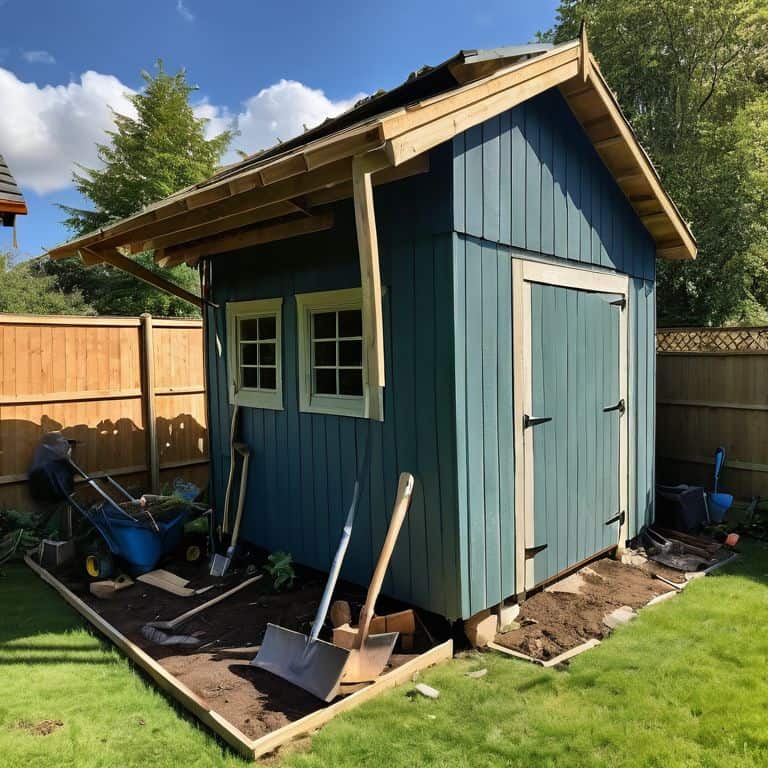
I still remember the day my parents decided to build a shed in our backyard, only to have it lean precariously to one side, like a wonky ship about to set sail. It was a comedy of errors, with my dad scratching his head, wondering what had gone wrong. As I’ve traveled the world, visiting flea markets and collecting postcards, I’ve seen my fair share of common shed building mistakes to avoid. It’s astonishing how a simple structure can become a complex puzzle, with mistakes lurking around every corner. From faulty foundations to poorly planned roofing, the pitfalls are numerous, and I’ve learned to recognize them.
As a travel blogger, I’ve had the privilege of meeting people from all walks of life, each with their own stories of shed-building woes. In this article, I’ll share my honest, no-hype advice on how to steer clear of these rookie mistakes. You can expect practical tips and real-life examples to help you build a sturdy shed that will withstand the test of time. Whether you’re a seasoned DIY enthusiast or a beginner, this guide will walk you through the process, highlighting the common shed building mistakes to avoid and providing you with the confidence to tackle your project with ease. So, let’s get started and build a shed that will make you proud!
Table of Contents
- Guide Overview: What You'll Need
- Step-by-Step Instructions
- Navigating Common Shed Building Mistakes to Avoid
- Mastering Diy Shed Building Foundation Design and Roofing Errors
- Uncovering Shed Construction Pitfalls and Code Violations
- Beyond the Fence: 5 Hidden Pitfalls to Watch Out for When Building Your Dream Shed
- Key Takeaways for a Successful Shed Building Experience
- Wisdom from the Road
- Beyond the Fence: A Successful Shed Building Journey
- Frequently Asked Questions
Guide Overview: What You'll Need
Total Time: 4 hours 30 minutes
Estimated Cost: $100 – $500
Difficulty Level: Intermediate
Tools Required
- Tape Measure for accurate measurements
- Level to ensure proper alignment
- Hammer for tapping pieces into place
- Carpenter Square for checking corners and edges
- Power Drill with screwdriver and drill bits
Supplies & Materials
- 2-in x 6-in lumber for framing
- 2-in x 4-in lumber for roofing support
- Plywood or Oriented Strand Board for flooring and walls
- Roofing Felt for weatherproofing
- Asphalt Shingles for roofing
- Exterior-Grade Screws for assembly
- Weatherproof Glue for sealing gaps and joints
- Paint or Stain for finishing and protecting the shed
Step-by-Step Instructions
- 1. First, plan your shed’s foundation carefully, taking into account the terrain and the type of shed you’re building. I’ve seen many a shed succumb to uneven ground, so make sure you’re laying the foundation on level terrain. This might involve hiring a professional or renting a laser level to ensure everything is perfectly aligned.
- 2. Next, measure twice, cut once is a mantra you should live by when it comes to cutting your lumber. There’s nothing worse than realizing you’ve made a mistake halfway through your project, only to have to start over with new, expensive materials. Take your time, and double-check those measurements to avoid any costly errors.
- 3. When it comes to assembling the frame, make sure you’re using the right type of screws and nails for the job. I’ve come across sheds that have been built with the wrong hardware, only to have them collapse under the weight of heavy snow or strong winds. It’s better to be safe than sorry, so invest in some high-quality fasteners.
- 4. After you’ve assembled the frame, it’s time to install the roof. This is where many people make the mistake of not leaving enough overhang, which can lead to water damage and a host of other problems. Make sure you’re leaving at least a foot of overhang on all sides to protect your shed from the elements.
- 5. Once the roof is on, it’s time to think about ventilation and lighting. Many sheds are built without proper ventilation, which can lead to mold and mildew growth. Install some windows or a skylight to let in some natural light and fresh air, and consider adding a vent or two to keep the air circulating.
- 6. When it comes to finishing the interior, don’t skimp on the details. Add some shelves, a workbench, and maybe even some electrical outlets to make your shed a functional and comfortable space. I’ve seen some amazing shed makeovers in my travels, and it’s all about paying attention to the little things.
- 7. Finally, add a coat of paint or stain to protect your shed from the elements and give it a bit of personality. I’ve collected postcards from all over the world, and some of the most charming sheds I’ve seen have been the ones with a bit of color and character. Don’t be afraid to get creative and add some unique touches to make your shed stand out.
Navigating Common Shed Building Mistakes to Avoid
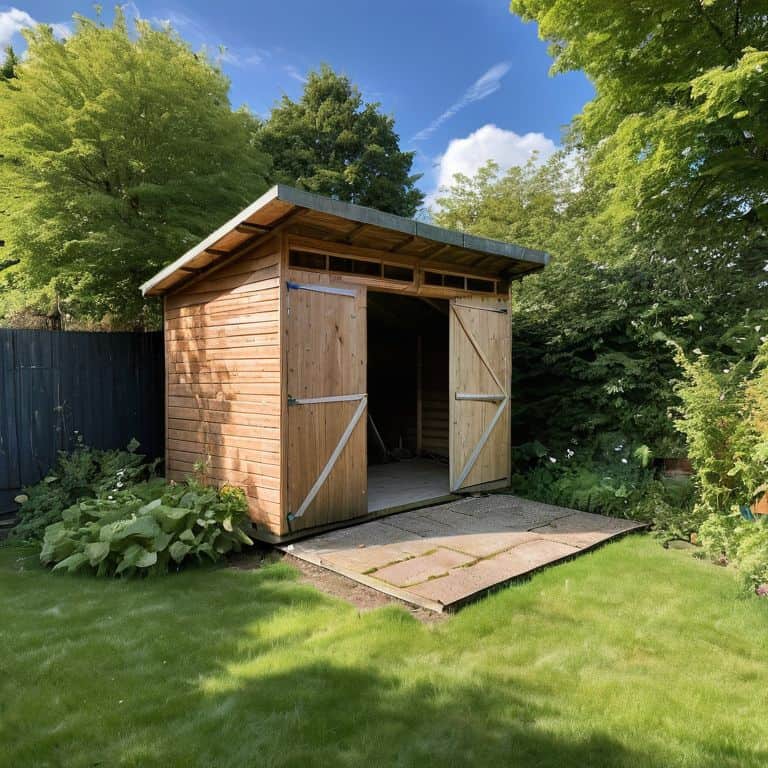
As I’ve navigated the world of DIY shed building, I’ve come across my fair share of shed construction pitfalls. One of the most crucial aspects to consider is the foundation design. A well-planned foundation is essential to ensuring the stability and durability of your shed. I’ve seen many a shed suffer from common mistakes in shed foundation design, which can lead to costly repairs down the line.
When it comes to avoiding shed building code violations, it’s essential to do your research and understand the local regulations. A simple mistake can result in fines or even the demolition of your shed. I’ve learned to always double-check the requirements before starting a project, and I recommend you do the same. By being mindful of these potential pitfalls, you can save yourself a lot of hassle and ensure a successful build.
In my experience, diy shed building tips and tricks can make all the difference in the world. One area where many DIY enthusiasts go wrong is with shed roofing errors to avoid. A poorly installed roof can lead to leaks, damage, and even structural issues. By taking the time to properly plan and execute your roofing design, you can avoid these common mistakes and enjoy a safe and functional shed for years to come.
Mastering Diy Shed Building Foundation Design and Roofing Errors
As I’ve discovered on my travels, a solid foundation is key to a sturdy shed. I recall a flea market find in rural France – a beautifully crafted wooden shed with a wonky base, rendering it almost useless. To avoid such mistakes, ensure your foundation is level and sturdy. A strong foundation will also help prevent roofing errors down the line. Speaking of roofing, I’ve seen my fair share of sagging roofs and misplaced shingles, often due to incorrect measurements or inadequate support.
When designing your shed’s roof, consider the climate and local building codes. I once collected a postcard from a quaint town in the Rockies, where steeply pitched roofs were a necessity to shed heavy snowfall. By taking the time to research and plan your foundation and roofing carefully, you’ll be well on your way to building a shed that will stand the test of time.
Uncovering Shed Construction Pitfalls and Code Violations
As I’ve delved into the world of shed building, I’ve discovered that even the most seasoned DIYers can fall prey to pitfalls that not only compromise the structure’s integrity but also lead to code violations. From faulty foundations to inadequate roofing, these mistakes can have serious consequences. I recall a particularly striking example from my travels – a charming little shed in a quaint village, whose owner had to dismantle the entire thing due to a misplaced corner post that didn’t meet local building codes.
My treasure hunting adventures at flea markets have also taught me to keep an eye out for telltale signs of shoddy workmanship, like uneven door frames or sagging beams. By being aware of these potential pitfalls, you can avoid costly repairs and ensure your shed stands the test of time.
Beyond the Fence: 5 Hidden Pitfalls to Watch Out for When Building Your Dream Shed
- Measuring Mayhem: Double-Check Your Dimensions to Avoid a Wonky Frame
- Foundation Faux Pas: Ensure Your Shed’s Base is Level and Sturdy to Prevent Costly Repairs
- Roofing Rookies: Choose the Right Materials and Design to Withstand the Elements
- Electrical Errors: Safety First – Avoid Overloading Your Shed’s Circuits and Keep Your Power Tools in Check
- Permit Problems: Don’t Get Caught Out – Familiarize Yourself with Local Building Codes and Regulations to Avoid a World of Trouble
Key Takeaways for a Successful Shed Building Experience
I’ve learned that avoiding common mistakes starts with a solid foundation, literally – ensuring your shed’s base is level and secure to prevent a wobbly structure that’s prone to damage
By watching out for rookie errors in roofing, such as insufficient slope or incorrect material usage, you can prevent leaks and ensure your shed remains durable and long-lasting
From my treasure hunting adventures at flea markets to exploring hidden gems around the world, I’ve realized that attention to detail and planning ahead are crucial in shed building, helping you steer clear of costly code violations and construction pitfalls
Wisdom from the Road
The greatest sheds are built not just with hammers and nails, but with the wisdom of knowing what mistakes to avoid – and it’s often the smallest oversight that can lead to the biggest adventure in repair!
Vera Kump
Beyond the Fence: A Successful Shed Building Journey
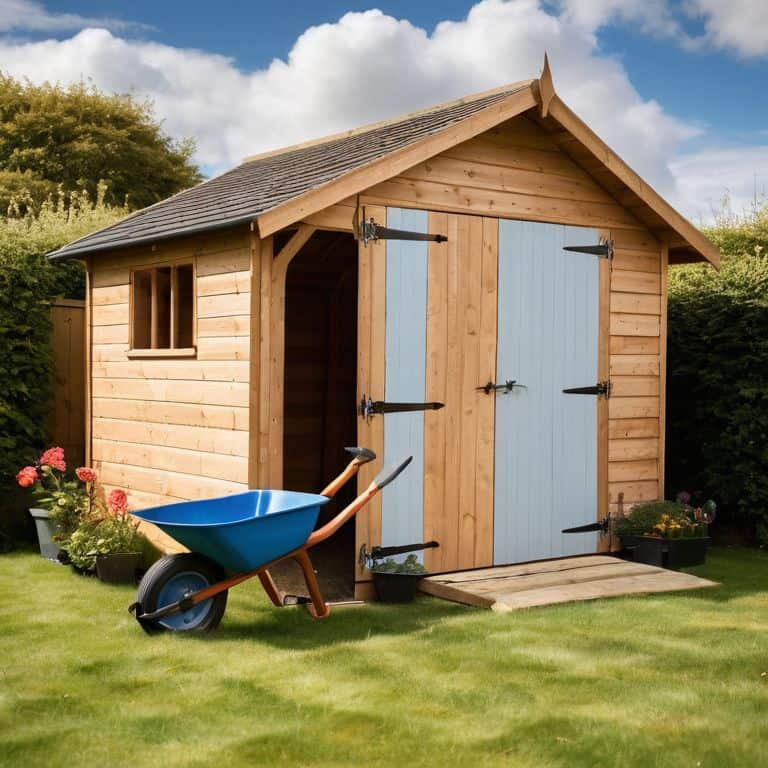
As I reflect on my journey to uncover the common shed building mistakes to avoid, I’m reminded that mastering the basics is crucial for a successful project outcome. From navigating foundation design and roofing errors to avoiding code violations, it’s clear that a little planning and research can go a long way. By taking the time to understand the potential pitfalls, you can ensure your shed building project is a breeze, rather than a breeze that turns into a hurricane. Whether you’re a seasoned DIY enthusiast or a beginner, remembering these key points will help you build a shed that’s not only functional but also a testament to your handyman skills.
So, as you embark on your own shed building adventure, remember that it’s okay to make mistakes. The most important thing is to learn from them and have fun along the way. With the right mindset and a bit of patience, you’ll be uncovering the hidden gems of DIY shed building in no time. And who knows, you might just discover a new passion that takes you on a journey beyond the fence, to a world of creation and exploration, where the only limit is your imagination.
Frequently Asked Questions
What are the most common mistakes to avoid when building a shed foundation?
I’ve seen my fair share of wobbly sheds on my travels, and a wonky foundation is often the culprit. To avoid this, make sure to level your ground properly, choose the right foundation type for your soil, and don’t skimp on the gravel base – trust me, it’s worth the extra effort to get it just right!
How can I ensure my shed's roofing design meets local building codes and regulations?
When it comes to roofing design, I’ve learned to always check with local authorities for specific regulations. A quick visit to your town’s building department or a call to a licensed contractor can save you from costly reworks. Plus, some areas have unique requirements, like wind-resistant roofing or specific materials, so it’s essential to do your homework before hammering those nails.
What are some common errors to watch out for when installing electrical or plumbing systems in a DIY shed build?
When it comes to electrical and plumbing systems in my DIY shed builds, I’ve learned to keep an eye out for incorrect wire sizing, inadequate grounding, and improper pipe sizing – all of which can lead to safety hazards and costly repairs down the line.