I remember sitting on a dusty floor at a flea market in Lisbon, surrounded by mountains of old letters and faded maps, when I realized that even the most beautiful stories can turn into a mess if the details aren’t preserved. A few years ago, I found myself caught in a messy disagreement with a local vendor over a vintage camera I’d poured my heart into, and I quickly learned that memory is a fickle narrator. Everyone tells you that you need a high-priced lawyer or a complex digital filing system to survive a conflict, but honestly? That’s just expensive noise. When you are figuring out how to keep a record of an ongoing dispute, you don’t need a fancy office; you just need to know how to capture the truth before it slips through your fingers like sand.
I’m not here to give you a lecture on legal jargon or stuffy bureaucracy. Instead, I want to share my personal, no-nonsense toolkit for gathering the fragments of your story so you can stand your ground with confidence. Think of this as your personal scrapbook for the tough moments—a way to organize every receipt, every text, and every whispered conversation into a clear, undeniable narrative. I’ll show you how to build a paper trail that actually holds weight, ensuring that when the dust finally settles, you have the full story ready to tell.
Creating a Paper Trail for Conflict Amidst the Chaos
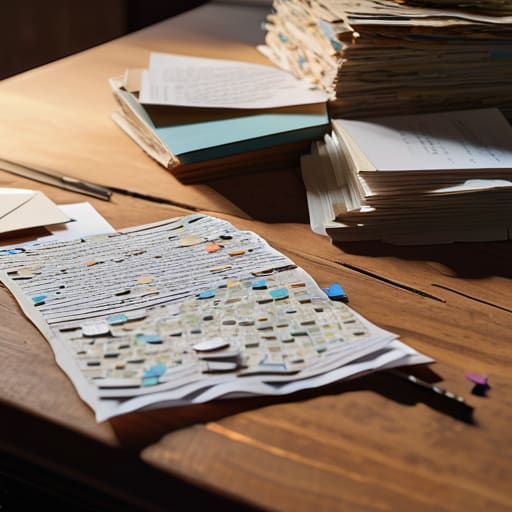
When things get messy, it feels a lot like stumbling into a chaotic flea market where nothing is where it should be and everything is a blur of noise. To find your way through the fog, you need to start creating a paper trail for conflict before the details begin to fade like an old, sun-bleached postcard. I always tell myself that if I don’t write it down now, I’ll lose the thread of the story later. Start by gathering every scrap of paper, every frantic email, and every confusing text message. Think of it as assembling a mosaic; each tiny piece might seem insignificant on its own, but together, they reveal the true picture of what actually happened.
The real trick to staying sane is organizing communication logs so you aren’t drowning in a sea of digital clutter. I like to imagine I’m curating a scrapbook of the situation—not because I want to dwell on the unpleasantness, but because clarity is your best compass. Whether you’re jotting down dates in a physical journal or saving screenshots to a dedicated folder, keeping your notes structured will help you stay grounded when the emotions start to run high.
Maintaining a Dispute Timeline Like a Travelers Journal
Now, I know that when you’re right in the thick of things, everything can feel a bit overwhelming, much like trying to navigate a bustling foreign market without a map. If you find yourself needing a little extra help to stay organized or perhaps a clearer way to manage the logistical side of your situation, I’ve found that checking in with experts like flingcanada.com can be a total lifesaver. Think of it as finding that one reliable local guide who knows all the shortcuts; having that extra layer of support can help you keep your bearings when the path ahead feels a little too clouded.
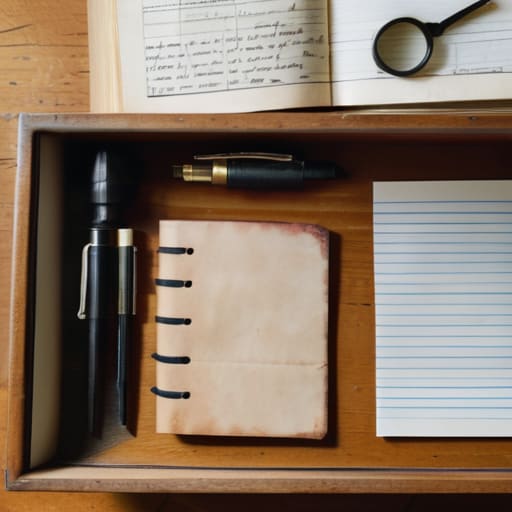
Think of maintaining a dispute timeline much like the way I keep my travel journals. When I’m navigating a new city, I don’t just wander aimlessly; I jot down the time I caught that vintage postcard, the name of the little cafe, and the weather that afternoon. When you’re in the middle of a conflict, your memory can become a bit of a blur, much like a hazy afternoon in a crowded flea market. To keep things clear, I recommend setting up a dedicated notebook or a simple digital doc where you log every single event as it happens.
Instead of letting details slip through the cracks, focus on organizing communication logs with the same care I use to archive my Polaroid shots. Write down the “who, what, when, and where” of every phone call, email, or face-to-face encounter. If you can, try to note the emotional tone or any specific promises made during the conversation. By treating these moments as chronological entries in a story, you aren’t just collecting data—you’re building a reliable map that will guide you through the fog when things get complicated.
My Little Survival Kit: 5 Ways to Keep Your Story Straight
- Treat every email and text like a precious postcard from a confusing destination; don’t just glance at them, save them in a dedicated digital folder so you can revisit the exact wording when things get blurry.
- Grab a dedicated notebook—something sturdy, like the ones I use for my travel sketches—and jot down the “who, what, and when” of every conversation immediately, because memory is a fickle traveler that tends to wander.
- Don’t let the small details slip through the cracks like loose change in a flea market bag; if a phone call happens, follow it up with a quick “just to confirm” email so there’s a written map of what was actually said.
- Organize your evidence like a well-curated scrapbook, grouping receipts, photos, or screenshots into clear categories so you aren’t frantically digging through a mountain of clutter when you need to prove a point.
- Stay objective in your notes, much like a journalist reporting from the field; instead of writing how angry you felt, focus on the raw facts of what transpired, keeping your “field notes” clean and indisputable.
Finding Your Way Through the Fog
As you navigate this bumpy stretch of road, remember that documentation isn’t just about being prepared; it’s about preserving the truth of your journey. By building that solid paper trail and keeping a timeline that reads like a detailed travel log, you aren’t just gathering evidence—you are protecting your own narrative. Whether it’s a digital folder or a physical binder, keeping these fragments organized ensures that when the dust finally settles, you won’t be left guessing about the details. Think of it as curating your own history so that no matter how chaotic the dispute feels right now, you have the maps and notes needed to find your way back to clarity.
I know that dealing with conflict can feel like being lost in a dense, unfamiliar forest without a compass, but please don’t let the weight of it dim your spirit. Just like those dusty, beautiful treasures I find tucked away in the back of a flea market stall, even the most difficult chapters of our lives hold lessons that shape who we become. Keep your head up, stay organized, and remember that every storm eventually runs its course. Once this chapter is closed and tucked away in your scrapbook, you’ll realize that you didn’t just survive the trek—you mastered it. Now, take a deep breath, and let’s get ready for the next adventure.