I still remember the first time I tried to strip paint from old furniture – it was like uncovering a treasure, and I’m excited to share my tips with you so you can give new life to your own vintage finds! The process of learning how to strip paint from old furniture can be daunting, but I’ve found that with the right techniques and a little patience, you can reveal the hidden beauty beneath. As someone who’s spent countless hours scouring flea markets for unique treasures, I’ve learned that it’s all about understanding the story behind each piece, and that includes the layers of paint that have built up over time.
As you read through this guide, I promise to share my honest, no-nonsense advice on how to strip paint from old furniture, from the best chemical-based products to use, to the techniques that will leave your vintage finds looking like new. My goal is to empower you with the knowledge and confidence to take on your own restoration projects, and to see the world of vintage furniture in a whole new light. Whether you’re a seasoned treasure hunter like myself, or just starting out, I’m excited to share my passion for uncovering the stories beneath the surface, and to help you bring your own unique treasures back to life.
Table of Contents
Guide Overview: What You'll Need
Total Time: 2 hours 30 minutes
Estimated Cost: $20 – $40
Difficulty Level: Intermediate
Tools Required
- Scrapers various sizes
- Steel Wool for fine scratching
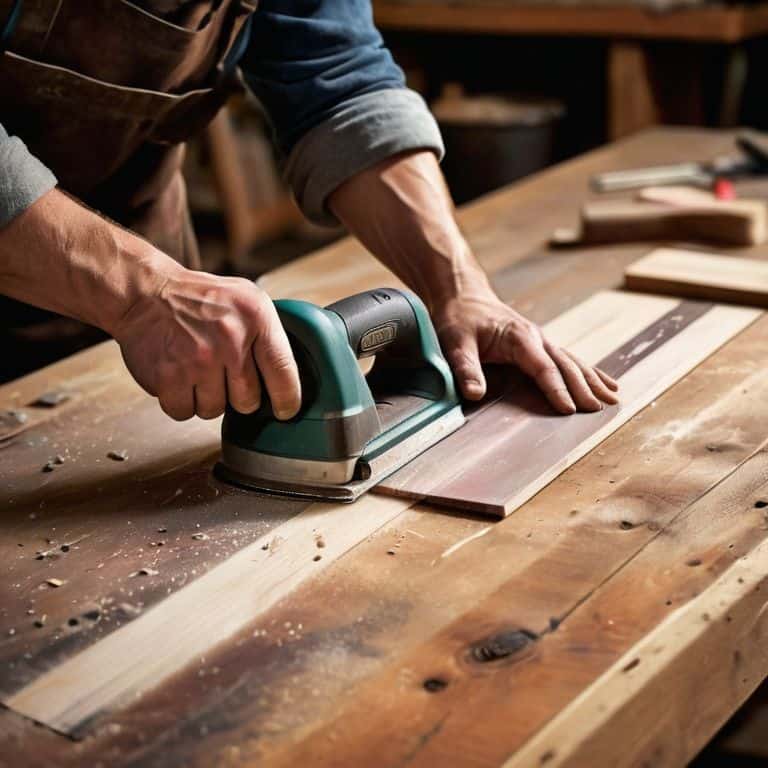
- Sandpaper for smoothing surfaces
- Heat Gun for loosening old paint
- Putty Knife for applying stripper
Supplies & Materials
- Paint Stripper chemical or non-chemical
- Drop Cloths for protecting floors
- Rubber Gloves for protecting hands
- Safety Goggles for protecting eyes
- Wood Filler for filling scratches or holes
Step-by-Step Instructions
- 1. First, gather your supplies, which should include a good quality paint stripper, gloves, safety goggles, a scraper or putty knife, and some rags. I like to think of this step as preparing for a treasure hunt, where the treasure is the beautiful, original surface of the furniture. Make sure you’re in a well-ventilated area, and consider covering your work surface with newspaper or a drop cloth to avoid any mess.
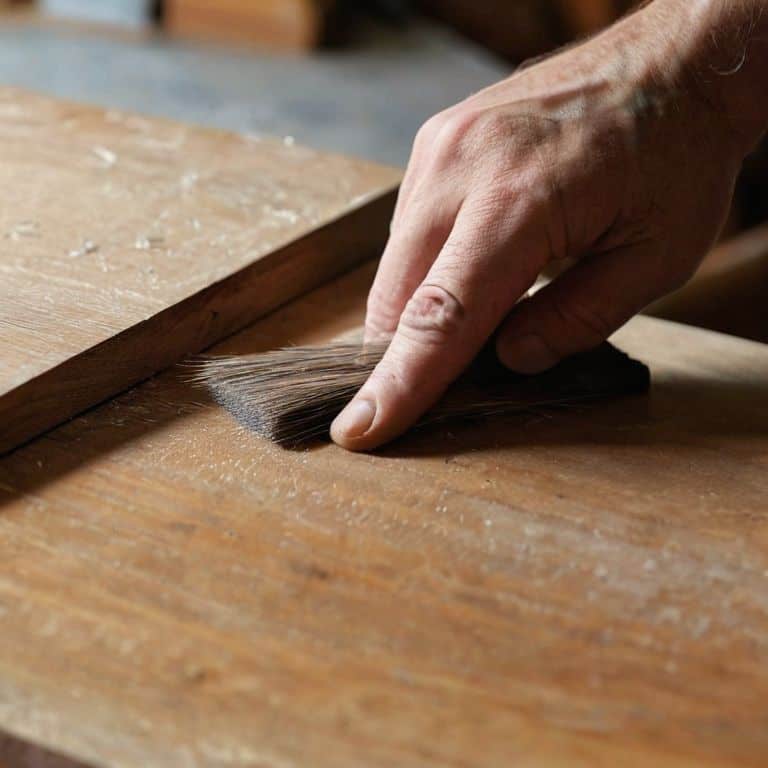
- 2. Next, apply the paint stripper to the surface of the furniture, following the instructions on the label for the recommended amount and any specific application guidelines. I’ve found that using a brush to apply the stripper can help you get into the nooks and crannies of intricate pieces. Let it sit for the specified amount of time, which can range from a few minutes to an hour, depending on the product and the type of paint.
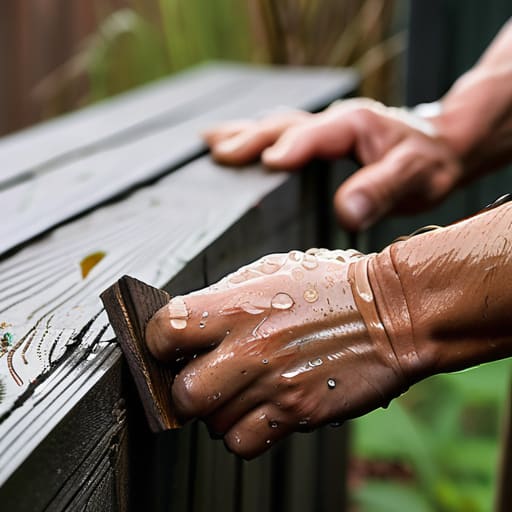
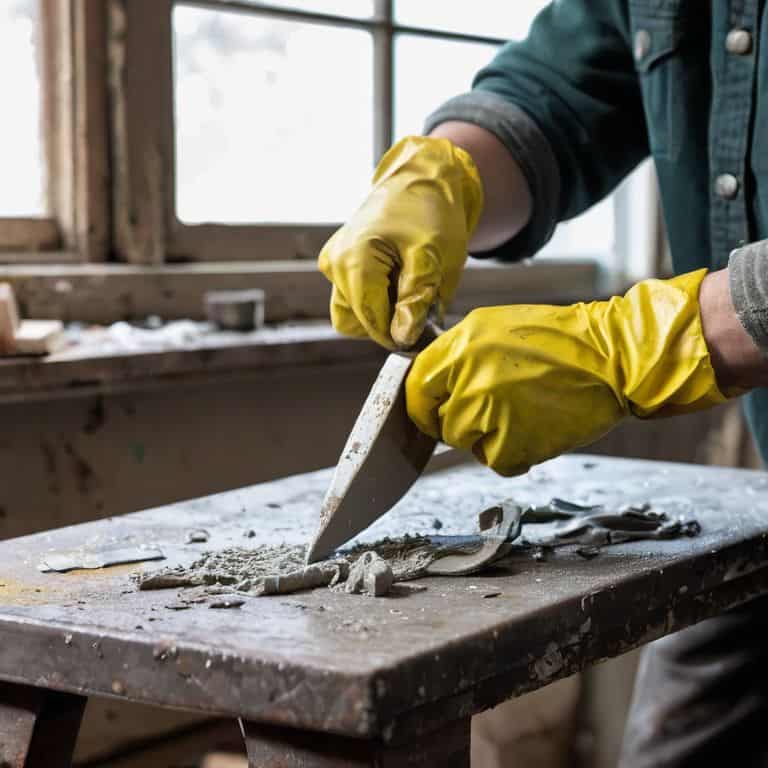
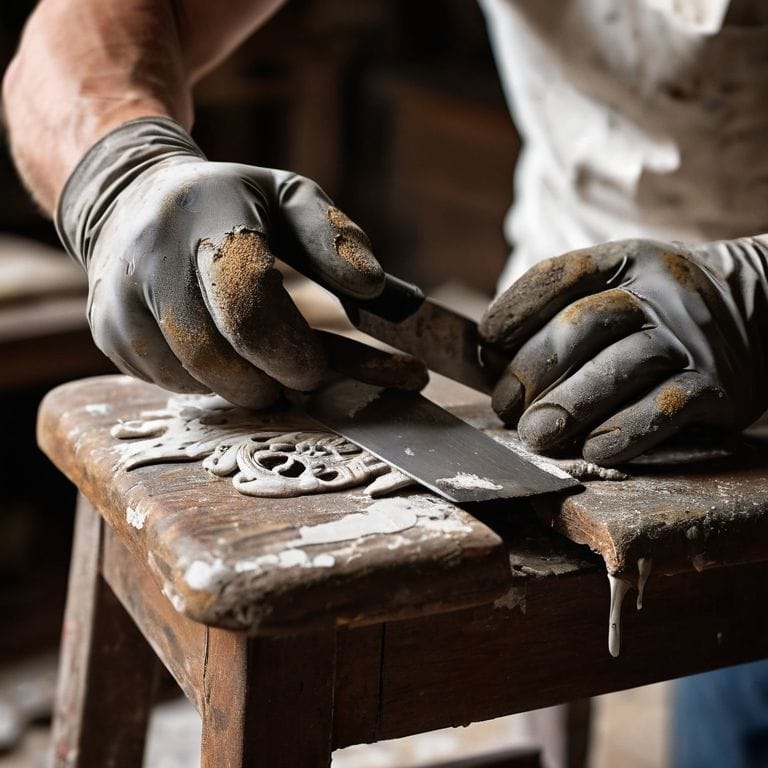
- 3. After the stripper has done its job, use your scraper or putty knife to gently scrape off the loosened paint. Start with gentle strokes and gradually increase the pressure as needed. Be careful not to gouge the surface of the furniture. I remember the first time I did this; it was like uncovering a layer of history, and the sense of satisfaction was immense.
- 4. Once you’ve removed as much of the old paint as possible, use rags and solvent to wipe down the surface, removing any remaining paint residue and stripper. This step is crucial for preparing the surface for any further restoration work, like staining or sealing. It’s also a good time to inspect the piece for any additional repairs that might be needed.
- 5. If there are any stubborn areas where the paint doesn’t want to budge, you might need to repeat the stripping process. Be patient, as this can sometimes take a few attempts to get right. Remember, the goal is to restore the piece to its original beauty, not to rush through the process.
- 6. With the old paint completely removed, take a moment to inspect and clean the surface thoroughly. Use a vacuum or a damp cloth to remove any dust or debris that might have accumulated during the stripping process. This is also a good time to consider any repairs, like filling in dents or holes, before moving on to the next steps in your restoration project.
- 7. Finally, apply a finish to protect the newly exposed surface. This could be a stain, a sealant, or even a new coat of paint, depending on the look you’re aiming for. I find this step to be the most rewarding, as it’s where you get to see your hard work pay off and the piece transform into something truly special. Always follow the manufacturer’s instructions for application and drying times to ensure the best results.
Unveiling Hidden Gems
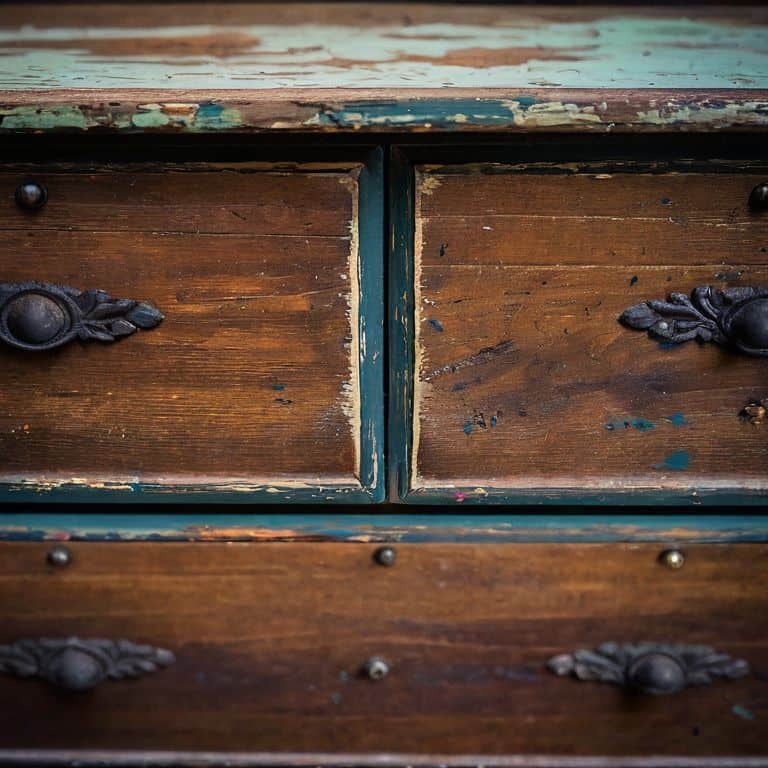
As I delve into the world of furniture restoration, I’ve come to realize that furniture refinishing techniques are not just about stripping paint, but about uncovering the hidden stories behind each piece. I recall a vintage dresser I found at a flea market, its surface worn and faded, but with a beautiful wood grain pattern waiting to be revealed. With the right paint removal safety precautions, I was able to gently strip away the old paint and expose the dresser’s original charm.
When it comes to preparing the wood surface for refinishing, I’ve learned that it’s all about patience and attention to detail. Using the right furniture restoration tools can make all the difference in achieving a smooth, even finish. I’ve also been experimenting with eco-friendly paint stripping alternatives, which not only reduce the environmental impact but also provide a safer working experience.
As I continue to explore the world of furniture restoration, I’m constantly reminded of the importance of antique furniture preservation tips. It’s not just about restoring a piece to its former glory, but also about preserving its history and character. By using gentle wood surface preparation methods and taking the time to research the piece’s origins, I can ensure that each item is treated with the care and respect it deserves, and that its story is preserved for generations to come.
Eco Friendly Paint Stripping Alternatives
As I delve deeper into the world of furniture refinishing, I’m always on the lookout for methods that not only bring out the beauty in old pieces but also do so with a conscience. I’ve discovered some fantastic eco-friendly paint stripping alternatives that are a game-changer for those of us who want to reduce our environmental footprint. From using natural solvents like citrus-based strippers to employing DIY methods involving baking soda and water, there are plenty of innovative ways to strip paint without resorting to harsh chemicals.
These alternatives not only help preserve the integrity of the furniture but also ensure a safer working environment for us treasure hunters. I’ve had great success with these methods, and I’m excited to share them with you, so you can join me in uncovering the hidden gems of the past while also doing our part for the planet.
Furniture Refinishing Secrets Revealed
As I delve deeper into the world of furniture refinishing, I’ve discovered that it’s not just about stripping away the old, but also about uncovering the hidden stories beneath. I recall finding an antique armchair at a flea market, its surface worn and faded, but as I stripped away the layers, I found a beautifully crafted wooden frame, adorned with intricate carvings. It was like uncovering a treasure, and I couldn’t wait to give it a new life. By refinishing old furniture, we’re not only preserving its history, but also infusing it with our own unique story.
I’ve learned that the key to successful refinishing lies in the details – the careful sanding, the precise staining, and the patience to let each layer dry. It’s a process that requires dedication, but the end result is well worth it. As I continue to explore the world of furniture refinishing, I’m excited to share my secrets with you, from the best techniques for stripping paint to the perfect finishes for enhancing the natural beauty of the wood.
Treasured Techniques: 5 Essential Tips for Stripping Paint from Old Furniture
- Start with the right tools: I always carry a variety of scrapers, sandpaper, and my favorite paint stripper in my treasure hunting kit to tackle any furniture find
- Prepare for the unknown: before stripping paint, inspect the piece for any underlying damage or unique characteristics that could impact the process, just like uncovering a hidden story on a vintage postcard
- Choose your stripper wisely: consider the type of paint and the material of the furniture when selecting a paint stripper, and don’t be afraid to experiment with eco-friendly alternatives
- Safety first: always wear protective gloves, goggles, and a mask when working with paint strippers, and make sure you’re in a well-ventilated area to avoid any, ahem, ‘treacherous’ fumes
- Be patient and gentle: stripping paint can be a tedious process, but taking your time and working carefully will help you avoid damaging the underlying material and reveal the true beauty of your vintage find, just like slowly unveiling the story behind a treasured postcard
Treasured Tips to Take Away
I’ve learned that stripping paint from old furniture is not just about removing layers, but about uncovering the stories and history beneath, and with the right techniques, you can preserve the integrity of the piece while giving it new life
By embracing eco-friendly paint stripping alternatives, such as using natural solvents or sanding, you can not only refinish your vintage finds but also contribute to a more sustainable approach to furniture restoration, which is a crucial aspect of responsible treasure hunting
Whether you’re a seasoned treasure hunter like myself or just starting to explore the world of vintage furniture refinishing, remembering to always inspect the piece carefully before starting the paint stripping process, to look for any signs of damage or previous repairs, is key to achieving a professional-looking finish and ensuring the piece remains a treasured gem for years to come
Uncovering the Beauty Within
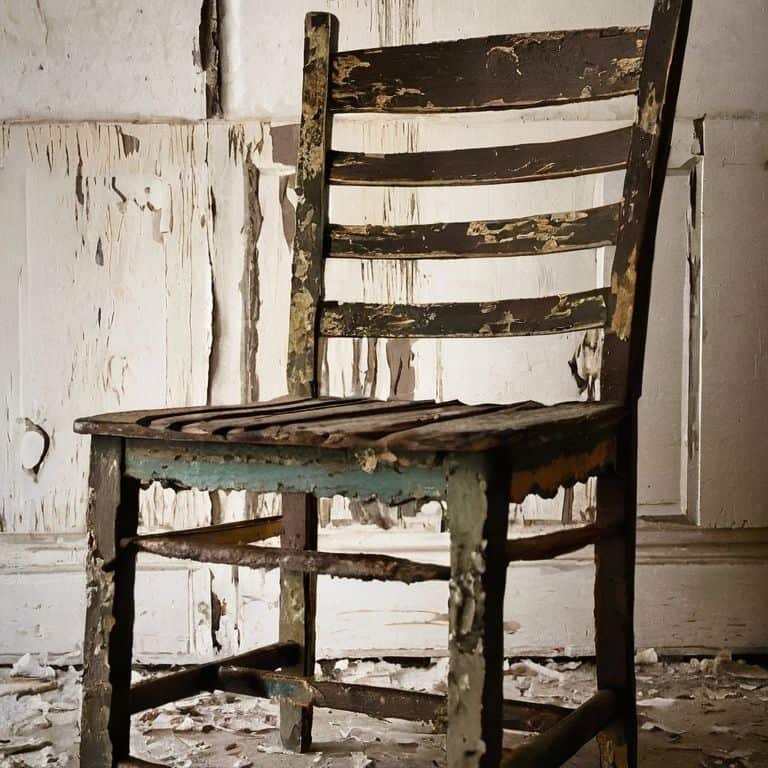
As I scrape away the layers of old paint, I’m not just revealing the wood beneath, I’m uncovering the stories of those who came before us, and the memories that linger in every groove and grain.
Vera Kump
Uncovering the Beauty Within
As I reflect on our journey through the world of paint stripping and furniture refinishing, I’m reminded of the transformative power of uncovering hidden gems. From the initial steps of preparation to the final reveal, each piece of furniture has a story to tell, and it’s up to us to uncover it. We’ve explored various techniques, including eco-friendly alternatives, and delved into the secrets of furniture refinishing. Whether you’re a seasoned treasure hunter or a beginner, the process of stripping paint from old furniture is a rewarding experience that allows you to connect with the past while creating something truly unique.
As you embark on your own furniture refinishing adventures, remember that the true beauty lies not just in the end result, but in the journey itself. Don’t be afraid to get creative, experiment with new techniques, and uncover the stories that lie beneath the surface. With each piece you restore, you’re not only giving new life to a forgotten treasure, but also becoming a part of its history. So, go ahead, grab your scraper, and start uncovering the beauty within – you never know what hidden gems you might discover.
Frequently Asked Questions
What are the safest methods for stripping paint from antique furniture without damaging the original finish?
When it comes to antique furniture, I always opt for gentle methods to preserve the original finish. I swear by using natural solvents like vinegar or citrus-based strippers, which are not only eco-friendly but also gentle on the wood. Another technique I love is steam stripping – it’s like a spa day for old furniture, and it helps loosen the paint without damaging the surface.
How can I determine the type of paint used on an old piece of furniture to choose the best stripping approach?
When I’m on a treasure hunt at flea markets, I always wonder about the stories behind each piece. To determine the type of paint, I gently scrape a small area with a credit card or my fingernail – if it’s latex, it’ll flake off easily, while oil-based paint will be more stubborn.
Are there any eco-friendly paint stripping alternatives that are as effective as chemical-based products?
I’m so glad you asked about eco-friendly alternatives – I’ve discovered some amazing options on my travels, like using heat guns or infrared paint strippers, which are not only better for the environment but also for our health, and I just can’t wait to share more about them in my next postcard story.