As I stood in my grandparents’ backyard, watching them build a shed from scratch, I learned that a solid foundation is the secret to making it stand the test of time – and I’m excited to share those tips with you, so you can create your own cozy haven! I’ve always been fascinated by the process of how to build a shed foundation, and over the years, I’ve collected numerous postcards from friends and family who have tackled this project, each with their own unique story to tell. From quirky garden sheds to sturdy storage units, the common thread among them is a well-planned foundation.
In this article, I promise to guide you through the practical steps of building a shed foundation, ditching the jargon and focusing on honest, no-hype advice. You’ll learn how to assess your yard, choose the right materials, and construct a foundation that will support your shed for years to come. Whether you’re a seasoned DIY enthusiast or a beginner, my goal is to empower you with the knowledge and confidence to tackle this project and create a beautiful, functional space that reflects your personality. So, let’s get started on this journey to build a shed foundation that will become the cornerstone of your outdoor sanctuary!
Table of Contents
Guide Overview: What You'll Need
Total Time: 4 hours 30 minutes
Estimated Cost: $100 – $300
Difficulty Level: Intermediate
Tools Required
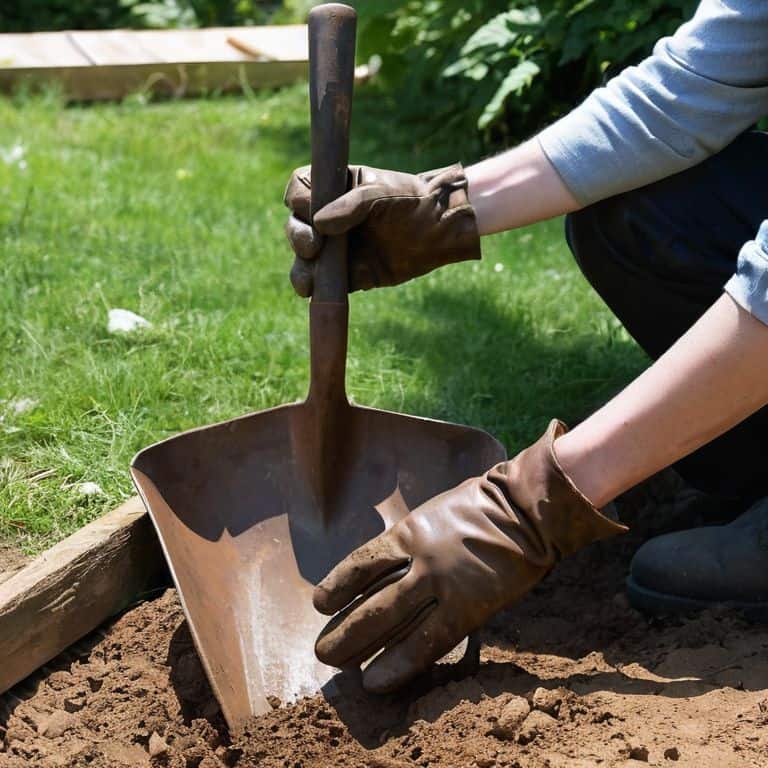
- Shovel (for digging)
- Tamping tool (for compacting gravel)
- Level (to ensure foundation is level)
- Tape measure (for measuring and marking lumber)
- Circular saw (for cutting lumber)
- Drill (for drilling holes for anchor bolts)
- Wrench (for tightening anchor bolts)
Supplies & Materials
- 2-in x 6-in lumber (for foundation frame)
- Gravel (for base layer)
- Concrete mix (for footings)
- Anchor bolts (for securing shed to foundation)
- Weather-resistant wood screws (for assembling foundation frame)
- Wood glue (for reinforcing joints)
Step-by-Step Instructions
- 1. First, prepare the site by clearing the area where you plan to build your shed foundation. This involves removing any debris, trees, or other obstacles that could interfere with your construction process. I remember my grandparents doing this when they built their shed, and it was amazing to see how a little preparation could make a huge difference in the outcome.
- 2. Next, mark out the area where your shed will sit, using stakes and string to define the perimeter. Make sure to check the local building codes and regulations to ensure your shed is compliant. I’ve learned that it’s always better to be safe than sorry, and taking this step can save you a lot of hassle down the line.
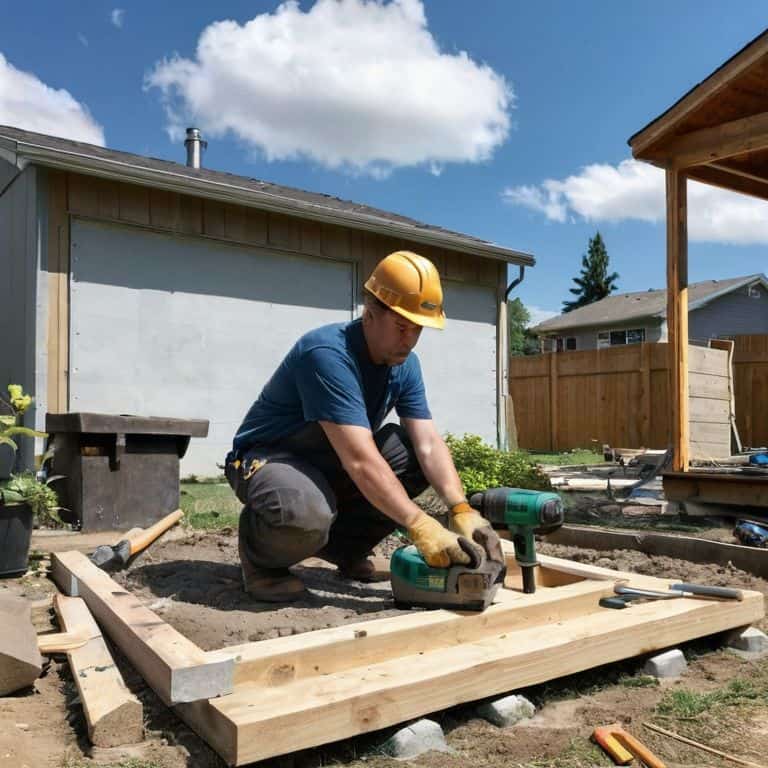
- 3. Now, it’s time to lay the groundwork for your foundation. This involves digging a shallow hole for the foundation, about 4-6 inches deep, depending on the type of foundation you’re building. I find that using a shovel and a level can help you achieve a smooth, even surface.
- 4. After that, install the foundation material, which could be a concrete slab, a wooden platform, or a gravel base, depending on your preference and the type of shed you’re building. I’ve found that a gravel base is a great option for drainage and stability, but it’s essential to choose the right material for your specific needs.
- 5. The fifth step is to compact the foundation material to create a solid base for your shed. This can be done using a hand tamper or a plate compactor, depending on the size of your foundation. I’ve learned that compacting the material is crucial to preventing settling or shifting over time.
- 6. Next, install the footing, which provides a solid base for the walls of your shed. This typically involves laying down a concrete footing or a wooden beam, depending on the design of your shed. I’ve found that using a laser level can help you ensure the footing is perfectly level and plumb.
- 7. Finally, finish the foundation by adding any final touches, such as a layer of sand or a concrete sealant. This will help protect your foundation from the elements and ensure it lasts for years to come. I’ve learned that taking the time to finish the foundation properly can make all the difference in the overall quality of your shed.
Discovering Shed Foundations
As I reflect on my journey to building a shed, I realize that preparing a shed site is just as crucial as the construction process itself. It’s essential to assess the land, taking into account any uneven terrain or drainage issues that may affect the shed’s foundation. I’ve learned that building a shed on uneven ground can be challenging, but with the right techniques and materials, it’s definitely possible.
One of the most significant factors to consider is shed foundation drainage solutions. A well-designed drainage system can prevent water from accumulating around the shed, reducing the risk of damage and prolonging its lifespan. I’ve seen firsthand how a simple drainage solution can make a significant difference in the overall structure’s integrity.
When it comes to the actual foundation, there are various shed foundation types to choose from, each with its own unique characteristics and benefits. From concrete slabs to gravel bases, the options can be overwhelming. However, by considering factors such as budget and terrain, you can make an informed decision that suits your needs. A shed foundation cost estimate can also help you plan and prepare for the project, ensuring that you stay within your means.
Building on Uneven Ground Secrets
As I ventured into the world of shed building, I encountered a common challenge: uneven ground. It’s amazing how often this hurdle can make or break a project. I recall a particularly tricky build on a slope, where my grandparents’ clever solution involved grading the land and using adjustable footings. It was a eureka moment for me, realizing that with the right techniques, any terrain can be transformed into a stable foundation.
I’ve since gathered a treasure trove of tips and tricks for tackling uneven ground, from using shim packs to creating a level base with compacted gravel. These secrets have become indispensable in my own building adventures, allowing me to turn even the most unlikely plots into thriving spaces.
Uncovering Shed Foundation Types
As I delved deeper into the world of shed foundations, I discovered a treasure trove of options, each with its unique character and advantages. From the simplicity of a gravel base to the sturdiness of a concrete slab, every type of foundation tells a story of its own. I recall browsing through a flea market and stumbling upon an old postcard featuring a quaint shed perched on a wooden platform, inspiring me to explore the realm of elevated foundations.
My curiosity led me to explore other types, such as screw-in foundations and eco-friendly options, each with its own set of benefits and challenges. With every new discovery, my polaroid camera snapped a mental picture, and my mind began weaving a narrative around the diverse world of shed foundations, eager to share these stories with fellow adventurers and shed enthusiasts.
Laying the Groundwork: 5 Essential Tips for Building a Shed Foundation
- Start by assessing the land: Before you begin building, take the time to evaluate the terrain and ensure it’s level and stable, just like my grandparents taught me in their backyard
- Choose the right materials: From concrete to gravel, selecting the appropriate foundation materials can make all the difference in the longevity and durability of your shed, and I’ve seen some amazing examples at flea markets
- Consider the shed’s purpose: Think about how you plan to use your shed – will it be for storage, a workshop, or a cozy reading nook? This will help you determine the best foundation type, and I’ve got a great postcard from a quaint little shed-turned-library that inspired me
- Don’t forget about drainage: Proper drainage is crucial to preventing water damage and erosion, so make sure to include a plan for it in your foundation design, and I’ve learned this from my own experiences with rainy days at the coast
- Get creative with your foundation design: Don’t be afraid to think outside the box and add some personal touches to your shed’s foundation – it’s a great opportunity to make your shed truly unique, just like the stories I collect from my travels
My Top 3 Takeaways for Building a Shed Foundation
Always remember that a solid foundation is the secret to a shed that stands the test of time, just like my grandparents’ cozy haven in their backyard
Choosing the right type of shed foundation for your terrain is crucial – whether it’s a concrete slab, a pier-and-beam foundation, or something else, make sure you’ve done your research and picked the best fit for your land
Even if you’re building on uneven ground, don’t be discouraged – with the right techniques and a bit of patience, you can still create a sturdy and level foundation that will make your shed a charming addition to your outdoor space
Laying the Groundwork for Dreams
A shed foundation is more than just a base – it’s the starting point of a story, where every brick and every beam comes together to create a space that’s not just functional, but a reflection of the dreams and stories of those who build it.
Vera Kump
Building a Lasting Legacy
As I reflect on our journey to build a shed foundation, I’m reminded of the importance of a solid base. From uncovering the different types of shed foundations to learning the secrets of building on uneven ground, we’ve covered it all. I hope that through this guide, you’ve gained the confidence to tackle your own shed-building project and create a space that tells a story. Whether you’re a seasoned DIY enthusiast or a beginner, remember that every step counts, and with patience and dedication, you can achieve your vision.
As you embark on your shed-building adventure, I want to leave you with a final thought: the journey is just as important as the destination. Don’t be afraid to get creative, to experiment, and to make mistakes. For it’s in those moments of uncertainty that we discover our greatest hidden strengths. So go ahead, grab your toolbox, and start building a shed that will stand the test of time – and tell a story that will be passed down for generations to come.
Frequently Asked Questions
What are the most common mistakes to avoid when building a shed foundation?
As I’ve learned from my own shed-building adventures, some of the most common mistakes to avoid include not checking for underground utilities, failing to level the ground properly, and neglecting to consider drainage – all of which can lead to a wobbly or even collapsed shed, and trust me, you don’t want that!
How do I determine the best type of shed foundation for my specific yard and climate?
For me, determining the best shed foundation is all about considering the unique character of your yard and climate. I think about the soil type, slope, and weather patterns – like how my grandparents adapted their shed foundation to our coastal town’s sandy soil and salty air. What’s your yard’s story?
What are some creative ways to finish or decorate a shed foundation to make it more visually appealing?
I just love adding a personal touch to a shed foundation – it’s like the icing on the cake! Consider adding a decorative border, a splash of color with outdoor paint, or even embedding seashells or small rocks for a whimsical feel. You could also add some greenery, like a living wall or a trellis, to bring in a natural element and make it a charming outdoor oasis.