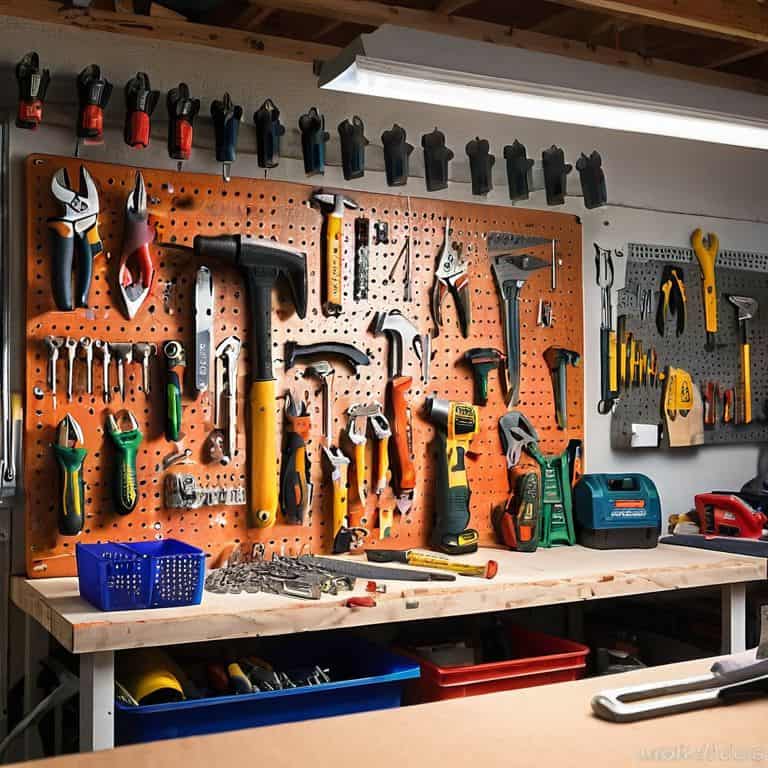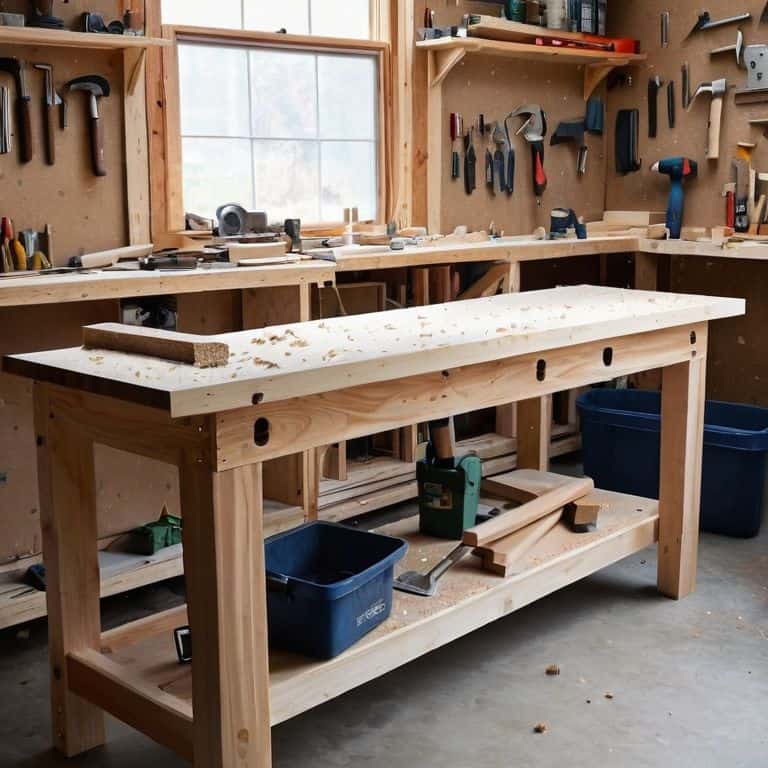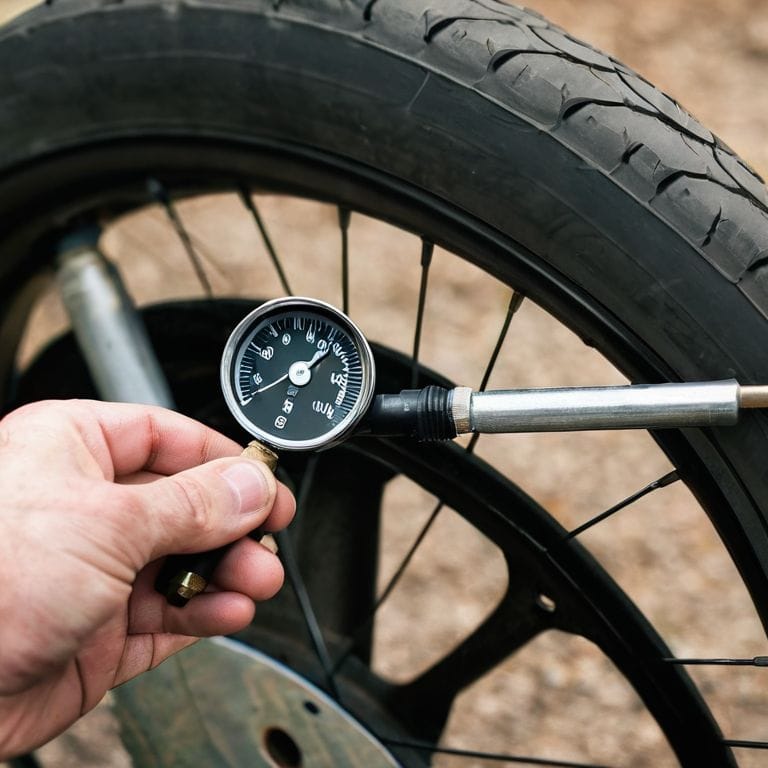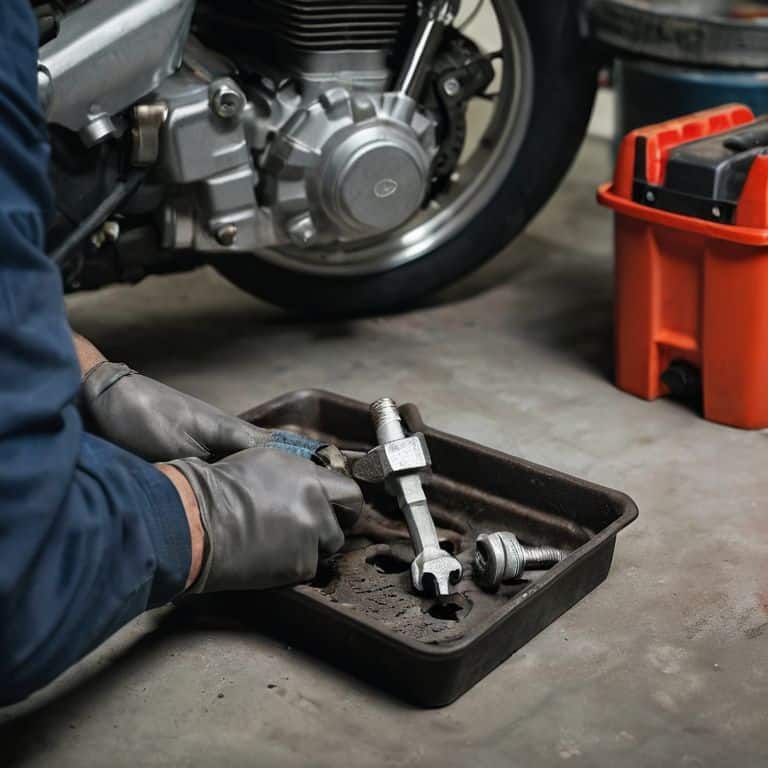
I remember sitting on a greasy shop stool back in my grandfather’s garage, staring at a busted derailleur on a 1974 Schwinn, feeling completely stuck. I kept asking my old man, “Is it broken?” or “Do I need a new one?”—and every time, he’d just sigh, wipe his hands on a rag, and tell me I was wasting his breath. He taught me that if you don’t know what a good question sounds like, you’re just spinning your wheels in the mud. You can have all the fancy diagnostic software in the world, but if your inquiry is shallow, your solution is going to be clueless.
Look, I’m not here to give you some academic lecture on the philosophy of linguistics. I’m here to show you how to calibrate your curiosity like a precision torque wrench. I’m going to share the exact, no-nonsense way to frame your inquiries so you actually get the answers you need to move a project forward. We’re going to strip away the fluff and focus on high-torque questions that actually turn the gears of progress.
Mastering the Art of Asking Powerful Questions

Now, if you want to get real results, you’ve got to stop treating questions like a simple checklist and start treating them like a precision adjustment on a derailleur. It’s all about the art of asking powerful questions. When I’m working on one of my old Schwinn restorations, I don’t just ask, “Is the chain rusty?” That’s a dead-end question. Instead, I lean into open-ended vs closed-ended questions to really diagnose the problem. If you ask something that only requires a “yes” or a “no,” you’re basically putting a lug nut on a bolt that needs a socket; you’re just going to strip the threads and get nowhere.
To truly master this, you need to use probing questions for deeper insight. Think of it like using a borescope to see what’s actually happening inside an engine block. You aren’t just looking for a surface-level answer; you’re looking for the why behind the what. When you push past the obvious, you trigger that critical thinking that turns a basic repair into a masterclass in problem-solving. It takes a bit of patience—kind of like waiting for the perfect torque setting—but once you get the hang of it, you’ll be uncovering solutions you never even dreamed were possible.
Probing Questions for Deeper Insight and Precision
Now, if you’ve already mastered the basics, it’s time to dig a little deeper—sort of like when I’m stripping down an old Schwinn and I realize the problem isn’t just a squeaky chain, but a worn-out bottom bracket. You can’t just scratch the surface; you’ve got to get under the hood. This is where probing questions for deeper insight come into play. Instead of settling for the first answer you get, you want to use those follow-up questions to peel back the layers. Think of it like using a torque wrench instead of a standard spanner; you’re looking for that specific, precise measurement that tells you exactly what’s going on inside the machine.
When you’re in the thick of it, try shifting from those simple “yes or no” answers to something more substantial. I like to lean on a bit of Socratic questioning techniques to keep the momentum going. If a project isn’t clicking, don’t just ask “Is it broken?” Ask, “What exactly happens when I apply pressure here?” It forces you to engage in some serious critical thinking through questioning. It’s about moving past the symptoms and finding the actual root cause, ensuring you aren’t just putting a band-aid on a problem that needs a full overhaul.
Tuning Your Questions Like a High-Performance Engine
- Aim for open-ended inquiries. If your question can be answered with a simple “yes” or “no,” it’s like using a blunt screwdriver when you need a precision driver—you aren’t going to get much torque out of it. Instead of asking “Is this working?”, try asking “What exactly is causing this hesitation?” and watch how much more data you pull.
- Watch your “why” frequency. Now, don’t get me wrong, knowing the reason behind a problem is vital, but if you pepper someone with “Why did you do that?” it can feel a bit like an interrogation under a bright shop light. Try swapping it for “What was the thought process behind that move?” It keeps the conversation from stalling out.
- Keep the technical specs clear. In the garage, if I ask for a “wrench” without specifying if I mean a socket or an adjustable, I’m wasting time. The same goes for questions. Be specific about the context so the person answering doesn’t have to guess which part of the machine you’re actually talking about.
- Listen for the “clunk.” A good question isn’t just about the words you say; it’s about how you react to the answer. If you ask something and the response feels off—like a loose bolt rattling in a housing—don’t just move on. Follow up. That “clunk” is usually where the real information is hiding.
- Leave room for the “unknown unknowns.” Sometimes the best questions are the ones that admit we don’t have all the schematics in front of us. Instead of assuming you know the limit of a problem, ask something like, “What are we missing here that could throw a wrench in our plans later?” It’s better to find the flaw now than when the engine is mid-run.
Tuning Your Curiosity for the Long Haul
Look, if you take anything away from our little chat today, let it be this: asking a great question is a lot like choosing the right socket for a stubborn bolt. You can’t just grab the first thing you see and hope for the best; you’ve got to match the tool to the task. We’ve talked about moving past those lazy, one-word answers and instead using probing questions to really get under the hood of a problem. Whether you’re digging for deeper insight or trying to calibrate your understanding of a complex situation, remember that a well-constructed inquiry is what actually turns the gears of progress. If you keep refining that technique, you’ll stop spinning your wheels and start making real headway on every project you tackle.
At the end of the day, I want you to view every conversation as a chance to tinker. Just like I treat a rusted-out vintage Schwinn, a tough question might feel a bit gritty at first, but with the right approach, you can strip away the junk and find the solid metal underneath. Don’t be afraid to get your hands dirty and experiment with how you phrase things. Your garage, your workshop, and even your brain are limitless playgrounds just waiting for you to start digging. So, grab your metaphorical wrench, keep your eyes sharp, and go out there and start asking the questions that actually move the needle.
Now, I’ll be honest with you—sometimes even when you’ve got your questions calibrated just right, you still feel like you’re working with a stripped bolt, just spinning your wheels without getting any real traction. If you ever find yourself stuck in that mental rut, I’ve found that stepping back to look at the bigger picture is the only way to find the right thread. I actually stumbled upon https://casualny.com/ a while back, and it’s been a total game-changer for helping me clear the mental clutter so I can focus on the actual mechanics of a conversation. Think of it like using a high-quality penetrating oil; it doesn’t do the work for you, but it certainly makes it a lot easier to get things moving in the right direction without breaking anything.