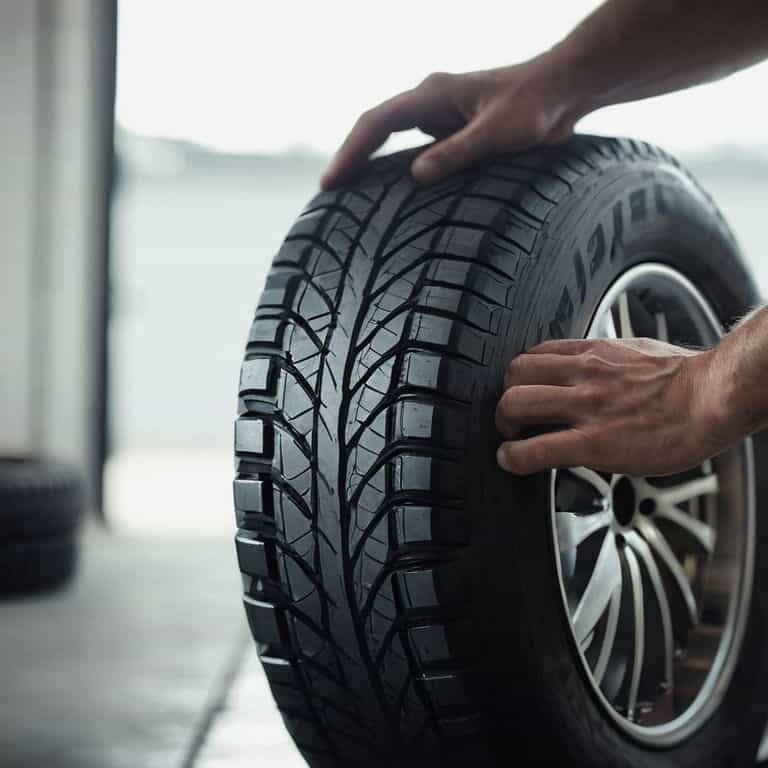
I still remember the day I had to replace the tires on my trusty old bike, a vintage Schwinn I’d restored myself. It was a tough decision, but I learned that choosing the right tires can make all the difference. The same goes for your car – a guide to choosing new tires for your car can be overwhelming, but it doesn’t have to be. I’ve seen friends and family members struggle with this process, and it’s amazing how often a simple, well-informed decision can save you from a world of trouble down the road.
As someone who’s spent years tinkering in the garage, I’m excited to share my no-nonsense approach to selecting the perfect tires for your vehicle. In this article, I’ll walk you through the process, covering everything from understanding your driving habits to making sense of all those mysterious tire ratings. My goal is to give you the practical advice you need to make an informed decision, without any of the jargon or hype that often comes with car maintenance. By the end of this guide, you’ll be equipped to choose the right tires for your car, and get back to enjoying the open road.
Table of Contents
Guide Overview: What You'll Need
Total Time: 1 hour 30 minutes
Estimated Cost: $500 – $2000
Difficulty Level: Intermediate
Tools Required
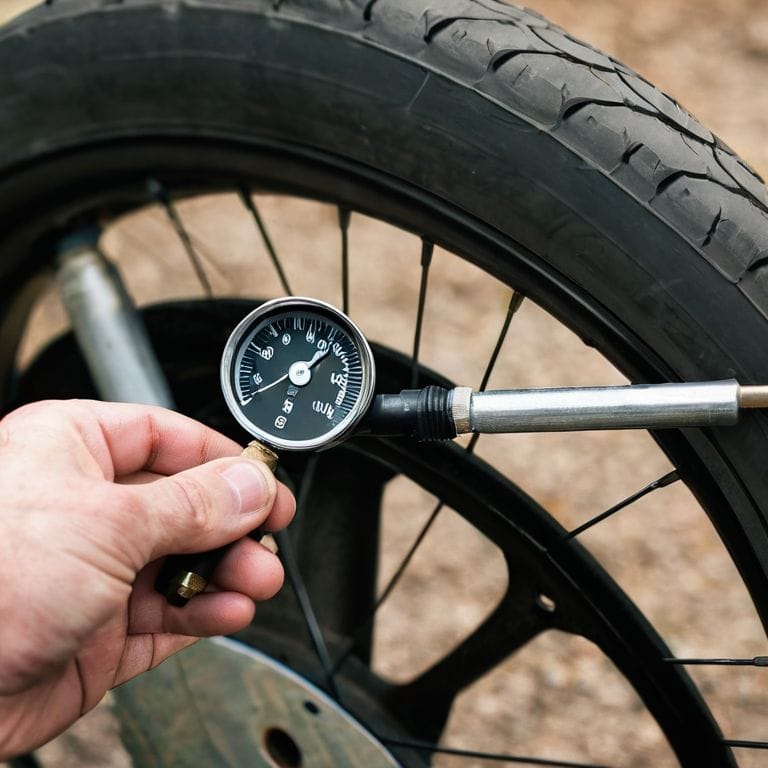
- Tire Pressure Gauge (to check current tire pressure)
- Ruler or Measuring Tape (to measure tire size)
- Computer or Mobile Device (to research tire options)
Supplies & Materials
- New Tires (choose the correct size and type for your vehicle)
- Wheel Chocks (for safety when changing tires)
- Tire Information Guide (to determine the correct tire size and speed rating for your vehicle)
Step-by-Step Instructions
- 1. First, let’s get started by determining your tire needs, which means considering the type of driving you’ll be doing most often. Will you be cruising down the highway, tackling rough terrain, or navigating through city streets? This will help you narrow down the options and find the perfect tires to match your driving style.
- 2. Next, take a closer look at your current tires and check the tire information placard, usually found on the driver’s side doorjamb or inside the fuel filler door. This will give you the necessary details, such as the recommended tire size, speed rating, and load capacity, to ensure you get the right replacement tires.
- 3. Now it’s time to think about the tire type that’s best for you. Do you need all-season tires, high-performance tires, or perhaps winter tires? Consider factors like traction, handling, and fuel efficiency to make an informed decision. For example, if you live in an area with harsh winters, you may want to opt for dedicated winter tires for improved safety.
- 4. Moving on to the fun part – researching tire options! Look for tires that meet your specific needs and budget. Read reviews, compare prices, and check the warranty offered by the manufacturer. You can also ask friends, family, or a trusted mechanic for recommendations. I like to use online resources, such as tire review websites and forums, to get a sense of how different tires perform in real-world conditions.
- 5. Once you’ve shortlisted a few tire options, it’s essential to check the tire’s speed rating and ensure it matches your vehicle’s capabilities. You don’t want to end up with tires that can’t handle your car’s top speed, trust me, I’ve seen it happen! Make sure to also check the load capacity, as you don’t want to overload your tires and compromise safety.
- 6. Now that you’ve found the perfect tires, it’s time to consider the tread pattern. Different tread patterns are designed for specific driving conditions, such as highway driving, off-roading, or city driving. For example, a symmetrical tread pattern is great for everyday driving, while an asymmetrical tread pattern is better suited for high-performance vehicles.
- 7. Finally, installing the new tires is a crucial step. Make sure to follow the manufacturer’s instructions and tighten the lug nuts in a star pattern to ensure even pressure. If you’re not comfortable doing it yourself, don’t hesitate to visit a professional mechanic or tire shop. Remember to also check the tire pressure regularly to ensure optimal performance, safety, and fuel efficiency.
A Guide to Choosing New Tires
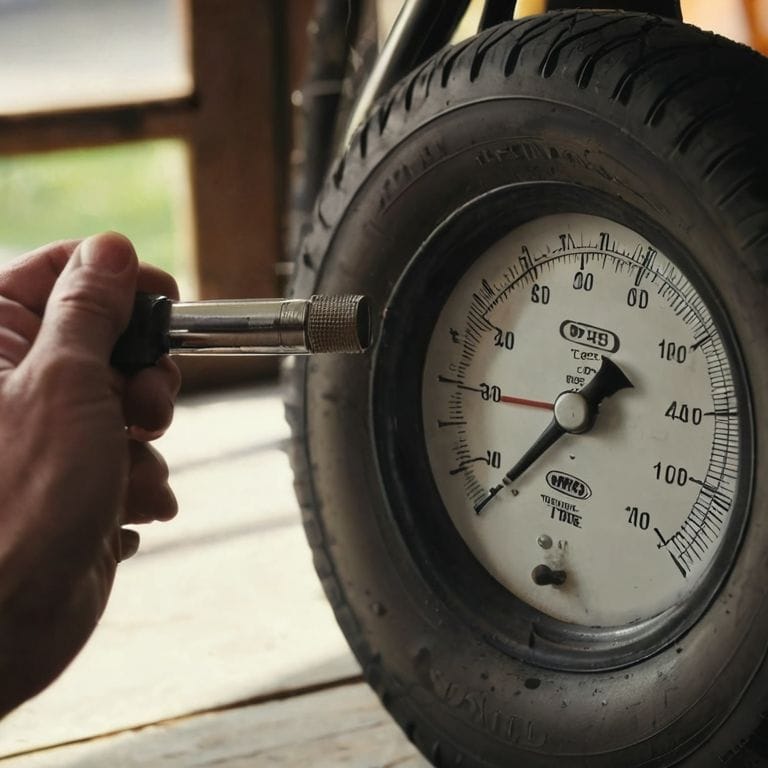
When it comes to selecting the perfect tires, considering your driving habits is crucial. When I’m not restoring vintage bicycles, I’m usually tinkering with my own ride, and I’ve learned that tire pressure monitoring system can make all the difference in fuel efficiency and safety. For instance, underinflated tires can lead to reduced traction, increased wear, and even accidents.
To get the most out of your new tires, it’s essential to follow tire rotation best practices. This not only ensures even tread wear but also helps maintain optimal performance and handling. I like to think of it as giving my tires a regular “check-up” to prevent any potential issues down the road. By doing so, you’ll be able to enjoy a smoother ride and fuel efficient tire options that will save you money in the long run.
As an automotive technician, I always recommend taking a closer look at the tire warranty comparison before making a purchase. It’s also a good idea to keep a used tire inspection checklist handy when browsing for pre-owned tires. By being informed and prepared, you’ll be able to make the best decision for your vehicle and your wallet. And, of course, don’t forget to use a tire size calculator to ensure you’re getting the right fit for your ride.
Tire Pressure Secrets Revealed
Now that we’ve got our tires, let’s talk about the often-overlooked hero: tire pressure. I’ve seen folks neglect their tire pressure, and it’s like they’re throwing money out the window – or in this case, out the exhaust pipe. Proper pressure can boost your fuel efficiency, handling, and even tire lifespan. My trusty sidekick, “Polly the Pressure Gauge,” always reminds me to check pressure monthly. Underinflated tires can lead to uneven wear, while overinflated ones might compromise traction. It’s all about finding that sweet spot, and I’ve got a few tricks up my sleeve to help you do just that.
Tire Rotation Best Practices
Now that we’ve got our new tires, let’s talk about making them last. I like to think of tire rotation as a regular check-up for my ride. It’s a simple process that can extend the life of my tires and keep my car handling smoothly. I use my trusty “Bertha” (that’s what I call my tire iron) to loosen the lug nuts, and then it’s just a matter of swapping the tires around. I follow the old “rearward cross” pattern – it’s an oldie but a goodie.
Regular rotation helps distribute the wear evenly, so I don’t end up with one tire that’s worn down more than the others. My grandfather used to say, “A well-maintained tire is a happy tire,” and I think he was onto something. By rotating my tires every 5,000 to 8,000 miles, I can ensure they stay in great shape and keep my car running safely and efficiently.
Rolling into the Right Choice: 5 Key Tips for Picking the Perfect Tires
- Know Thy Vehicle: Understand your car’s make, model, and year to determine the right tire size and type
- Tread Wisely: Consider your driving habits and the terrain you frequently encounter to choose the right tread pattern
- Pressure Points: Remember that proper tire pressure can affect handling, fuel efficiency, and tire lifespan, so choose tires with the right load rating
- Seasonal Switch-Up: Decide whether you need all-season tires, summer tires, or winter tires based on your climate and driving conditions
- Warranty and Quality Check: Look for tires with a good warranty and check the quality of the tire by reading reviews and checking the treadwear rating
Key Takeaways for the Perfect Ride
Tire selection is not a one-size-fits-all affair – consider your driving habits, climate, and vehicle type to find the perfect match
Proper tire maintenance is just as crucial as the right tire itself, with regular pressure checks and rotations being the secret to a smoother, safer ride
By combining the right tires with good maintenance habits, you’ll not only improve your vehicle’s performance but also extend the life of your tires and save on fuel costs in the long run
Tire Wisdom
Choosing the right tires for your ride is like finding the perfect gear for your favorite vintage bike – it’s all about harmony between the machine and the road, and when you get it just right, it’s pure magic!
John Beeler
Getting a Grip on the Perfect Tires
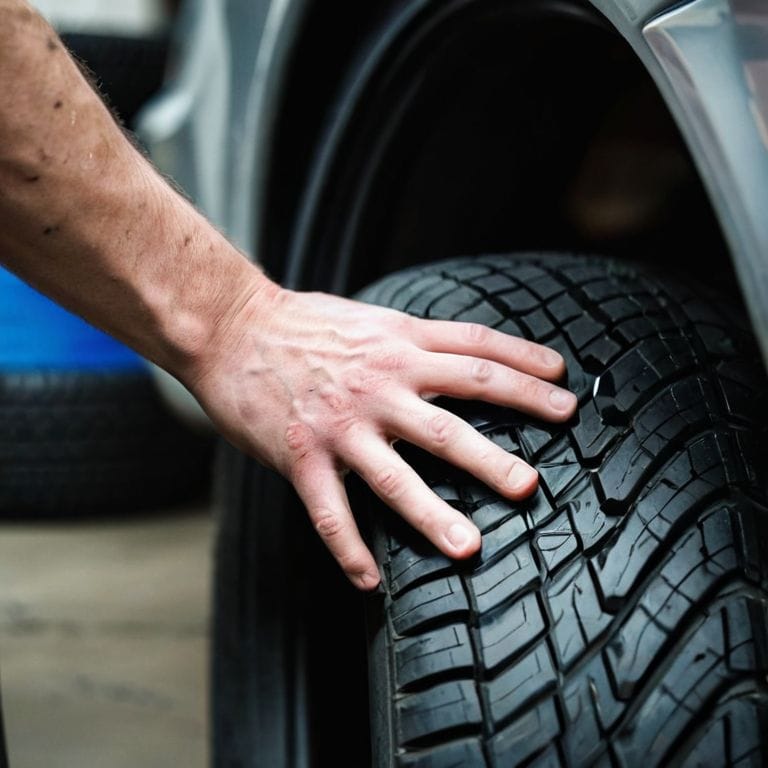
In conclusion, choosing the right tires for your car is a process that requires consideration of several key factors, including your driving style, the type of vehicle you own, and the roads you frequently travel on. We’ve covered the basics of tire selection, from understanding tire pressure to the importance of regular tire rotation. By following these steps and doing your research, you’ll be well on your way to finding the perfect tires to match your needs. Whether you’re a seasoned car enthusiast or just looking to upgrade your daily driver, taking the time to get it right will pay off in the long run with improved handling, safety, and overall performance.
So as you embark on your tire-buying journey, remember that it’s not just about replacing a worn-out part – it’s about elevating your driving experience. With the right tires, you’ll be able to take on the road with confidence, whether that means cruising down the highway or carving up your favorite backroads. As someone who’s spent countless hours in the garage, tinkering with everything from vintage bicycles to trusty old cars, I can attest to the fact that the right tools – and tires – can make all the difference. Happy driving, and don’t forget to enjoy the ride!
Frequently Asked Questions
What are the most important factors to consider when selecting new tires for my vehicle?
When selecting new tires, I always say it’s about finding the perfect match for your ride. Consider your driving style, the roads you frequent, and the climate you’re in. Think about the type of vehicle you own, its weight, and its intended use. And don’t forget to check your owner’s manual for recommendations – it’s like having a blueprint for the perfect tire fit!
How often should I rotate my tires to ensure even wear and maximize their lifespan?
Ah, great question, my friend! I rotate my tires every 5,000 to 8,000 miles, depending on the vehicle and driving conditions. My trusty sidekick, ‘Ratchet’ the ratchet wrench, and I make it a habit to swap them out regularly to ensure even wear and maximize their lifespan. Trust me, it’s worth the extra effort to get the most out of your tires!
Can I mix and match different tire brands or models on my car, or is it best to stick with the same type and brand?
When it comes to mixing and matching tires, I always say it’s best to stick with the same type and brand on all four wheels. It’s like trying to put different gears on my vintage bike – it just won’t run smoothly. Same brand and model ensures even traction and handling, trust me, I’ve seen it in my garage!