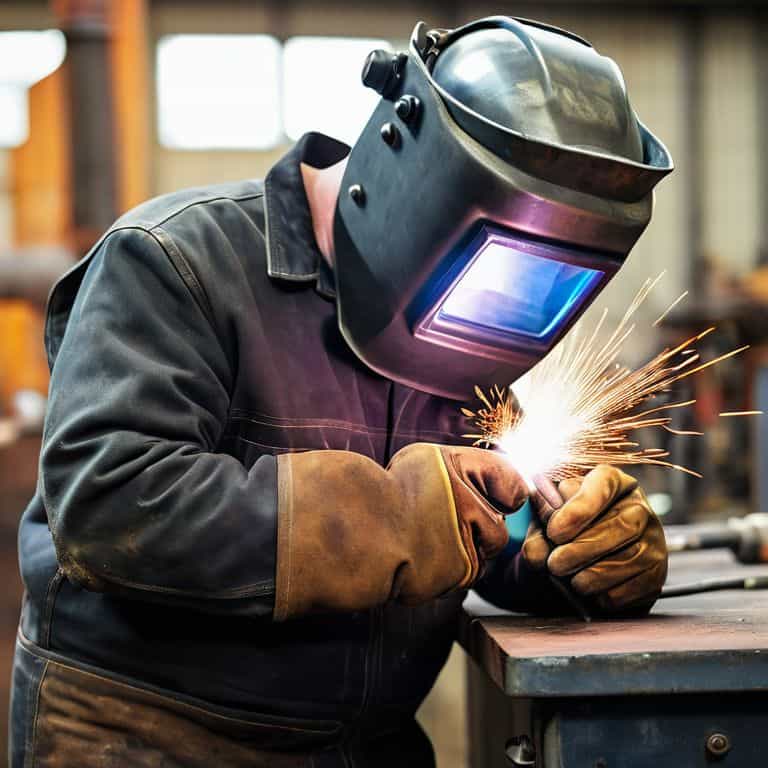
I still remember the first time I tried welding in my grandfather’s workshop – the smell of hot metal, the sound of sizzling sparks, and the feeling of creating something from scratch. But what struck me most was the emphasis on safety, and the question that always lingered in my mind: what safety gear do you need for welding? It’s a question that can be overwhelming, especially with all the complicated and expensive options available. As someone who’s passionate about sustainable living and DIY projects, I believe that safety shouldn’t have to break the bank.
In this article, I promise to cut through the hype and provide you with honest, experience-based advice on what safety gear you really need for welding. I’ll share my own experiences, from the essential gear that’s a must-have to the nice-to-haves that can make your welding journey more enjoyable. My goal is to empower you with the knowledge to make informed decisions and create something truly remarkable, while staying safe and self-sufficient. Whether you’re a beginner or a seasoned maker, I’m excited to share my insights with you and help you unlock the full potential of welding, without the unnecessary fuss and expense.
Table of Contents
Welding Safety Unveiled
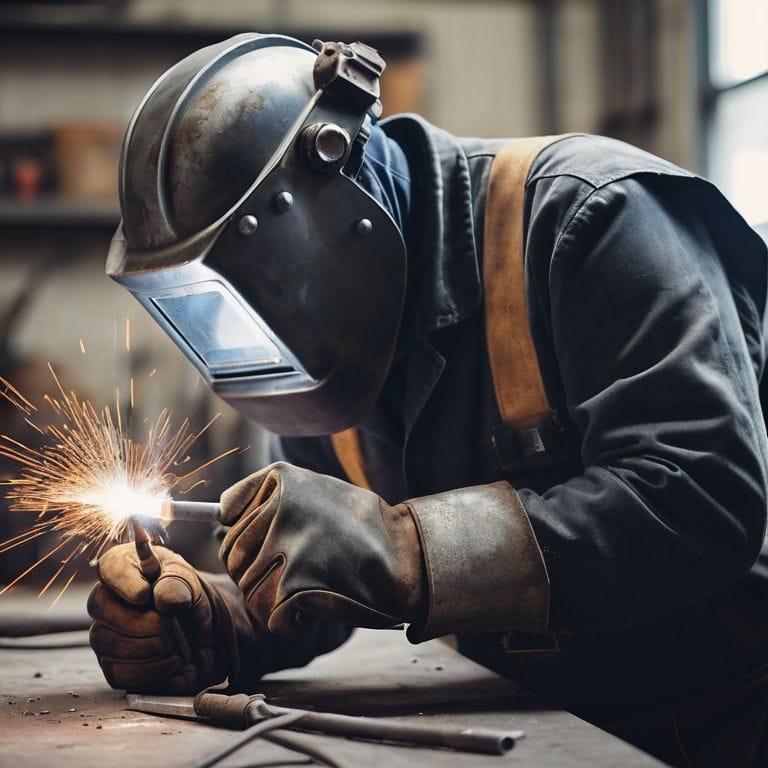
As I delve into the world of welding safety, I’m reminded of my grandmother’s wise words: “a safe workspace is a creative haven.” When it comes to essential safety equipment for welding beginners, it’s crucial to understand the importance of welding helmet standards. A good helmet not only protects your eyes and face from sparks but also provides a clear view of your workpiece, allowing you to focus on your craft.
I still recall my first welding project, where I learned the value of heat resistant gloves for welding. These gloves are a game-changer, providing dexterity and protection from extreme temperatures. Paired with a leather jacket protection for welders, you’ll be well-equipped to handle the demands of welding. It’s all about creating a safe and comfortable environment that fosters creativity and productivity.
In my experience, proper ventilation for welding operations is often overlooked, but it’s a critical aspect of welding safety. By ensuring good airflow, you can prevent the buildup of harmful fumes and particles. As a sustainable living consultant, I always emphasize the importance of welding safety tips and best practices, such as regularly inspecting your equipment and workspace. By following these guidelines, you’ll be well on your way to creating a safe and inspiring workspace that sparks creativity and innovation.
Essential Gear for Welding Beginners
As a beginner in welding, it’s crucial to have the right equipment to ensure a safe and enjoyable experience. I always recommend starting with the basics, which include a welding helmet, gloves, and safety glasses. These essentials will protect you from sparks, heat, and harmful radiation.
When it comes to personal protective equipment, a good pair of welding gloves is a must-have. Not only will they shield your hands from burns and cuts, but they’ll also provide a comfortable grip on your welding tools. Remember, safety is just the beginning – with the right gear, you’ll be free to focus on mastering your welding skills and unleashing your creativity.
Proper Ventilation for Safe Welding
As I always say, proper ventilation is key when it comes to safe welding. This is crucial in removing any harmful fumes or particles that may be released during the welding process. I’ve seen many a maker neglect this aspect, only to suffer the consequences later on.
To ensure you’re welding in a safe environment, consider investing in a fume extractor or a respirator. This will help keep your workspace clean and your lungs clear. Remember, safety always comes first, and with the right gear, you’ll be well on your way to creating amazing projects without compromising your health.
What Safety Gear Do You Need
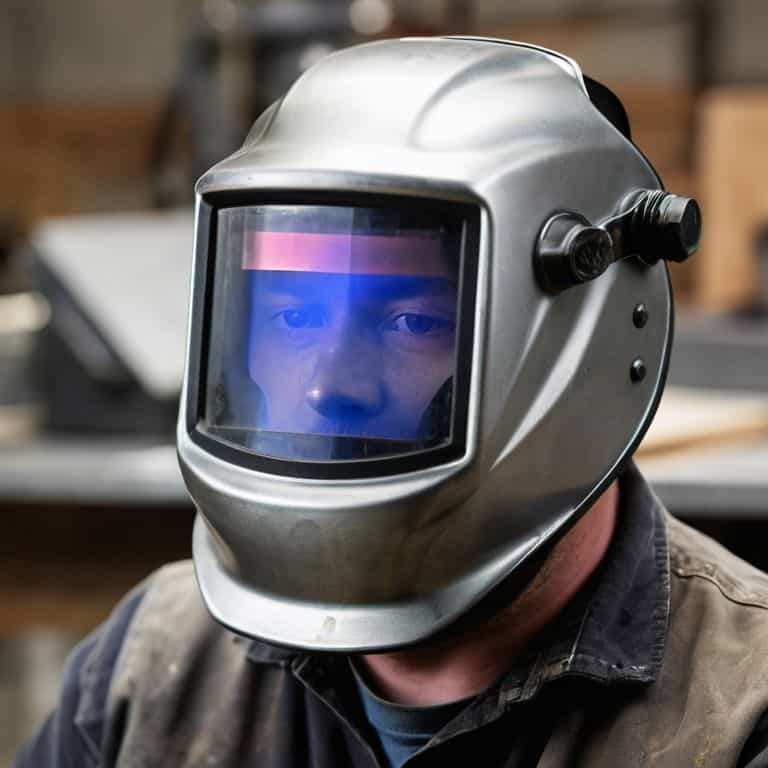
When it comes to welding, having the right safety gear is crucial. I always say that proper protection is key to a safe and enjoyable experience. One of the most essential items you’ll need is a welding helmet that meets welding helmet standards. This will protect your eyes and face from the intense heat and light emitted during the welding process.
In addition to a helmet, you’ll also need heat resistant gloves for welding to prevent burns and injuries to your hands. A leather jacket protection for welders is also a good idea, as it can provide an extra layer of protection against sparks and spatters. Remember, safety is all about being prepared and taking the necessary precautions to avoid accidents.
As a sustainable living consultant, I always emphasize the importance of essential safety equipment for welding beginners. This includes not only personal protective gear but also proper ventilation for welding operations. By following welding safety tips and best practices, you can create a safe and healthy environment for yourself and those around you. Whether you’re a seasoned pro or just starting out, safety should always be your top priority.
Heat Resistant Gloves and Leather Protection
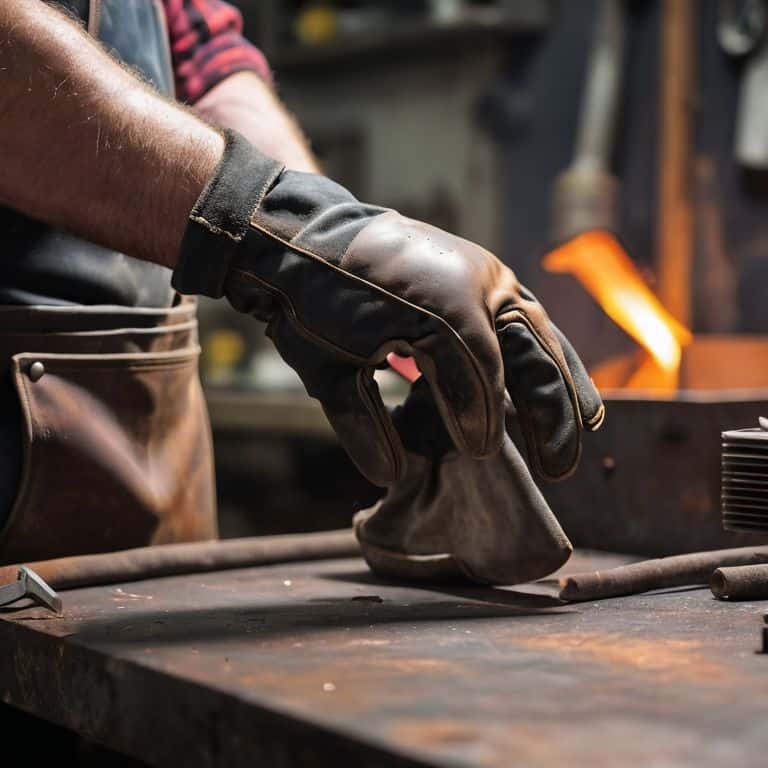
When it comes to protecting your hands while welding, I always say investing in quality gloves is a must. Heat resistant gloves are designed to withstand the high temperatures that come with welding, and they’re usually made from materials like leather or a synthetic equivalent. I’ve found that a good pair of gloves can make all the difference in preventing burns and ensuring a comfortable welding experience.
In addition to gloves, leather protection for your arms and body is also crucial. A leather jacket or apron can provide an extra layer of defense against sparks and spatter, giving you peace of mind while you work. I like to think of it as adding a touch of rugged elegance to your welding setup, while also keeping you safe from harm.
Welding Helmet Standards and Best Practices
When it comes to welding helmets, proper protection is essential to prevent eye damage and ensure a clear view of your work. I always look for helmets that meet the standards set by reputable organizations, such as the American National Standards Institute (ANSI) or the International Organization for Standardization (ISO).
To get the most out of your welding helmet, it’s crucial to understand lens shading and how it affects your visibility. A good helmet should have an adjustable shade to accommodate different welding processes and lighting conditions, allowing you to focus on your craft without straining your eyes.
Spark Safely: 5 Essential Tips for Welding Safety Gear
- Always wear heat-resistant gloves and leather protection to prevent burns and injuries
- Choose a welding helmet that meets the latest safety standards and provides adequate eye protection
- Ensure proper ventilation in your workspace to prevent inhalation of fumes and particles
- Select safety gear that fits comfortably and allows for a full range of motion to prevent accidents
- Regularly inspect and maintain your safety gear to ensure it remains in good condition and provides optimal protection
Key Takeaways for Safe and Creative Welding
Always prioritize proper ventilation when welding to avoid inhaling harmful fumes and particles, and consider investing in a respirator for added protection
Choose the right safety gear for your welding projects, including heat-resistant gloves, leather protection, and a welding helmet that meets current safety standards
Remember, safety and creativity go hand-in-hand in welding – by following best practices and using the right equipment, you can unlock your full potential as a maker and bring your innovative ideas to life
Spark of Wisdom
The right safety gear for welding is not just about protecting yourself from the flame, it’s about igniting a sense of confidence and creativity in every spark.
Stanley Truman
Embracing Safety, Igniting Creativity
As we conclude our journey through the world of welding safety, it’s essential to recap the key takeaways. From essential gear for welding beginners to proper ventilation and the importance of heat-resistant gloves and leather protection, each element plays a vital role in ensuring a safe and enjoyable welding experience. Understanding welding helmet standards and adhering to best practices is not just about compliance; it’s about cultivating a mindset that values protection and precaution as the foundation of creativity and innovation.
As you embark on your welding adventures, remember that safety is not just a requirement, but a catalyst for creativity. By embracing the principles of safe welding, you’re not only protecting yourself, but also unlocking the full potential of your imagination. So, let’s weld with passion, with precision, and with the knowledge that every spark of creativity is a step towards a brighter, more innovative tomorrow, where safety and artistry blend seamlessly together.
Frequently Asked Questions
What are the most common injuries that can occur while welding and how can safety gear prevent them?
Hey there, fellow makers! Common welding injuries include burns, eye damage, and respiratory issues. Safety gear like helmets, gloves, and respirators can prevent these by shielding you from sparks, UV rays, and fumes – it’s like having a trusty sidekick watching your back while you create!
How do I choose the right welding helmet for my specific welding projects?
When choosing a welding helmet, consider the type of welding you’ll be doing most often. For example, if you’re working with lighter gauge metals, a helmet with a lower shade might be perfect, while heavier projects might require a darker shade. I like to think of it as finding the right lens for your creative vision – it’s all about matching your gear to your unique welding style.
Are there any additional safety gear requirements for welding in enclosed or confined spaces?
When welding in enclosed or confined spaces, it’s crucial to consider additional safety gear. I always recommend a respirator or air-purifying mask to protect against fumes and particles. Ensure your welding helmet has a shaded lens to prevent arc flash, and consider a portable ventilation system to maintain clean air – it’s all about breathing easy while you work!