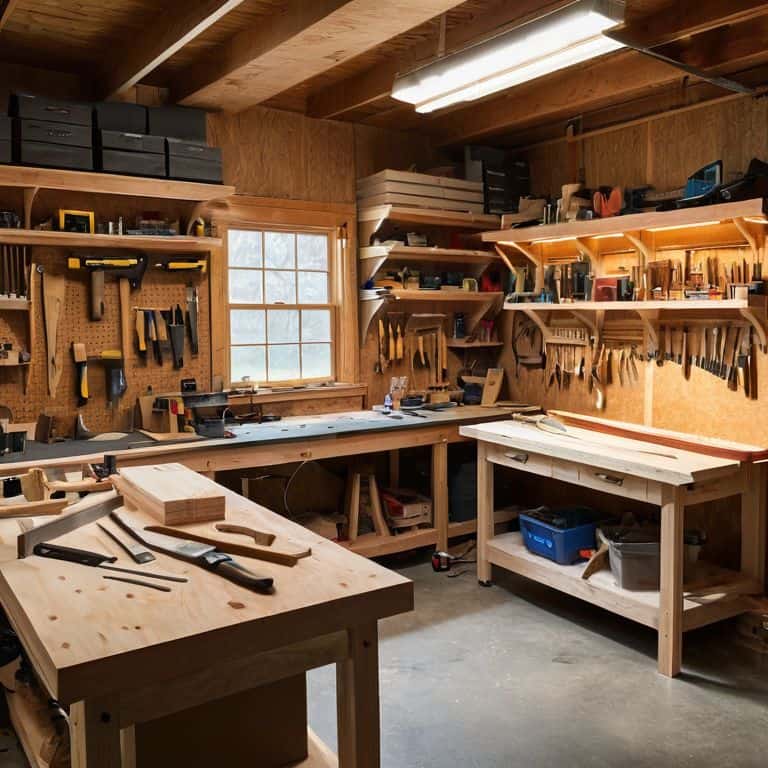
As I rummaged through the dusty shelves of a quaint flea market, I stumbled upon an old, worn-out woodworking manual. It sparked a memory of my father, who used to work on woodworking projects in our coastal town’s workshop. I realized that many people are intimidated by the idea of woodworking, thinking it’s only for seasoned craftsmen. But the truth is, a guide to basic woodworking can be a game-changer for anyone looking to unleash their creativity. I’ve seen people transform old, discarded pieces into beautiful works of art, and I believe that with the right guidance, anyone can do the same.
In this article, I’ll share my own experiences and tips on how to get started with woodworking. You’ll learn about the essential tools you need, how to choose the right wood, and some basic techniques to get you started. My goal is to provide you with a comprehensive, no-nonsense guide that will help you build confidence in your woodworking skills. Whether you’re looking to create a simple birdhouse or a intricate piece of furniture, I’ll walk you through the process, sharing my own stories and lessons learned along the way. So, let’s get started and uncover the joy of woodworking together!
Table of Contents
- Guide Overview: What You'll Need
- Step-by-Step Instructions
- A Guide to Basic Woodworking
- Hammering Home the Basics: 5 Essential Tips for Beginner Woodworkers
- Uncovering the Essentials: 3 Key Takeaways for Aspiring Woodworkers
- Woodworking Wisdom
- Embracing the Joy of Woodworking
- Frequently Asked Questions
Guide Overview: What You'll Need
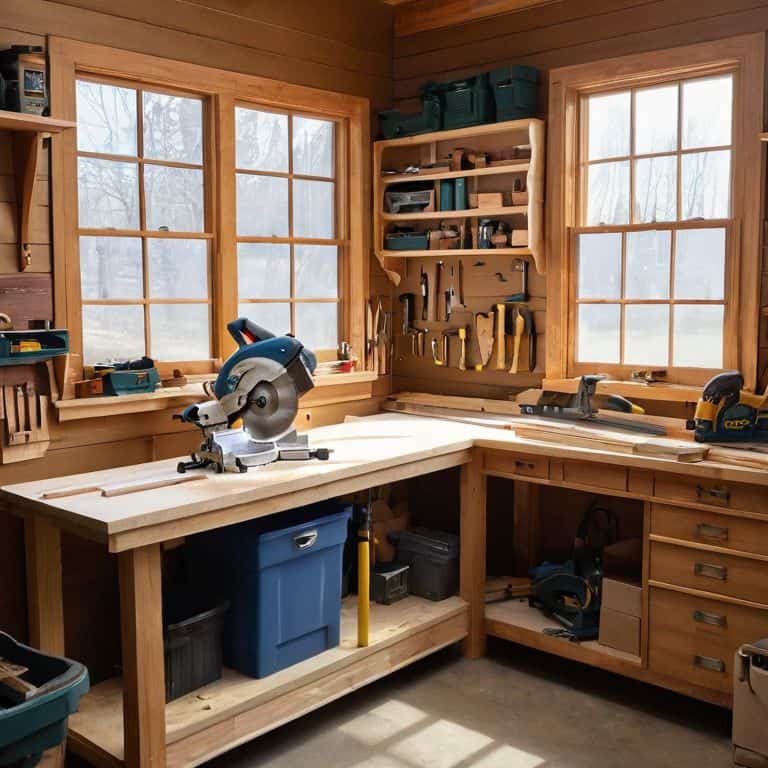
Total Time: 2 hours 30 minutes
Estimated Cost: $50 – $100
Difficulty Level: Intermediate
Tools Required
- Table Saw (for cutting lumber)
- Miter Saw (for precise angled cuts)
- Drill Press (for accurate drilling)
- Hand Saw (for cutting curves or small pieces)
- Sander (for smoothing out wood surfaces)
- Tape Measure (for measuring and marking lumber)
- Square (for ensuring accurate corners)
- Clamps (for holding pieces together during gluing)
Supplies & Materials
- 2-in x 4-in lumber (for framing and support)
- 3/4-inch plywood (for shelving and paneling)
- Wood Glue (for bonding wood pieces together)
- 2 1/4-inch wood screws (for assembling frames and cabinets)
- 1 1/4-inch wood screws (for attaching shelving and paneling)
- Wood Filler (for filling gaps and holes)
- Sandpaper (for smoothing out wood surfaces)
- Paint or Stain (for finishing and protecting the wood)
Step-by-Step Instructions
- 1. First, let’s start with the basics of safety in woodworking. It’s essential to wear protective gear such as safety glasses, a dust mask, and hearing protection to prevent any injuries. I always make sure to have these essentials in my workshop, and I encourage you to do the same.
- 2. Next, we need to familiarize ourselves with the tools. Take some time to learn about the different types of saws, drills, and sanders that you’ll be using. Understand their purposes and how to handle them correctly. I remember when I first started, I was overwhelmed by the number of tools, but once I learned what each one did, it became much easier to work with them.
- 3. Now, let’s move on to measuring and marking our wood. This is a crucial step, as accurate measurements can make all the difference in your project. Use a tape measure and a pencil to mark the wood, and make sure to double-check your measurements before cutting. I’ve learned that it’s always better to take your time and get it right than to rush and end up with a mistake.
- 4. With our measurements in place, it’s time to start cutting. Use a saw to cut along the marked lines, and remember to apply gentle pressure and let the saw do the work. Don’t apply too much pressure, as this can cause the saw to bind or kickback. I’ve found that using a sharp saw blade makes a big difference in getting a smooth cut.
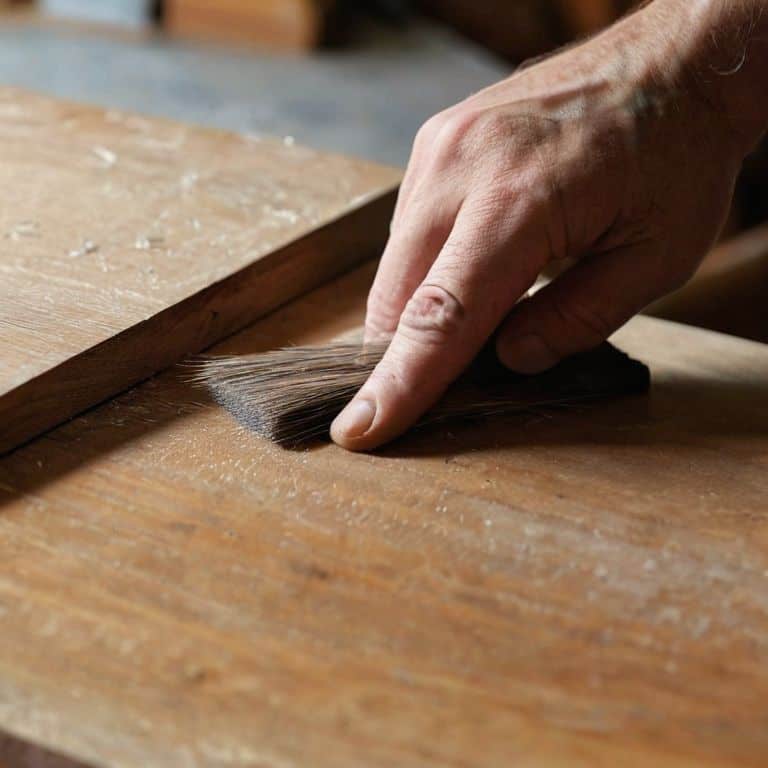
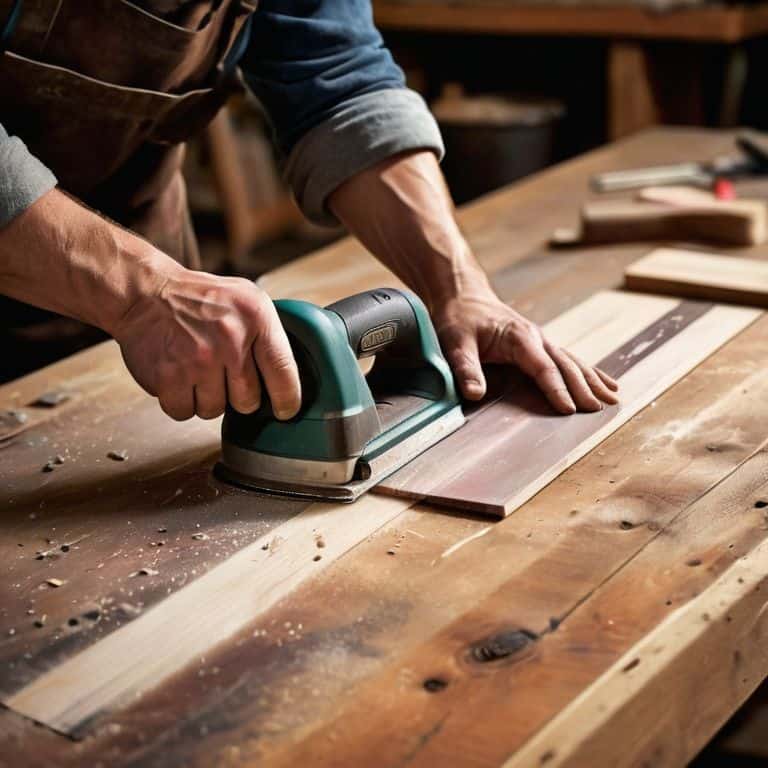
- 5. After cutting, we need to sand the wood to smooth out any rough edges or surfaces. Start with a coarse-grit sandpaper and work your way up to a finer grit for a smoother finish. I love the feeling of sanding, as it’s a great way to get a feel for the wood and understand its texture.
- 6. Once we have our wood sanded, it’s time to assemble our project. Use nails, screws, or glue to bring all the pieces together, and make sure to follow a plan or design to ensure that everything fits correctly. I’ve found that it’s helpful to take your time and not rush this process, as it can be easy to make mistakes.
- 7. Finally, let’s add a finish to our project to protect the wood and enhance its appearance. Choose a stain or paint that suits your design, and apply it according to the manufacturer’s instructions. I love this part of the process, as it’s where you get to see your project come to life and add your personal touch.
A Guide to Basic Woodworking
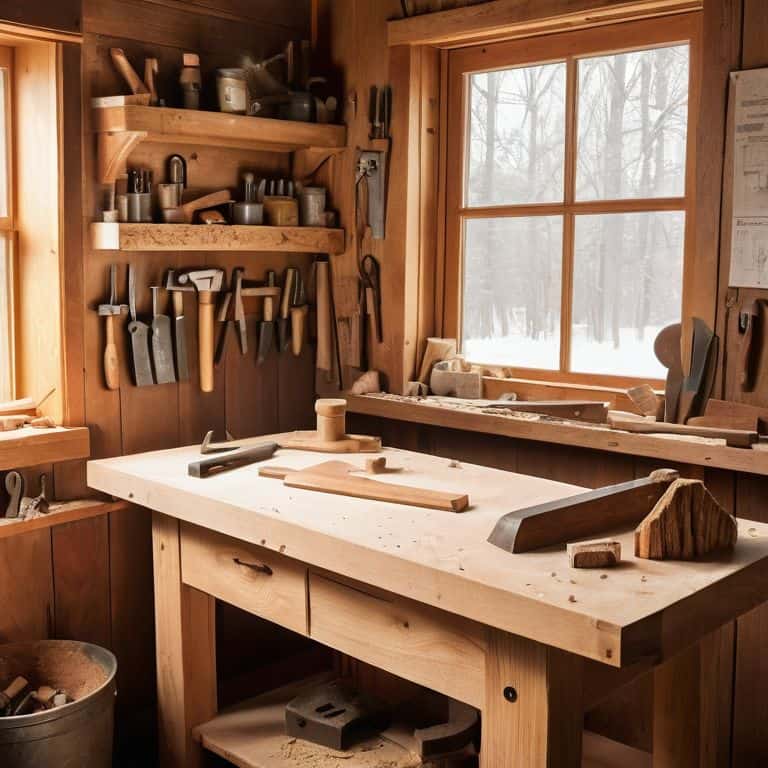
As I delve deeper into the world of woodworking, I’m reminded of the countless hours I spent exploring flea markets with my parents, searching for unique treasures to adorn our coastal bed-and-breakfast. Similarly, when it comes to woodworking projects for beginners, it’s essential to start with the basics and gradually move on to more complex tasks. This approach not only helps build confidence but also ensures a strong foundation in the craft. I recall writing a short story on a postcard from a woodworking workshop I visited, where the instructor emphasized the importance of patience and practice in mastering the art of woodworking.
When working with wood, it’s crucial to familiarize yourself with essential woodworking hand tools, as they can make a significant difference in the quality of your work. From chisels to hand saws, each tool has its own unique characteristics and uses. By understanding how to properly use and maintain these tools, you’ll be able to tackle a variety of projects with ease and precision. As someone who loves collecting postcards and writing stories, I appreciate the attention to detail required in woodworking, and I’m excited to share my knowledge with you.
As you continue on your woodworking journey, remember to always prioritize safety precautions in woodworking. This includes wearing protective gear, such as gloves and safety glasses, and ensuring your workspace is well-ventilated and clear of debris. By taking these simple precautions, you’ll be able to focus on the creative process, experimenting with basic woodworking joint techniques and exploring the world of wood finishing techniques for beginners. Whether you’re a seasoned woodworker or just starting out, I encourage you to embrace the process, and don’t be afraid to try new things – after all, that’s what makes woodworking so rewarding.
Discovering Essential Hand Tools
As I delve into the world of basic woodworking, I’m reminded of the thrill of the hunt for unique treasures at flea markets. Similarly, discovering essential hand tools is like uncovering hidden gems. A good set of hand tools is the foundation of any woodworking project, and I’m excited to share my favorites with you. From the trusty tape measure to the versatile marking gauge, each tool has its own story to tell and role to play in bringing your woodworking vision to life.
With my polaroid camera in hand, I’ve captured the beauty of these tools in action, and I’m eager to pass on my knowledge to you. Whether you’re a seasoned woodworker or just starting out, having the right hand tools can make all the difference in your project’s success.
Introduction to Wood Types and Safety
As I venture into the world of woodworking, I’m reminded of the thrill of the hunt for unique treasures at flea markets. Similarly, exploring the variety of wood types is like discovering hidden gems. From the rich tones of oak to the smooth grain of maple, each type of wood has its own character and story to tell. Understanding the different wood types is essential for any woodworking project, and I’m excited to share my findings with you.
When working with wood, safety is also a top priority. Just as I always wear a mask when sanding down old furniture finds, it’s crucial to take precautions in the workshop. This includes wearing protective gear, such as safety glasses and a dust mask, and being mindful of potential hazards like splinters and sharp edges. By being aware of these factors, you’ll be able to create beautiful and functional pieces while staying safe and inspired.
Hammering Home the Basics: 5 Essential Tips for Beginner Woodworkers
- Start with the right tools: Invest in a solid set of basic hand tools, including a tape measure, square, and set of chisels, to ensure your projects get off to a smooth start
- Choose your wood wisely: Understand the different types of wood, their grain patterns, and how they respond to various tools and techniques to avoid costly mistakes and ensure your projects turn out as envisioned
- Measure twice, cut once: Double-check your measurements before making any cuts to avoid errors and reduce waste, saving you time, money, and frustration in the long run
- Safety first: Always wear protective gear, including safety glasses and a dust mask, and keep loose clothing and long hair tied back to prevent accidents and injuries in the workshop
- Practice makes perfect: Don’t be discouraged by initial mistakes or setbacks – keep practicing, and you’ll soon develop the skills and confidence to tackle more complex projects and bring your woodworking visions to life
Uncovering the Essentials: 3 Key Takeaways for Aspiring Woodworkers
Always remember to handle your tools with care and attention, just as you would a precious treasure found at a flea market – they’re the keys to unlocking your woodworking potential
Wood selection is an art form, much like collecting the perfect postcard to inspire a story – choose your woods wisely to bring your projects to life
Safety in the workshop is paramount, so don your protective gear and let your creativity shine, just as the sea air sparks my own imagination as I stroll along the coastal town where I grew up
Woodworking Wisdom
As I’ve learned from my own journeys, woodworking is not just about shaping wood, but about uncovering the stories and beauty hidden within each grain, and I believe that with the right guide, anyone can become a master storyteller of wood.
Vera Kump
Embracing the Joy of Woodworking
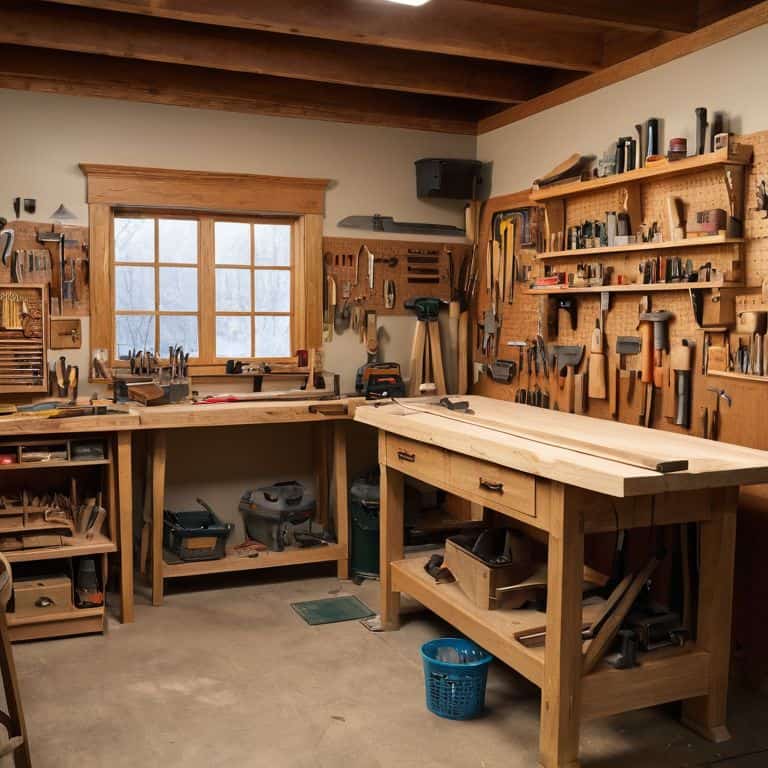
As we conclude this journey through the basics of woodworking, let’s take a moment to reflect on the key takeaways. We’ve covered the essential hand tools, from chisels to sandpaper, and explored the wonderful world of wood types, including the importance of safety precautions. By mastering these fundamentals, you’ll be well on your way to creating beautiful, functional pieces that bring warmth and character to any space. Whether you’re a seasoned pro or a curious beginner, the art of woodworking offers a unique sense of satisfaction and creative expression.
So, as you put down your tools and step back to admire your latest project, remember that the true beauty of woodworking lies not just in the end result, but in the process itself. The feel of the wood beneath your hands, the smell of the sawdust, and the thrill of bringing a new idea to life – these are the things that make woodworking a truly rewarding hobby. So, don’t be afraid to experiment, try new things, and push the boundaries of what’s possible. With patience, practice, and a willingness to learn, you’ll be unleashing your full creative potential in no time.
Frequently Asked Questions
What are the most essential hand tools I need to get started with basic woodworking?
The essentials! I always say, you can’t go wrong with a good tape measure, a trusty hammer, and a set of sharp chisels. Add a marking gauge and a handsaw to your toolkit, and you’re ready to start creating something amazing. These basics will get you started on your woodworking journey, just like they did for me in my cozy coastal workshop!
How do I properly handle and store different types of wood to ensure safety and quality?
When handling and storing different types of wood, I always say safety first! Keep them in a dry, well-ventilated area, away from direct sunlight. Separate softer woods from harder ones to prevent damage, and consider labelling each type for easy identification.
What are some common mistakes beginners make in woodworking and how can I avoid them?
As a beginner, I’ve learned that common mistakes in woodworking include measuring errors, inadequate sanding, and neglecting safety gear. To avoid these, double-check your measurements, take your time sanding, and always wear protective gear – trust me, your fingers (and your project) will thank you!