I still remember the first time I tried to lift a car with a jack and stands – it was a disaster. My grandfather, a seasoned mechanic, had to intervene and teach me the proper way to how to safely lift a car with a jack and stands. It’s a lesson that has stuck with me to this day, and one that I wish more people would learn. The truth is, lifting a car doesn’t have to be a daunting task, but it does require some know-how and the right equipment. I’ve seen too many people struggle with this simple procedure, and it’s time to set the record straight.
In this article, I’ll share my personal experience and expertise to guide you through the process of safely lifting a car with a jack and stands. You’ll learn the importance of choosing the right jack and stands, how to position them correctly, and the simple steps to follow to ensure a safe and successful lift. I’ll also share some of my favorite tips and tricks, learned from years of working in the garage, to make the process even easier. By the end of this guide, you’ll be confident in your ability to lift your car like a pro, and you’ll be ready to tackle those DIY projects you’ve been putting off. So, let’s get started and take the first step towards becoming a garage master.
Table of Contents
Guide Overview: What You'll Need
Total Time: 1 hour 15 minutes
Estimated Cost: $50 – $100
Difficulty Level: Intermediate
Tools Required
- Car Jack with a minimum 2-ton capacity
- Jack Stands rated for the weight of your vehicle
- Wheel Chocks for added safety
- Creeper or Jack Stand Pads for protecting the vehicle’s frame
Supplies & Materials
- 6 inches x 6 inches Blocks of Wood for supporting the jack stands
- Ramps or Leveling Blocks for achieving proper lift height
Step-by-Step Instructions
- 1. First, gather your trusty tools, including a sturdy jack, some reliable stands, and a friend to lend a hand – safety in numbers, right? Make sure your car is parked on a level surface, and engage the parking brake to avoid any unexpected movements.
- 2. Next, locate the jacking points on your vehicle, which are usually marked in the owner’s manual or on a placard under the hood. These are the metal reinforcements designed for lifting, so make sure to position your jack accordingly to avoid damaging the car’s frame or body.
- 3. Now, position the jack at the designated jacking point, and begin raising it slowly until the tire just starts to lift off the ground. Don’t rush this part – we’re not in a hurry, and it’s better to take your time to ensure everything is stable and secure.
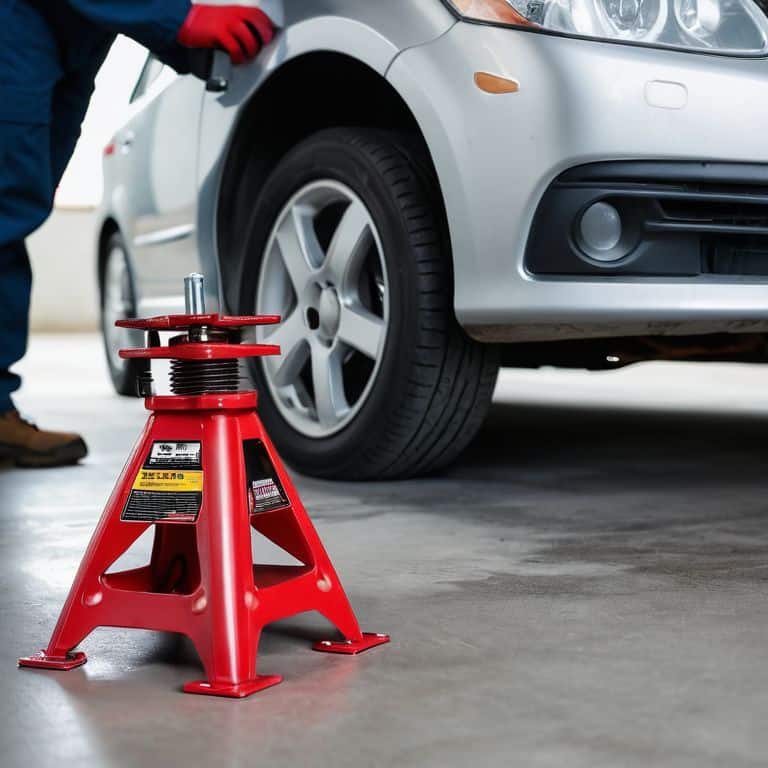
- 4. With the jack in place, add some extra support using your stands, positioning them near the jack and adjusting them to fit snugly under the car’s frame. This will provide additional stability and peace of mind, allowing you to work under the car without worrying about it falling off the jack.
- 5. Once your stands are in place, double-check the car’s stability by giving it a few gentle tugs and making sure it’s not going to shift or fall. If everything feels solid, you can start to raise the car further, using the jack to lift it to a comfortable working height.
- 6. As you’re working under the car, keep your tools organized using a toolbox or a magnetic strip to keep your wrenches, sockets, and other essentials within easy reach. This will save you time and frustration in the long run, and make the whole process much more enjoyable.
- 7. Finally, when you’re finished with your repairs or maintenance, carefully lower the car back down to the ground using the jack, making sure to remove the stands and store them safely away. Take a step back, admire your handiwork, and feel proud of yourself for tackling the job with confidence and precision.
Lifting Done Right
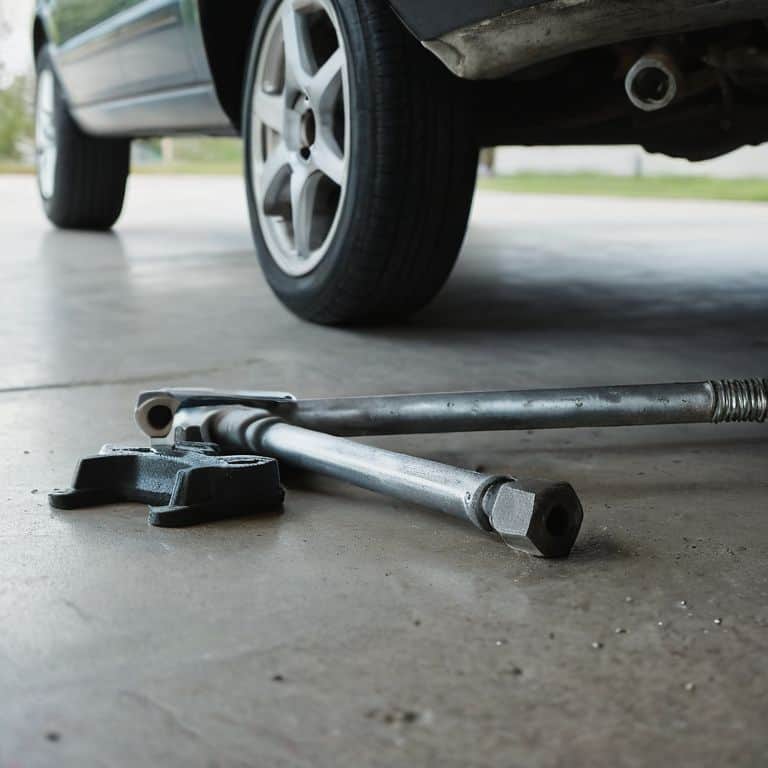
When it comes to car jack safety precautions, I always say it’s better to be safe than sorry. One of the most critical mistakes people make is not properly positioning the jack stands. Take your time to ensure they’re securely in place, and always refer to your vehicle’s manual for specific guidance.
As I’ve learned from restoring vintage bicycles, attention to detail is key. For heavy vehicles, it’s essential to use best jack stands for beginners that can withstand the weight. Don’t be afraid to invest in a good set – it’s a small price to pay for peace of mind.
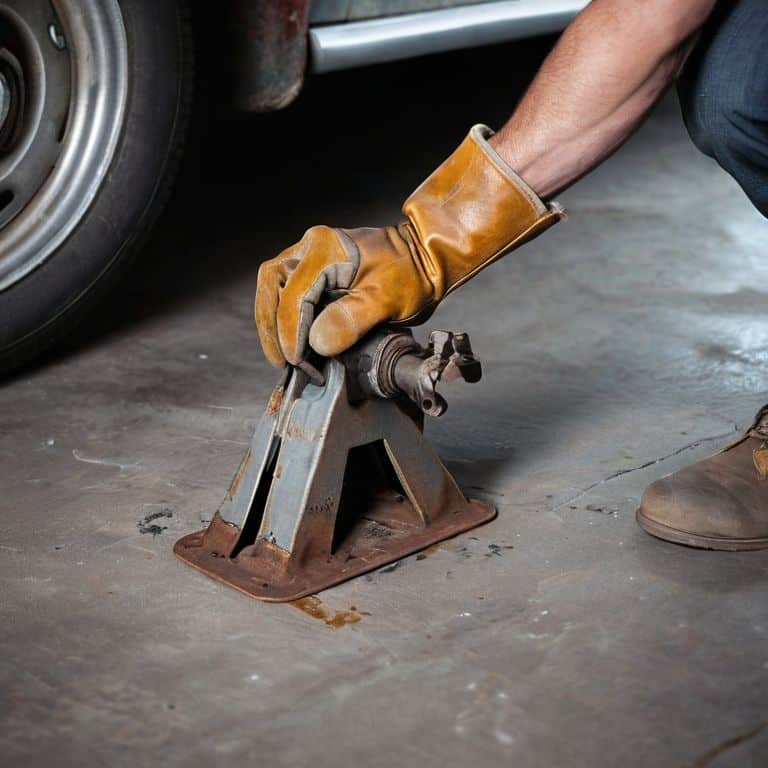
In my experience, common mistakes when lifting a car often stem from poor maintenance. Regularly check your jack and stand for any signs of wear, and make sure to follow proper maintenance tips. A well-maintained setup is not only safer but also more efficient, allowing you to focus on the fun part – tinkering with your ride.
Grandpas Jack Safety Tips
My grandfather always said, “A jack is only as good as the person using it.” He taught me to never get complacent, to always double-check the weight capacity and make sure the car is on level ground. I’ve named my trusty jack “Bertha” – she’s been with me through countless lift sessions. Grandpa also stressed the importance of using jack stands, which I’ve lovingly named “The Guardians.” They provide an extra layer of safety, giving me peace of mind while I’m tinkering underneath. By following these simple tips, you’ll be well on your way to lifting like a pro.
Positioning Stands for Success
Now that we’ve got our car lifted, it’s time to talk about the often-overlooked heroes of the operation: the stands. I like to think of them as the trusty sidekicks that keep everything stable and secure. When positioning them, I always remember what my grandfather used to say: “A stand in the right place is like a good friend – it’s got your back.” I’ve named my stands “The Guardians,” and I make sure they’re placed on a firm, level surface, with the weight of the car evenly distributed across them.
I’ve found that having a solid system in place, like my “Stand-By” checklist, helps ensure everything is properly positioned. This includes double-checking the stands’ height and making sure they’re firmly in place before removing the jack. It’s all about creating a safe and stable environment, just like I do when I’m restoring one of my vintage bicycles – every detail matters, and every tool has its place, like my trusty “Tighty” wrench.
Lifting Like a Pro: 5 Tips to Get You Started
- Always refer to your vehicle’s manual for specific jacking points to avoid damaging the frame or suspension
- Choose the right jack for the job – a scissor jack for smaller cars or a hydraulic jack for heavier vehicles, and make sure it’s rated for your vehicle’s weight
- Position your jack stands on a level surface and ensure they’re securely in place before raising the car, with the stands’ pins or clips firmly engaged
- Raise the car slowly and carefully, using jack stands to support it at the recommended height, and never rely solely on the jack to hold the weight
- Double-check that the car is stable and on level ground before starting work underneath, and always have a spotter or a safety net in place to catch any unexpected slips or falls
Key Takeaways for Safe Car Lifting
Lifting a car with a jack and stands requires careful planning and execution to ensure safety and success, as I learned from my grandfather in our small Midwestern town’s hardware store
Proper positioning of the jack and stands, combined with Grandpa’s safety tips, can make all the difference in avoiding accidents and getting the job done efficiently, much like when I’m restoring a vintage bicycle in my garage
By following the step-by-step guide and remembering to always prioritize safety, you’ll be well on your way to becoming a DIY pro, just like I am, with my trusty toolkit and named tools, like ‘Bertha’ the wrench and ‘Sammy’ the screwdriver, by your side
Lifting Wisdom
Safely lifting a car with a jack and stands isn’t just about getting the job done, it’s about respecting the machine and yourself – take your time, know your tools, and never forget that a steady hand is just as important as a steady jack.
John Beeler
Raising the Bar: A Safe and Successful Lift
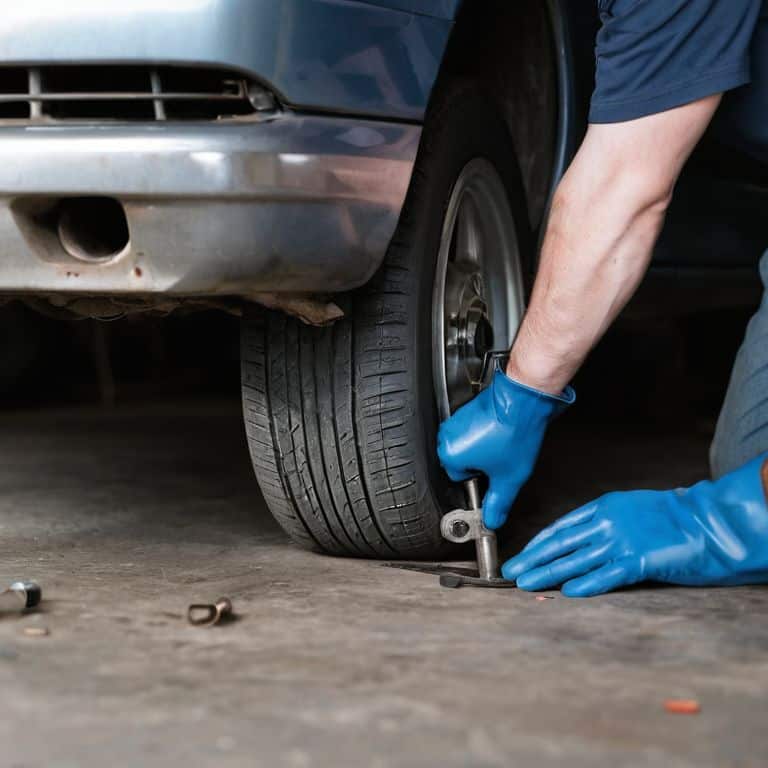
As we wrap up this guide on how to safely lift a car with a jack and stands, let’s recap the key takeaways: always refer to your vehicle’s manual, choose the right jack and stands for the job, and never compromise on safety. We’ve covered Grandpa’s Jack Safety Tips, which emphasized the importance of a sturdy foundation and a spotter, and Positioning Stands for Success, highlighting the need for precision and patience. By following these steps and tips, you’ll be well on your way to becoming a lifting pro.
So, the next time you need to lift your car, remember that it’s not just about getting the job done – it’s about transforming your garage into a playground of creativity and innovation. With practice and the right mindset, you’ll be tackling even the most complex projects with confidence and precision engineering. Keep tinkering, and always keep safety in mind, just as my grandfather taught me in our small Midwestern town’s hardware store.
Frequently Asked Questions
What are the most common mistakes to avoid when lifting a car with a jack and stands?
Hey, let’s talk common mistakes to avoid when lifting a car. I’ve seen folks forget to choke the wheels, or worse, not use stands at all! My grandpa always said, ‘A jack is just a helper, not a hero.’ Don’t be that guy who gets pinned under a car – use those stands and keep it steady, my friend!
How do I know if my jack and stands are rated for the weight of my vehicle?
Check your vehicle’s manual for its gross vehicle weight rating, then match it to the weight capacity listed on your jack and stands. I like to double-check the specs, just like my grandpa taught me – better safe than sorry, especially when you’re lifting a heavy load. My trusty ‘Bertha’ jack, for instance, is rated for 2 tons, and I make sure to only use it on vehicles that fall within that range.
Can I use a jack and stands on uneven or sloping surfaces?
Hey, great question! When it comes to using a jack and stands on uneven or sloping surfaces, I’ve got to advise against it. My grandfather always said, ‘A level foundation is key to safety,’ and I couldn’t agree more. Find a flat spot or use some ramps to level things out before you start lifting – trust me, it’s better to be safe than sorry!