I still remember the first time I tried my hand at welding – it was a messy affair, with sparks flying everywhere and a half-melted piece of metal that was supposed to be a beautiful birdhouse. But that’s exactly why I’m excited to share with you a guide to welding for beginners, because I’ve learned that with the right techniques and a bit of patience, anyone can create something truly amazing. The myth that welding is only for seasoned pros or that it’s too dangerous for beginners is just that – a myth. With the right mindset and tools, you can unlock a world of creative possibilities.
As you dive into this article, you can expect honest and practical advice on how to get started with welding, from setting up your workspace to choosing the right equipment. I’ll share with you my favorite tips and tricks for avoiding common mistakes and ensuring a smooth, safe welding experience. Whether you’re looking to create functional items for your home or simply want to explore a new hobby, this guide to welding for beginners will give you the confidence to spark your creativity and bring your ideas to life. So, let’s get started and uncover the joy of welding together!
Table of Contents
- Guide Overview: What You'll Need
- Step-by-Step Instructions
- Spark to Life
- Igniting the Flame: 5 Essential Tips for Beginner Welders
- Igniting Your Welding Journey: 3 Key Takeaways
- Igniting the Flame of Creativity
- Embracing the Spark: A Beginner's Welding Journey Comes Full Circle
- Frequently Asked Questions
Guide Overview: What You'll Need
Total Time: 3 hours 45 minutes
Estimated Cost: $100 – $200
Difficulty Level: Intermediate
Tools Required
- Welding Helmet (with shade 10 lens)
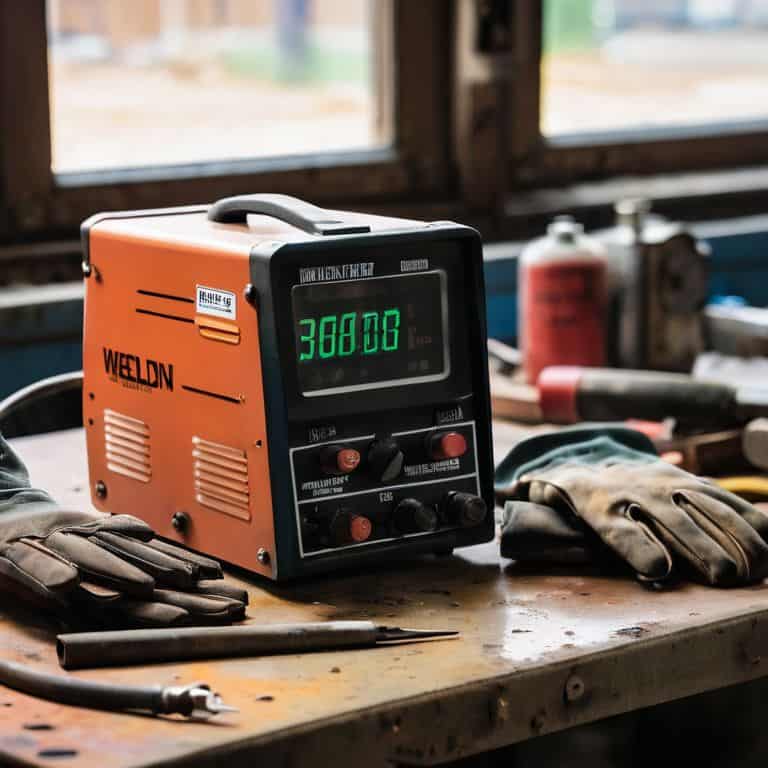
- MIG Welder (with 120 volts)
- Welding Gloves (heat-resistant)
- Wire Brush (for cleaning metal)
- Clamp (for holding metal in place)
- Measuring Tape (for measuring metal pieces)
- Angle Grinder (with 4.5 inches cutting wheel)
- Safety Glasses (with protective lenses)
Supplies & Materials
- Steel Plates (1/4 inches thick)
- MIG Welding Wire (0.030 inches diameter)
- Welding Rods (for shielded metal arc welding)
- Flux Core (for gasless welding)
- Welding Table (with 30 inches x 60 inches surface)
Step-by-Step Instructions
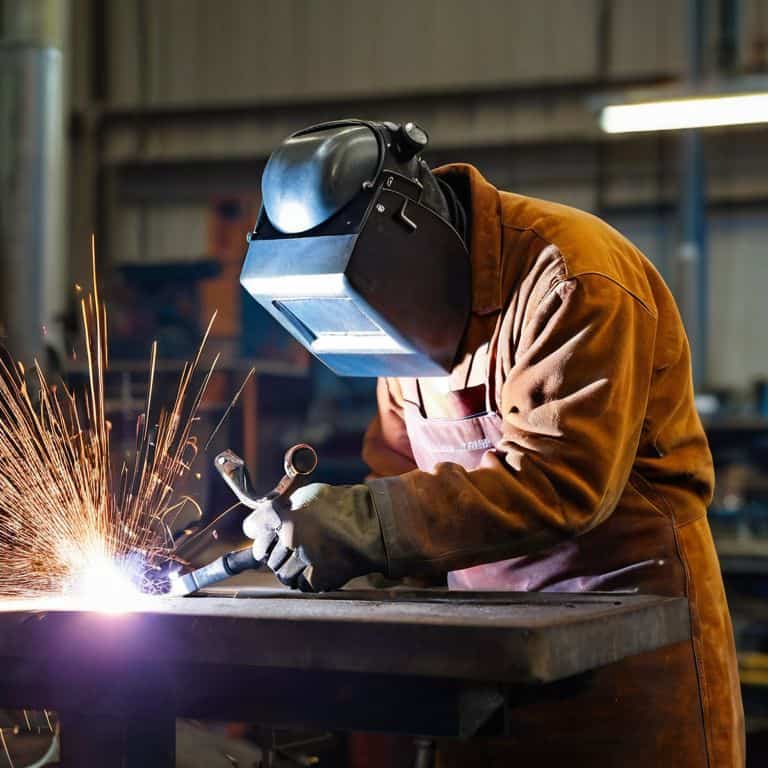
- 1. First, let’s get started with the basics of welding safety – it’s crucial to gear up with the right equipment, including a welding helmet, gloves, and safety glasses, to protect yourself from sparks and heat. I always say, safety first, and I mean it – we want you to have a fun and creative experience, not a hazardous one.
- 2. Next, choose your welding type – for beginners, I recommend starting with MIG welding, as it’s relatively easier to learn and versatile for various projects. You’ll need a MIG welder, which can be found at most hardware stores or online, and make sure you understand its basic settings and controls.
- 3. Now, prepare your workspace – clear the area of any flammable materials, and ensure good ventilation to avoid inhaling fumes. I like to think of my workspace as a creative sanctuary, where I can focus on bringing my ideas to life without any distractions or hazards.
- 4. Fourth, select and prepare your metal – for beginners, it’s best to start with thin, clean metal sheets, and make sure they are free of rust and dirt. I’ve found that proper preparation is key to a successful weld, so take your time to clean and degrease the metal surfaces before you start.
- 5. Next up, set up your welder and practice your welding technique – start with some scrap metal to get a feel for the welding rhythm, and don’t be discouraged if it takes a few tries to get it right. I remember when I first started welding, it took me a while to get the hang of it, but with patience and practice, you’ll be creating like a pro in no time.
- 6. Sixth, learn to control your welding speed and heat – this is where the magic happens, and you start to see your project come together. Remember to keep your welding speed steady, and adjust the heat as needed to achieve a smooth, even weld.
- 7. Finally, inspect and refine your weld – check for any imperfections, and make any necessary adjustments to ensure a strong, durable bond. I like to think of this step as the final flourish, where you add the finishing touches to your project and admire your handiwork.
Spark to Life
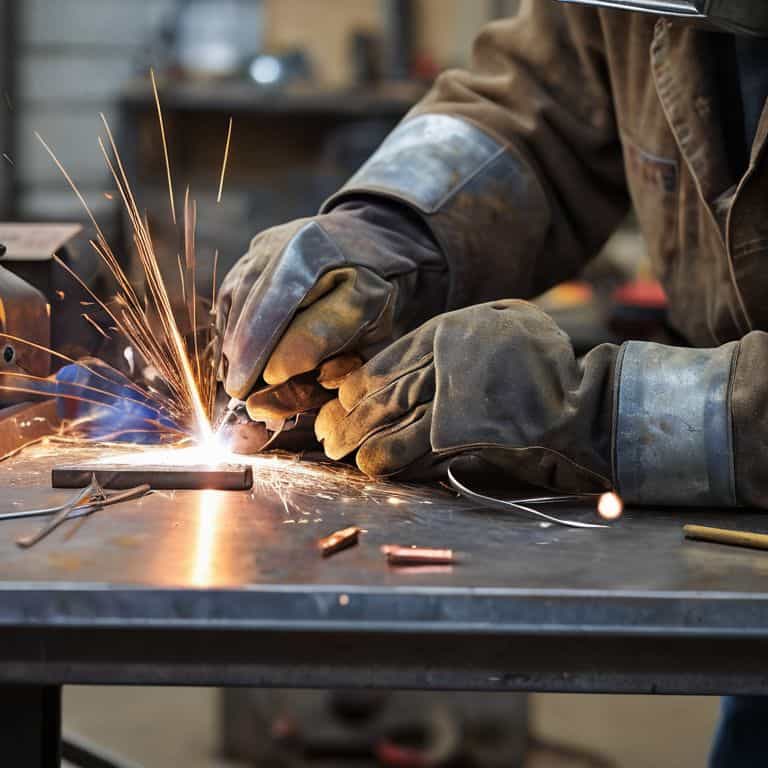
As I always say, welding is an art form that requires patience, practice, and the right mindset. When working with thin metals, it’s essential to adjust your welding techniques to avoid damage or warping. I recommend starting with small, beginner-friendly welding projects, such as crafting a simple metal birdhouse or a decorative wind chime. This will help you build confidence and develop the necessary skills to tackle more complex projects.
One of the most critical aspects of welding is metal preparation. Ensuring that your metal is clean, dry, and free of debris is crucial for a strong and durable weld. I like to use a wire brush to scrub the metal surface, removing any rust or impurities that might interfere with the welding process. Additionally, gas metal arc welding safety tips should always be top of mind, especially for beginners. Make sure to wear proper protective gear, including a welding helmet and gloves, to prevent injury.
As you continue to hone your welding skills, don’t be afraid to experiment with different techniques and materials. Shielded metal arc welding basics can provide a solid foundation for more advanced projects, and welding helmet reviews for beginners can help you find the right equipment to suit your needs. Remember, the key to mastering welding is to be patient, persistent, and willing to learn from your mistakes. With practice and dedication, you’ll be creating stunning metalwork pieces in no time.
Beginner Friendly Welding Projects
Let’s dive into some beginner-friendly projects that will get you excited about welding. I love starting with simple yet functional items like a customized bike rack or a small planter box. These projects allow you to practice your welding skills while creating something truly useful for your daily life. Plus, they’re fantastic ways to repurpose old materials, which is right up my alley as an urban forager and sustainable living enthusiast.
For a fun and easy project, try making a decorative wind chime using recycled metal scraps and a few basic tools. This is a great way to experiment with different welding techniques and get a feel for how various metals respond to heat and pressure. Remember, the goal is to have fun and be creative, so don’t be afraid to try new things and make mistakes – they’re all part of the learning process!
Welding Techniques for Thin Metals
When working with thin metals, it’s all about finesse. I like to think of it as a delicate dance between heat, metal, and movement. To avoid warping or burning through, use a lower amperage setting and a smaller electrode. This will give you the control you need to create a strong, precise weld. I’ve found that a shielding gas like argon or helium can also help prevent porosity and promote a smooth finish. Remember, practice makes perfect, so don’t be discouraged if it takes a few tries to get the hang of it – you’ll be welding like a pro in no time!
Igniting the Flame: 5 Essential Tips for Beginner Welders
- Always start with the right gear, including a welding helmet, gloves, and a fire-resistant jacket, to ensure your safety and comfort
- Choose the right welding process for your project, whether it’s MIG, TIG, or ARC, and understand the basics of each technique to achieve professional-looking results
- Practice welding on scrap metal before moving on to your actual project to get a feel for the equipment, the movement, and the heat
- Keep your workspace clean, well-ventilated, and organized, with all your tools and materials within easy reach, to maintain focus and avoid accidents
- Don’t be too hard on yourself if your early welds aren’t perfect – welding is an art that takes time to master, so be patient, stay enthusiastic, and remember that every mistake is an opportunity to learn and improve
Igniting Your Welding Journey: 3 Key Takeaways
Always remember to merge safety with creativity, ensuring each project is not just a testament to your skills, but also a reflection of your attention to detail and care for your well-being
Experiment with different welding techniques on thin metals to discover what works best for you, and don’t be afraid to try new things – it’s often the unexpected that leads to innovation
Start with beginner-friendly projects that ignite your passion, whether it’s crafting a piece of furniture or creating a work of art, and watch how welding can transform not just metal, but your entire perspective on what’s possible
Igniting the Flame of Creativity
Welding is not just about joining metals, it’s about igniting a spark within yourself to transform the ordinary into the extraordinary, one weld at a time.
Stanley Truman
Embracing the Spark: A Beginner's Welding Journey Comes Full Circle
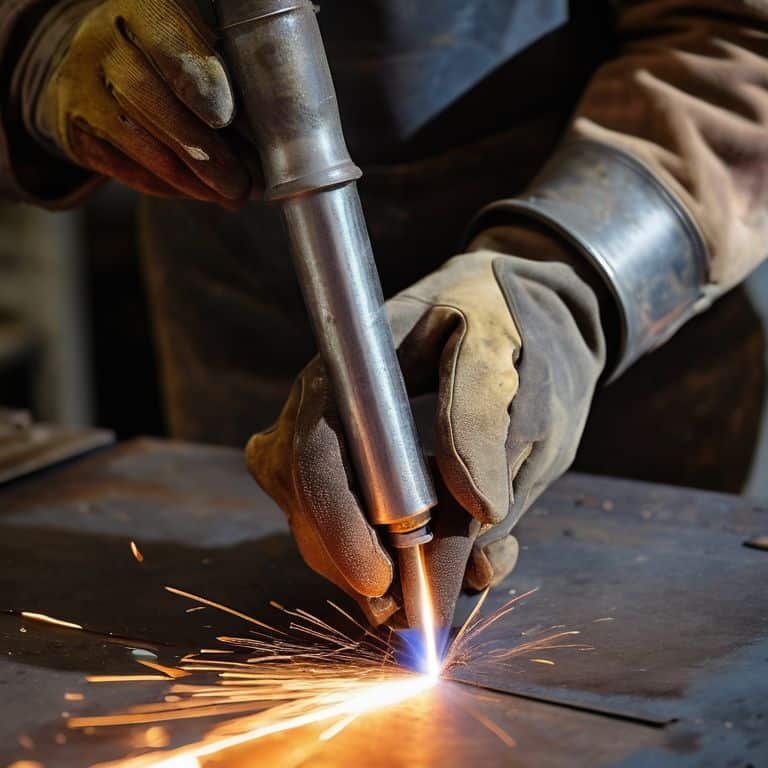
As we conclude this guide to welding for beginners, let’s take a moment to reflect on the journey we’ve undertaken together. From the initial introduction to welding, through the step-by-step instructions, and into the more nuanced discussions of techniques for thin metals and beginner-friendly projects, we’ve covered a significant amount of ground. The key to success in welding, as in any craft, lies in a combination of patience, practice, and a willingness to learn from mistakes. By embracing these principles, you’ve not only acquired a new skill but also opened the door to a world of creative possibilities.
As you put down your welding torch and step back to admire your handiwork, remember that the true beauty of welding lies not just in the physical act of creation, but in the sense of self-sufficiency and pride it instills. So, don’t be afraid to push beyond your limits, to experiment, and to innovate. For in the world of welding, as in life itself, it’s often the unexpected sparks that lead to the most extraordinary creations. Keep sparking, and remember, the art of making something out of nothing is a journey, not a destination.
Frequently Asked Questions
What safety precautions should I take when welding for the first time?
Hey, safety first! When welding for the first time, grab some heat-resistant gloves, safety glasses, and a face shield. Make sure you’re in a well-ventilated area, away from flammable materials. I also like to keep a fire extinguisher nearby, just in case. Let’s get you geared up and welding like a pro, while staying safe and sound!
How do I choose the right type of welder for my beginner projects?
Hey friend, choosing the right welder can be overwhelming, but don’t worry, I’ve got you covered. For beginner projects, I recommend starting with a MIG or ARC welder – they’re super versatile and easy to use. Consider what you’ll be welding most often, and think about the space you have available, then pick the one that fits your needs and budget.
What are some common mistakes to avoid when welding thin metals for the first time?
Hey friend, when welding thin metals, watch out for overheating, which can cause warping or burning through. Also, avoid applying too much pressure, as this can dent or deform the metal. Keep your welding speed steady and your technique smooth to achieve a strong, even bond.