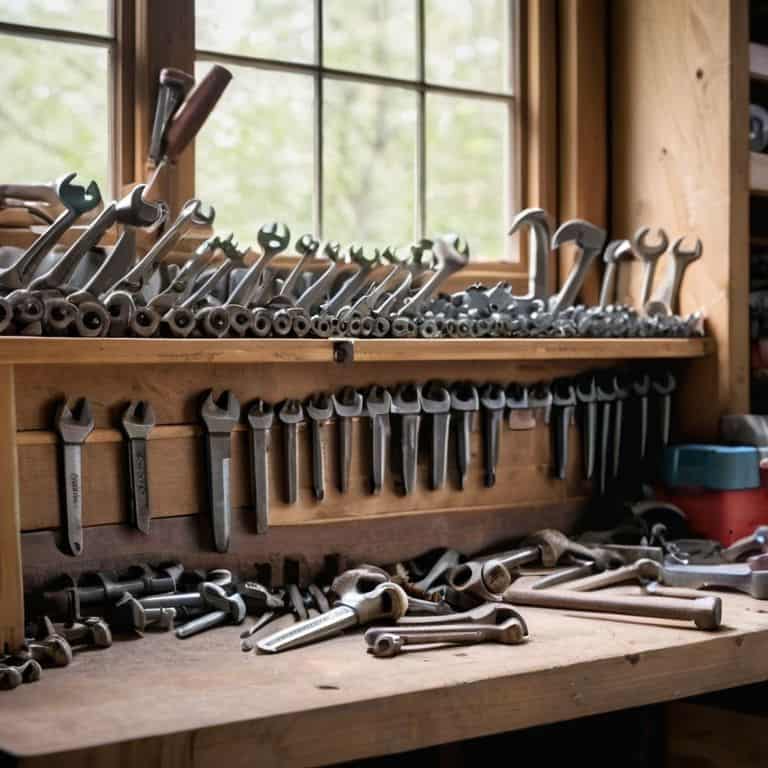
I still remember the day my grandfather handed me my first wrench, saying, “A guide to different types of wrenches is not just about the tools, it’s about understanding the job.” I was fascinated by the variety of wrenches in his old toolbox, each with its own unique story to tell. As I grew older, I realized that many people struggle to choose the right wrench for the task at hand, leading to frustration and wasted time. The truth is, having the right wrench can make all the difference between a successful project and a failed one.
In this article, I’ll share my personal experience and knowledge to provide you with a practical guide to navigating the world of wrenches. You’ll learn how to choose the right type of wrench for your specific needs, from socket wrenches to adjustable wrenches. My goal is to empower you with the knowledge to tackle any project that comes your way, whether you’re a seasoned mechanic or a DIY enthusiast. By the end of this guide, you’ll be well on your way to becoming a wrench-wielding expert, ready to take on any challenge that comes your way.
Table of Contents
Guide Overview: What You'll Need
Total Time: 1 hour 15 minutes
Estimated Cost: $20 – $50
Difficulty Level: Easy
Tools Required
- Adjustable Wrench (for demonstration purposes)
- Socket Wrench (with various socket sizes)
- Tape Measure (for measuring bolt sizes)
- Pencil and Paper (for note-taking)
Supplies & Materials
- Assorted Wrenches including box-end, open-end, and combination wrenches
- Bolts and Nuts in various sizes, e.g., 1/2 inch, 3/4 inch, 1 inch
- Work Surface e.g., a workbench or table, approximately 30 inches by 60 inches
Step-by-Step Instructions
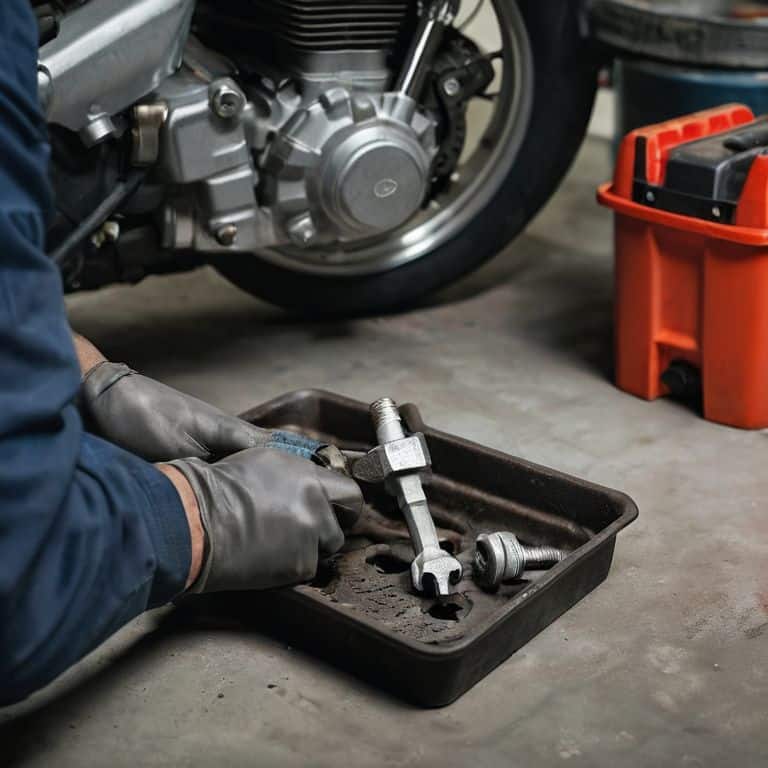
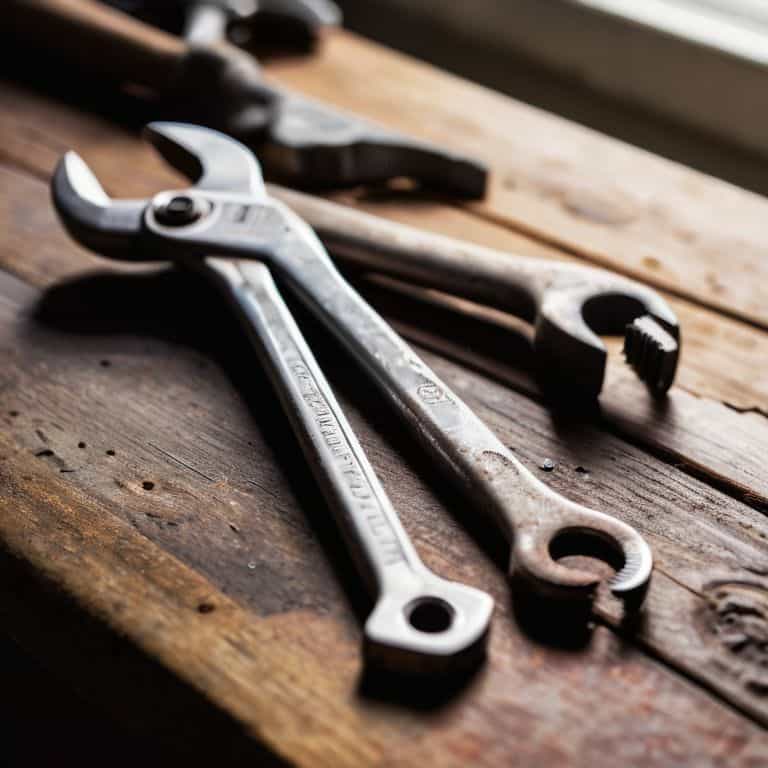
- 1. First, let’s start by familiarizing ourselves with the most common types of wrenches found in any garage or workshop, including adjustable wrenches, socket wrenches, and box-end wrenches. I like to think of them as the _toolbox heroes_ that get the job done.
- 2. Next, we need to understand the _proper usage_ of each wrench type, so we don’t end up stripping any bolts or damaging our tools. For instance, adjustable wrenches are great for tightening loose bolts, but they can be a bit tricky to use on smaller fasteners.
- 3. Now, let’s talk about socket wrenches, which are my personal favorite. To use a socket wrench, start by selecting the correct socket size for the bolt or nut you’re working with. Then, attach the socket to the wrench handle and make sure it’s securely locked in place. I’ve named my socket wrench “Sandy” – she’s a real _workhorse_.
- 4. Once you have your socket wrench assembled, it’s time to apply some elbow grease. Place the socket over the bolt or nut and turn the handle clockwise to tighten or counterclockwise to loosen. Remember to use the correct amount of _torque_ to avoid stripping the threads.
- 5. For more precise work, such as reaching into tight spaces or working with small fasteners, a box-end wrench is often the best choice. These wrenches come in a variety of sizes and are great for _delicate operations_. My grandfather used to say that a good box-end wrench is like a _surgeon’s scalpel_ – it’s all about finesse.
- 6. In addition to these common wrench types, there are also specialized wrenches designed for specific tasks, such as spark plug wrenches or wrenches for working with _hoses and pipes_. It’s worth investing in a few of these specialized tools, as they can make a big difference in certain situations.
- 7. Finally, let’s not forget about wrench maintenance, which is essential for keeping our tools in good working order. Regularly clean and _lubricate_ your wrenches to prevent rust and corrosion, and store them in a dry place to prevent damage. I like to think of my wrenches as old friends – they deserve a little _TLC_ now and then.
A Guide to Wrenches
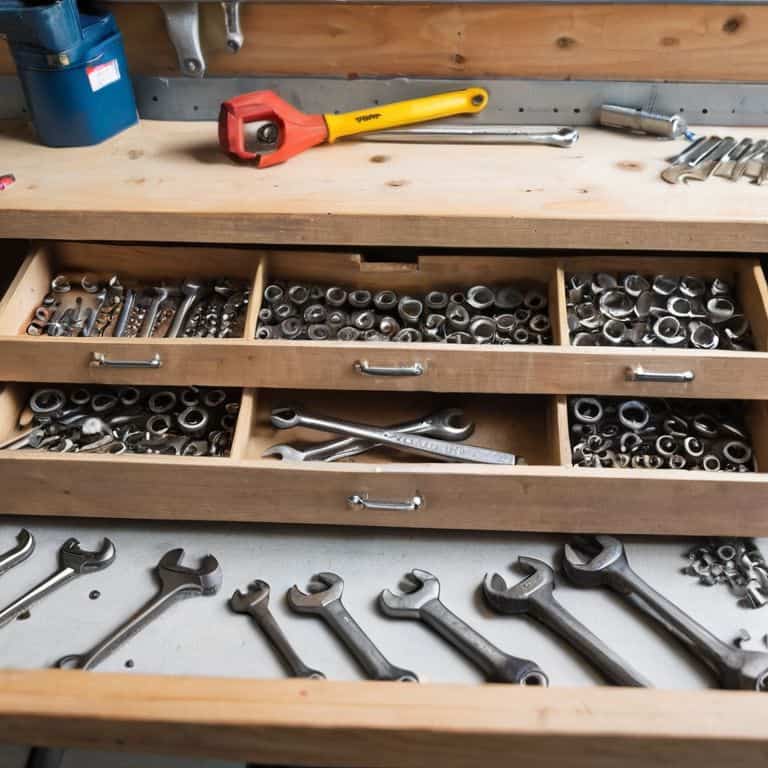
As I delve into the world of wrenches, I’m reminded of my grandfather’s old socket set, which still has a special place in my garage. When it comes to choosing the right wrench for the job, I always recommend starting with a _wrench set for beginners_. This usually includes a mix of adjustable and fixed wrenches, allowing you to tackle a variety of tasks without breaking the bank.
One of the most common debates among DIY enthusiasts is the socket wrench vs ratchet conundrum. While both have their advantages, I find that a socket wrench is ideal for tightening bolts in tight spaces. On the other hand, a ratchet is perfect for jobs that require a bit more torque. When working with wrenches, it’s essential to keep in mind wrench safety precautions, such as ensuring a secure grip and being mindful of your surroundings.
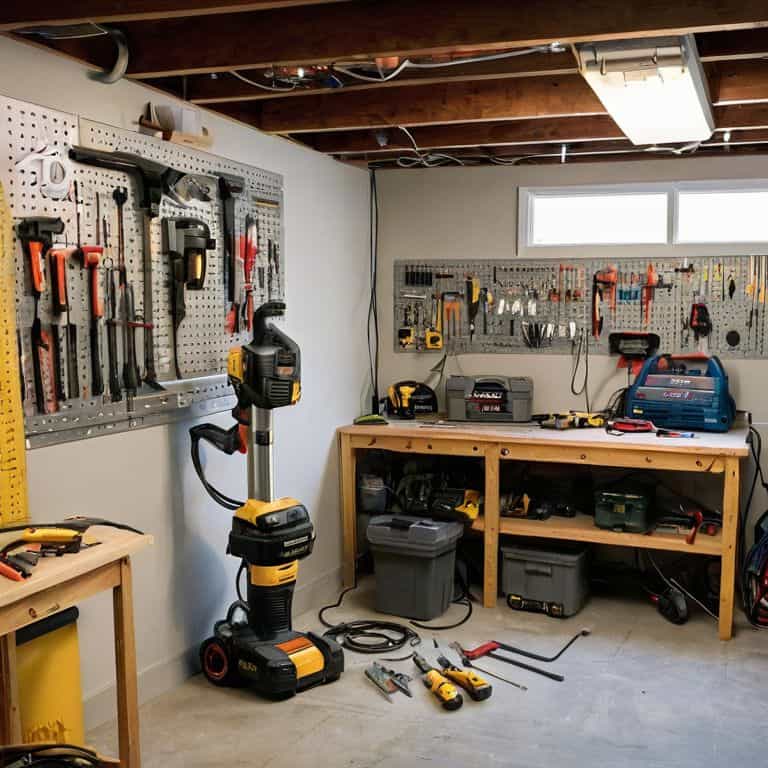
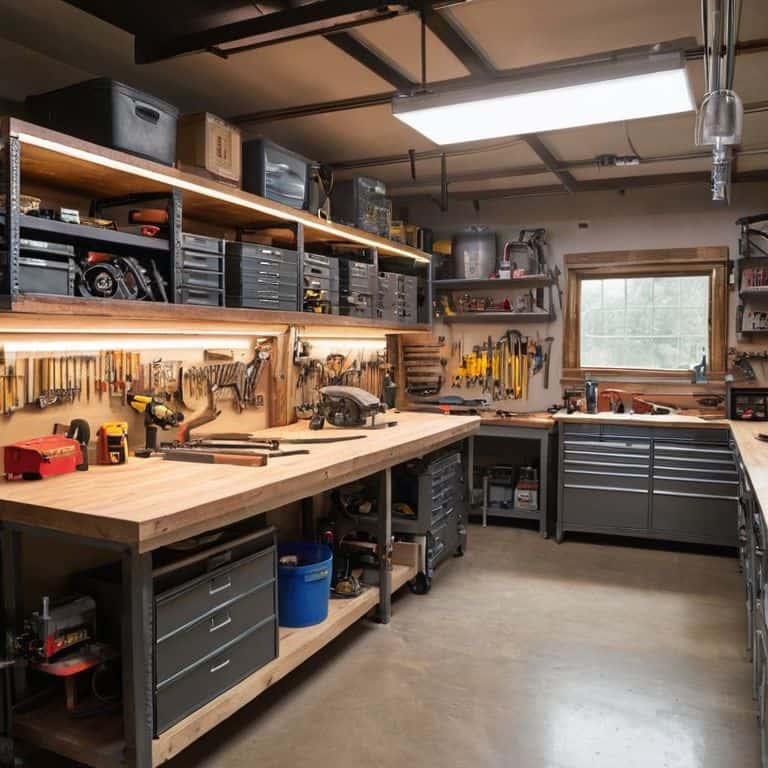
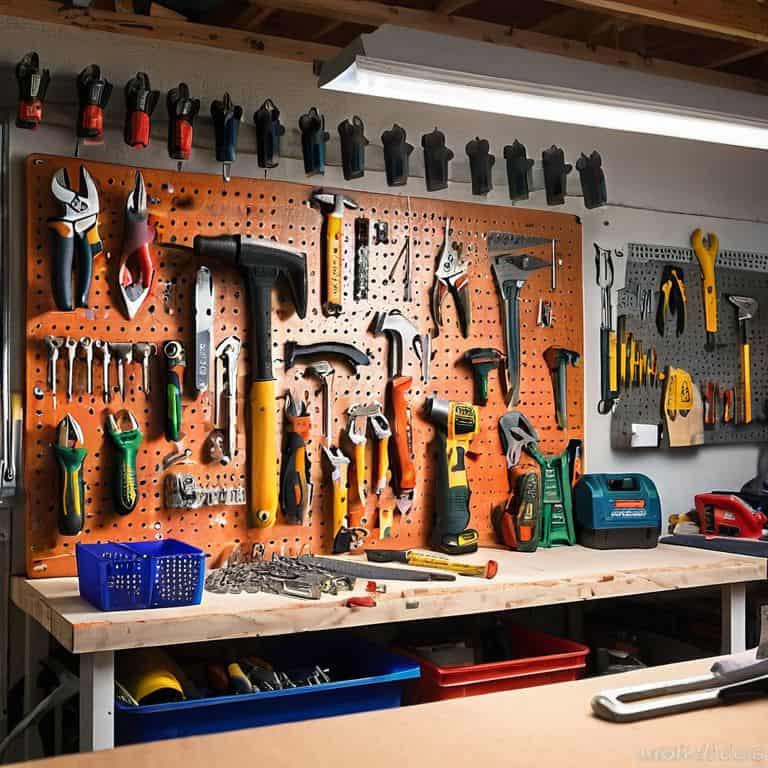
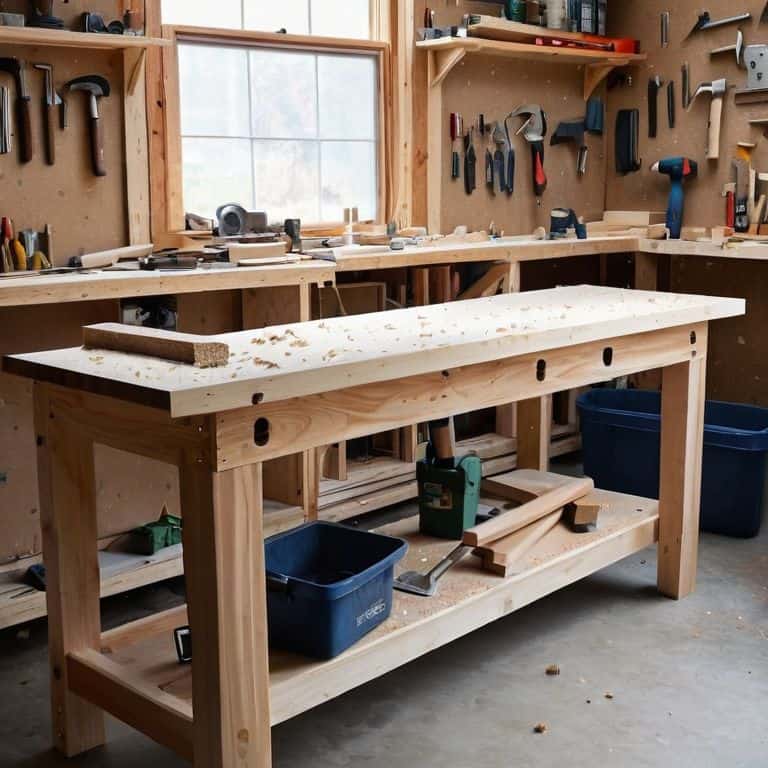
To keep your garage organized and your wrenches within reach, consider implementing some wrench organization ideas. I like to use a pegboard to hang my most frequently used tools, including my trusty wrench set. This not only saves time but also helps prevent damage to my tools. Whether you’re a seasoned pro or just starting out, having a well-organized garage can make all the difference in your projects, from _using a wrench for plumbing_ to tackling complex mechanical repairs.
Socket Wrench vs Ratchet Showdown
When it comes to getting a grip on those tricky bolts, I always find myself torn between my trusty socket wrench, Bertha, and my ratchet, Ricky. Both have their own strengths – Bertha’s got the torque, while Ricky’s got the speed. I’ve found that for bigger jobs, Bertha’s the way to go, but for finer work, Ricky’s precision is unbeatable. It’s all about choosing the right hero for the task at hand.
I recall a particularly pesky bolt on my vintage bicycle restoration project that had me switching between Bertha and Ricky. In the end, it was Ricky who saved the day, effortlessly loosening the bolt with his quick-release mechanism. It just goes to show that having both in your toolkit can be a game-changer.
Wrench Set for Beginners Unleashed
As a beginner, it’s essential to start with a solid foundation – and that’s where a good wrench set comes in. I remember my grandfather giving me my first socket set, and it was like unlocking a treasure chest of possibilities. For those just starting out, I recommend a starter set that includes a mix of adjustable and fixed wrenches. My trusty sidekicks, “Sally the Socket” and “Wally the Wrench,” are always by my side.
When choosing a wrench set, consider the types of projects you’ll be tackling most often. If you’re like me and love restoring vintage bicycles, you’ll want a set with a variety of metric and SAE sockets. Don’t be afraid to get a little creative and add your own personalized touches – like naming your tools, of course! With the right wrench set, you’ll be well on your way to becoming a garage master, and who knows, you might just find yourself having a wrenching good time.
Wrenching Wisdom: 5 Key Tips to Get You Turning
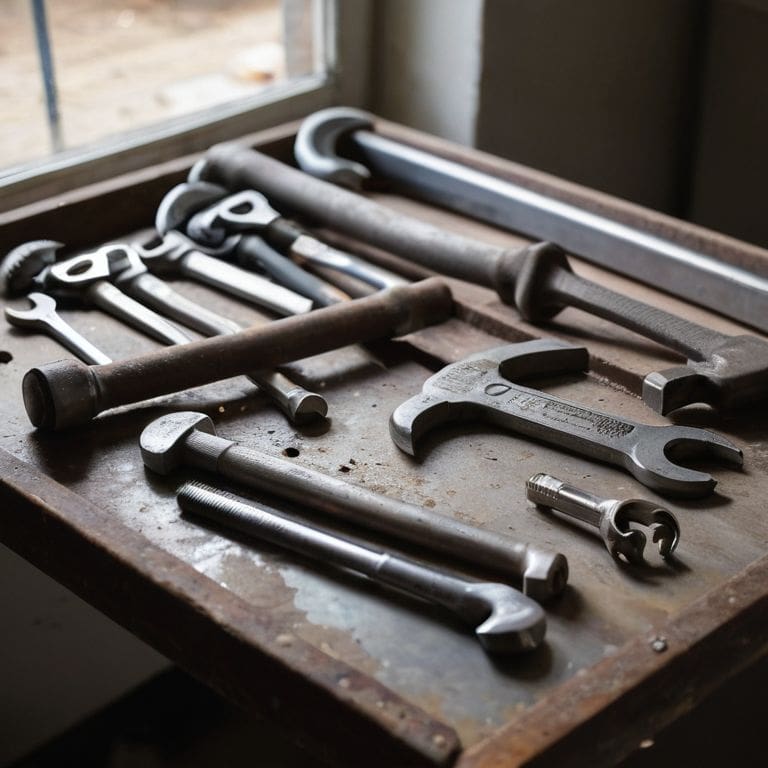
- Always keep your wrenches organized and within reach – I like to hang mine on a pegboard in my garage, with each one labeled and ready for action
- Choose the right wrench for the job: don’t try to force a socket wrench into a tight space when a trusty old adjustable wrench will do the trick
- Don’t be afraid to get creative with your wrenches – I’ve used my granddad’s old pliers to grip everything from rusty bolts to slippery bike parts
- Keep your wrenches in top condition by regularly cleaning and lubricating them – it’s amazing how much longer they’ll last with a little TLC
- Experiment with different types of wrenches to find what works best for you – I personally love my ratchet set for big jobs, but there’s no beating the satisfaction of using a vintage wrench to tighten a loose screw
Key Takeaways for Your Toolbox
Always remember to choose the right wrench for the job, whether it’s a trusty adjustable wrench like my granddad’s or a precision socket wrench from my own collection
Never underestimate the power of a well-organized toolbox – I name each of my tools, like Bertha the ball-peen hammer, to keep track of them and make each project a breeze
Practicing with different types of wrenches, from basin wrenches to torque wrenches, will not only make you a master of the garage but also give you the confidence to tackle any DIY project that comes your way
Wrenching Wisdom
A good wrench is like a good friend – it’s always there to help you tighten up the loose ends and never leaves you feeling stripped screw!
John Beeler
Wrapping Up the Wrench Guide
As we conclude this journey through the world of wrenches, it’s essential to remember the basics: understanding the different types, from adjustable to basin wrenches, and knowing when to use each one. We’ve covered the essentials of a beginner’s wrench set, compared socket wrenches and ratchets, and explored the versatility of a well-stocked toolbox. By now, you should feel more confident in your ability to choose the right wrench for the job and tackle those garage projects with ease.
So, the next time you step into your garage, I hope you’ll see it not just as a storage space, but as a playground for creativity and innovation. With your newfound knowledge of wrenches and a bit of imagination, you can breathe new life into old projects and turn your garage into a haven of DIY delights. As I always say, it’s time to get your hands dirty and unleash the toolbox heroes that will help you create something truly amazing!
Frequently Asked Questions
What's the best way to organize my wrenches in the garage to ensure I can find the right one quickly?
I swear by my trusty toolbox with labeled dividers – Betsy, my ball-peen hammer, and the rest of the gang all have their assigned spots. I also use a pegboard for my most-used wrenches, like Sammy the socket wrench and Rachel the ratchet. It’s a game-changer for finding the right tool in a flash!
How do I know which type of wrench is best suited for a specific job or project?
For me, it’s all about matching the wrench to the task at hand. I like to think of it like choosing the right bike for a ride – you wouldn’t take a road bike on a trail, right? Same with wrenches. My trusty sidekick, ‘Bertha’ the adjustable wrench, is perfect for loose bolts, while ‘Sparky’ the socket wrench is my go-to for tighter spaces.
Can I use an adjustable wrench for all my projects or are there situations where a fixed wrench is preferable?
Ah, the adjustable wrench – my trusty sidekick, Bertha! While she’s versatile, there are times when a fixed wrench is the way to go. For precision tasks or high-torque jobs, a fixed wrench like my favorite, Stanley, provides the extra oomph and control you need. It’s all about having the right tool for the job, just like my granddad taught me!