I still remember the first time I stumbled upon a hidden treasure trove of reclaimed wood in my neighborhood. It was as if I had uncovered a secret world, where every plank and beam held the promise of a new creation, waiting to be brought to life by my imagination and skills. This experience sparked a passion within me, and I soon found myself on a mission to explore the wonderful world of woods, determined to create a comprehensive guide to different types of wood for projects. As I delved deeper, I realized that many people struggle to navigate the vast array of wood options, often feeling overwhelmed by the numerous types and their unique characteristics.
As you embark on your own journey to create something truly special, I want to assure you that this article will provide you with practical advice and honest guidance on how to choose the perfect wood for your project. You’ll learn about the different types of wood, their strengths, and weaknesses, as well as some clever tricks for working with each one. Whether you’re a seasoned maker or just starting out, this guide is designed to empower you with the knowledge and confidence to bring your creative vision to life. So, let’s get started and uncover the secrets of the wood world together, shall we?
Table of Contents
- Guide Overview: What You'll Need
- Step-by-Step Instructions
- A Guide to Different Woods
- Unlocking the Full Potential: 5 Essential Tips for Working with Different Types of Wood
- Key Takeaways for the Modern Woodworker
- Embracing the Art of Woodworking
- Embracing the Art of Woodworking: A Lasting Legacy
- Frequently Asked Questions
Guide Overview: What You'll Need
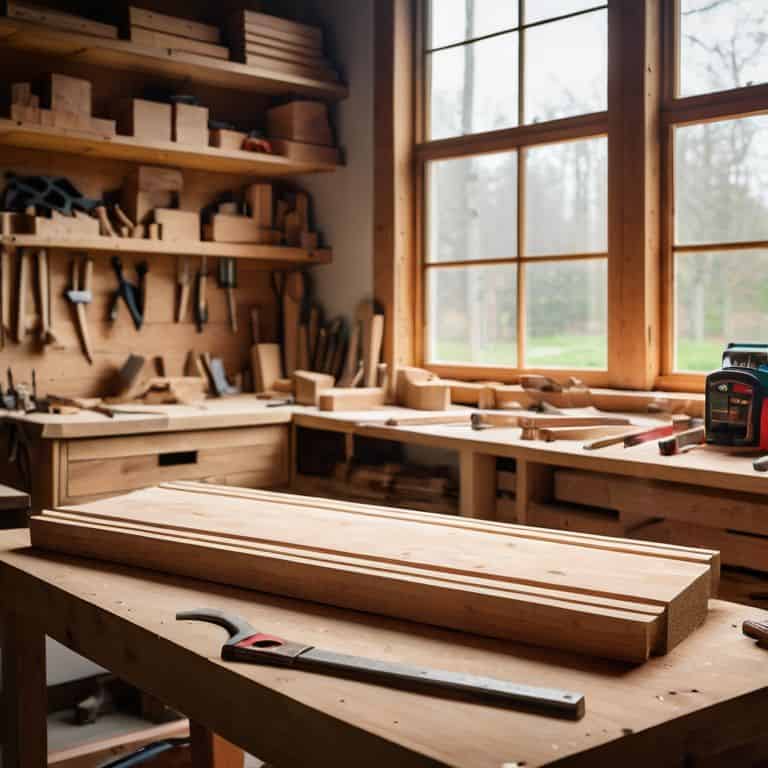
Total Time: 1 hour 30 minutes
Estimated Cost: $20 – $100
Difficulty Level: Intermediate
Tools Required
- Table Saw for cutting lumber to size
- Sander for smoothing out wood surfaces
- Drill Press for precise drilling
- Tape Measure for measuring wood pieces
- Square for ensuring accurate cuts
Supplies & Materials
- Oak Wood a popular hardwood for furniture-making
- Pine Wood a softwood often used for framing and paneling
- Maple Wood a hardwood with a light color and fine grain
- Cherry Wood a hardwood with a rich, reddish-brown color
- Cedar Wood a softwood with a distinctive aroma and resistance to rot
- 2-in x 4-in lumber for framing and support
- 3/4 inch plywood for shelving and paneling
- Wood Glue for bonding wood pieces together
- Wood Finish for protecting and enhancing the wood surface
Step-by-Step Instructions
- 1. First, let’s start by exploring the basics of wood types, understanding that each has its unique characteristics, such as grain pattern, density, and color. This initial step is crucial because it sets the foundation for choosing the right wood for your project, whether you’re a seasoned maker or just starting out.
- 2. Next, we need to consider the project’s purpose, thinking about the functionality, durability, and aesthetic appeal you want to achieve. For instance, if you’re making a piece of furniture, you’ll want wood that is sturdy and resistant to wear and tear, whereas for decorative items, you might prioritize appearance over durability.
- 3. Now, let’s dive into the world of softwoods, which include pine, spruce, and fir. These woods are generally less expensive and softer than hardwoods, making them easier to work with for beginners. They are ideal for projects like building birdhouses, picture frames, or other small crafts where weight and extreme durability are not major concerns.
- 4. Moving on, we have hardwoods, which are denser and typically more expensive than softwoods. Hardwoods like oak, maple, and cherry are perfect for creating durable and long-lasting items such as furniture, flooring, and cutting boards. They offer a wide range of colors and grain patterns, adding a touch of sophistication to any project.
- 5. The fifth step involves understanding the role of wood grain, which can significantly affect the appearance and strength of your finished project. Wood grain patterns can add unique character to your creations, and learning to work with them can elevate your DIY projects from simple crafts to pieces of art.
- 6. Once you’ve selected your wood, it’s time to prepare your workspace, ensuring you have all the necessary tools and safety equipment. This includes a well-ventilated area, protective goggles, and the right saws and sanding tools for your specific wood type. A well-prepared workspace is key to a successful and enjoyable DIY experience.
- 7. Finally, bring your project to life by combining your chosen wood with your creativity and skills. Whether you’re staining, painting, or applying a natural oil finish, this final step is where your vision becomes a reality. Remember, the process of creating something with your own hands is just as valuable as the end result, so enjoy the journey and don’t be afraid to experiment and try new things.
A Guide to Different Woods
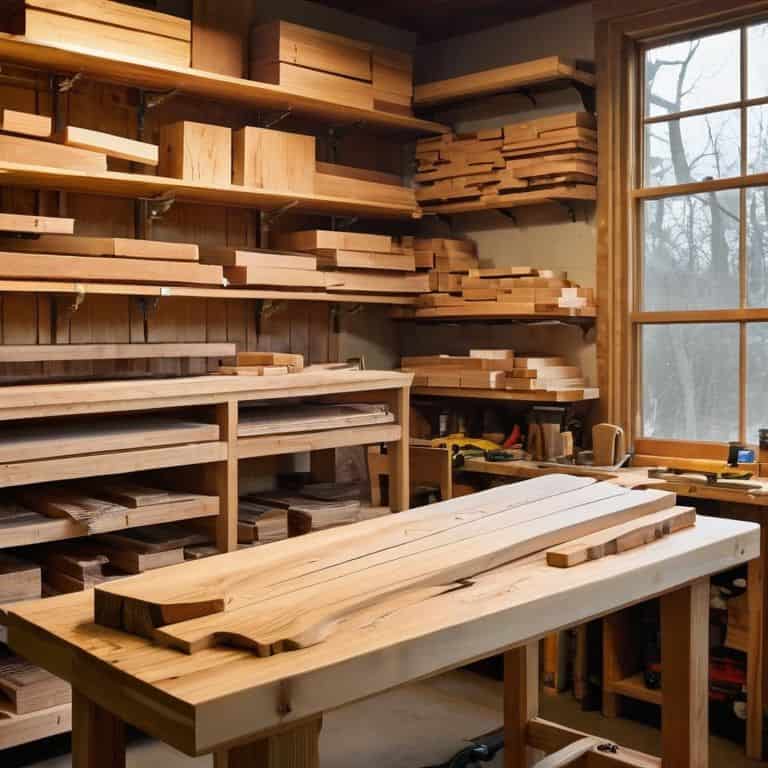
As I delve into the world of woodworking, I’m constantly amazed by the diversity of wood types available to us. From the dense hardwoods like oak and maple, to the softer woods like pine and fir, each type of wood has its own unique characteristics and uses. For woodworking beginners, it’s essential to understand the different types of wood grain, as this can greatly impact the final result of your project.
When it comes to choosing the right wood for your project, sustainability should be a top consideration. Opting for sustainable wood sources not only helps reduce your environmental footprint, but it can also ensure that your project stands the test of time. I’ve found that reclaimed wood, in particular, can add a touch of warmth and character to any room. By repurposing old wood, you’re not only reducing waste, but also creating a truly one-of-a-kind piece.
As you explore the world of woodworking, don’t be afraid to experiment with different wood finishing techniques. From staining and sealing to painting and distressing, the possibilities are endless. For those looking for inspiration, there are countless wood project ideas for home that can add a personal touch to your space. Whether you’re building a coffee table or a treehouse, the right wood and finish can make all the difference.
Sustainable Wood Sources Explored
As I wander through the forest, I’m reminded that sustainable wood sources are the backbone of eco-friendly woodworking. Reclaimed, recycled, and responsibly harvested woods are not only better for the planet, but they also add a rich history to your projects. I’ve worked with salvaged barn wood, transforming it into beautiful pieces that tell a story of their own. By choosing sustainable wood sources, you’re not only reducing waste, but also supporting a more circular economy.
I’ve found that urban forests, tree trimming services, and local sawmills can be treasure troves for unique, sustainably sourced woods. These hidden gems often yield stunning results, from the vibrant colors of freshly cut cedar to the weathered textures of reclaimed oak. By embracing sustainable wood sources, you’ll not only create stunning pieces, but also contribute to a more environmentally conscious community of makers.
Uncovering Wood Grain Secrets
As I delve into the world of wood, I’m constantly fascinated by the unique characteristics of each type. The grain pattern, in particular, is like a fingerprint – no two are alike. From the striking stripes of zebrano to the gentle waves of oak, every wood grain tells a story of the tree’s history and growth. By understanding and embracing these natural patterns, we can create projects that not only showcase our craftsmanship but also celebrate the inherent beauty of the material.
I love experimenting with different woods to uncover their hidden secrets. For instance, did you know that the grain of a wood can affect its durability and stability? By choosing the right wood for your project, you can ensure a longer lifespan and a more satisfying finish. Whether you’re working with the rich, dark tones of walnut or the soft, pale hues of pine, each wood grain holds a secret to unlocking its full potential.
Unlocking the Full Potential: 5 Essential Tips for Working with Different Types of Wood
- Choose the Right Wood for the Job: Consider the intended use, durability, and aesthetic appeal of your project to select the most suitable type of wood
- Understand the Grain: Familiarize yourself with the unique grain patterns and characteristics of various woods to ensure stable and visually appealing results
- Source Sustainably: Opt for reclaimed, recycled, or responsibly harvested wood to minimize your environmental footprint and support eco-friendly practices
- Prepare for Variety: Different types of wood respond differently to tools and finishes, so be prepared to adapt your techniques and materials to achieve the best outcomes
- Experiment and Have Fun: Don’t be afraid to try new types of wood and techniques – it’s often the unexpected combinations that lead to the most innovative and exciting projects
Key Takeaways for the Modern Woodworker
Embracing the unique characteristics of different wood types can elevate your DIY projects from ordinary to extraordinary, as each wood grain tells a story of its origin and potential uses
By choosing sustainable wood sources, you not only contribute to the health of our planet but also ensure that your creations are infused with the value of eco-consciousness, making every handmade piece a statement of your commitment to the environment
Whether you’re a seasoned craftsman or a curious beginner, the world of wood offers endless possibilities for creativity and self-expression, inviting you to experiment, innovate, and push the boundaries of what can be made with this versatile and beautiful natural material
Embracing the Art of Woodworking
As we delve into the world of wood, remember that every tree has a story to tell, and every plank holds the promise of a new creation – it’s up to us to uncover the hidden potential and bring it to life with our own two hands.
Stanley Truman
Embracing the Art of Woodworking: A Lasting Legacy
As we conclude this journey through the wonderful world of woods, it’s essential to reflect on the key takeaways from our exploration. We’ve delved into the characteristics of different wood types, understanding their unique grain patterns, textures, and sustainable sources. By grasping these fundamentals, you’ll be better equipped to select the perfect wood for your projects, whether you’re a seasoned maker or just starting out. Remember, the art of woodworking is not just about creating something functional, but also about crafting a piece that tells a story and reflects your personality.
As you embark on your next woodworking adventure, I encourage you to unleash your creativity and push the boundaries of what’s possible. Don’t be afraid to experiment with new techniques, blend different wood types, or incorporate reclaimed materials into your designs. By doing so, you’ll not only create something truly unique but also contribute to a more sustainable future. So, go ahead, get your hands dirty, and let the wood guide you – the possibilities are endless, and the journey is just as rewarding as the destination.
Frequently Asked Questions
What are the most durable types of wood for outdoor projects?
For outdoor projects, I swear by durable woods like cedar, cypress, and redwood. These naturals are resistant to rot, insects, and harsh weather, making them perfect for withstanding the elements. Plus, they’re sustainable and aromatic – a win-win for your outdoor creations!
How can I determine the best type of wood for a specific DIY project based on its intended use?
To choose the perfect wood for your DIY project, consider its intended use and the desired look and feel. Ask yourself: will it be outdoors, bearing weight, or requiring a smooth finish? Different woods have unique characteristics, so think about durability, grain pattern, and workability to make an informed decision that brings your creative vision to life.
Are there any affordable and sustainable alternatives to exotic or rare wood types for woodworking projects?
Ah, absolutely! Consider locally sourced woods like oak, maple, or pine, which are often just as beautiful and durable as their exotic counterparts. You can also explore reclaimed or salvaged wood from old barns, fences, or even pallets – it’s a great way to reduce waste and add character to your projects.