I still remember the day I tried to breathe new life into my grandfather’s old drill, only to find it was clogged with years of dust and grime. I had to learn how to clean and lubricate your power tools the hard way, but it sparked a passion in me for giving old tools a second chance. As someone who’s grown up in a community that thrives on creativity and collaboration, I’ve come to realize that a little TLC can go a long way in extending the life of our trusty power tools. The common myth that cleaning and lubricating power tools is a tedious, unnecessary task couldn’t be further from the truth – in fact, it’s a simple process that can make all the difference in their performance.
In this article, I’ll share my personal tips and tricks for cleaning and lubricating power tools with love and care. You’ll learn how to identify the areas that need the most attention, the best materials to use for cleaning, and some clever hacks for keeping your tools in top condition. Whether you’re a seasoned DIY enthusiast or just starting out, I promise that these practical advice and straightforward instructions will make the process a breeze. By the end of this guide, you’ll be equipped with the knowledge to give your power tools the TLC they deserve, and they’ll reward you with years of faithful service. So, let’s get started and give those power tools the love they need to keep on humming!
Table of Contents
Guide Overview: What You'll Need
Total Time: 1 hour 15 minutes
Estimated Cost: $10 – $30
Difficulty Level: Easy
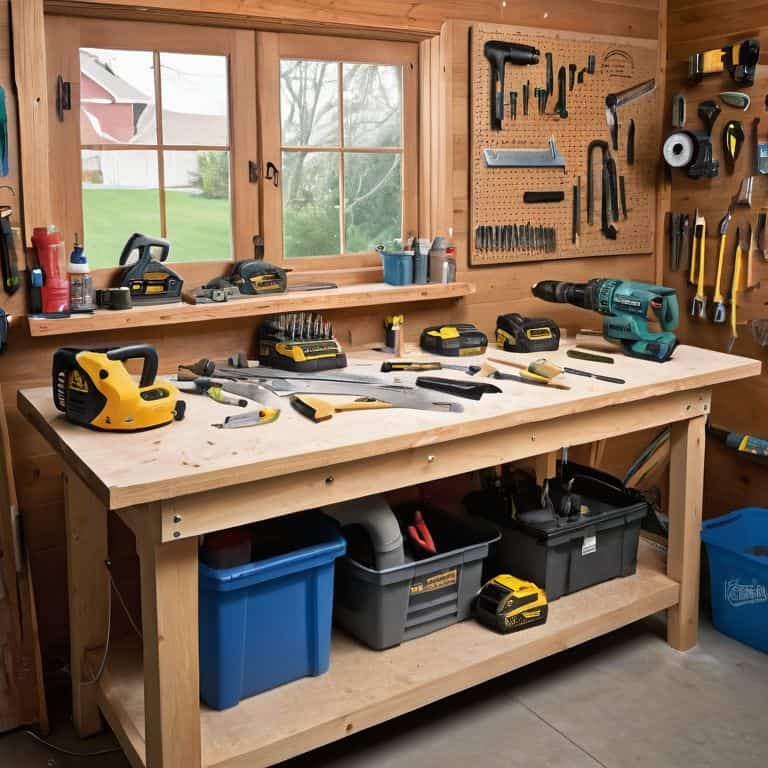
Tools Required
- Soft-bristled brush for removing debris
- Rag for wiping down tools
- Allen wrench for removing screws or bolts
- Socket wrench for removing parts with sockets
Supplies & Materials
- Silicone spray lubricant for lubricating moving parts
- Machine oil for lubricating gears and bearings
- Compressed air for blowing out debris
- Cleaning solution for cleaning surfaces, e.g., mixture of water and mild detergent
Step-by-Step Instructions
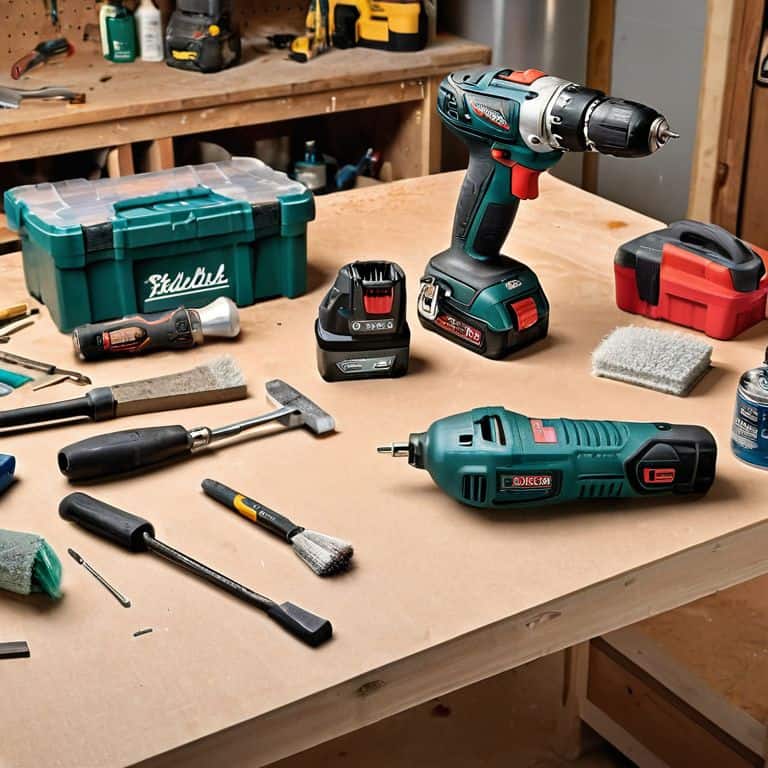
- 1. First, let’s gather our cleaning arsenal and get started on this DIY adventure. We’ll need a soft-bristled brush, a dry cloth, a can of compressed air, a silicone-based lubricant, and some warm soapy water. I like to think of this step as preparing for a fun treasure hunt, where the treasure is a set of sparkling clean power tools.
- 2. Next, we’ll begin by dusting off any visible debris from our power tools using the soft-bristled brush. This is an essential step, as it prevents any dirt or dust from getting stuck in the tools’ crevices when we apply the lubricant. I’ve found that an old toothbrush can work wonders for getting into those tight spaces.
- 3. Now it’s time to blast away any remaining dust or debris with our trusty can of compressed air. Hold the can upright and spray the air in short bursts, moving the can around the tool to ensure we get all the nooks and crannies. Be careful not to spray the can too closely to any electrical components, as we don’t want to damage our beloved power tools.
- 4. With our tools now free from loose debris, let’s give them a good wipe down with a dry cloth. This will help remove any stubborn dirt or grime that’s accumulated over time. I like to use an old cotton t-shirt or a microfiber cloth for this step, as they’re gentle on the tools and can pick up even the smallest particles.
- 5. For any particularly stubborn stains or grime buildup, we can mix up a solution of warm soapy water and use it to gently scrub away the offending area. Just be sure to dry the tool thoroughly afterward, as we don’t want any water spots or mineral deposits forming. A soft, lint-free cloth is perfect for drying our tools and preventing any water spots.
- 6. Now that our tools are clean, it’s time to lubricate them and get them running smoothly. Apply a small amount of silicone-based lubricant to any moving parts, such as hinges or bearings. I like to use a lubricant specifically designed for power tools, as it’s formulated to withstand the high temperatures and friction that come with heavy use.
- 7. Finally, let’s take our newly cleaned and lubricated power tools for a test spin. Plug them in, turn them on, and make sure everything is running smoothly. Listen for any unusual noises or vibrations, and make any necessary adjustments to the lubricant or cleaning. With our tools now in top working condition, we can get back to our DIY projects with confidence, knowing that our trusty power tools have got our backs.
Revive Your Power Tools
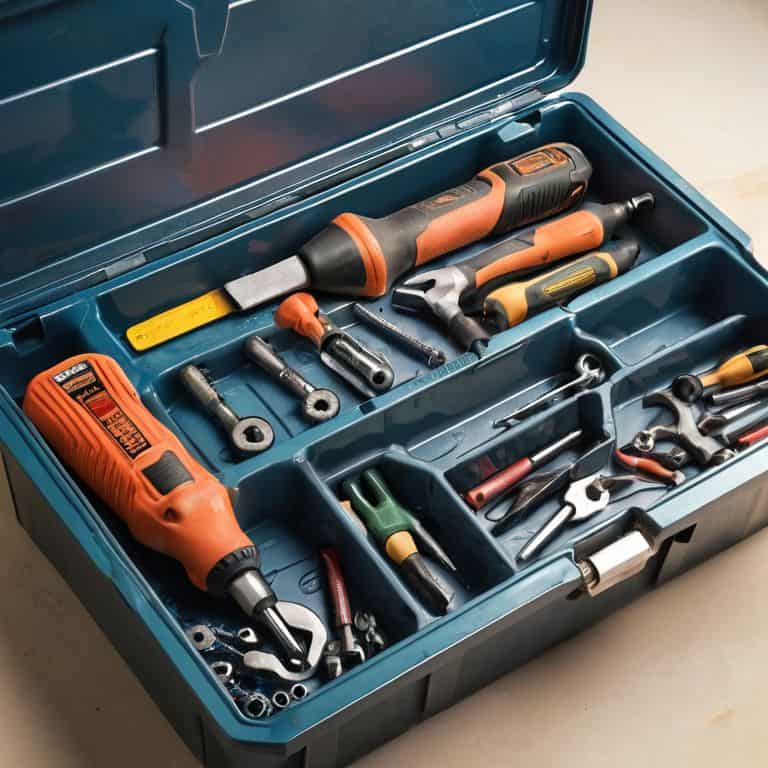
As I delve into the world of power tool maintenance, I’m reminded of the importance of rust prevention methods for metal tools. A well-maintained toolbox is not just about cleaning and lubricating, but also about creating an environment that fosters longevity. I like to think of my power tools as trusted companions, each with its own unique personality and quirks. By storing them in a dry, cool place, I’m able to prevent rust from forming and keep them in top condition.
When it comes to lubrication, I’ve found that using the right type of lubricant can make all the difference. Different power tools require different types of lubrication, and using the wrong one can lead to decreased performance and even damage. For example, my drill requires a specific type of oil to keep it running smoothly, while my saw blades need a different type of lubricant to prevent friction and wear. By understanding the specific needs of each tool, I’m able to extend the life of my saw blades and keep them cutting cleanly and efficiently.
As I work on my power tools, I’m always on the lookout for ways to improve my maintenance routine. One common mistake I’ve noticed is neglecting to clean and lubricate tools after each use. By making this a habit, I’m able to prevent damage and keep my tools in top condition. It’s all about developing a step by step cleaning guide that works for me and my unique set of tools. By doing so, I’m able to ensure that my power tools continue to run smoothly and efficiently, and that I’m always ready for the next project that comes my way.
Lubrication Types for Drills
When it comes to lubricating your drills, I’ve found that a little creativity can go a long way. For instance, silicone spray is a great option for drill bits and other moving parts, as it provides a smooth, waterproof barrier that keeps things running effortlessly. Alternatively, you can also use a light machine oil, like 3-in-One, which is perfect for lubricating the drill’s motor and other internal components. I like to think of lubrication as giving my tools a little “spa day” – it’s all about finding the right treatment to keep them happy and healthy.
Rust Prevention for Metal Tools
To keep your metal tools in top condition, rust prevention is key. I like to think of it as giving my tools a protective hug. A thin layer of oil or silicone spray can work wonders in shielding them from moisture. For extra protection, I dry my tools thoroughly after cleaning and store them in a dry place. It’s amazing how a little TLC can extend the life of your trusty tools.
I’ve also found that applying a rust-inhibiting coating to my metal tools provides an extra layer of defense. It’s a simple step that can save you from having to replace your tools prematurely. By taking these small precautions, you can breathe new life into your power tools and keep them running smoothly for years to come.
5 Handy Tips to Breathe New Life into Your Power Tools
- Always start by unplugging your power tools before cleaning to avoid any accidental start-ups
- Use a soft-bristled brush to sweep away loose debris from your tools, it’s amazing how much of a difference this simple step can make
- Mix baking soda and water to create a paste that can help remove stubborn grime and rust from metal surfaces, a trick I learned from my grandmother’s quilt-making days
- Apply a few drops of silicone-based lubricant to moving parts, such as gears and hinges, to keep them running smoothly and quietly
- Regularly cleaning and lubricating your power tools can actually help extend their lifespan, so try to set aside some time each month to give them a little TLC and maintenance love
Key Takeaways for a Power Tool Revival
Regular cleaning and lubrication can significantly extend the lifespan of your power tools, making them more efficient and reliable for your DIY adventures
Choosing the right lubricant for your drill and other power tools is crucial – consider the type of material you’re working with and the environment in which you’re working to select the perfect match
By adopting a few simple habits, such as storing your tools in a dry place and performing routine maintenance, you can prevent rust and keep your power tools in top condition, ready to tackle any project that comes your way
Words to Live By
As we tend to our tools, we tend to our own potential – for in the act of cleaning and lubricating, we not only revive the instruments of our craft, but also revive the spirit of creativity and self-sufficiency that drives us.
Stanley Truman
Embracing the Joy of Tool Maintenance
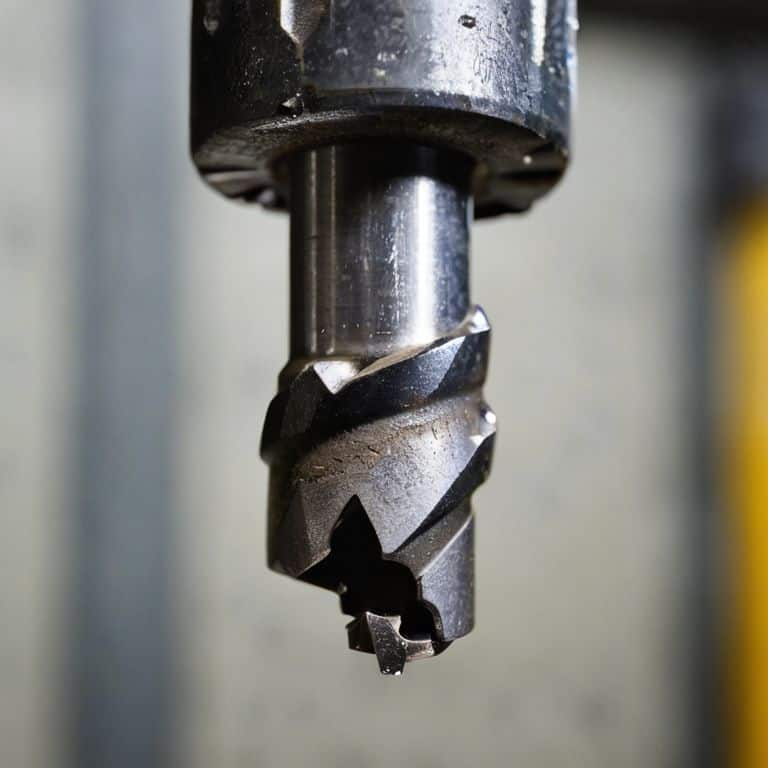
As we conclude our journey through the world of power tool cleaning and lubrication, let’s take a moment to reflect on the key takeaways. We’ve learned how to breathe new life into our trusty power tools, from the initial cleaning process to the application of the right lubricants. We’ve also delved into the importance of rust prevention for metal tools and explored the various lubrication types suitable for drills. By following these steps and tips, you’ll not only extend the lifespan of your tools but also ensure they continue to perform at their best.
As you put these newfound skills into practice, remember that maintaining your power tools is not just about functionality – it’s also an act of self-sufficiency and a celebration of the human spirit’s capacity for creativity and resourcefulness. So, the next time you’re tempted to discard a worn-out tool, take a step back, get creative, and see the potential for new life in those rusty remnants. Together, let’s forge a community that values sustainable living and finds joy in the art of making and maintaining.
Frequently Asked Questions
What are some common mistakes to avoid when cleaning and lubricating power tools?
When cleaning and lubricating power tools, beware of using harsh chemicals or excessive force, which can damage surfaces or strip away essential coatings. Also, avoid over-lubricating, as this can attract dust and dirt, leading to premature wear. Let’s keep it gentle and intentional, just like tending to a garden – our tools will thank us!
How often should I clean and lubricate my power tools to maintain their performance?
The frequency of cleaning and lubricating depends on usage, but as a rule of thumb, I like to give my power tools a good once-over after every 10 hours of use. For me, it’s become a ritual – a chance to inspect, clean, and lubricate, ensuring they stay in top shape and ready for the next creative project that comes along!
Can I use household items, like cooking oil or WD-40, to lubricate my power tools or are there specific products I should use instead?
While it’s tempting to reach for cooking oil or WD-40, they’re not ideal for power tools. Cooking oil can become gummy, and WD-40 can attract dust. Instead, I recommend using silicone-based lubricants or specialized tool oils for optimal performance and longevity. Your tools will thank you!