I still remember the first time I stumbled upon the concept of what is hugelkultur – it was like a breath of fresh air in a world where gardening often seems to require a lot of expensive equipment and chemicals. I was at a community garden, watching a friend transform a pile of discarded wood and leaves into a thriving ecosystem. The smell of damp earth and decaying wood filled the air, and I was fascinated by the idea of creating something beautiful and sustainable out of nothing. As I delved deeper into the world of hugelkultur, I realized that it’s not just a gardening technique, but a way of thinking about waste and resources.
In this article, I promise to cut through the hype and give you a no-nonsense guide to understanding and implementing hugelkultur in your own backyard. I’ll share my personal experiences, the successes and failures, and provide you with practical tips on how to get started. My goal is to empower you to think creatively about waste and resources, and to show you that sustainable living is not just a trendy phrase, but a achievable reality. Whether you’re a seasoned gardener or just starting out, I hope to inspire you to join me on this journey of discovery and exploration of the wonderful world of hugelkultur.
Table of Contents
Unlocking Hugelkultur Secrets
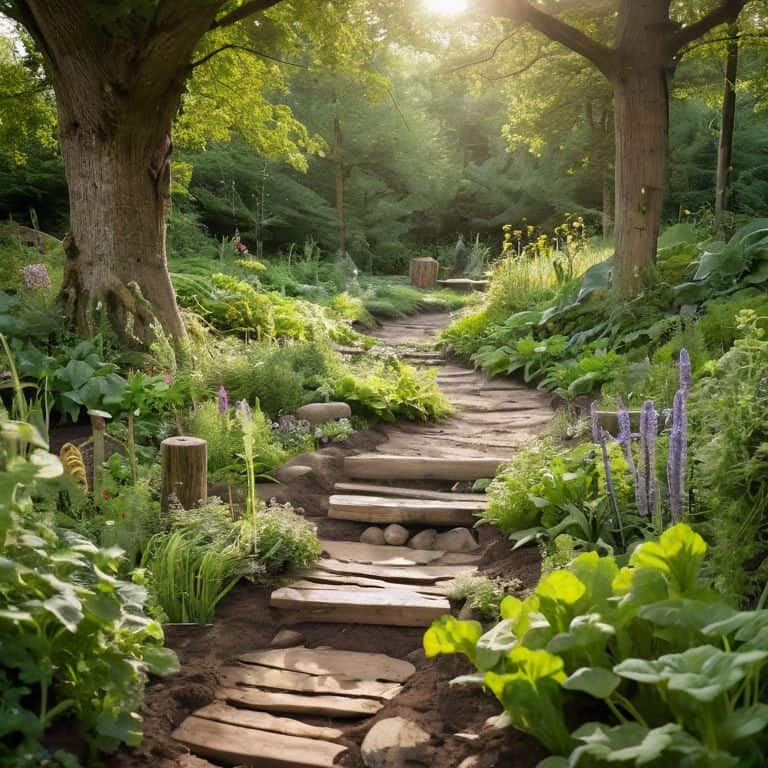
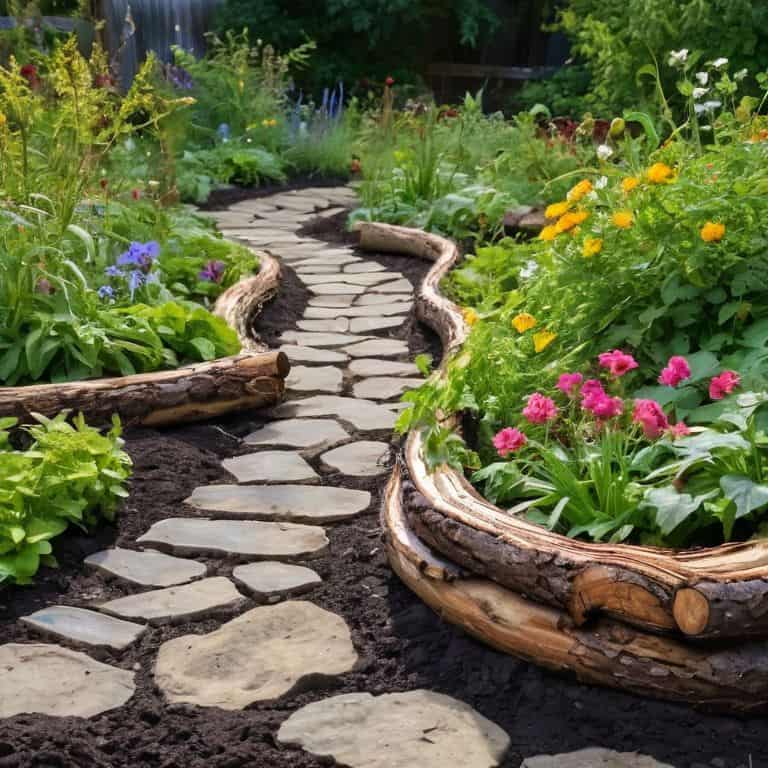
As I delve into the world of hugelkultur, I’m excited to share with you the secrets I’ve uncovered. One of the most fascinating aspects of this technique is the hugelkultur bed construction process. It’s amazing to think that by creating a mound of decomposing wood and other organic materials, we can establish a thriving ecosystem that requires minimal maintenance. I’ve seen it in action, and it’s truly remarkable how these beds can become a haven for local wildlife and a bounty of fresh produce.
The benefits of hugelkultur gardening are numerous, and I’m eager to explore them further. Not only does this method promote healthy soil and efficient water retention, but it also creates a unique microclimate that can extend the growing season. I’ve noticed that my own hugelkultur bed has become a hotspot for biodiversity, with a variety of plants and insects calling it home. It’s a testament to the power of hugelkultur and permaculture principles, which emphasize working with nature to create sustainable and regenerative systems.
When it comes to building a hugelkultur mound, I’ve found that it’s all about experimentation and creativity. Whether you’re working with a large plot of land or a small urban space, there are ways to adapt this technique to suit your needs. I’ve even seen hugelkultur for small spaces become a reality, with compact mounds thriving on balconies and in backyard corners. The key is to focus on hugelkultur water retention, using materials that will help to conserve moisture and reduce the need for frequent watering.
Benefits of Hugelkultur in Small Spaces
As I explore the wonders of hugelkultur, I’m constantly amazed by its potential to transform small spaces into thriving oases. One of the most significant advantages of this technique is that it allows for efficient water retention, reducing the need for frequent watering and making it perfect for urban gardens or balconies with limited space.
By incorporating hugelkultur into small spaces, individuals can create a self-sustaining ecosystem that not only provides a unique aesthetic but also helps to purify the air and support local biodiversity. This approach to gardening is a game-changer for those living in apartments or homes with limited yard space, as it enables them to grow their own food and connect with nature in a meaningful way.
Building Hugelkultur Mounds With Ease
To start building your hugelkultur mound, you’ll want to gather a mix of organic materials like branches, leaves, and grass clippings. This base layer will help retain moisture and provide a nutrient-rich foundation for your plants.
As you add more layers, remember to balance the carbon-to-nitrogen ratio by combining “brown” materials like twigs and dry leaves with “green” materials like food scraps and fresh grass clippings.
What Is Hugelkultur Magic
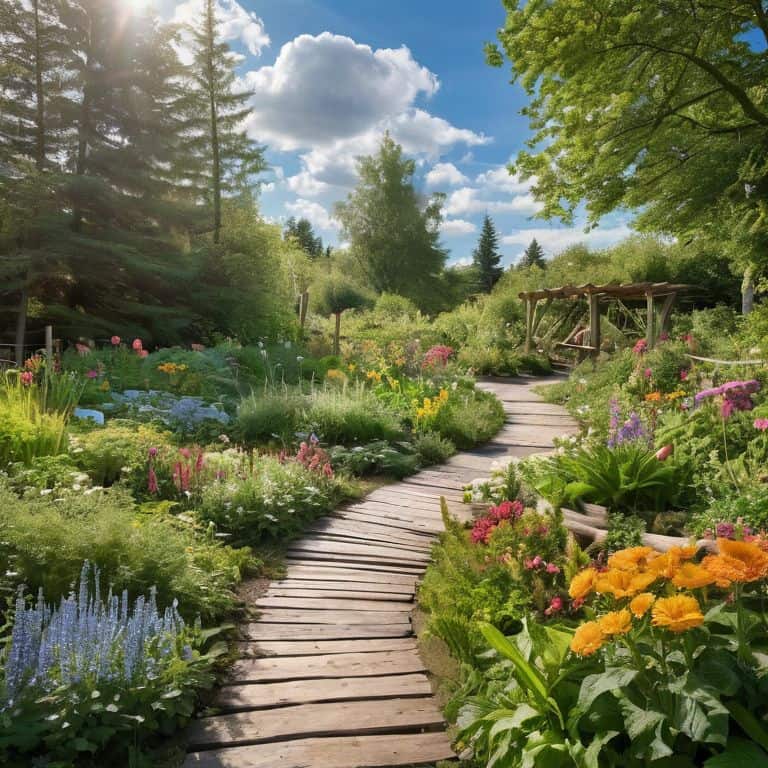
As I delve into the world of hugelkultur, I’m constantly amazed by the synergy between nature and human ingenuity. This traditional German technique has been around for centuries, yet its application in modern gardening is still a relatively untapped treasure trove of possibilities. By embracing hugelkultur bed construction, we can create self-sustaining ecosystems that not only produce abundant harvests but also contribute to a healthier environment.
One of the most significant benefits of hugelkultur gardening lies in its ability to retain water. This is especially crucial in areas prone to drought or with limited water resources. By building a hugelkultur mound, we can create a natural reservoir that slowly releases water back into the soil, reducing the need for frequent irrigation. This approach is closely tied to hugelkultur and permaculture, as it promotes a holistic understanding of the interconnectedness of our ecosystem.
In small spaces, hugelkultur can be a game-changer. It allows us to create thriving gardens in even the most unlikely of areas, from urban balconies to tiny backyards. The key is to understand how to harness the power of hugelkultur water retention, using it to our advantage to grow a wide variety of plants with minimal external inputs. By doing so, we not only create beautiful and productive gardens but also contribute to a more sustainable future.
Hugelkultur and Permaculture Bliss
As I delve into the world of hugelkultur, I’m constantly reminded of its synergistic relationship with permaculture. By embracing the principles of permaculture, we can create a holistic ecosystem that thrives on minimal waste and maximum efficiency. This approach not only enhances the beauty of our surroundings but also fosters a deeper connection with nature.
In my own backyard, I’ve experimented with combining hugelkultur with permaculture techniques, and the results have been nothing short of remarkable. By incorporating native plant species, I’ve been able to attract a diverse range of pollinators and create a thriving ecosystem that requires minimal maintenance.
Mastering Hugelkultur Water Retention
As I delve into the world of hugelkultur, I’m constantly amazed by its ability to retain moisture, allowing plants to thrive even in the driest of conditions. This is especially crucial in small spaces where every drop of water counts. By incorporating decomposing wood and organic materials into the mound, we create a sponge-like effect that absorbs and releases water as needed.
To truly maximize water retention, it’s essential to balance the carbon-to-nitrogen ratio within the hugelkultur mound. This involves combining “brown” materials like dried leaves or twigs with “green” materials like food scraps or grass clippings, creating a harmonious ecosystem that fosters healthy plant growth and minimizes water waste.
5 Earthy Essentials to Unlock the Full Potential of Hugelkultur
- Dive into the world of decomposed leaves and branches to create a nutrient-rich foundation for your hugelkultur bed
- Experiment with a variety of wood types, from rotting logs to chipped branches, to discover the perfect blend for your ecosystem
- Remember, hugelkultur is all about layers – start with a base of larger logs, then add a mix of smaller twigs, leaves, and finally, a topping of fertile soil
- Don’t be afraid to get creative with your hugelkultur design – from spiral patterns to keyhole beds, the shape and structure are entirely up to you and your unique space
- Observe and adapt – hugelkultur is a dynamic process, so be prepared to make adjustments as your bed evolves and your plants thrive, and don’t hesitate to incorporate new materials and ideas along the way
Embracing Hugelkultur Wisdom: 3 Key Takeaways
By repurposing old, discarded materials like wood and leaves, you can create a thriving hugelkultur garden that not only reduces waste but also fosters a unique ecosystem
Hugelkultur’s water retention capabilities make it an ideal method for small spaces, allowing you to grow a variety of plants with minimal watering and maintenance
Whether you’re a seasoned permaculture enthusiast or just starting out, hugelkultur offers a fun and creative way to get hands-on with sustainable gardening, promoting a deeper connection with nature and your community
Unveiling the Essence of Hugelkultur
Hugelkultur is not just a gardening technique, it’s a celebration of resourcefulness and a reminder that even in decay, there lies the potential for breathtaking renewal.
Stanley Truman
Embracing the Hugelkultur Journey
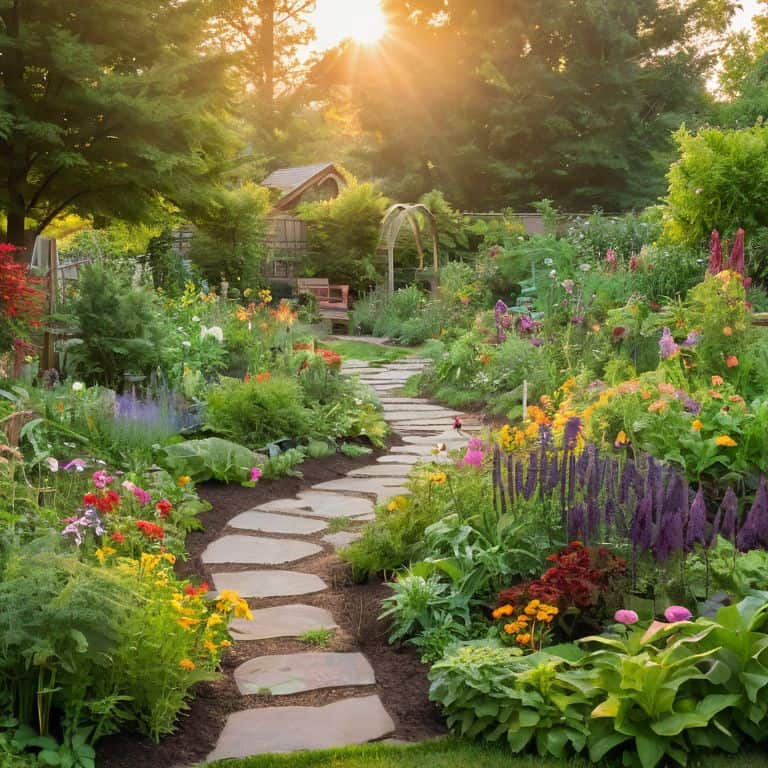
As we conclude our exploration of hugelkultur, it’s essential to recap the key takeaways from our journey. We’ve delved into the world of hugelkultur, understanding its secrets and benefits, especially in small spaces. We’ve also touched upon the magic that happens when hugelkultur is combined with permaculture principles, and mastered the art of water retention. By embracing this sustainable gardening technique, we can transform our backyards into thriving ecosystems, teeming with life and biodiversity.
As you embark on your own hugelkultur adventure, remember that it’s not just about creating a garden – it’s about cultivating a lifestyle that values self-sufficiency and creativity. So, go ahead, get your hands dirty, and watch your backyard transform into a vibrant oasis, where nothing goes to waste and every discarded item becomes an opportunity for growth and renewal. The true magic of hugelkultur lies in its ability to inspire us to think differently about waste, resources, and our place within the natural world.
Frequently Asked Questions
How do I choose the right materials for building a hugelkultur mound in my backyard?
For a thriving hugelkultur mound, I recommend gathering a mix of porous materials like twigs, branches, and leaves, alongside richer stuff like compost or manure. Consider what’s already available in your backyard or neighborhood – old wood from a fence, maybe, or fallen leaves from a nearby tree. The key is to create a diverse, layered ecosystem that’ll support a wide range of plant life.
Can I use hugelkultur in containers or is it only suitable for in-ground gardens?
Absolutely, you can use hugelkultur in containers! I’ve experimented with it myself, and it’s amazing for small spaces. Just fill a large container with a mix of decomposing wood, soil, and compost, and you’ll have a thriving mini-ecosystem. It’s perfect for balconies, patios, or even indoor spaces, and it’s a great way to bring the magic of hugelkultur to urban gardens.
What are some common mistakes to avoid when implementing hugelkultur in a small space?
When implementing hugelkultur in small spaces, beware of overloading the mound with too much wood, which can lead to nitrogen deficiency, and forget to leave enough space for proper air circulation, or you might end up with a waterlogged mess – trust me, I’ve been there!