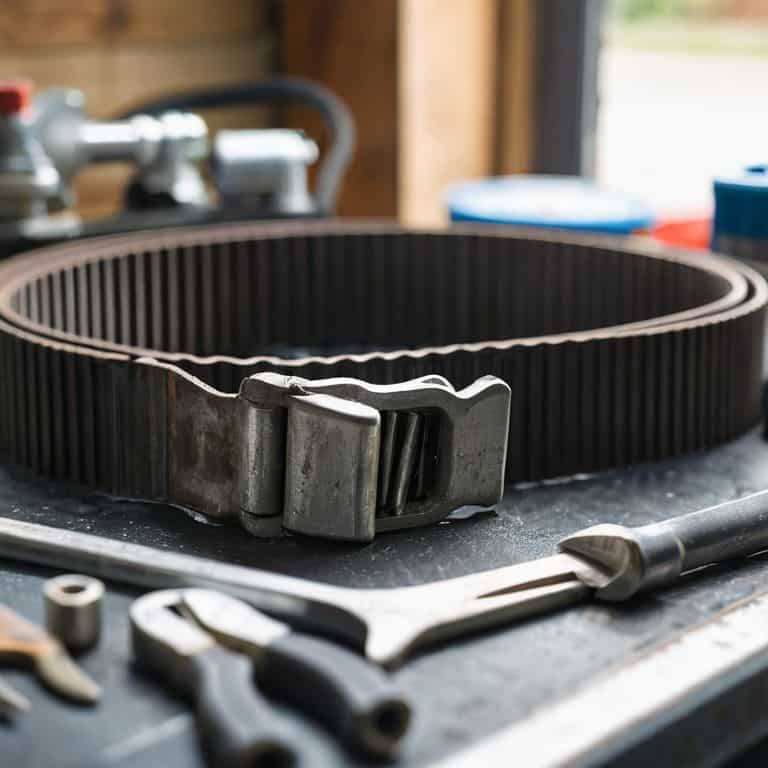
I still remember the time my trusty old car broke down on a dusty road trip, all because of a worn-out timing belt. It was a harsh lesson in the importance of understanding what is a timing belt and when to replace it. As a travel blogger, I’ve had my fair share of adventures, but a car breakdown is not exactly the kind of story I like to tell. That’s why I’m always on the lookout for reliable information on car maintenance, and I’m surprised by how often people overcomplicate it.
As someone who’s been in the trenches, I want to make a promise to you: in this article, I’ll provide you with honest and straightforward advice on what is a timing belt and when to replace it. I’ll share my own experiences, and the lessons I’ve learned from them, to help you navigate the world of car maintenance with confidence. My goal is to empower you with the knowledge you need to make informed decisions about your vehicle, without falling prey to expensive myths or overcomplicated jargon. So, let’s get started on this journey of discovery, and uncover the secrets of the timing belt together!
Table of Contents
Discovering the Timing Belt
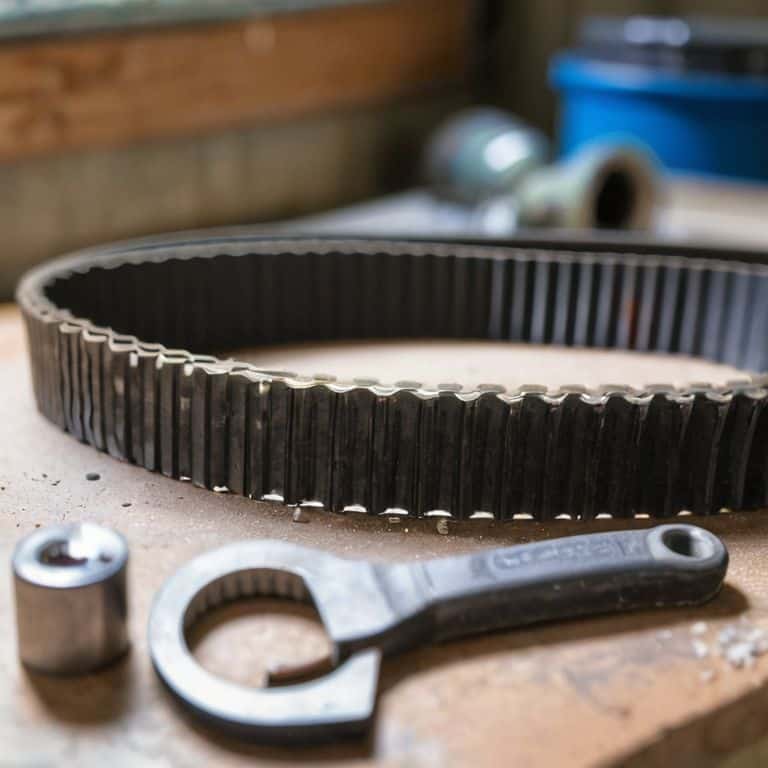
As I delved into the world of car maintenance, I found myself fascinated by the symptoms of a failing timing belt. It’s astonishing how a simple component can have such a profound impact on the overall performance of a vehicle. I recall a friend’s car breaking down on a road trip, and the culprit was a worn-out timing belt. The repair cost was staggering, with the timing belt replacement cost exceeding a thousand dollars. This experience taught me the importance of regular checks and maintenance to avoid such costly surprises.
During my research, I stumbled upon an interesting debate about non_interference engine timing belt issues. It seems that some engines are more forgiving when it comes to timing belt failures, while others can suffer catastrophic damage. This got me thinking about the importance of timing belt maintenance and how it can save car owners from a world of trouble. By staying on top of timing belt replacements, drivers can avoid common problems and ensure their vehicle runs smoothly.
As I continued to explore, I discovered that common timing belt problems can be avoided with proper care and attention. It’s essential to understand the difference between a timing belt vs chain and how each affects the engine’s performance. By doing so, car enthusiasts can make informed decisions about their vehicle’s maintenance and repairs, potentially saving themselves from costly and time-consuming issues down the road.
Importance of Timing Belt Maintenance
As I delve into the world of car maintenance, I’ve come to realize the crucial role that timing belt maintenance plays in preventing engine damage. A well-maintained timing belt is essential for the smooth operation of your vehicle, and neglecting it can lead to costly repairs.
Regular checks and replacements can help you avoid a breakdown nightmare, ensuring that your engine runs in perfect harmony. By staying on top of timing belt maintenance, you’ll not only save money but also enjoy a more peaceful driving experience, free from the worries of unexpected malfunctions.
Symptoms of a Failing Rhythm
As I hit the open road, I’ve learned to listen to my car’s subtle cues, and one of the most critical signs of trouble is a slipping or jumping sensation in the engine. This can be a symptom of a failing timing belt, and it’s essential to address it promptly to avoid more severe damage.
I’ve found that unusual noises can also be a warning sign of a timing belt on its way out. If you notice a grinding, whining, or screeching sound coming from your engine, it may be a indication that your timing belt is worn out and needs to be replaced.
What Is a Timing Belt and When to Replace It
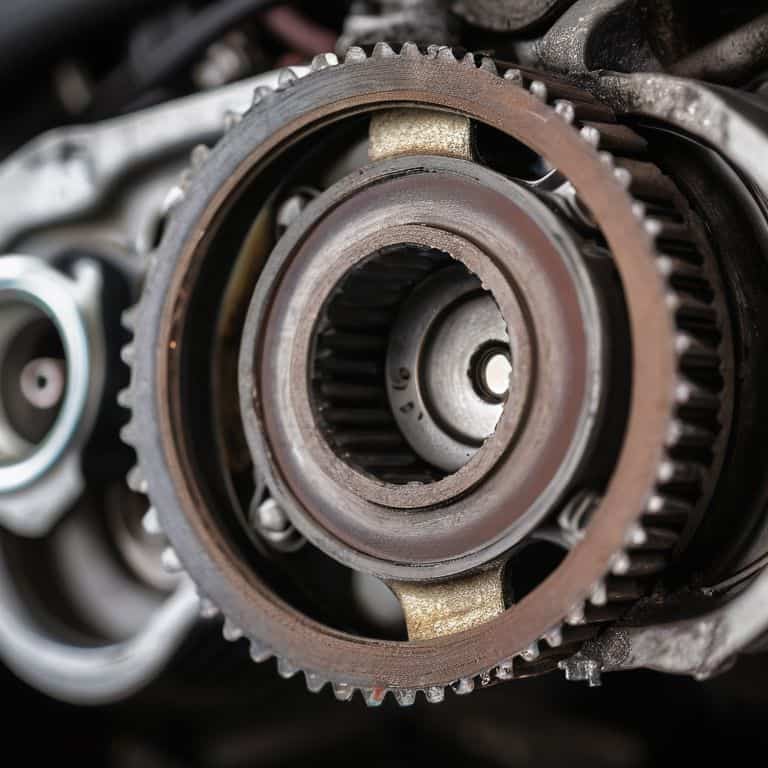
As I delve into the world of car maintenance, I’m reminded of the symptoms of a failing timing belt that can leave you stranded on the side of the road. It’s a crucial component that keeps your engine’s rhythm in check, and neglecting its maintenance can lead to costly repairs. I’ve heard stories of drivers who’ve had to shell out a small fortune for timing belt replacement cost, simply because they didn’t catch the warning signs in time.
The importance of timing belt maintenance cannot be overstated, especially when it comes to non-interference engine timing belt issues. A well-maintained timing belt can save you from a plethora of common timing belt problems, including engine misfires and poor performance. As someone who’s passionate about uncovering hidden gems, I believe that understanding the intricacies of your car’s engine is essential to keeping it running smoothly.
When it comes to deciding between a timing belt vs chain, it’s essential to consider the unique needs of your vehicle. While some cars may be equipped with a timing chain, others rely on a timing belt to keep their engine purring. By staying on top of your car’s maintenance schedule and being mindful of potential issues, you can avoid costly repairs and keep your engine running in harmony.
Non Interference Engine Issues and Costs
As I delved into the world of engines, I discovered that non-interference engine issues can be just as costly as their interference counterparts. A non-interference engine, by design, doesn’t allow the pistons to collide with the valves in the event of a timing belt failure, but this doesn’t mean you’re completely off the hook.
The replacement costs can still add up quickly, especially if you factor in the labor costs and potential damage to other engine components.
Timing Belt vs Chain Common Problems
As I delved into the world of engine components, I found myself wondering about the key differences between timing belts and chains. It seems that timing belts are more prone to wear and tear, which can lead to costly repairs if not addressed promptly. On the other hand, timing chains are often considered more durable, but they can be noisier and require more maintenance.
In my research, I discovered that one of the most common problems with timing belts is premature cracking, which can cause the belt to snap unexpectedly. This can result in significant engine damage and even lead to the need for a new engine.
Navigating the Beats of Your Engine: 5 Essential Tips on Timing Belts
- Replace your timing belt between 60,000 to 105,000 miles, depending on the manufacturer’s recommendations, to avoid costly engine repairs
- Monitor your vehicle’s performance for symptoms like misfiring cylinders, low engine power, or rough idling, which can indicate a worn-out timing belt
- Choose between a timing belt and chain based on your engine type and driving conditions, considering factors like durability, noise, and maintenance costs
- Understand the difference between interference and non-interference engines, as the former can suffer significant damage if the timing belt fails, resulting in expensive repairs
- Keep a record of your timing belt replacements and maintenance checks to ensure you stay on top of your engine’s rhythm and prevent unexpected breakdowns
Key Takeaways for a Smooth Ride
I’ve learned that replacing your timing belt at the recommended interval is crucial to preventing costly engine damage, and it’s essential to keep track of your mileage and maintenance schedule to avoid unexpected breakdowns
A failing timing belt can exhibit symptoms such as rough idling, decreased performance, and strange noises, so it’s vital to be aware of these signs and address them promptly to avoid being stranded on the side of the road
Whether you have a timing belt or chain, regular maintenance and inspections can help you identify potential issues before they become major problems, and understanding the differences between interference and non-interference engines can save you from unnecessary repairs and expenses
The Beat of Your Engine
A timing belt is like the rhythm that keeps your travels in harmony – miss a beat, and your whole adventure can come to a grinding halt, which is why knowing when to replace it is not just about maintenance, but about keeping your journey’s momentum alive.
Vera Kump
Embracing the Rhythm of Engine Maintenance
As I reflect on my journey to understand the intricacies of timing belts, I’m reminded of the importance of regular maintenance in preventing costly repairs. From the symptoms of a failing rhythm to the differences between timing belts and chains, it’s clear that staying informed is key to keeping your engine purring smoothly. Whether you’re a seasoned mechanic or a curious car owner, taking the time to learn about timing belt replacement can save you from a world of trouble – and a hefty bill. By prioritizing non-interference engine issues and understanding the potential costs, you can ensure your vehicle remains reliable and efficient.
As you embark on your own journey of automotive discovery, remember that every mile is an opportunity to learn and grow. Don’t be afraid to get your hands dirty, ask questions, and seek out expert advice. With the right knowledge and a bit of adventurous spirit, you’ll be well on your way to becoming a timing belt troubadour – and who knows, you might just find yourself uncovering the secrets of your engine and hitting the open road with confidence and joy.
Frequently Asked Questions
What are the most common signs that my timing belt needs to be replaced?
I’ve seen my fair share of car troubles on road trips, and a failing timing belt is no exception. Common signs include worn or cracked belts, engine misfires, and overheating. If you notice any of these, it’s time to take a closer look – your engine will thank you!
How often should I inspect my timing belt to ensure it's in good condition?
I like to inspect my timing belt every 30,000 to 60,000 miles, or whenever I notice any suspicious symptoms. Think of it like searching for hidden gems at a flea market – you’ve got to keep an eye out for those subtle signs that something might be off, and then dive in for a closer look to uncover the truth.
Can I replace my timing belt myself or do I need to take it to a professional mechanic?
Replacing a timing belt can be a bit of a treasure hunt – you need to find the right tools and navigate through your engine. While it’s possible to DIY, I’d recommend consulting a professional mechanic to avoid any costly missteps, especially if you’re not familiar with the inner workings of your vehicle. Trust me, it’s better to be safe than stranded!