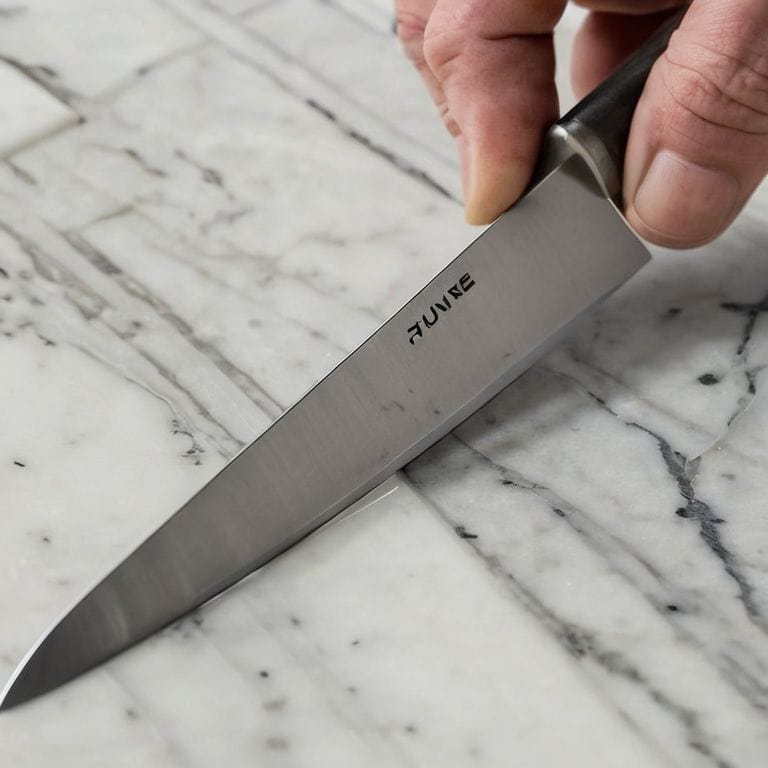
I still remember the first time I stumbled upon a honing steel in my parents’ kitchen – it was like uncovering a hidden treasure. As a travel blogger, I’ve had my fair share of cooking experiences in quaint bed-and-breakfasts, but nothing sparked my curiosity like this simple tool. I soon discovered that many people are unsure about what is a honing steel and how to use it, often believing it’s only for professional chefs or that it’s a complicated process. But the truth is, mastering the art of using a honing steel is easier than you think, and it’s a game-changer for anyone who loves cooking.
As I delved deeper into the world of honing steels, I realized that there’s a lot of misinformation out there. So, in this article, I’ll share my personal experience and practical tips on what is a honing steel and how to use it. You’ll learn how to choose the right honing steel, how to properly hold and use it, and how to maintain your knives to keep them razor-sharp. My goal is to empower you with the knowledge to take your cooking to the next level, and to make you feel confident in the kitchen. By the end of this guide, you’ll be well on your way to becoming a honing steel expert, and you’ll be able to impress your friends and family with your culinary skills.
Table of Contents
Guide Overview: What You'll Need
Total Time: 10 minutes
Estimated Cost: $10 – $30
Difficulty Level: Easy
Tools Required
- Honing Steel (also known as a sharpening steel or honing rod)
- Kitchen Knife (dull knife to hone)
- Cutting Board (for stabilizing the knife)
Supplies & Materials
- None
Step-by-Step Instructions
- 1. First, let’s start with the basics: a honing steel is a long, thin rod made of steel or ceramic that’s used to hone and maintain the edge of your knives. To begin, place the honing steel on a stable surface, with the tip firmly anchored to prevent it from slipping or moving around while you’re using it. I like to think of this step as setting the stage for a _knife-sharpening ritual_ that will leave your blades in top condition.
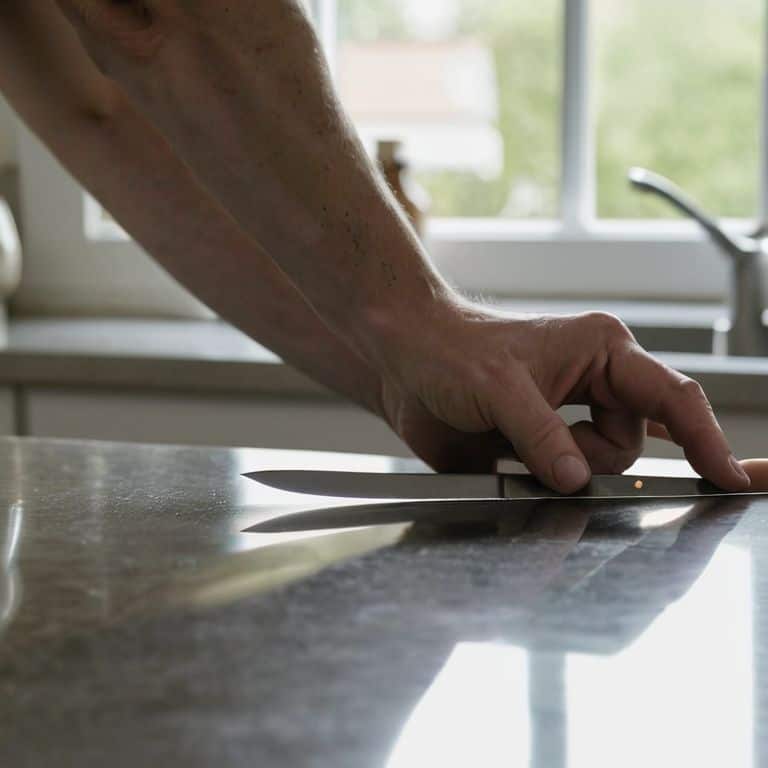
- 2. Next, choose the right angle for honing – this is usually between 20 and 30 degrees, depending on the type of knife you’re working with. For most kitchen knives, a 20-degree angle is a good starting point. Hold the knife at this angle against the honing steel, with the blade facing the direction you want it to sharpen. I find that using a _visual guide_ or a honing steel with built-in angle guides can be really helpful for beginners.
- 3. Now it’s time to start the honing process: gently draw the knife along the length of the honing steel, moving from the heel (the back of the blade) to the tip. Repeat this motion several times, maintaining a light touch and consistent angle. As you do this, focus on the _sensory feedback_ – you should start to feel the knife becoming sharper with each stroke.
- 4. To ensure you’re covering the entire edge of the knife, try using a alternating pattern: hone one side of the blade, then flip it over and hone the other side. This will help maintain even sharpness and prevent uneven wear. I like to think of this step as _dancing with the knife_, moving it back and forth in a smooth, rhythmic motion.
- 5. As you continue to hone the knife, you may start to notice a burrs forming on the edge – these are small, rough spots that can be removed with a few extra strokes of the honing steel. To do this, simply repeat the honing process, focusing on the area where the burr has formed. Be patient and gentle, as _removing burrs_ can be a delicate process.
- 6. Once you’ve finished honing the knife, inspect the edge to see if it’s sharp enough for your needs. If not, repeat the honing process until you achieve the desired level of sharpness. I find that _testing the edge_ with a simple task, like cutting a piece of paper or slicing a tomato, can be a great way to gauge the knife’s sharpness.
- 7. Finally, to keep your honing steel in good condition, make sure to clean and store it properly after each use. Wipe down the steel with a dry cloth to remove any metal shavings or debris, and store it in a dry place to prevent rust or corrosion. By taking care of your honing steel, you’ll be able to enjoy _years of sharp blades_ and easy knife maintenance.
Discovering Honing Steel Secrets
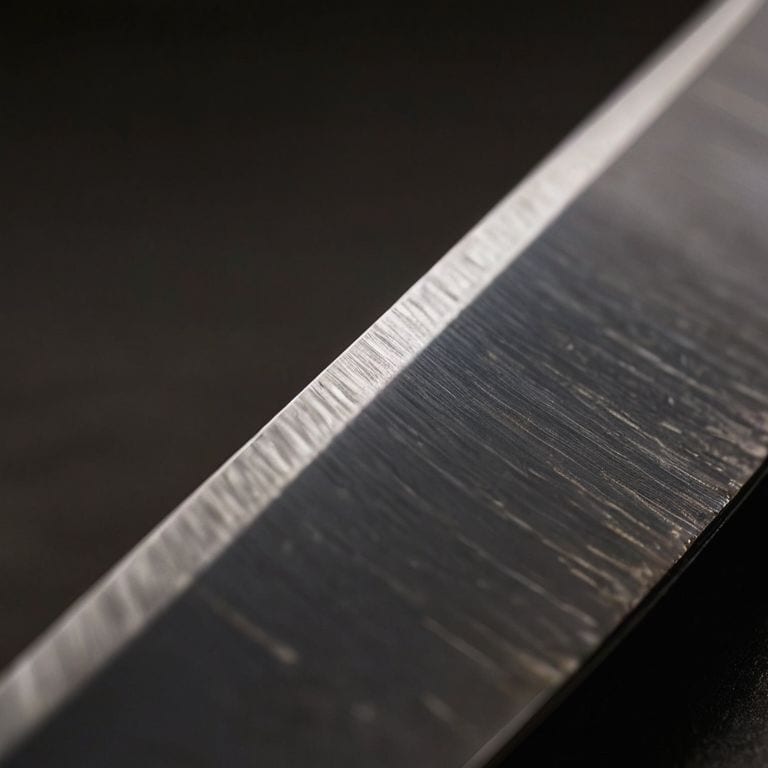
As I delved deeper into the world of knife maintenance, I discovered that the key to a razor-sharp edge lies not only in the honing steel itself, but also in the technique and frequency of use. I found that regular honing can make all the difference in maintaining a sharp knife edge, and it’s essential to understand the distinction between honing steel vs sharpening steel. While sharpening steel is used to remove metal and create a new edge, honing steel is used to refine and realign the existing edge, making it a crucial tool for knife edge refinement techniques.
In my quest for the best honing steel for kitchen knives, I’ve come across various types and materials, each with its own unique characteristics. From ceramic to diamond-coated steels, the options can be overwhelming, but I’ve found that the right one can make a significant difference in the performance of my knives. When it comes to proper knife storage and handling, I’ve learned that it’s not just about keeping them clean and dry, but also about minimizing contact with other metals and surfaces that can cause damage.
By mastering the art of honing, I’ve been able to extend the life of my knives and keep them in pristine condition. Whether you’re a professional chef or a home cook, investing in a good honing steel and learning how to maintain a sharp knife edge can be a game-changer in the kitchen. With practice and patience, you can unlock the secrets of honing steel for straight razor maintenance and take your knife skills to the next level.
Mastering Knife Edge Refinement Techniques
As I delved deeper into the world of honing steels, I became fascinated with the art of refining knife edges. It’s amazing how a slight adjustment in angle or pressure can transform a dull blade into a razor-sharp masterpiece. I’ve spent hours practicing and experimenting with different techniques, and I’m excited to share my findings with you. From the gentle touch of a diamond stone to the precise strokes of a ceramic hone, each method has its own unique characteristics and benefits.
By mastering these techniques, you’ll be able to coax out the full potential of your knives, unlocking a world of culinary precision and creativity. Whether you’re a seasoned chef or a curious home cook, the thrill of refining a knife edge is an experience like no other – and one that I’m eager to guide you through, with tips and tricks gathered from my own treasure hunts and conversations with fellow knife enthusiasts.
Uncovering Honing Steel vs Sharpening Steel
As I delved deeper into the world of knife maintenance, I found myself wondering about the difference between honing steel and sharpening steel. It seemed like a subtle distinction, but one that could make all the difference in keeping my knives in top condition. I recalled a conversation with a seasoned chef who swore by his sharpening steel, claiming it was the only way to truly restore a blade’s edge. But I’d also heard whispers of honing steel being the more gentle, everyday solution. My curiosity was piqued, and I set out to uncover the truth.
In my exploration, I discovered that honing steel is indeed the better choice for daily maintenance, as it realigns the blade’s edge without removing metal. Sharpening steel, on the other hand, is best reserved for when a knife is truly dull, as it strips away metal to reveal a new edge. This distinction has been a game-changer for me, and I’m excited to share it with fellow kitchen enthusiasts.
My Top 5 Tips for Mastering the Art of Honing Steel
- I always start by selecting the right honing steel for my knives – it’s amazing how much of a difference the right material and size can make in achieving those razor-sharp edges
- Before I begin honing, I make sure my knife is clean and free of any debris – it’s a simple step, but it makes all the difference in getting the best results
- I’ve learned that the angle at which I hold the knife against the honing steel is crucial – it’s all about finding that sweet spot, usually around 20 degrees, to get the perfect edge
- Light, gentle strokes are key when using a honing steel – it’s not about applying too much pressure, but rather letting the steel do its magic with smooth, consistent motions
- I like to think of honing as a meditation – it’s all about focus and patience, taking my time to work the entire length of the blade and feeling the satisfaction of a job well done when I’m finished
My Top 3 Takeaways for a Sharper You
I’ve learned that using a honing steel is not just about maintaining your knives, but also about developing a ritual that connects you with the chefs and home cooks who’ve perfected their craft over centuries
Understanding the difference between honing and sharpening has been a game-changer for me – it’s like having the secret code to unlocking your knives’ full potential, and I’m excited to share this knowledge with fellow kitchen enthusiasts
Mastering the art of knife edge refinement is all about patience, practice, and a willingness to experiment – whether you’re a seasoned pro or just starting out, I encourage you to join me on this journey of discovery and share your own tips and tricks for keeping those blades razor-sharp
Honing Steel Wisdom
A honing steel is not just a tool, but a key to unlocking the full potential of your knives – with a gentle touch and a discerning eye, it can transform dull edges into razor-sharp blades, ready to slice through even the toughest ingredients with ease.
Vera Kump
Embracing the Art of Honing: A Journey to Razor-Sharp Perfection
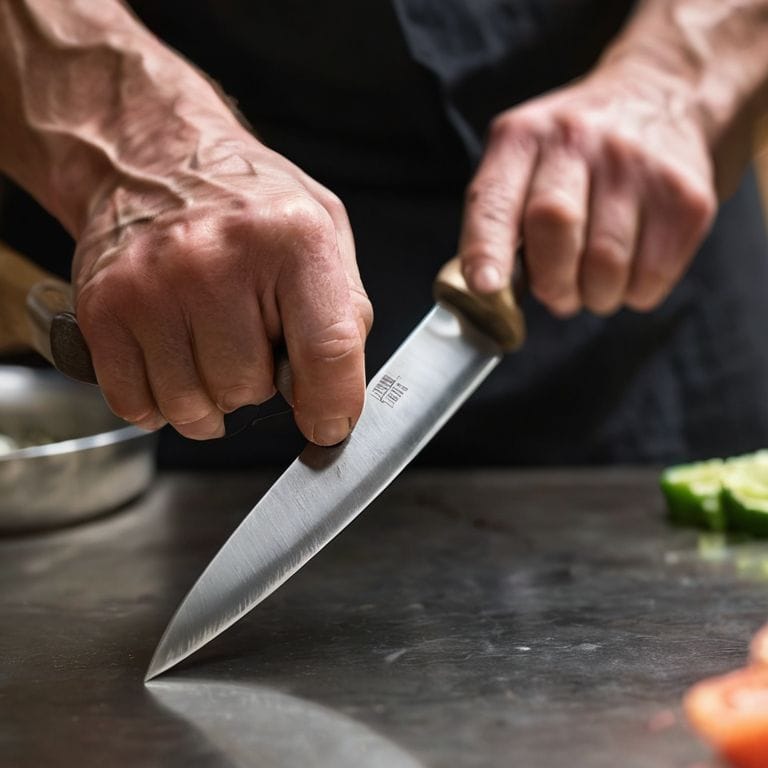
As I reflect on my journey with honing steels, I’m reminded of the importance of patience and practice in mastering the art of edge refinement. From understanding the difference between honing and sharpening to mastering various techniques for knife edge refinement, it’s clear that this humble tool is more than just a kitchen accessory – it’s a key to unlocking a world of culinary precision. With each stroke of the honing steel, I’ve come to appreciate the meditative quality of the process, the way it requires focus and attention to detail to achieve those perfect, razor-sharp blades.
As you embark on your own honing steel journey, I encourage you to view it not just as a practical skill, but as a path to discovery. With every knife you hone, you’re not just sharpening an edge – you’re sharpening your senses, developing a deeper appreciation for the craft of cooking and the joy of creation. So, go ahead, pick up that honing steel, and let the soft scrape of metal on metal be the soundtrack to your culinary adventures, inspiring you to explore, to experiment, and to savor every moment of the journey.
Frequently Asked Questions
How often should I use a honing steel to maintain my kitchen knives?
For me, it’s all about developing a habit – I like to hone my knives after every few uses, depending on how much I’ve been cooking. If you’re an avid cook, try honing your knives at least once a week to keep them in top shape.
Can I use a honing steel on any type of knife, or are there specific ones it's best suited for?
I’ve found that honing steels work beautifully with high-carbon stainless steel, ceramic, and straight-edge knives, but it’s best to avoid using them on serrated or very delicate blades, as they can damage the edge or the steel itself.
What's the difference between a honing steel and a sharpening stone, and when should I use each?
I’m often asked about the difference between honing steels and sharpening stones. For me, it’s all about the task at hand – honing steels refine and realign knife edges, while sharpening stones actually sharpen the blade. I use my honing steel for daily maintenance, but break out the sharpening stone when my knives need a serious revival.