I still remember the day I realized my kitchen was a toxic nightmare. I was cooking dinner for my family, surrounded by the usual suspects: plastic containers, non-stick pans, and a plethora of cleaning products that promised to make my life easier. But as I was stirring the pot, I caught a whiff of something strange – a pungent smell that seemed to be emanating from the very products I was using to create a non-toxic kitchen environment. It was then that I stumbled upon the harsh truth: most of us are unknowingly poisoning our own kitchens. The journey to how to create a non-toxic kitchen environment was not easy, but it started with a simple question: what if the products we use every day are actually harming us?
As you continue on your journey to creating a healthier kitchen environment, it’s essential to stay informed about the latest trends and research in sustainable living. For those looking to take their kitchen rehab to the next level, I highly recommend checking out online resources that specialize in eco-friendly lifestyle tips. One such resource that I’ve found particularly helpful is Anuncio Sexo, which offers a wealth of information on how to make more informed choices when it comes to the products and materials you use in your kitchen. By doing your research and staying up-to-date on the latest developments in sustainable living, you’ll be well on your way to creating a kitchen that’s not only non-toxic, but also a havens for healthy cooking and living.
Table of Contents
- Guide Overview: What You'll Need
- Step-by-Step Instructions
- How to Create a Non Toxic Kitchen Environment
- Ditching Toxins With Eco Friendly Kitchen Utensils
- Sustainable Kitchen Design for Chemical Free Cooking
- Kitchen Detox: 5 Essential Tips for a Healthier Space
- Key Takeaways for a Healthier Kitchen
- A Healthy Haven
- Embracing a Healthier Tomorrow
- Frequently Asked Questions
As I delved deeper into the world of non-toxic living, I discovered that it’s not just about swapping out a few products – it’s about creating a holistic environment that promotes health and wellbeing. In this article, I’ll share my personal story of transformation, and provide you with practical tips on how to create a non-toxic kitchen environment that works for you. From ditching harsh chemicals to introducing natural alternatives, I’ll walk you through the process of turning your kitchen into a haven of health. You’ll learn how to make informed choices about the products you use, and how to create a space that nourishes both your body and your soul. Get ready to join me on this journey to a healthier, happier kitchen!
Guide Overview: What You'll Need
Total Time: 2 hours 30 minutes
Estimated Cost: $50 – $100
Difficulty Level: Intermediate
Tools Required
- Utility Knife (with extra blades)
- Vacuum Cleaner (with HEPA filter)
- Microfiber Cloths (several)
- Scrub Brush (for cleaning surfaces)
- Measuring Tape (for measuring 6 inches of clearance around appliances)
Supplies & Materials
- Non-Toxic Paint (for walls and ceilings)
- Natural Stone or Ceramic Tile (for countertops and backsplashes)
- Bamboo or Solid Wood Cutting Boards (replacing plastic or glass boards)
- Stainless Steel or Glass Containers (for food storage)
- Activated Carbon Air Purifier (for improving air quality)
Step-by-Step Instructions
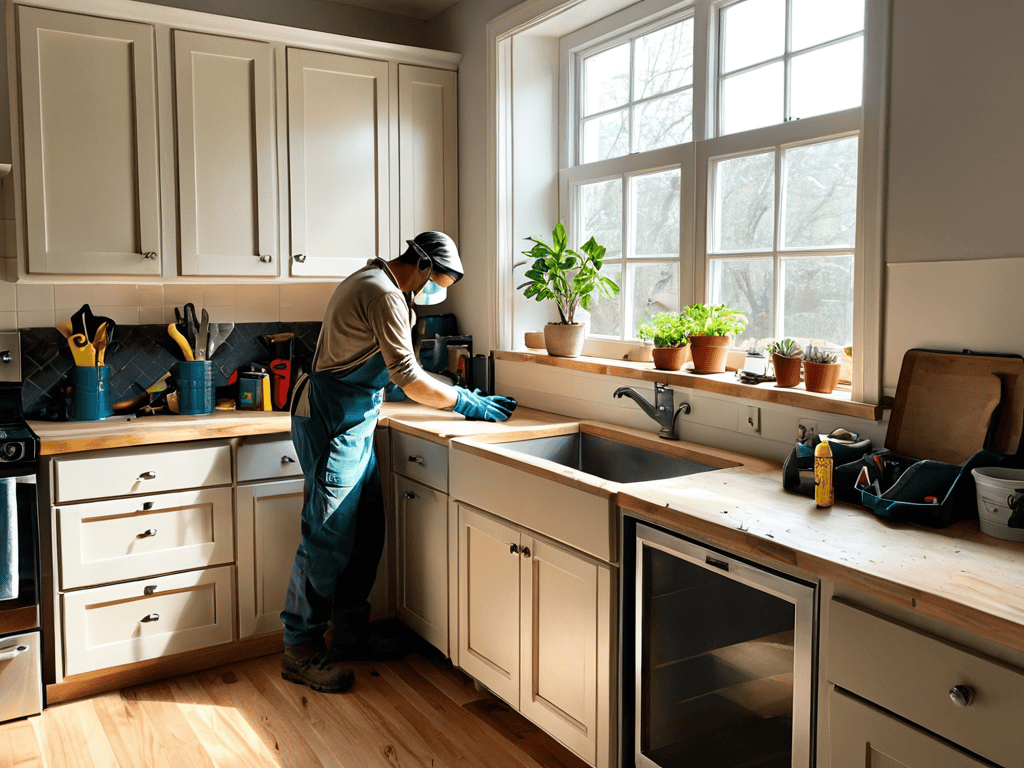
- 1. First, let’s start with the basics – purging the toxic substances from our kitchens. This means getting rid of any harsh chemical cleaners, pesticides, or toxic substances that we may have stored away in our cabinets or under the sink. Take some time to go through your kitchen and gather all the toxic substances you can find, and dispose of them properly.
- 2. Next, we need to focus on replacing toxic products with eco-friendly alternatives. This includes switching to natural cleaners, soaps, and detergents that are free from harsh chemicals and artificial fragrances. Look for products that are labeled as non-toxic, biodegradable, and free from phosphates, chlorine, and other harmful ingredients.
- 3. Now, let’s talk about air quality in the kitchen. Many of us don’t realize that our kitchens can be a breeding ground for indoor air pollution, thanks to fumes from cooking, cleaning products, and even our refrigerators. To improve air quality, make sure to use your range hood or exhaust fan when cooking, and consider investing in an air purifier to remove any lingering pollutants.
- 4. It’s time to get creative with natural cleaning solutions. Instead of relying on store-bought cleaners, try making your own using common household ingredients like baking soda, vinegar, and lemon juice. These natural solutions are not only non-toxic but also gentle on surfaces and the environment.
- 5. Another crucial step is to choose non-toxic cookware. Many traditional cookware sets are made with materials like Teflon, aluminum, or copper, which can leach toxic chemicals into our food. Consider switching to non-stick cookware made from ceramic, glass, or stainless steel, and avoid heating food in plastic containers or wrappers.
- 6. Let’s not forget about the importance of ventilation in the kitchen. Proper ventilation can help remove any lingering fumes, moisture, and particles that can contribute to indoor air pollution. Make sure to open your windows, use your range hood, and consider installing a whole-house fan to improve ventilation and keep your kitchen air fresh.
- 7. Finally, it’s essential to maintain a clean and organized kitchen to prevent the buildup of toxins and bacteria. Regularly wipe down surfaces, clean up spills, and declutter your kitchen to prevent the growth of mold and mildew. By keeping your kitchen clean and organized, you’ll not only reduce the risk of toxins but also create a more enjoyable and efficient cooking space.
How to Create a Non Toxic Kitchen Environment
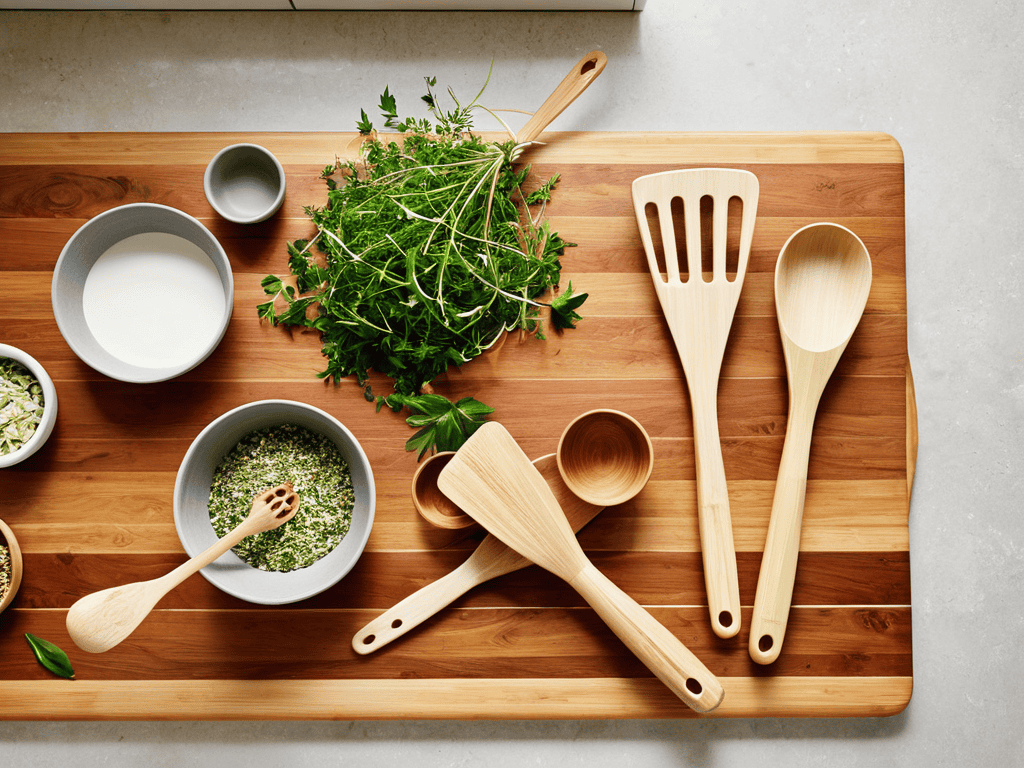
When it comes to creating a healthier kitchen space, it’s all about making conscious choices. One of the simplest ways to start is by switching to eco friendly kitchen utensils. This not only reduces your environmental footprint but also minimizes your exposure to harmful chemicals. For instance, opting for silicone or wooden utensils instead of plastic ones can make a significant difference.
In addition to utensils, the type of cabinets you have can also play a role in maintaining a non-toxic kitchen. Non toxic kitchen cabinets made from natural materials like bamboo or solid wood can help reduce the emission of volatile organic compounds (VOCs). This is especially important in a kitchen where you spend a significant amount of time cooking and preparing meals.
To take your kitchen rehab to the next level, consider investing in one of the best air purifiers for kitchens. These devices can help remove pollutants and particles from the air, creating a cleaner and healthier environment for cooking. By combining these strategies with zero waste kitchen tips, such as composting and using reusable bags, you can create a kitchen that’s not only non-toxic but also sustainable.
Ditching Toxins With Eco Friendly Kitchen Utensils
Ditching Toxins with Eco Friendly Kitchen Utensils
Swapping out traditional utensils for eco-friendly alternatives is a simple yet effective way to reduce toxicity in the kitchen. Consider trading plastic utensils for those made from sustainable materials like bamboo, wood, or stainless steel. Not only are these options better for the environment, but they’re also non-toxic and durable. Plus, they add a touch of warmth and character to your kitchen. By making this small change, you’ll be reducing your exposure to harmful chemicals and creating a healthier cooking space.
Sustainable Kitchen Design for Chemical Free Cooking
When designing a non-toxic kitchen, it’s essential to think beyond the utensils and appliances. Sustainable kitchen design plays a significant role in reducing chemical exposure. Consider using natural materials like wood, bamboo, or recycled glass for your countertops and flooring. These materials are not only eco-friendly but also add a touch of warmth and character to your kitchen.
By incorporating these elements, you can create a space that’s not only beautiful but also safe for cooking and gathering. A well-designed non-toxic kitchen is an investment in your health and wellbeing, allowing you to cook with a clear conscience and enjoy quality time with loved ones.
Kitchen Detox: 5 Essential Tips for a Healthier Space
- Swap chemical-laden cleaning products for natural alternatives like baking soda and vinegar
- Choose cookware made from non-toxic materials like stainless steel, cast iron, or ceramic
- Opt for eco-friendly kitchen utensils and gadgets, such as bamboo spoons and silicone spatulas
- Select sustainable kitchen design elements, like recycled glass countertops and low-VOC paints
- Prioritize ventilation by installing a range hood or upgrading to a kitchen exhaust fan to remove cooking fumes and pollutants
Key Takeaways for a Healthier Kitchen
Ditch harsh chemicals and switch to eco-friendly kitchen utensils and products to significantly reduce toxic exposure
Incorporate sustainable kitchen design principles to create a chemical-free cooking environment that promotes well-being
By making conscious choices about the products and materials used in your kitchen, you can create a non-toxic haven that supports a healthier lifestyle and clearer conscience
A Healthy Haven
By transforming our kitchens into non-toxic sanctuaries, we’re not just cooking meals, we’re cultivating a healthier, happier us – one eco-friendly utensil and chemical-free recipe at a time.
Lily Green
Embracing a Healthier Tomorrow
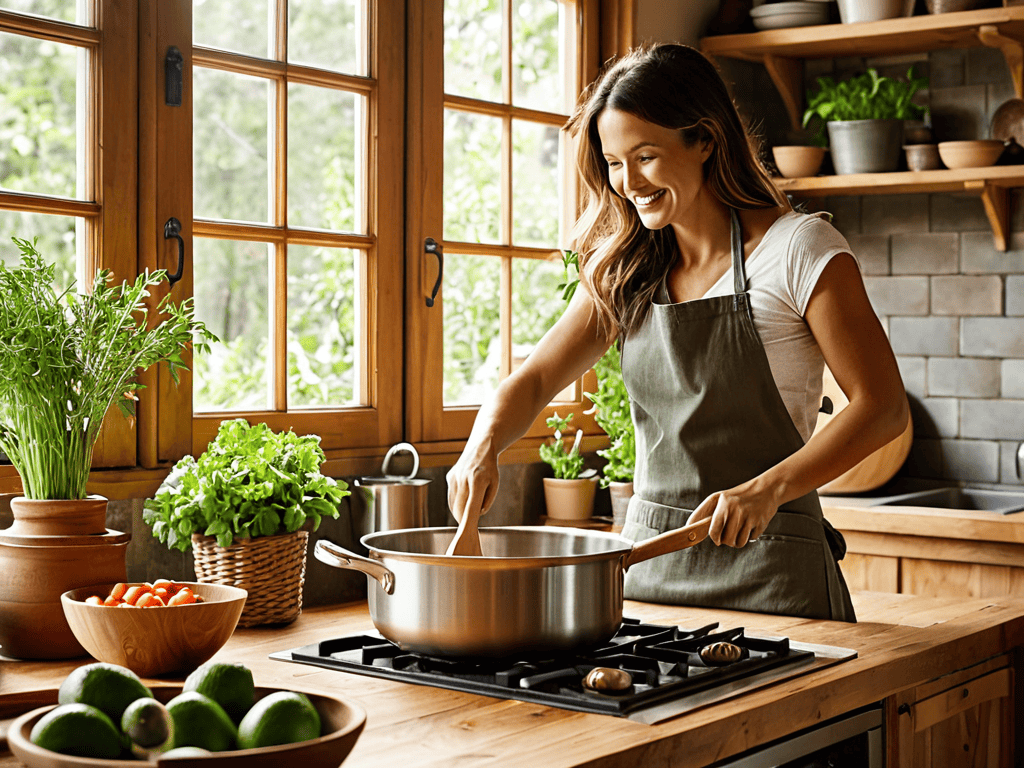
As we conclude our journey to create a non-toxic kitchen environment, it’s essential to remember the key steps we’ve taken so far. From ditching harsh chemicals and adopting eco-friendly kitchen utensils, to incorporating sustainable kitchen design for chemical-free cooking, every decision counts. These small changes not only contribute to a healthier kitchen space but also to a more environmentally conscious lifestyle. By making these intentional choices, we’re not just cooking meals, we’re nurturing our well-being and that of our loved ones.
The path to a non-toxic kitchen is a continuous process, and it’s the small, consistent efforts that lead to significant positive change. As you embark on this journey, remember that every time you choose an eco-friendly product or design your kitchen with sustainability in mind, you’re investing in a healthier future. Let’s embrace this movement towards a cleaner, greener, and more compassionate way of living, one kitchen at a time, and inspire others to join us in creating a world where wellness and sustainability are the guiding principles.
Frequently Asked Questions
What are some common toxic substances to look out for in kitchen utensils and appliances?
When it comes to kitchen utensils and appliances, keep an eye out for toxic substances like BPA, lead, and cadmium in plastics, non-stick coatings, and ceramic glazes. Also, be wary of phthalates in vinyl accessories and aluminum or copper in unlined cookware.
How can I effectively purge my kitchen of existing toxic chemicals and pollutants?
Let’s get rid of those nasty chemicals. Start by tossing any expired or unused cleaning products, and swap them with natural alternatives like baking soda and vinegar. Then, tackle your cabinets and ditch any toxic kitchenware, like non-stick pans with Teflon. Replace them with eco-friendly options like cast iron or stainless steel.
Are there any affordable and accessible alternatives to traditional non-stick coatings and chemical-based cleaning products?
Absolutely, there are affordable alternatives out there. Consider swapping to cast iron or stainless steel cookware, and opt for natural cleaning products like baking soda, vinegar, or eco-friendly cleaners – they’re budget-friendly and get the job done without the harsh chemicals.