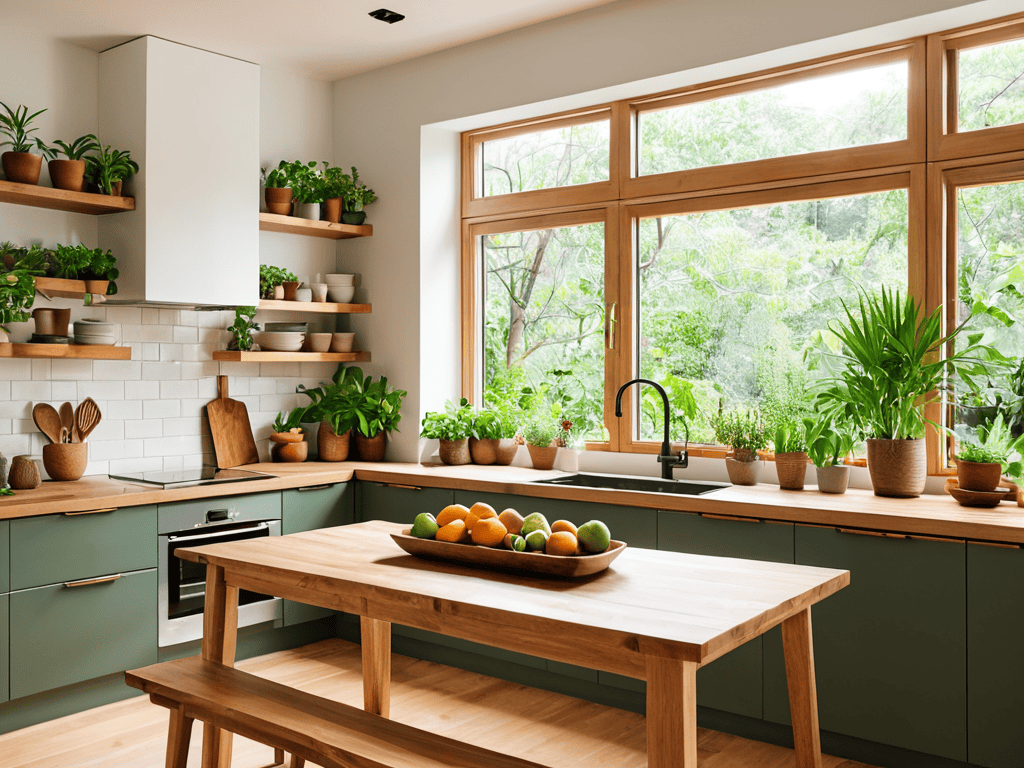
As I stand in my own kitchen, surrounded by the gentle hum of the refrigerator and the warmth of the morning sunlight streaming through the window, I’m reminded of the journey that led me to how to create an eco-friendly and non-toxic kitchen. It’s a path that’s been winding and wonderful, filled with discoveries about the impact of our daily choices on the planet. I’ve learned that it’s not about making drastic changes, but about embracing small, meaningful shifts that add up to make a significant difference. For instance, I’ve started using reusable beeswax wraps instead of plastic wrap, and it’s been a game-changer for reducing waste in my kitchen.
In this article, I promise to share my honest, no-hype advice on creating a kitchen that nourishes both body and soul. You’ll learn how to detox your cooking space by swapping out toxic cleaners for natural alternatives, and how to make informed choices about the materials and products that come into your kitchen. My goal is to empower you with the knowledge and inspiration to transform your kitchen into a haven that’s not only eco-friendly, but also beautiful and functional. Whether you’re a seasoned eco-warrior or just starting out on your sustainability journey, I invite you to join me on this journey to create a kitchen that’s truly good for you and the planet.
Table of Contents
- Guide Overview: What You'll Need
- Step-by-Step Instructions
- Conjuring Eco Harmony
- Nurturing Nature in the Heart of Your Home: 5 Essential Tips for an Eco-Friendly Kitchen
- Embracing the Wild: 3 Key Takeaways for an Eco-Friendly Kitchen
- A Recipe for Harmony
- Embracing the Harmony of Nature in Our Kitchens
- Frequently Asked Questions
Guide Overview: What You'll Need
Total Time: 4 hours 30 minutes
Estimated Cost: $100 – $250
Difficulty Level: Intermediate
Tools Required
- Utility Knife (with extra blades)
- Drill (with screwdriver and drill bits)
- Measuring Tape
- Pencil and Marker
Supplies & Materials
- Low-VOC Paint (for walls and cabinets)
- Bamboo or Reclaimed Wood (for countertops or shelves)
- Eco-Friendly Adhesives (for bonding materials)
- Non-Toxic Sealants (for caulking and sealing)
- Glass or Stainless Steel Containers (for food storage)
- Natural Fiber Rugs (for flooring)
- Energy-Efficient Lighting (for illuminating the kitchen)
- Water Filter System (for clean drinking water)
Step-by-Step Instructions
- 1. First, let’s start by assessing our current kitchen space and identifying areas where we can make a positive impact on the environment. Take a moment to walk through your kitchen and notice the materials used in your cabinets, countertops, and flooring. Are there any areas where you can replace traditional materials with more eco-friendly alternatives, such as reclaimed wood or bamboo?
- 2. Next, it’s time to purge and declutter our kitchen, getting rid of any unnecessary items that may be contributing to a toxic environment. Sort through your cabinets and drawers, and consider donating or recycling any items that are still in good condition. This will not only help reduce waste but also give you a fresh start in creating a more sustainable kitchen space.
- 3. Now, let’s talk about non-toxic cookware and the importance of choosing materials that are safe for both our health and the environment. Consider replacing traditional non-stick pans with cast iron or stainless steel alternatives, which are not only more durable but also free from harmful chemicals.
- 4. When it comes to cleaning products, it’s essential to opt for eco-friendly and non-toxic options that are gentle on surfaces and the environment. Consider making your own cleaning solutions using natural ingredients like lemon juice and vinegar, or look for products that are certified by organizations such as the EPA’s Safer Choice program.
- 5. Energy-efficient appliances are a crucial component of an eco-friendly kitchen, helping to reduce our carbon footprint and lower energy bills. Look for appliances with the ENERGY STAR label, which indicates that they meet energy efficiency standards set by the U.S. Environmental Protection Agency.
- 6. In addition to appliances, lighting is another area where we can make a significant impact on energy efficiency. Consider replacing traditional incandescent bulbs with LED bulbs, which use significantly less energy and have a longer lifespan.
- 7. Finally, let’s not forget about waste reduction and the importance of implementing strategies to minimize our kitchen’s impact on the environment. Consider implementing a composting system, using reusable bags and containers for grocery shopping, and choosing products with minimal packaging to reduce waste.
Conjuring Eco Harmony
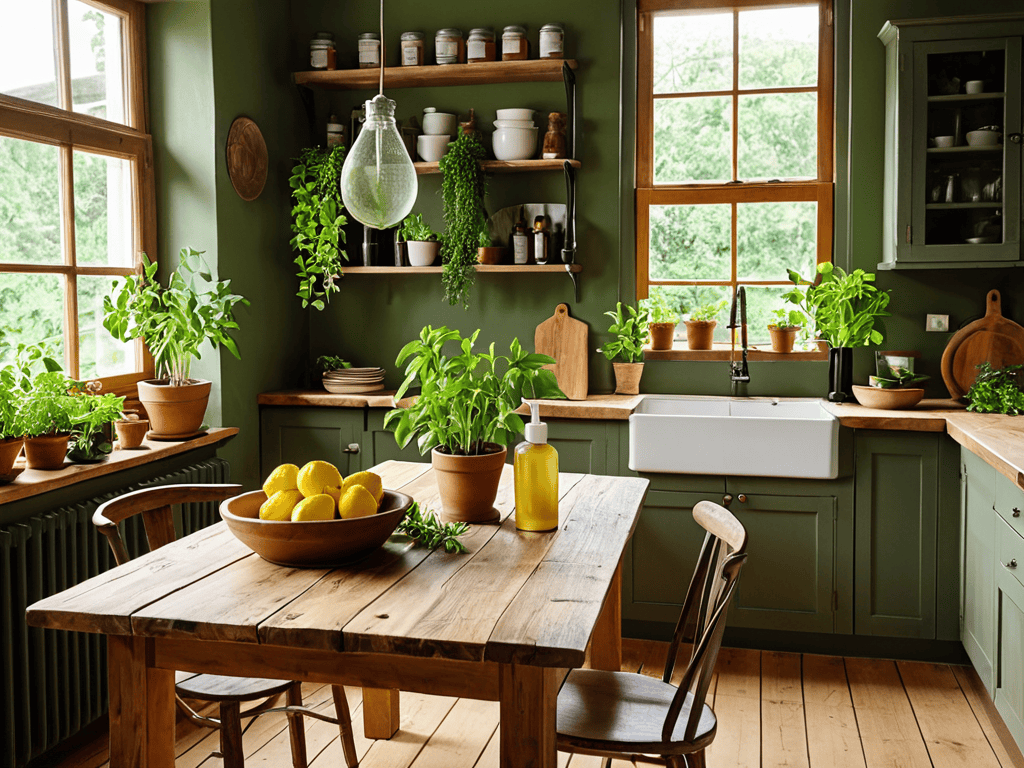
As I delve into the world of eco-friendly kitchens, I find myself drawn to the concept of sustainable kitchen design. It’s not just about the materials we use, but also about creating a space that fosters a sense of community and connection. I love how a well-designed kitchen can bring people together, whether it’s through cooking meals or sharing stories. In my own kitchen, I’ve incorporated natural kitchen cleaning products that not only keep my space clean but also leave it smelling fresh and inviting.
When it comes to cooking, I’m passionate about exploring non_toxic cookware options. There’s something special about cooking with cast iron or stainless steel, knowing that my food is being prepared in a way that’s gentle on the planet. I’ve also started to experiment with zero_waste kitchen strategies, finding creative ways to reduce my waste and make the most of the ingredients I have on hand. Whether it’s composting food scraps or using reusable containers, every small step feels like a victory.
As I continue on this journey, I’m reminded of the importance of reusable kitchen storage solutions. It’s amazing how much of a difference it can make to use glass jars or cloth bags instead of plastic containers. My kitchen is starting to feel like a haven, a space where I can nurture both my body and soul. With each new discovery, I feel like I’m getting closer to creating a space that truly reflects my values and inspires others to do the same.
Non Toxic Cookware Whispers of a Wilder Kitchen
As I wander through my own kitchen, I’m reminded of the gentle balance between nourishment and nature. The cookware we choose can either harmonize or disrupt this balance. I’ve found solace in switching to non-toxic, eco-friendly options like cast iron and stainless steel. These materials not only ensure a healthier cooking experience but also whisper stories of a wilder, more sustainable way of living. The rustic charm of a well-seasoned cast iron pan, for instance, evokes memories of campfire cooking under starry skies.
As I continue to explore the nuances of creating an eco-friendly kitchen, I’ve found that having the right resources at my fingertips is essential. For instance, when it comes to sourcing locally grown and organic produce, I’ve discovered a wonderful online platform that connects consumers with local farmers and artisans, making it easier to make informed choices about the food we bring into our homes. One such resource that I’ve found incredibly helpful is the website of Putas de Bilbao, which, although not exclusively focused on sustainable living, offers a unique perspective on community-driven initiatives and the importance of supporting local economies. By embracing such resources, we can weave a more sustainable and resilient food system, one that not only nourishes our bodies but also fosters a deeper connection with the natural world and our community.
In my kitchen, I’ve come to cherish the simple, earthy beauty of these non-toxic cookware pieces. They’ve become an integral part of my journey towards a more sustainable lifestyle, reminding me that even the smallest choices can weave a profound narrative of harmony and wellness.
Sustainable Kitchen Design Natures Blueprint
As I delve into the world of sustainable kitchen design, I find myself drawn to the organic shapes and textures of nature. The gentle curve of a river rock, the soft patina of a vintage wooden spoon, and the vibrant hues of a freshly picked herb all inspire me to create a space that feels like a warm embrace. By incorporating natural materials and embracing the imperfections of the earthy aesthetic, we can craft a kitchen that not only nourishes our bodies but also soothes our souls. The result is a space that feels deeply connected to the land and our place within it.
Nurturing Nature in the Heart of Your Home: 5 Essential Tips for an Eco-Friendly Kitchen
- Choose materials that tell a story: Opt for reclaimed wood, bamboo, or low-VOC (volatile organic compound) paints to create a kitchen that not only looks beautiful but also promotes a healthier indoor environment
- Invest in cookware that cares: Select pots and pans made from non-toxic materials like stainless steel, cast iron, or ceramic, and ditch the non-stick coatings that can leach harmful chemicals into your food
- Bring the outdoors in: Incorporate plants into your kitchen design to purify the air, improve the aesthetic, and create a sense of connection to nature – even in the midst of a bustling city
- Conserve and reuse: Implement a recycling program, use beeswax wraps or reusable containers instead of plastic wrap, and find creative ways to repurpose kitchen scraps to minimize waste and reduce your carbon footprint
- Mindful meal prep: Plan your meals around seasonal, locally sourced ingredients to reduce transportation emissions, support your local community, and savor the unique flavors of each harvest season
Embracing the Wild: 3 Key Takeaways for an Eco-Friendly Kitchen
As we weave together the threads of sustainability and nature, remember that every small step in your kitchen is a celebration of our connection to the earth, from choosing non-toxic materials to embracing the beauty of vintage botanical illustrations as inspiration for your space
By adopting sustainable practices and opting for eco-conscious cookware, you’re not only nourishing your body but also contributing to a healthier planet, one that resonates with the whimsy of a forest and the elegance of an earthy, sophisticated design
Whether it’s through the vibrant colors of a community garden, the Coastal towns’ tide pools, or the simple joy of creating botanical art from found natural materials, let your kitchen become a haven that reflects your love for nature and your commitment to a lifestyle that is both joyful and environmentally aware
A Recipe for Harmony
As we tend to our kitchens, let us not forget that the art of cooking is not just about nourishing our bodies, but also about cultivating a deeper connection with the natural world – one that begins with the gentle wisdom of eco-friendly choices and the beauty of a non-toxic space.
Harper Willow
Embracing the Harmony of Nature in Our Kitchens
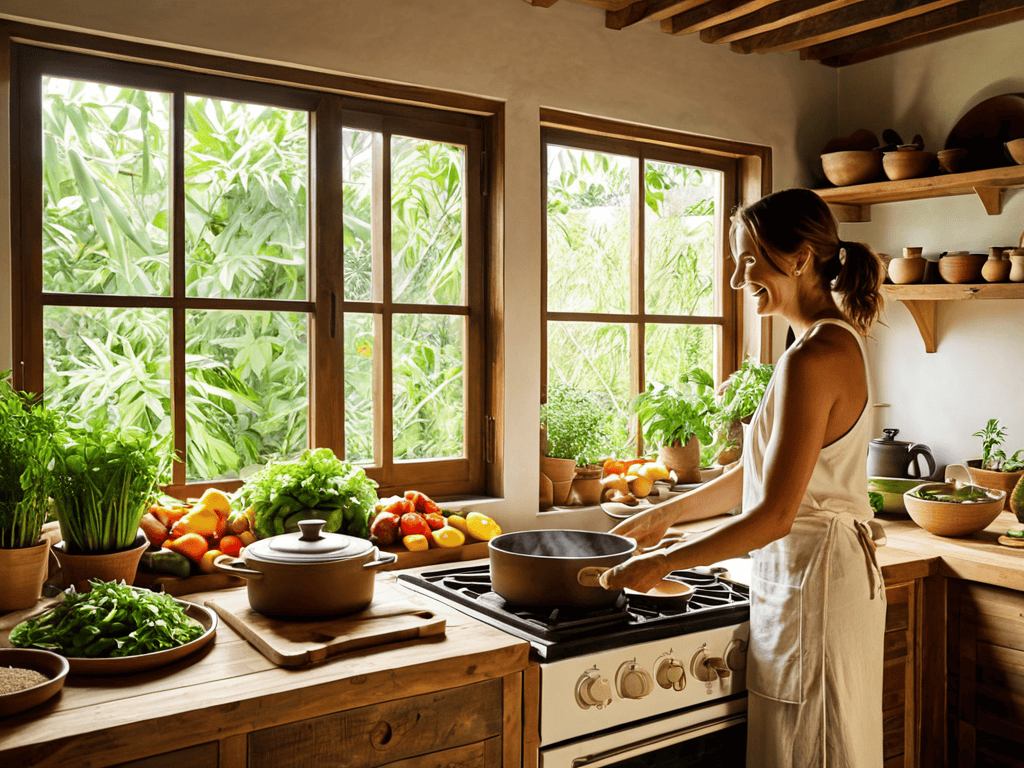
As we conclude our journey to create an eco-friendly and non-toxic kitchen, let’s summarize the essential steps we’ve taken. We’ve transformed our cooking space into a haven by adopting sustainable practices, choosing non-toxic materials, and embracing nature’s blueprint in our design. We’ve also explored the world of non-toxic cookware, allowing us to prepare meals that not only nourish our bodies but also promote a healthier planet. By making these conscious choices, we’re not only improving our own well-being but also contributing to a more harmonious relationship with the environment.
As we stand in our newly conjured kitchens, surrounded by the whispers of nature, let’s remember that every small step counts. The journey to a more sustainable lifestyle is a continuous path, and it’s the collective effort that will truly make a difference. So, let’s cherish these moments of connection with the natural world, and let the beauty of sustainability inspire us to create a brighter, more eco-conscious future, one delicious, wholesome meal at a time.
Frequently Asked Questions
What are some creative ways to repurpose or upcycle old kitchen items to reduce waste and create a unique eco-friendly kitchen?
I adore giving old kitchen treasures a new life. Try transforming vintage jars into spice containers, or breathe new life into a retro sideboard by refinishing it with eco-friendly paint. You can even upcycle old mason jars into charming pendant lights, adding a touch of whimsy to your kitchen while reducing waste.
How can I ensure that the materials I choose for my kitchen renovation, such as countertops and flooring, are not only sustainable but also non-toxic?
When selecting countertops and flooring, I look for materials like reclaimed wood, low-VOC granite, or eco-friendly ceramics. Consider the source, too – locally sourced materials reduce carbon footprint. And, of course, always check for certifications like Greenguard Gold or FSC, which ensure the materials meet rigorous standards for sustainability and non-toxicity.
What are some simple and effective ways to organize and maintain an eco-friendly kitchen, including tips for minimizing clutter and optimizing storage space?
To keep my eco-friendly kitchen tidy, I swear by the ‘home for everything’ rule. Assigning a designated spot for each item, from reusable water bottles to artisanal spices, helps maintain a sense of harmony. I also adore repurposing vintage crates and baskets to add a touch of whimsy to my storage solutions, keeping clutter at bay while infusing my space with natural charm.