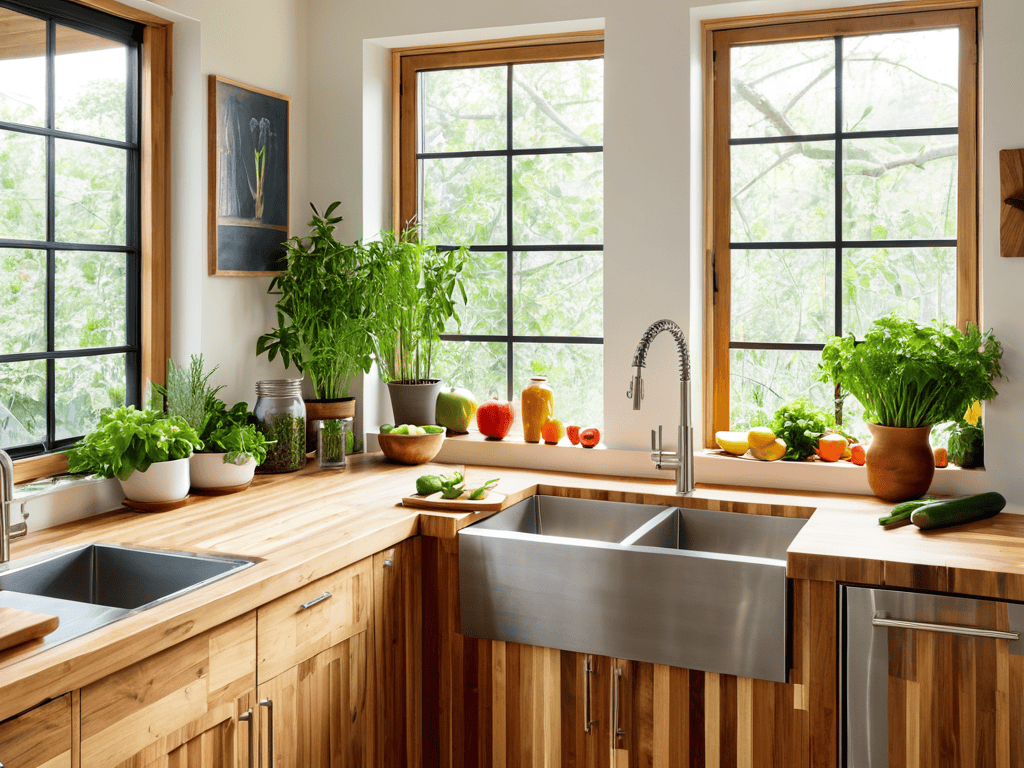
As I sit in my cozy kitchen, surrounded by the warmth of natural light and the soothing scent of freshly picked herbs, I’m reminded that creating a space that nourishes both body and soul is a journey, not a destination. I’ve often found myself pondering the age-old question of how to create an eco-friendly and non-toxic kitchen, only to be met with a sea of overwhelming information and contradictory advice. It’s a common myth that transforming your kitchen into an eco-friendly oasis requires a complete overhaul, but the truth is, it’s all about embracing small, intentional changes that add up to make a big impact.
In this article, I’ll share my personal story of trial and error, and provide you with practical tips and honest advice on how to create an eco-friendly and non-toxic kitchen that truly feels like home. From the best non-toxic cookware to the simplest ways to reduce waste, I’ll guide you through the process of crafting a kitchen that not only benefits your health, but also the health of our planet. Whether you’re a seasoned eco-warrior or just starting out on your sustainability journey, I invite you to join me on this journey to discover the joy of sustainable living, one conscious choice at a time.
Table of Contents
Guide Overview: What You'll Need
Total Time: 4 hours 30 minutes
Estimated Cost: $100 – $250
Difficulty Level: Intermediate
Tools Required
- Utility Knife (with extra blades)
- Drill (with screwdriver and drill bits)
- Measuring Tape
- Level
- Pencil and Marker
Supplies & Materials
- Low-VOC Paint (for walls and cabinets)
- Bamboo or Sustainably-Sourced Wood (for shelves or countertops)
- Eco-Friendly Adhesives (for bonding materials)
- Non-Toxic Sealants (for sealing gaps and joints)
- Recycled Glass or Ceramic Tiles (for backsplash or flooring)
- Energy-Efficient Lighting (e.g., LED bulbs)
- Water Filtration System (optional)
- 6 inches by 6 inches Ceramic or Glass Containers (for storing food and spices)
Step-by-Step Instructions
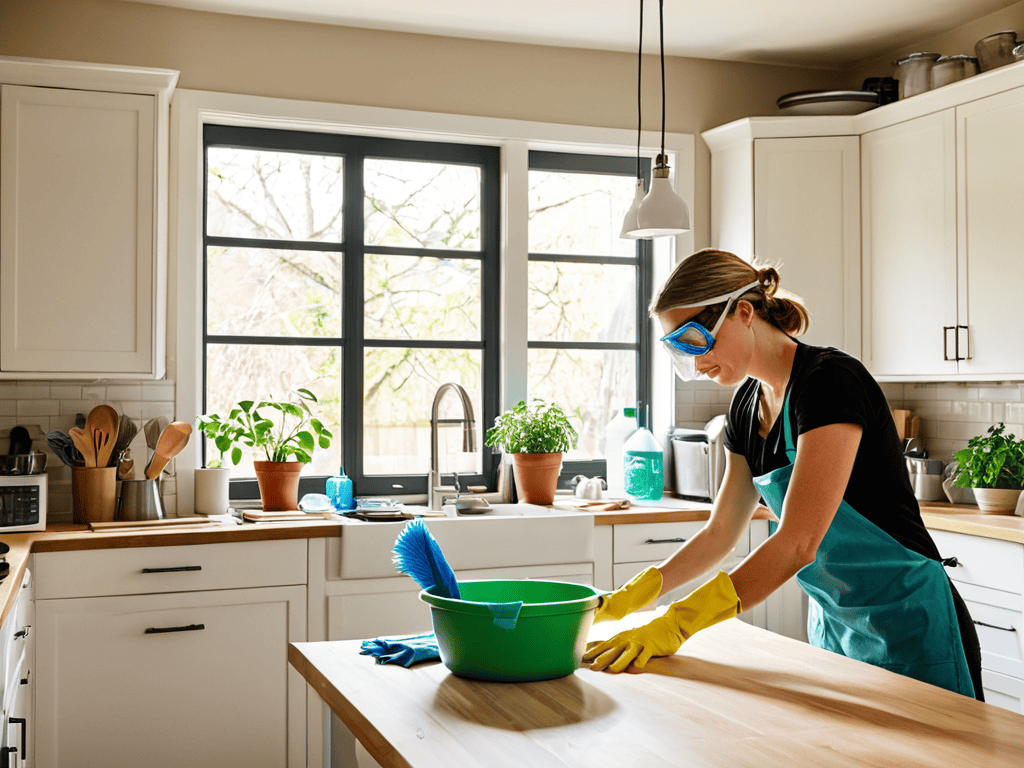
- 1. To begin conjuring your eco-friendly kitchen, start by purging the space of any harsh chemicals or toxic substances that may be lurking in your cabinets or on your countertops. This means getting rid of those abrasive cleaners and non-stick coatings that are not only harmful to your health but also to the environment. Instead, opt for natural alternatives like vinegar, baking soda, and lemon juice to keep your kitchen clean and fresh.
- 2. Next, focus on sustainable materials when it comes to your kitchen utensils and appliances. Ditch the plastic and opt for wooden or bamboo spoons, ceramic plates, and cast iron cookware. Not only are these materials more eco-friendly, but they also add a touch of warmth and character to your kitchen. Consider thrift shopping or browsing local artisan markets to find unique, handmade pieces that reflect your personal style.
- 3. Now, let’s talk about lighting, which can greatly impact the ambiance and energy efficiency of your kitchen. Consider replacing harsh overhead lights with softer, more energy-efficient options like LED bulbs or pendant lights made from natural materials like wicker or rattan. This will not only reduce your carbon footprint but also create a cozier, more inviting atmosphere that makes you feel like cooking up a storm.
- 4. When it comes to food storage, it’s time to get creative and ditch those plastic containers. Opt for glass jars, wooden crates, or woven baskets to store your dry goods, fruits, and veggies. Not only are these materials more sustainable, but they also add a touch of rustic charm to your kitchen. Consider labeling your containers with handmade tags or stickers to give them a personal touch.
- 5. To take your eco-friendly kitchen to the next level, consider indoor gardening, which not only purifies the air but also provides you with fresh herbs and greens year-round. Choose a few low-maintenance plants like basil, mint, or succulents, and plant them in reclaimed wood planters or vintage ceramic pots. This will not only bring a touch of greenery to your kitchen but also create a sense of connection to nature.
- 6. Another important aspect of an eco-friendly kitchen is waste reduction, which means getting creative with food scraps and composting. Consider investing in a compost bin or worm composter to turn your food waste into nutrient-rich fertilizer for your indoor garden. You can also use food scraps to make homemade broth, stock, or even beauty products like face masks and scrubs.
- 7. Finally, don’t forget about water conservation, which is essential for any eco-friendly kitchen. Consider installing a low-flow faucet or using a water filter to reduce your water waste. You can also use a few simple tricks like turning off the tap while washing dishes or using a bowl to wash and rinse your veggies to reduce your water usage. By making these small changes, you’ll not only save water but also reduce your energy consumption and lower your utility bills.
Weaving Eco Magic
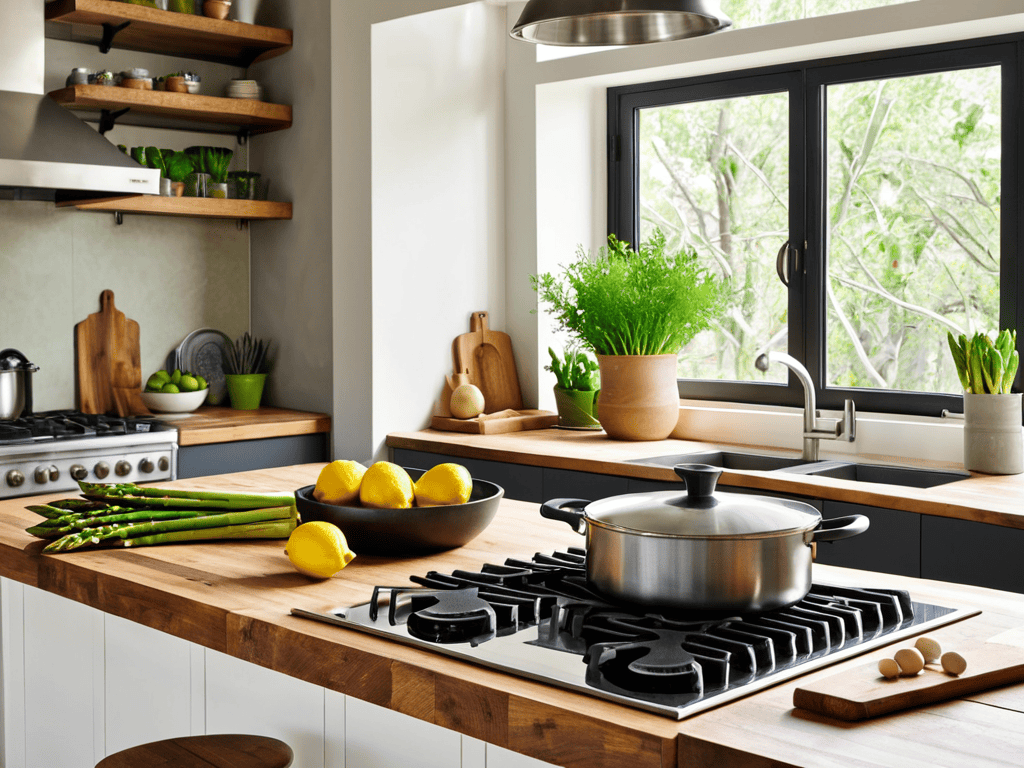
As I delve into the world of eco-friendly kitchen design, I’m reminded of the importance of sustainable choices in every aspect of our lives. From the cookware we use to the food we prepare, each decision has a ripple effect on our well-being and the planet. I’ve found that opting for non-toxic cookware options not only ensures a healthier cooking experience but also adds a touch of elegance to my kitchen.
In my own kitchen, I’ve implemented zero-waste meal planning by using reusable storage containers to store leftovers and planning my meals around seasonal produce. This approach has not only reduced my waste but also inspired creativity in my cooking. I’ve also discovered the joys of natural kitchen cleaning products, which are not only effective but also gentle on the environment. By making these small changes, I’ve been able to create a space that nourishes both my body and soul.
As I delve deeper into the world of eco-friendly kitchens, I’ve found that having the right resources can make all the difference in creating a space that truly nourishes both body and soul. For instance, I’ve been exploring the concept of gentle living, and it’s amazing how something as simple as choosing the right cookware or decor can impact our overall well-being. I recently stumbled upon a wonderful community that shares my passion for sustainable living, and their website has become a treasure trove of inspiration for me – you can find them at escort trans montpellier, where they offer a unique perspective on embracing our true selves and living in harmony with nature, which I believe is essential for creating a truly eco-friendly kitchen.
As I continue on this journey, I’m excited to explore more eco-friendly kitchen appliances that can help reduce my carbon footprint. By combining these elements, I’ve been able to create a kitchen that is not only functional but also a reflection of my values. With a little creativity and experimentation, I’m confident that anyone can weave eco magic into their daily lives, one sustainable choice at a time.
Non Toxic Cookware for Gentle Souls
As I delve into the world of non-toxic cookware, I’m reminded of my childhood spent watching my parents prepare meals in our small coastal kitchen. They’d always opt for cast iron skillets and ceramic pots, passed down through generations. Today, I’ve fallen in love with the elegance of stainless steel and the rustic charm of stoneware. These gentle materials not only add a touch of warmth to my cooking space but also ensure that the food I prepare is free from harsh chemicals.
I’ve found that investing in a few, high-quality pieces of non-toxic cookware can make all the difference in creating a kitchen that nourishes both body and soul. Whether I’m simmering a hearty stew or baking a batch of herbal teas, I feel a sense of comfort knowing that my cookware is as gentle on the environment as it is on my food.
Sustainable Kitchen Design Dreams
As I delve into the world of sustainable kitchen design, I find myself enchanted by the possibilities. Reclaimed wood, low-VOC paints, and recycled materials become the canvas for a space that not only nourishes our bodies but also our souls. I envision a kitchen where morning light dances through a skylight, illuminating a beautifully crafted wooden table, its surface worn smooth by years of love and laughter. The walls, adorned with vintage botanical prints, whisper tales of the natural world, reminding us of the beauty that awaits just beyond our doorstep.
In this sacred space, every element is a testament to the harmony between nature and design. A living wall, bursting with greenery, brings a touch of the outdoors in, while a beautifully crafted ceramic sink, made from locally sourced materials, adds a sense of earthy elegance. As I imagine this kitchen, I am reminded that sustainable design is not just about the environment – it’s about crafting a space that inspires us to live in greater harmony with the world around us.
Nourishing Nuggets for a Greener Kitchen
- Choose materials that whisper stories of the earth, like reclaimed wood, bamboo, or low-VOC paints, to craft a space that breathes gently
- Let the sunshine in by opting for energy-efficient windows and skylights, welcoming the warmth and light of the natural world into your kitchen
- Invest in non-toxic cookware that stirs the soul, such as cast iron, stainless steel, or ceramic, and bid farewell to the harsh chemicals of yesteryear
- Conjure a kitchen garden, no matter how small, to nurture the magic of homegrown herbs and sprouts, and savor the sweetness of fresh, chemical-free flavors
- Embrace the beauty of imperfection by repurposing vintage or second-hand kitchenware, and let the unique character of each piece tell a story of its own, weaving a tapestry of sustainability and whimsy
Embracing the Essence of Eco-Friendly Living: 3 Key Takeaways
By embracing natural materials, vintage finds, and a dash of creativity, we can transform our kitchens into havens that not only nourish our bodies but also soothe our souls, reminding us that sustainability is a journey of gentle, loving steps
Non-toxic cookware and sustainable design choices are not merely practical decisions, but also gateways to a deeper connection with the earth and its rhythms, inviting us to slow down, appreciate the beauty in the mundane, and find joy in the simple act of cooking
Ultimately, the path to an eco-friendly kitchen is a personal and winding one, filled with opportunities to weave eco magic into every aspect of our lives, from the way we source our ingredients to the stories we tell around the dinner table, each choice a testament to our capacity to live in harmony with nature
Embracing the Harmony of Nature
As we tenderly nurture our kitchens into eco-friendly sanctuaries, remember that every conscious choice is a brushstroke on the canvas of our planet’s well-being, weaving a tapestry of sustainability, one delicious, non-toxic meal at a time.
Harper Willow
Embracing the Harmony of Nature in Our Kitchens
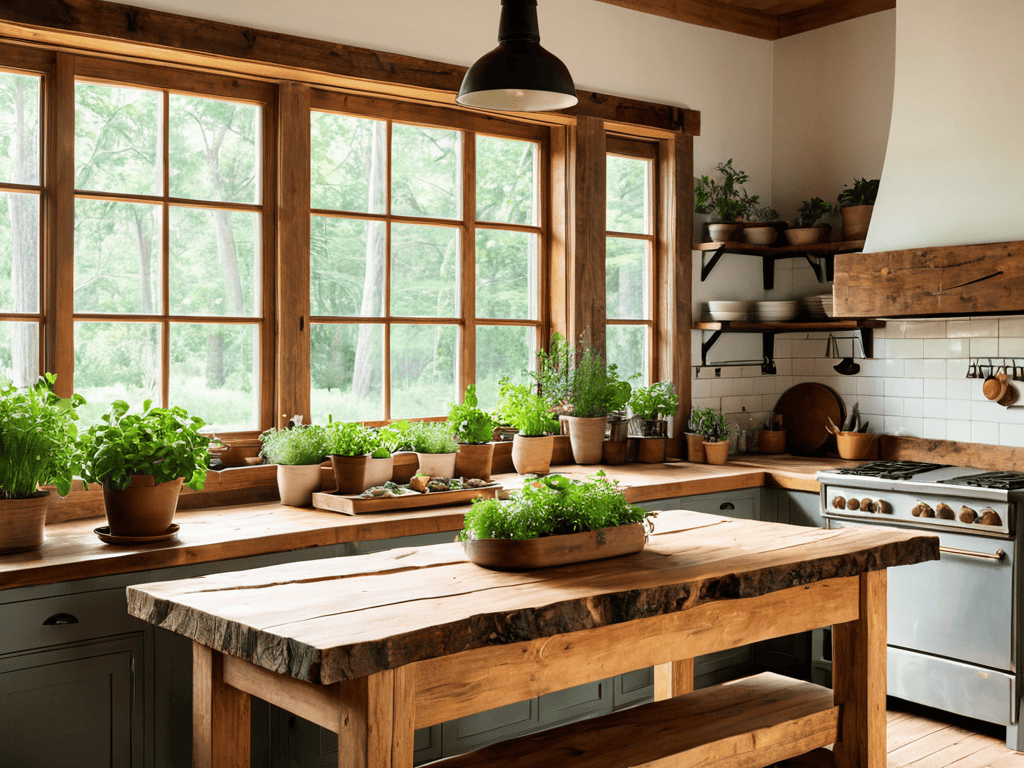
As I reflect on our journey to create an eco-friendly and non-toxic kitchen, I’m reminded of the small, intentional steps that have led us to this moment. From choosing sustainable materials and non-toxic cookware to embracing the beauty of vintage items and the wisdom of nature, each decision has been a celebration of our connection to the earth. By weaving together elements of sustainability, creativity, and community, we’ve transformed our kitchens into spaces that not only nourish our bodies but also our souls.
As we conclude this gentle guide, I invite you to step into your kitchen with newfound appreciation, seeing it as a sanctuary of sustainability where every meal is an opportunity to honor the land, the people, and the stories that bring us together. May our kitchens become the heart of our homes, where love, laughter, and eco-conscious living blend in perfect harmony, inspiring us to live in greater harmony with the natural world, one delicious, sustainable meal at a time.
Frequently Asked Questions
What are some creative ways to repurpose old kitchen items to reduce waste and create a unique eco-friendly space?
I adore giving old kitchen treasures a new lease on life. Try transforming vintage jars into herb planters, or breathe new life into retired cutting boards by turning them into wall art or shelves. Even old colanders can become quirky planters, adding a touch of whimsy to your eco-friendly kitchen sanctuary.
How can I ensure that my non-toxic cookware is also durable and long-lasting, and what brands or materials should I look for?
For durable and long-lasting non-toxic cookware, I adore brands like Le Creuset and Staub, which offer vibrant, eco-friendly options made from natural materials like ceramic and enamel-coated cast iron. These not only add a pop of color to my kitchen but also ensure a chemical-free cooking experience that’s as gentle on the planet as it is on my dishes.
Are there any specific plants or herbs that are particularly effective at purifying the air in a kitchen, and how can I incorporate them into my eco-friendly kitchen design?
I adore incorporating air-purifying plants into my kitchen design, like snake plants and basil. They not only cleanse the air but add a touch of whimsy. I place them in vintage terracotta pots, nestled among my cookbooks and botanical illustrations, creating a lush oasis that nourishes both body and soul.