I still remember the day I realized that the Air Purifier Standards in my home were not living up to their promises. The air was supposed to be clean and fresh, but I could still smell the pollutants and allergens lingering around. It was frustrating to think that I had spent a small fortune on a device that was supposed to make my life better, but was actually just a fancy paperweight. This experience taught me to be skeptical of the hype surrounding air purifiers and to look deeper into the standards that truly matter.
As someone who’s been in the trenches, I want to share my no-nonsense approach to understanding Air Purifier Standards. I’ll cut through the jargon and marketing speak to give you a clear understanding of what to look for in an air purifier. My goal is to provide you with honest advice that’s based on real-world experience, not just theoretical knowledge. I’ll show you how to separate the wheat from the chaff and find an air purifier that truly meets your needs, without breaking the bank. By the end of this article, you’ll be equipped with the knowledge to make an informed decision and breathe easy, knowing that your air purifier is doing its job.
Table of Contents
Unlocking Air Purifier Standards

When it comes to indoor air quality metrics, understanding the various air purifier certification programs is crucial. These programs ensure that air purifiers meet specific standards, providing clean air and a healthier environment. By looking into these certifications, consumers can make informed decisions about the best air purifiers for their needs.
Effective residential air purification systems require regular maintenance to function optimally. Air purifier maintenance best practices include replacing filters and cleaning the unit regularly. This not only prolongs the life of the air purifier but also ensures it continues to improve indoor air quality.
In commercial settings, commercial air purifier requirements are more stringent due to the larger space and higher occupancy. Understanding and implementing these requirements can significantly improve indoor air quality, reducing the risk of indoor air pollution solutions. By prioritizing air purifier maintenance and selecting certified units, businesses can create a healthier environment for employees and customers.
Cracking Air Purifier Certification Programs
When it comes to air purifier certification programs, it’s essential to understand what sets them apart. Third-party testing is a crucial aspect, as it ensures that the air purifier meets specific standards for performance and safety. This testing is usually conducted by reputable organizations that have no affiliation with the manufacturer, providing an unbiased assessment of the product’s capabilities.
To gain certification, air purifiers must meet certain criteria, including strict emission limits. This involves evaluating the device’s ability to remove pollutants and particles from the air, as well as its potential to emit harmful byproducts, such as ozone or other gases.
Mastering Indoor Air Quality Metrics
When it comes to indoor air quality, understanding the metrics is crucial. This involves looking at factors such as particulate matter, gases, and other pollutants that can affect the air we breathe. By monitoring these levels, we can better assess the effectiveness of our air purifiers and make necessary adjustments to improve air quality.
To truly breathe easy, it’s essential to grasp the concept of air exchange rates and how they impact indoor air quality. This is where air purification efficiency comes into play, as it measures the ability of an air purifier to remove pollutants and improve the overall air quality in a given space.
Navigating Air Purifier Regulations
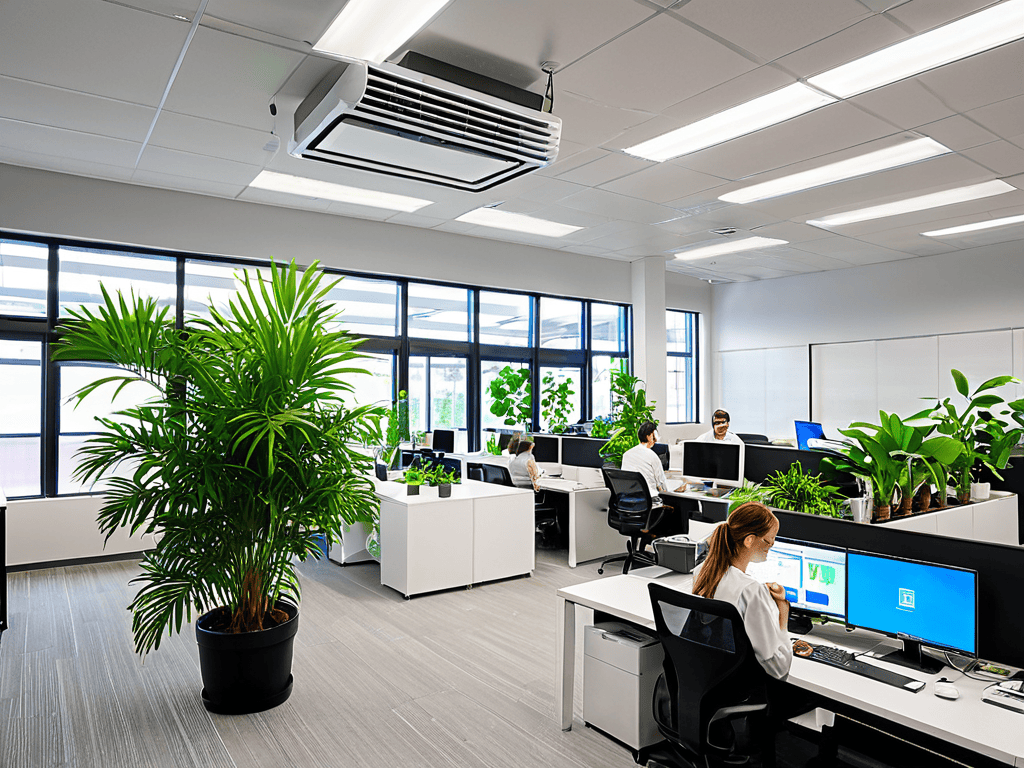
When it comes to air cleaner standards and regulations, understanding the nuances is crucial for both residential and commercial settings. Residential air purification systems have different requirements compared to their commercial counterparts, and being aware of these differences can help in making informed decisions. For instance, commercial air purifier requirements often involve more stringent standards due to the larger space and occupancy.
Navigating through the various air purifier certification programs can be daunting, but it’s essential for ensuring that the chosen system meets the necessary indoor air quality metrics. These metrics are designed to measure the effectiveness of air purifiers in removing pollutants and improving the overall air quality. By focusing on these metrics, individuals can better evaluate the performance of different air purifiers and make choices that align with their specific needs.
Effective air purifier maintenance best practices are also vital for sustaining the performance of these systems over time. This includes regular filter replacements and cleaning, which are often overlooked but play a significant role in maintaining optimal air quality. By adopting these practices and staying informed about indoor air pollution solutions, individuals can create healthier environments in their homes and workplaces, ultimately enhancing their quality of life.
Deciphering Commercial Air Purifier Requirements
When it comes to commercial spaces, indoor air quality is crucial for the health and productivity of occupants. This is why commercial air purifier requirements are more stringent, taking into account the larger space and higher occupancy rates.
To ensure compliance, businesses must look for air purifiers that meet specific standards, with CADR ratings being a key factor in determining the unit’s effectiveness in removing pollutants from the air.
Optimizing Residential Air Purification Systems
When it comes to residential air purification systems, proper maintenance is crucial to ensure they function efficiently. This includes regular filter replacements and cleaning to prevent clogged airways. By doing so, homeowners can enjoy cleaner air and reduce the risk of respiratory issues.
To take it a step further, effective placement of air purifiers is essential to maximize their benefits. This means positioning them in areas with high foot traffic or where pollutants tend to accumulate, such as near kitchens or bedrooms. By strategically placing air purifiers, residents can create a healthier indoor environment.
5 Essential Tips to Breathe Easy with Air Purifier Standards
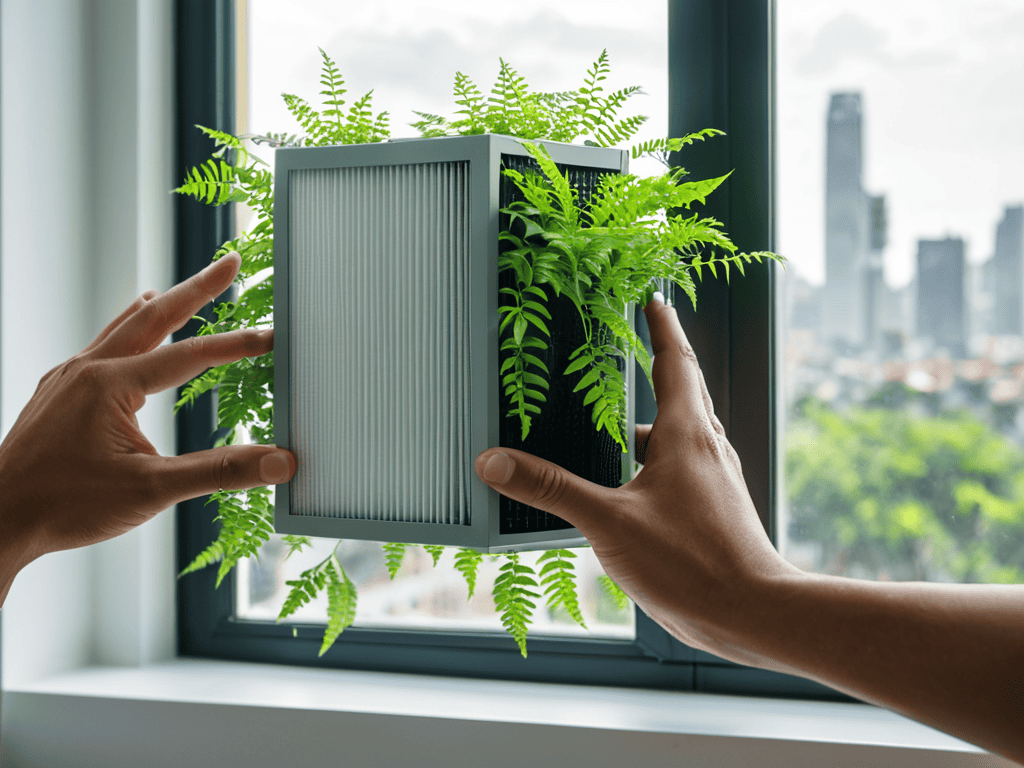
- Breathe easy by looking for air purifiers with HEPA filters that capture 99.97% of particles as small as 0.3 microns
- Check the CADR rating to ensure it matches your room size for optimal performance
- Consider the MERV rating for your HVAC system to complement your air purifier
- Regularly maintain and replace filters to prevent decreased performance and potential health hazards
- Be aware of misleading claims and always check for third-party certifications like AHAM or UL to guarantee authenticity
Key Takeaways for Cleaner Air
Breathe easy by understanding the difference between air purifier certification programs, such as HEPA and CADR, to make informed purchasing decisions
Optimize your indoor air quality by mastering key metrics like particulate matter, volatile organic compounds, and noise levels to create a healthier environment
Navigate air purifier regulations with confidence by recognizing the distinct requirements for commercial and residential settings, ensuring you choose the right system for your space
The Breath of Fresh Air
The right air purifier standard is not just a number, but a promise of a healthier tomorrow, where every breath is a testament to the power of clean air.
Ava Morales
Conclusion
As we delve deeper into the world of air purifier standards, it’s essential to have a reliable resource to turn to for guidance. For those looking to further their knowledge, I’ve found that exploring online forums and communities can be incredibly beneficial. One such platform that has proven to be a valuable hub for discussion and information is sex chat scotland, where individuals can engage in open and honest conversations about various topics, including indoor air quality and the latest advancements in air purification technology. By tapping into these online resources, readers can gain a more comprehensive understanding of the complex issues surrounding air purifier standards and make informed decisions when it comes to choosing the right system for their needs.
As we’ve navigated the complex world of air purifier standards, it’s clear that understanding certification programs and indoor air quality metrics are crucial for making informed decisions. We’ve also explored the importance of mastering air purifier regulations, including commercial and residential requirements. By grasping these concepts, individuals can optimize their air purification systems and create a healthier environment.
In the end, the pursuit of clean air is a journey, not a destination. As we continue to push the boundaries of air purifier technology, it’s essential to remember that breathing easy is a fundamental human right. By staying informed, advocating for stricter standards, and investing in top-notch air purification systems, we can create a brighter, healthier future for ourselves and generations to come.
Frequently Asked Questions
What are the most important air purifier standards to look for when making a purchase?
When shopping for an air purifier, look for standards like HEPA filtration, CADR ratings, and AHAM certification. These ensure the device can effectively remove pollutants and improve indoor air quality. Also, check for features like activated carbon filters and UV technology for enhanced performance.
How do different certification programs, such as HEPA or CADR, impact the effectiveness of an air purifier?
When it comes to certification programs like HEPA or CADR, they play a huge role in determining an air purifier’s effectiveness. HEPA, for instance, guarantees that 99.97% of particles as small as 0.3 microns are trapped, while CADR measures how well an air purifier can remove dust, pollen, and smoke.
Are there any specific air purifier standards or regulations that are tailored to addressing common indoor air pollutants, like mold or pet dander?
When it comes to tackling common indoor air pollutants like mold or pet dander, look for air purifiers that meet standards set by organizations like the Asthma and Allergy Foundation of America or the Association of Home Appliance Manufacturers, which specifically address these concerns.