If you’ve ever been sold a $200 “viral detox” kit that promises to flush out every lingering microbe with pricey supplements and hour‑long steam baths, you know the hype is a nightmare. I’ve been there, scrolling through endless lists of “essential” teas and gadgets while my body was still coughing up the last of the flu. The truth is, most of those fancy Post‑viral recovery protocols are just clever marketing. What you really need is a straightforward, no‑frills plan that lets your own immune system do the heavy lifting without breaking the bank, right now for you.
In the next few minutes I’m going to hand you the exact, battle‑tested steps that helped me bounce back from a nasty winter virus in just ten days—no exotic powders, no pricey gadgets, just water, gentle movement, and a couple of sleep hacks. Expect a down‑to‑earth checklist, real‑world timing, and a couple of unexpected tricks that actually work, so you can ditch the hype and feel better faster. By the time you finish reading, you’ll have a simple daily routine you can start tonight, and you’ll finally feel like yourself again.
Table of Contents
- Mastering Postviral Recovery Protocols a Stepbystep Blueprint
- Monitoring Biomarkers During Recovery Your Datadriven Roadmap
- Optimizing Nutrient Timing for Immune Restoration After Illness
- Reviving Energy Postviral Fatigue Management Rehab Strategies
- Crafting Sleep Hygiene After Viral Infection for Faster Healing
- Targeted Supplements for Mitochondrial Function After Illness
- 5 Power Moves to Supercharge Your Post‑Viral Comeback
- Quick Wins for Post‑Viral Recovery
- Recovery Blueprint
- Wrapping It All Up
- Frequently Asked Questions
Mastering Postviral Recovery Protocols a Stepbystep Blueprint
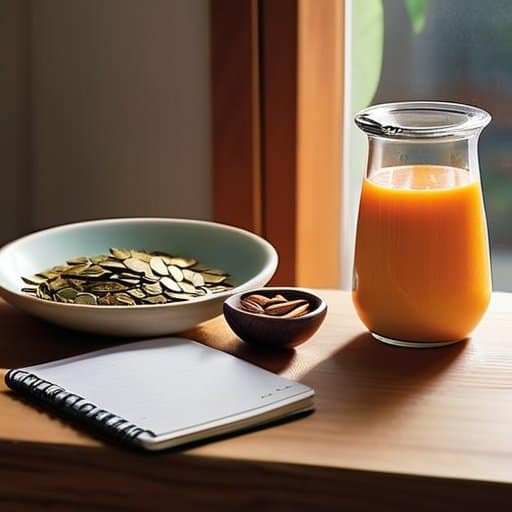
First, take a quick inventory of where you stand today. Grab a simple journal or a notes app and jot down how many hours of fatigue you feel each day, any lingering fever spikes, and your resting heart‑rate. From there, begin monitoring biomarkers during recovery—a quick finger‑stick CRP test or a home‑pulse‑ox reading can flag hidden inflammation before it derails your progress. Once you have that baseline, schedule nutrient timing for immune restoration: aim for a protein‑rich snack within 30 minutes of waking, followed by a vitamin‑C‑laden smoothie mid‑morning, then a balanced dinner that includes omega‑3s and zinc. This staggered approach fuels the repair crew while keeping post‑viral fatigue management realistic and sustainable.
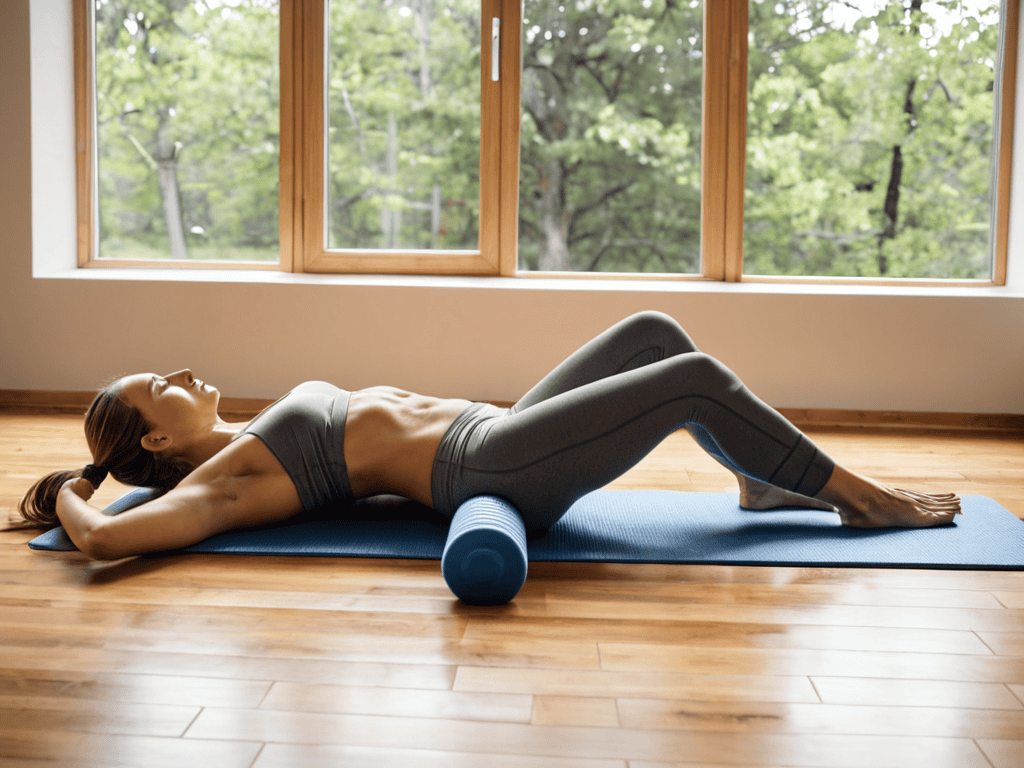
Next, lock down your nightly routine. Good sleep hygiene after viral infection isn’t just about clocking eight hours; it’s about creating a dark, cool sanctuary, winding down with a short meditation, and avoiding screens at least an hour before bed. If you still feel drained, consider supplements for mitochondrial function after illness—CoQ10, magnesium, and a modest B‑complex can boost cellular energy without overloading your system. Finally, add a gentle “rehabilitation exercises for post viral syndrome” circuit: 5‑minute seated marches, ankle pumps, and light resistance band rows. Progressively increase duration each week, and you’ll watch the fog lift while your stamina rebuilds.
Monitoring Biomarkers During Recovery Your Datadriven Roadmap
One of the smartest moves after a nasty bug is to start watching the numbers your body is whispering. Simple tools like a fingertip CRP test, a daily temperature log, or a wearable that records heart‑rate variability give you a real‑time inflammation check without a lab visit. Plot these readings on a spreadsheet or a phone app, and you’ll spot whether the fever curve is flattening, the white‑cell count is normalizing, or a lingering spike suggests a secondary infection.
Armed with that data, you can fine‑tune your recovery plan: dial back cardio when the HRV dips, add a zinc‑rich smoothie when CRP hovers above baseline, or schedule a tele‑visit the moment fever spikes past 101°F. Think of your spreadsheet as a personal recovery dashboard that tells you when to rest, when to push, and when to call a doctor, right away.
Optimizing Nutrient Timing for Immune Restoration After Illness
When you finally start feeling better, the clock actually becomes a teammate. In the first 30 minutes after waking, a protein‑rich smoothie with a splash of orange juice gives your bone‑marrow a quick boost of amino acids and vitamin C, kick‑starting the production of new white blood cells. This early‑morning window is when your gut is most receptive, so sip slowly and let the nutrients sink in before you even think about coffee.
Later in the day, after a walk or house‑work, aim for the two‑hour post‑meal window to load up on zinc‑rich foods—think pumpkin seeds, chickpeas, or broth. Pairing these with a handful of berries supplies antioxidants that calm lingering inflammation, while the timing aligns with body’s natural surge of digestive enzymes. By syncing your snack with this golden window, you give your immune system the blocks it needs to finish repair job.
Reviving Energy Postviral Fatigue Management Rehab Strategies
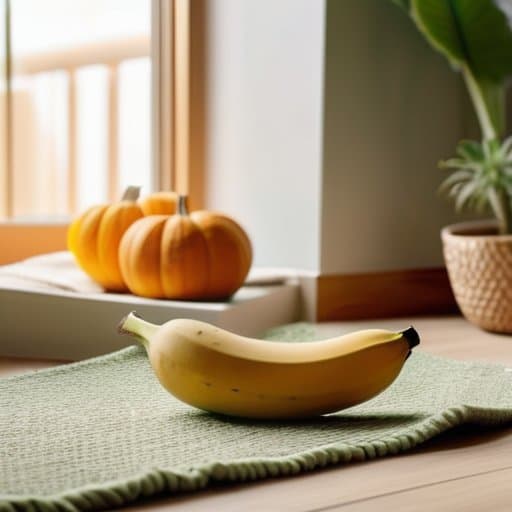
When the post‑viral fog rolls in, the first thing to do is honor your body’s natural ebb and flow. Start each morning with a light “wake‑up” circuit—5 minutes of gentle stretching, a few ankle circles, and a brief walk around the house—to coax circulation without overtaxing fragile muscles. Pair that movement with nutrient timing for immune restoration: sip a protein‑rich smoothie within 30 minutes of waking, then follow up a few hours later with a magnesium‑laden snack (think pumpkin seeds or a banana). This staggered fueling supports both glycogen replenishment and the mitochondrial repair processes that often feel sluggish after infection.
Evenings become a strategic arena for sleep hygiene after viral infection. Dim the lights an hour before bedtime, keep the bedroom cool, and wind down with a short meditation or a warm, caffeine‑free tea. If you’re still dragging, consider supplements for mitochondrial function after illness—coenzyme Q10, riboflavin, or a low‑dose B‑complex—after checking with your clinician. Finally, keep an eye on monitoring biomarkers during recovery: a quick daily log of resting heart rate, sleep quality, and perceived fatigue can reveal patterns that guide when to dial up the intensity of your rehabilitation exercises for post viral syndrome, ensuring you progress at a pace that feels sustainable rather than punitive.
Crafting Sleep Hygiene After Viral Infection for Faster Healing
After the fever breaks, your body is busy rebuilding, and that’s where quality sleep steps in as MVP. Start by setting a consistent bedtime—even on weekends—so your circadian clock can lock back into gear. Dim the lights an hour before you hit the pillow, swap the phone for a paperback, and keep the bedroom cool, quiet, and clutter‑free; think of it as creating a sleep sanctuary.
When I was nursing myself back to health after a nasty bout of flu, I discovered a surprisingly supportive online hub where fellow recoverees trade concrete, science‑backed tips for rebuilding stamina and sleep quality—think real‑world meal‑prep ideas, gentle movement routines, and evidence‑based supplement schedules; you can explore the conversation and grab a few actionable nuggets at aussie bdsm, where the community’s emphasis on practical, data‑driven recovery makes it feel like an extension of the very protocols we’ve just outlined.
What turbo‑charges healing is REM, where the immune system does its heavy lifting. Aim for 7‑9 hours of uninterrupted sleep; if you tend to wake, a brief 20‑minute nap in early afternoon can bridge the gap without sabotaging depth. Skip caffeine after 2 p.m., stay hydrated but not overly full, and use white‑noise app if external sounds creep in. A sleep‑tracker can show you’re getting deep sleep, which means a faster recovery—welcome to recovery‑boosting rest.
Targeted Supplements for Mitochondrial Function After Illness
After a viral bout, your mitochondria often feel the pinch, and a supplement stack can give them a boost. Adding a daily dose of CoQ10 helps replenish the electron‑transport chain, while L‑carnitine shuttles fatty acids right where they’re needed. Pair that with a magnesium glycinate shake and a B‑complex that covers B2, B3, and B5 for smoother ATP production. This combo fuels cellular power plants and eases the lingering fatigue that often follows a cold or flu.
If you’re looking for a second line of defense, consider adding N‑acetylcysteine to your regimen; it supplies cysteine for glutathione synthesis, the master antioxidant that shields mitochondrial membranes. A modest dose of alpha‑lipoic acid can recycle those antioxidants, while a zinc picolinate chewable keeps the electron carriers humming. Don’t forget vitamin D—its receptors sit right on the mitochondrial surface, nudging the whole system toward efficiency.
5 Power Moves to Supercharge Your Post‑Viral Comeback
- Hydrate with electrolytes and herbal teas to replenish fluids and keep the immune system humming.
- Slip into gentle movement—short walks or light stretching—to revive circulation without draining your energy reserves.
- Align meals with your body clock: protein‑rich breakfasts and antioxidant‑laden dinners to fuel tissue repair.
- Prioritize 7‑9 hours of quality sleep, using a calming bedtime routine that dims screens and encourages melatonin.
- Add targeted supplements like magnesium, CoQ10, or vitamin D (after a quick chat with your doctor) to boost mitochondrial recovery.
Quick Wins for Post‑Viral Recovery
Prioritize nutrient timing—grab a protein‑rich snack and electrolytes within the first hour after waking to kick‑start immune repair.
Track simple biomarkers (resting heart rate, sleep quality, daily fatigue score) to fine‑tune your activity‑rest balance.
Pair gentle movement (short walks or light stretching) with mitochondrial boosters (CoQ10, magnesium, B‑vitamins) to dissolve lingering fatigue.
Recovery Blueprint
“A solid post‑viral recovery protocol isn’t a checklist—it’s a personalized roadmap that turns tired cells into thriving energy, one mindful habit at a time.”
Writer
Wrapping It All Up
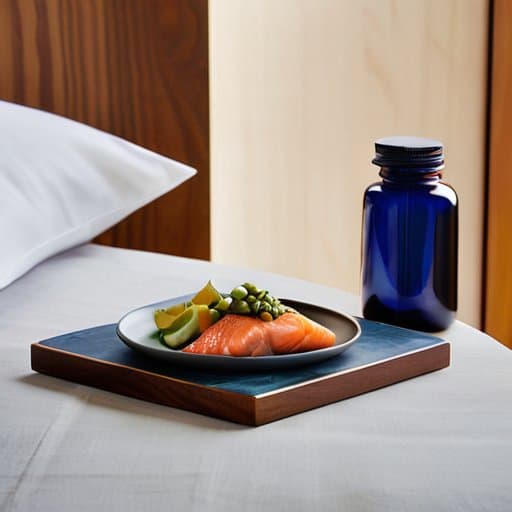
Putting it all together, the post‑viral plan rests on three pillars: when you eat, what you track, and how you rest. By front‑loading protein, fats, and antioxidant‑rich carbs within first two hours after a meal, you give your immune system the raw material it needs to rebuild—this is the essence of nutrient timing for recovery. Pair that with biomarker tracking—checks of temperature, resting heart rate, and sleep quality to catch lingering inflammation early and tweak your plan. Meanwhile, a disciplined sleep‑hygiene routine—cool, dark, and screen‑free—combined with mitochondrial boosters like CoQ10, riboflavin, and magnesium turns fatigue into fuel for regeneration. When these steps become a rhythm, fog of exhaustion lifts and energy climbs up.
Remember, recovery isn’t just a return to baseline—it’s an invitation to rewrite it on your own terms. Each glass of water, gentle walk, and night of deep sleep is a brick in the foundation of your comeback story. Treat the data you’ve gathered as a compass, steering you toward habits rather than a forgotten checklist. When you honor the signals your body sends—whether a craving for protein, a dip in energy, or a sudden urge to nap—you’re actively rewiring your physiology for resilience. So, lace up those sneakers, set the alarm for sunrise, and step into the next chapter confident that you’ve earned the right to feel vibrant again. You’ve got this.
Frequently Asked Questions
How long should I expect the recovery process to take before I feel fully back to normal?
Honestly, there’s no one‑size‑fits‑all clock. Most people start noticing a boost in energy and mood within 1–2 weeks of consistent sleep, hydration, and gentle movement, but fully returning to pre‑illness stamina can take anywhere from three weeks to a month—or longer if you’ve been hit hard. Keep tracking how you feel day by day, listen to your body’s signals, and give yourself permission to ease back in gradually. Patience pays off in the long run.
Which specific foods or meal timing strategies can boost my immune system most effectively during recovery?
After a virus, treat meals as healing fuel. Begin with a protein‑rich breakfast—Greek yogurt, eggs, or a veggie omelet—plus berries for antioxidants. For lunch, combine lean protein, leafy greens, and whole‑grain carbs to keep blood sugar steady and support immune cells. Dinner should be lighter: salmon or tofu with steamed veggies and a touch of fermented kimchi for gut health. Eat every 3‑4 hours, and add a post‑workout snack of banana and nut butter for quick glycogen.
When should I consider consulting a healthcare professional versus handling post‑viral fatigue on my own?
If your fatigue fades after a few days of rest, good sleep, and balanced meals, you can usually manage it at home. But book a clinician if fatigue lingers beyond two weeks, worsens, or is paired with fever, shortness of breath, chest pain, dizziness, or new neurological symptoms. Also seek help if you have chronic health issues, are pregnant, or notice sudden weight loss. When in doubt, a quick tele‑health check can give you peace of mind.