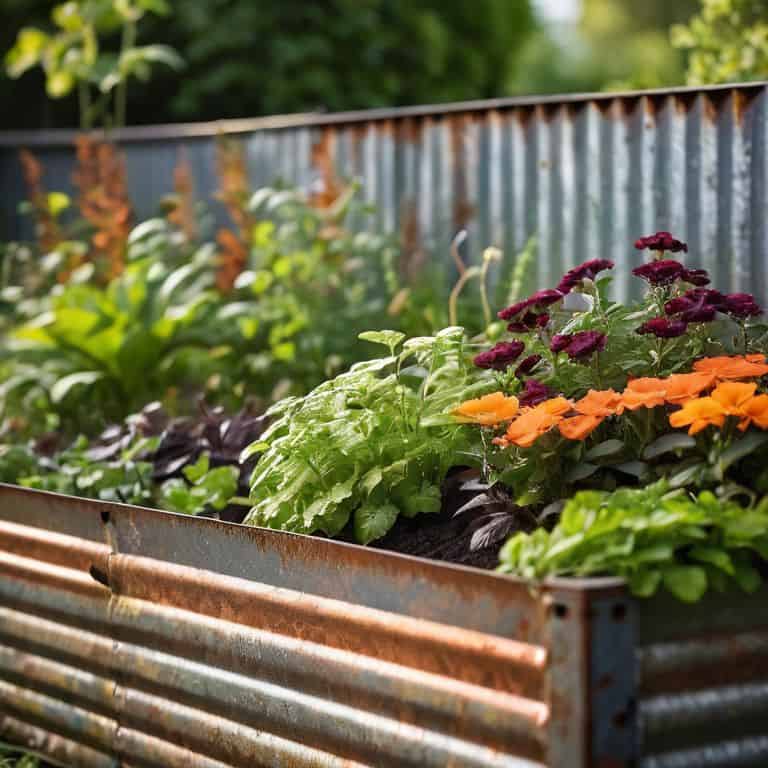
I still remember the first time I attempted to build a garden bed with corrugated metal. I was a novice gardener, and my neighbor, a seasoned green thumb, warned me that it would be a daunting task. But I was determined to prove her wrong. As I delved into the world of DIY gardening, I discovered that the key to success lies not in the material itself, but in the creativity and resourcefulness of the gardener. So, if you’re looking to learn how to build a garden bed with corrugated metal, you’re in the right place.
In this article, I’ll share my personal experience and provide you with honest, no-hype advice on how to transform discarded corrugated metal into a thriving garden oasis. You’ll learn the basics of designing and building your garden bed, from measuring and cutting the metal to adding the perfect mix of soil and plants. My goal is to empower you with the knowledge and confidence to take on this project and make it your own. So, let’s get started and uncover the hidden beauty of corrugated metal garden beds together!
Table of Contents
Guide Overview: What You'll Need
Total Time: 4 hours 30 minutes
Estimated Cost: $100 – $250
Difficulty Level: Intermediate
Tools Required
- Drill (with screwdriver and drill bits)
- Impact Wrench (for tightening corrugated metal screws)
- Tape Measure (for measuring and marking lumber)
- Square (for ensuring corners are square)
- Level (for ensuring the bed is level)
- Safety Glasses (for protecting your eyes from debris)
- Work Gloves (for protecting your hands from cuts and abrasions)
Supplies & Materials
- Corrugated Metal Sheets (10 feet long x 3 feet wide)
- 2-in x 6-in Lumber (for framing the garden bed)
- 2-in x 4-in Lumber (for supporting the corrugated metal sheets)
- Wood Screws (2.5 inches long)
- Corrugated Metal Screws (1.5 inches long)
- Weather-Resistant Wood Glue (for sealing any gaps)
- Soil and Compost (for filling the garden bed)
Step-by-Step Instructions
- 1. First, let’s start by gathering our materials, which will include corrugated metal sheets, a drill, screws, a measuring tape, and a saw. It’s essential to have all the necessary tools before we begin, so take some time to rummage through your toolbox or visit your local hardware store.
- 2. Next, we need to prepare the site where our garden bed will be located. Clear the area of any debris, rocks, or weeds, and make sure it’s level. If you’re planning to place your garden bed on a slope, consider creating a retaining wall to prevent soil erosion.
- 3. Now, let’s measure and cut our corrugated metal sheets to the desired length. Use your measuring tape to mark the sheets, and then cut them using a saw or a metal cutter. Be careful when handling the cut edges, as they can be sharp.
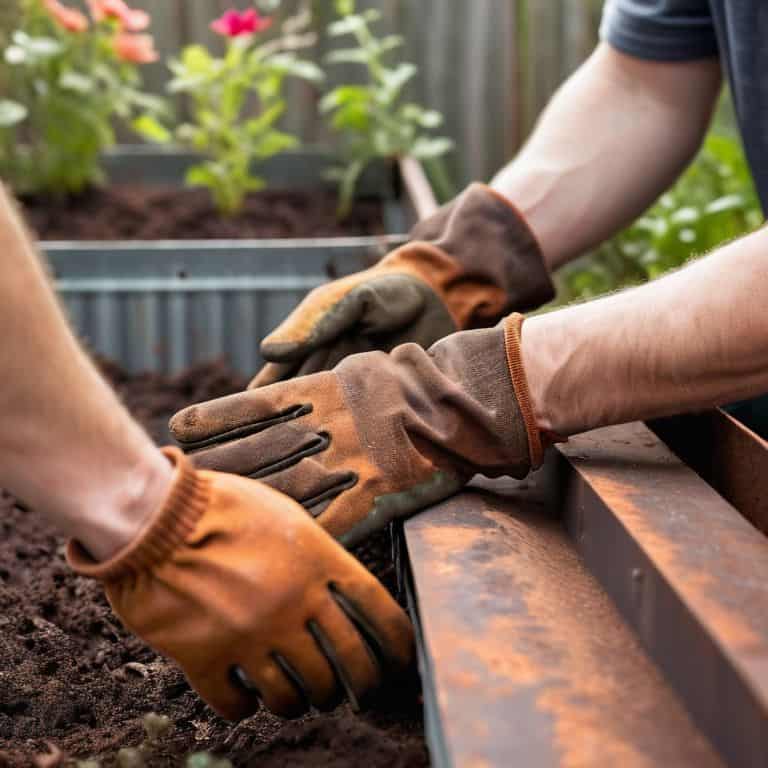
- 4. With our metal sheets cut, it’s time to assemble the frame of our garden bed. Use your drill and screws to attach the sheets to each other, forming a rectangular shape. Make sure the corners are secure and the frame is sturdy.
- 5. To add some drainage and aeration to our garden bed, we’ll need to drill a few holes in the bottom of the metal sheets. This will allow excess water to escape and prevent waterlogged soil. Space the holes about 6-8 inches apart to ensure proper drainage.
- 6. Next, we’ll line the inside of our garden bed with a waterproof membrane to prevent the metal from corroding and to keep the soil from coming into contact with the metal. You can use a plastic liner or a durable landscape fabric for this purpose.
- 7. Finally, let’s add the finishing touches to our garden bed. Fill it with a mix of topsoil, compost, and perlite, and then plant your favorite fruits, vegetables, or flowers. You can also add a decorative touch by attaching a trellis or a wooden trim to the outside of the metal frame.
Building Garden Beds
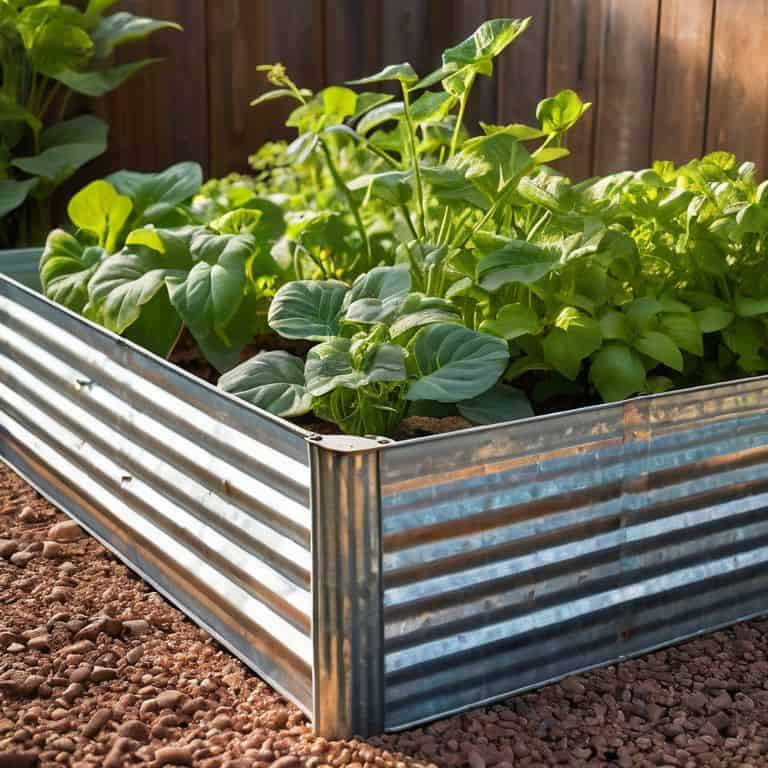
As I delve into the world of corrugated metal raised bed plans, I’m reminded of the importance of proper drainage. A well-designed garden bed should allow excess water to escape, preventing waterlogged soil and root rot. To achieve this, consider incorporating a metal garden bed liner with built-in drainage holes or a layer of gravel at the bottom of your bed. This simple step can make a significant difference in the health and productivity of your garden.
When it comes to the frame of your garden bed, you have options beyond corrugated metal. DIY wood frame garden bed instructions can be a great alternative, offering a more traditional look and feel. However, if you’re set on using corrugated metal, be sure to choose a durable, rust-resistant variety to ensure your bed withstands the elements. I’ve found that a rustic garden bed design can add charm to any outdoor space, and with the right materials, it can be both functional and visually appealing.
In my experience, one of the most significant advantages of using corrugated metal for garden beds is its durability. With proper installation, a corrugated metal garden bed can last for years, requiring minimal maintenance. However, it’s essential to weigh the corrugated metal garden bed pros and cons before making a decision. By considering factors like cost, aesthetics, and environmental impact, you can create a beautiful and thriving garden that brings you joy for seasons to come.
Corrugated Metal Raised Bed Plans
As we dive deeper into building garden beds, let’s explore some innovative corrugated metal raised bed plans. I’ve seen folks transform old shipping containers into thriving gardens, and it’s amazing what a little creativity can do. For a more traditional approach, consider using corrugated metal sheets to create a raised bed frame. Simply cut the sheets to size, assemble the frame, and add a bottom to prevent soil from spilling out.
You can also add a personal touch to your corrugated metal raised bed by incorporating other repurposed materials, like old wooden pallets or brick. The key is to have fun and experiment with different designs until you find one that suits your style and space. With a little imagination, you can turn a simple raised bed into a stunning garden feature that showcases your unique personality.
Diy Wood Frame Garden Bed
As I often do in my urban foraging adventures, I love discovering old wooden pallets that can be repurposed into unique garden beds. With a little creativity, you can transform these discarded materials into a charming DIY wood frame garden bed. Simply disassemble the pallets, cut them to your desired length, and reassemble them into a frame that suits your garden’s style.
I find that adding a personal touch, like a handmade trellis or a quirky wooden decoration, can elevate your garden bed from ordinary to extraordinary. By giving new life to old wood, you’re not only reducing waste but also creating a one-of-a-kind haven for your plants to thrive.
Cultivating Wisdom: 5 Essential Tips for Crafting a Corrugated Metal Garden Bed
- Let the treasure hunt begin: Scour local salvage yards, garage sales, or your own backyard for the perfect piece of corrugated metal to upcycle into your garden bed
- Measure twice, cut once: Ensure your corrugated metal is the right size for your garden bed by carefully measuring the space where it will reside, taking into account any obstacles or desired pathways
- Get creative with the frame: Consider pairing your corrugated metal with reclaimed wood or other eco-friendly materials to create a unique and sturdy frame for your garden bed
- Drainage is key: Incorporate a drainage system into your corrugated metal garden bed to prevent waterlogged soil and root rot, such as adding a layer of gravel or perforated pipe
- Add a personal touch: Embellish your corrugated metal garden bed with natural elements like river rocks, seashells, or handmade ceramic decorations to make it a true reflection of your personality and connection to nature
Embracing Creative Sustainability: 3 Key Takeaways
By repurposing discarded materials like corrugated metal, we not only reduce waste but also infuse our gardens with unique character and history
Building your own garden bed, whether with metal or wood, is an empowering DIY experience that fosters a deeper connection to the natural world and encourages self-sufficiency
Through inventive projects like transforming corrugated metal into thriving garden beds, we can cultivate a community that values creativity, collaboration, and the magic of making something extraordinary out of the ordinary
Cultivating Wisdom
As we breathe new life into discarded corrugated metal, transforming it into thriving garden beds, we’re not just building a space for growth – we’re weaving a tale of resilience, creativity, and the unyielding potential that lies within the everyday.
Stanley Truman
Embracing the Art of Sustainable Gardening
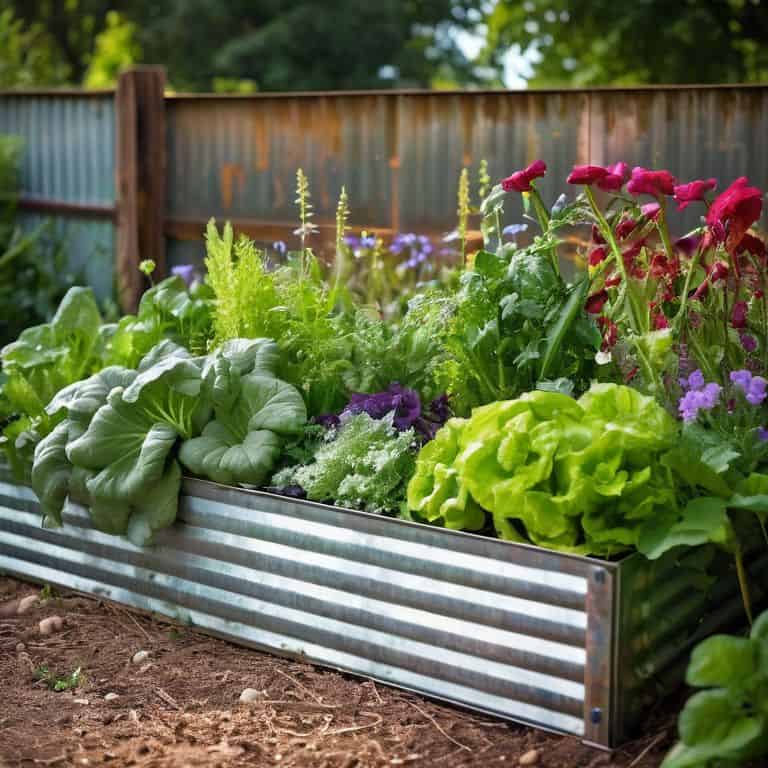
As we conclude our journey of transforming discarded corrugated metal into thriving garden beds, let’s take a moment to reflect on the key takeaways from our adventure. We’ve learned how to breathe new life into old materials, turning them into functional works of art that not only reduce waste but also create unique spaces for growth. From the initial planning stages to the final touches, every step of this process has been about embracing the art of sustainable gardening and finding creative solutions to everyday problems.
So, as you stand in your newly created garden oasis, surrounded by the vibrant colors and lush textures of nature, remember that the true beauty of this project lies not just in its environmental impact, but in the sense of pride and accomplishment that comes from creating something with your own hands. Let this be the starting point for your journey into a more sustainable, self-sufficient lifestyle, where every discarded item becomes an opportunity to unleash your creativity and make a positive difference in the world around you.
Frequently Asked Questions
What are the best types of plants to grow in a corrugated metal garden bed?
The fun part – choosing the perfect plants! For a corrugated metal garden bed, I recommend drought-tolerant gems like succulents, herbs, and wildflowers. They’ll thrive in the metal’s warm, well-drained environment. Plus, they’re low-maintenance, making them perfect for busy gardeners like you and me!
How do I prevent the corrugated metal from rusting or deteriorating over time?
To keep your corrugated metal garden bed looking its best, I recommend a rustic sealant like beeswax or a non-toxic metal coating. These will help shield the metal from the elements, preventing rust and deterioration. It’s a simple trick I learned from my grandmother, who always said, “A little care can make something last a lifetime.
Can I use corrugated metal to build a garden bed on a slope or uneven ground?
Absolutely, my friend! Corrugated metal can be a fantastic option for building a garden bed on sloping or uneven ground. Just ensure you properly anchor the metal to the ground and consider adding a retaining wall or terracing to prevent erosion and soil loss. With a little creativity, you can turn that challenging spot into a thriving oasis!