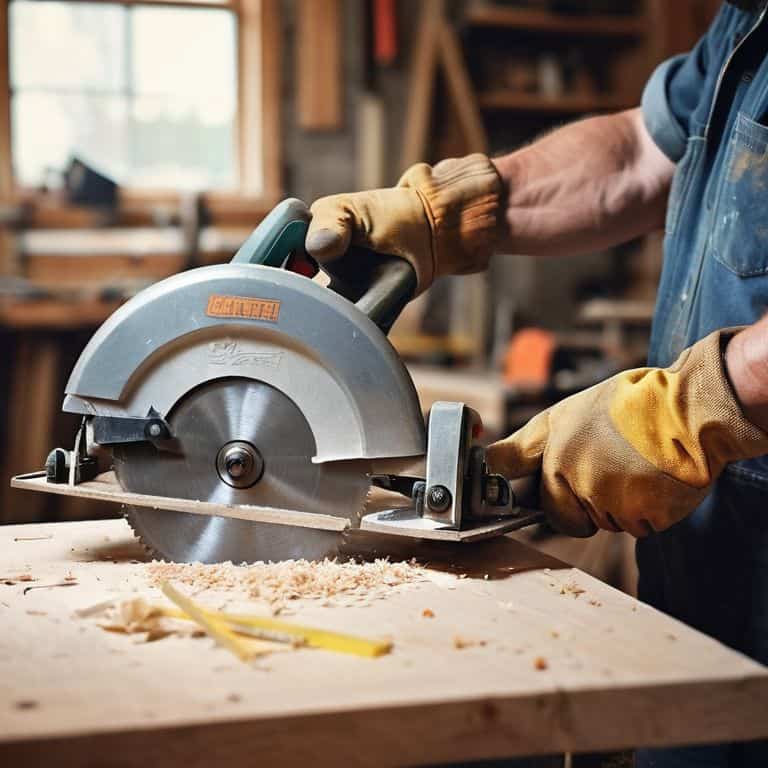
As I stood in my dad’s workshop, watching him tackle a DIY project with ease, I learned that using a circular saw safely is all about respecting the tool and taking your time. I’ve always been fascinated by the way a well-crafted piece of furniture can bring a room to life, and I’ve spent countless hours sawing through wood and learning the ins and outs of woodworking. But I’ve also seen my fair share of accidents, and I believe that a good a guide to using a circular saw safely is essential for anyone looking to start their own woodworking journey.
In this article, I’ll share my personal experience and expertise to provide you with a practical guide to using a circular saw safely. You’ll learn how to choose the right blade, how to properly maintain your saw, and how to avoid common mistakes that can lead to accidents. My goal is to give you the confidence to start your own projects, whether you’re a seasoned woodworker or just starting out. With this honest advice, you’ll be well on your way to creating beautiful pieces of furniture that will last for years to come, all while staying safe and sound in your workshop.
Table of Contents
Guide Overview: What You'll Need
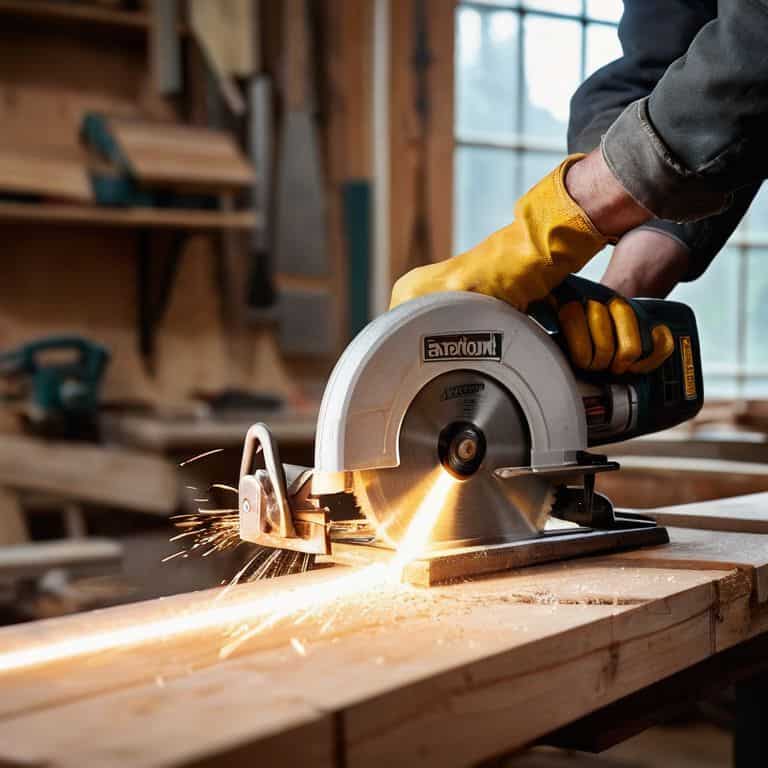
Total Time: 1 hour 15 minutes
Estimated Cost: $50 – $100
Difficulty Level: Intermediate
Tools Required
- Circular Saw (with a sharp blade)
- Safety Glasses (with a strap)
- Hearing Protection (earplugs or earmuffs)
- Push Stick (for guiding wood)
- Clamp (for securing wood)
- Tape Measure (for measuring wood)
- Square (for ensuring accurate cuts)
- Pencil (for marking wood)
Supplies & Materials
- 2-in x 4-in lumber (for practice cuts)
- Plywood (for practice cuts)
- Wood Glue (for bonding wood)
- Safety Mask (for protecting against dust)
Step-by-Step Instructions
- 1. First, let’s start with the basics of safety: before you even think about turning on your circular saw, make sure you’re wearing the right gear. This includes safety glasses, a dust mask, and hearing protection. I remember my dad always saying, “Vera, safety first,” and it’s a mantra that has stuck with me to this day. Proper attire is also crucial, so avoid loose clothing that could get caught in the saw.
- 2. Next, you’ll want to familiarize yourself with your circular saw. Take some time to read the manual, understand the different parts of the saw, and know how to properly maintain it. This will help you identify potential hazards and ensure that your saw is in good working condition. I like to think of it as getting to know a new travel companion – you want to understand its quirks and capabilities before embarking on a journey together.
- 3. Now it’s time to prepare your workspace. Clear the area around your workbench or sawhorse of any clutter or obstacles that could interfere with your work. Make sure the surface is stable and level, and consider using a vice or clamps to hold your material in place. I’ve learned that a clean and organized workspace is essential for staying focused and avoiding accidents.
- 4. When you’re ready to start cutting, remember to keep your hands and fingers away from the blade. It’s easy to get complacent, but it’s crucial to maintain a safe distance from the saw’s business end. I like to use a push stick or other guiding device to help keep my hands safe and maintain control over the material. This is especially important when cutting curved or angled lines.
- 5. As you begin to cut, listen to the sound of the saw and pay attention to any changes in its tone or pitch. If the saw starts to bind or slow down, don’t force it – instead, back off and reassess. This could be a sign that your blade is dull, or that you’re applying too much pressure. I’ve found that taking a step back and re-evaluating the situation can help prevent accidents and ensure a clean cut.
- 6. When making a cut, use a smooth, consistent motion. Apply gentle to moderate pressure, depending on the material you’re cutting, and let the saw do the work. Don’t apply too much pressure, as this can cause the saw to kick back or bind. I like to think of it as dancing with the saw – you want to move in harmony with the tool, not against it.
- 7. Finally, after you’ve completed your cut, turn off the saw and let it come to a complete stop before setting it down or walking away. This is a crucial step that can help prevent accidents and ensure your safety. I’ve developed a habit of double-checking my saw and surroundings before moving on to the next task, and I encourage you to do the same. By following these steps and staying vigilant, you’ll be well on your way to becoming a circular saw master.
Sawing Through the Noise
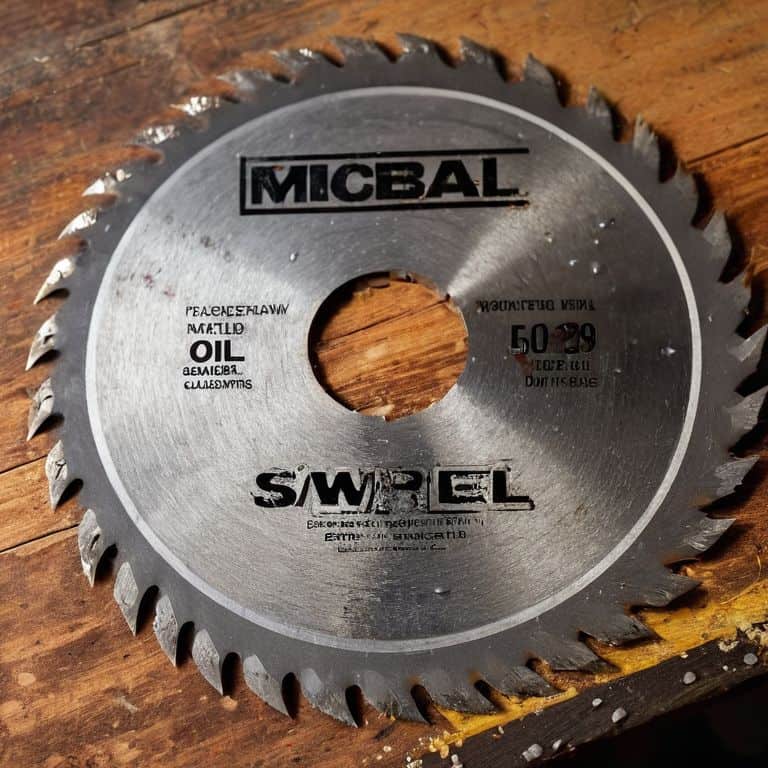
As I reflect on my own experiences with circular saws, I’ve come to realize the importance of circular saw blade maintenance. A well-maintained blade can make all the difference in ensuring safe and accurate cuts. I remember my dad teaching me how to properly clean and store the blade after each use, emphasizing that a sharp blade is not only more efficient but also safer to use.
When it comes to safe cutting techniques for beginners, I always stress the value of taking your time and being mindful of your surroundings. Preventing kickback with proper stance is crucial, as it can help you maintain control of the saw and avoid accidents. I’ve seen many beginners underestimate the power of a circular saw, but with the right techniques and mindset, you can master the tool and achieve professional-grade results.
In my travels, I’ve had the chance to compare various circular saw safety features, and I must say that some models truly stand out from the rest. By investing in a high-quality saw with advanced safety features, you can significantly reduce the risk of accidents and ensure a smoother cutting experience. As a treasure hunter at flea markets, I’ve learned to appreciate the value of best practices for circular saw storage, and I always make sure to store my saw in a dry, secure location, ready for the next project.
Mastering Circular Saw Blade Maintenance
As I delve deeper into the world of circular saws, I’ve come to realize that blade maintenance is an art in itself. It’s about understanding the nuances of your tool and giving it the TLC it deserves. I recall a particularly grueling project where my dad’s saw blade had become dull, causing more frustration than progress. He taught me that a well-maintained blade is the difference between a smooth cut and a labored one. Regular cleaning, proper storage, and timely replacement are just a few of the secrets to mastering circular saw blade maintenance.
By taking the time to inspect and care for your blade, you’ll not only extend its lifespan but also ensure that your cuts are precise and effortless. It’s a lesson that has stuck with me, and one that I now pass on to you – a small but crucial detail that can make all the difference in your woodworking journey.
Preventing Kickback With Proper Stance
As I recall my dad’s workshop lessons, maintaining proper stance was crucial to preventing kickback. I stand with my feet shoulder-width apart, dominant foot forward, and body balanced evenly. This stance allows me to control the saw and absorb any unexpected movements. By keeping my body straight and my eyes on the cutting line, I minimize the risk of kickback and ensure a smooth cut. It’s all about being mindful of my body positioning and respecting the tool’s power. With practice, this stance becomes second nature, allowing me to focus on the cut and create precise, professional-looking results.
Saw Safe: 5 Essential Tips for a Trouble-Free Cut
- Always wear protective gear, including safety glasses and a dust mask, to prevent injuries from debris and sawdust
- Ensure your circular saw is properly calibrated and maintained, with a sharp blade and well-lubricated moving parts, to reduce the risk of kickback and accidents
- Keep loose clothing and long hair tied back, and avoid wearing jewelry that could get caught in the saw, to maintain a safe working environment
- Use the correct blade for the material you’re cutting, and never force the saw through a cut, as this can cause the blade to bind and lead to kickback or breakage
- Maintain a firm, comfortable stance with your body positioned to the side of the saw, and keep your hands and fingers away from the blade, to prevent accidental contact and injury
Key Takeaways for Safe Circular Saw Operation
Safely operating a circular saw requires a combination of proper stance, respect for the tool, and regular maintenance to prevent accidents and ensure a smooth cutting experience
Mastering circular saw blade maintenance is crucial, as a dull or improperly installed blade can lead to kickback and other safety hazards, highlighting the importance of regular checks and replacements
By adopting a mindful approach to sawing, including preventing kickback with proper stance and being aware of one’s surroundings, you can significantly reduce the risk of injury and create a safer working environment for yourself and others
Safety in the Sawdust
As I’ve learned from my father’s workshop tales, safety with a circular saw isn’t just about following rules, it’s about respecting the tool and the stories it helps you create.
Vera Kump
Embracing Safety and Precision

As I conclude this guide to using a circular saw safely, I want to emphasize the importance of mastering the basics, from choosing the right blade to maintaining a proper stance. We’ve covered the essential steps, from pre-use checks to post-use storage, and delved into critical aspects like circular saw blade maintenance and preventing kickback. By following these guidelines and practicing diligence, you’ll not only ensure your safety but also elevate the quality of your work. Remember, safety is a mindset that complements your skills, making you a more confident and proficient craftsman.
As you embark on your woodworking journey, remember that precision is key, and safety is the foundation upon which all your projects are built. Don’t be afraid to experiment, to try new things, and to push your boundaries, but always do so with a deep respect for the tools and the craft. With time and practice, you’ll find that the safety guidelines become second nature, allowing you to focus on the creative process and the joy of bringing your ideas to life. Happy building, and I look forward to seeing the incredible things you create!
Frequently Asked Questions
What are the most common mistakes beginners make when using a circular saw for the first time?
As I’ve seen in my dad’s workshop, beginners often overlook proper blade alignment and fail to keep their workpiece securely clamped, leading to kickback and uneven cuts – it’s all about taking that extra moment to double-check your setup before making the cut.
How often should I replace the blade on my circular saw to ensure safe and efficient cuts?
I replace my circular saw blade every 3-6 months, depending on usage. A dull blade can lead to accidents, so I check for signs of wear, like uneven cuts or excessive vibration. When in doubt, I swap it out – it’s a small price for safety and precision.
What safety precautions should I take when operating a circular saw in a small or enclosed workspace?
When operating a circular saw in tight spots, I always prioritize ventilation and visibility. Ensure good airflow to prevent dust buildup, and maintain a safe distance from any flammable materials. Proper lighting is also key – I use a headlamp to illuminate my work area, helping me stay focused and avoid accidents.