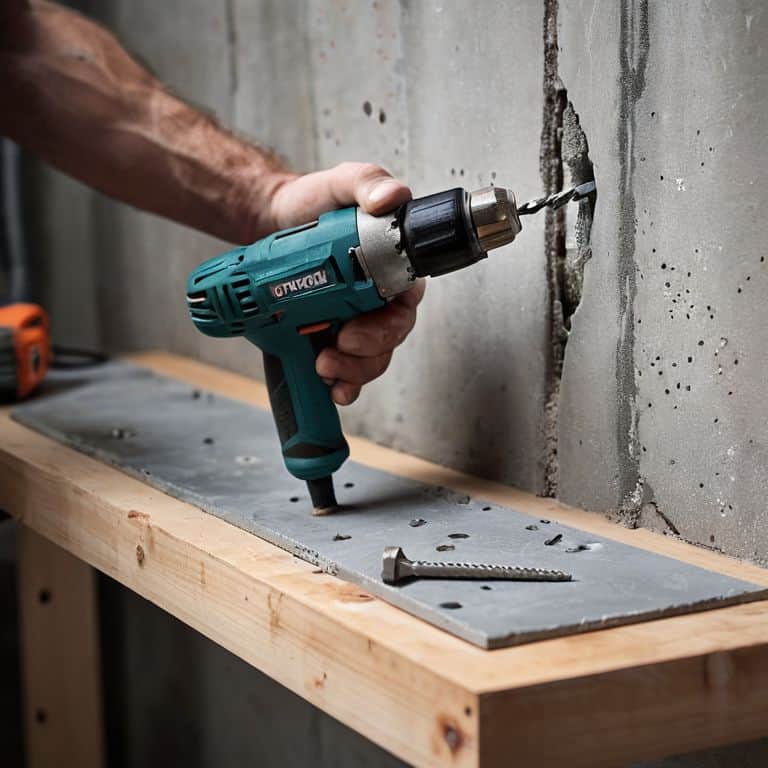
I still remember the first time I tried to anchor shelves to a concrete wall in my tiny apartment. I was determined to create a cozy reading nook, but I ended up with a handful of broken drills and a wall that looked like it had been through a war. It was then that I realized the common myth that you need to be a professional handyman to successfully anchor shelves to a concrete wall is simply not true. With the right tools and a bit of patience, anyone can achieve a sturdy and stylish shelving unit.
In this article, I’ll share my personal experience and practical advice on how to anchor shelves to a concrete wall without breaking the bank or losing your mind. You’ll learn how to choose the right anchors, prepare your wall, and install your shelves with ease. I’ll also provide you with some creative tips on how to make the most of your newfound shelving space, from displaying your favorite books to showcasing your urban foraging finds. By the end of this guide, you’ll be well on your way to creating a beautiful and functional space that reflects your unique style and personality.
Table of Contents
Guide Overview: What You'll Need
Total Time: 1 hour 45 minutes
Estimated Cost: $20 – $40
Difficulty Level: Intermediate
Tools Required
- Drill (with masonry bit)
- Hammer
- Level
- Measuring Tape
- Wrench or Socket (for anchor bolt)
- Pencil (for marking wall)
Supplies & Materials
- Masonry Anchors (e.g., 1/4 inch or 1/2 inch)
- Shelf Brackets
- Screws (for shelf board)
- Shelf Board (e.g., 3/4 inch thick, 12 inches wide, 6 feet long)
- Wall Anchors (e.g., anchor bolts or concrete screws)
Step-by-Step Instructions
- 1. First, let’s gather our tools and materials, because having everything we need within arm’s reach makes the process not only more efficient but also more enjoyable. We’ll need a drill, a set of concrete anchors, screws, a level, a pencil, and of course, the shelves themselves. I like to think of this step as preparing for a creative recipe, where each tool and material is an ingredient waiting to come together in a beautiful way.
- 2. Next, we need to plan the placement of our shelves. This involves deciding on the height and spacing that works best for the items we want to display or store. It’s a good idea to take some measurements and maybe even do a quick sketch to visualize how everything will look. Remember, the goal is to create a space that’s not just functional but also visually appealing, so don’t rush this step.
- 3. Now, it’s time to mark the wall where we want to place our screws. Using a pencil, lightly mark the spot where each anchor will go. Make sure these marks are level and aligned with each other, as this will ensure our shelves are straight and sturdy. If you’re like me, you might find it helpful to use a piece of chalk to draw a light line along the entire length where the shelf will sit, just to get a better sense of the layout.
- 4. With our marks in place, we can start drilling pilot holes for the anchors. This is a crucial step because it allows the anchors to sit flush with the wall, providing a solid base for our shelves. When drilling into concrete, it’s essential to use the right drill bits and to apply steady, gentle pressure. Don’t push too hard, as this can cause the bit to slip or the concrete to crack.
- 5. After drilling our pilot holes, it’s time to insert the anchors. These are specially designed to grip the concrete, providing a secure hold for our shelves. Make sure they’re seated properly and that the screw threads are exposed and ready for the screws. This step is where the magic starts to happen, as you begin to see your project take shape.
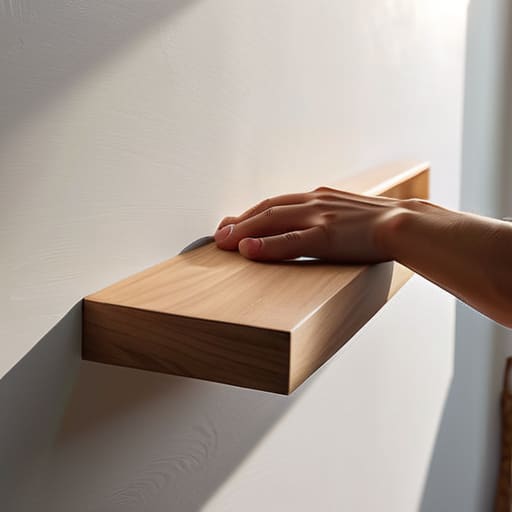
- 6. Next, we’ll attach the shelves to the wall using the screws provided with the anchors. It’s important to tighten these screws firmly but avoid overtightening, which can damage the anchors or the shelf itself. As you place each shelf, double-check that it’s level and adjust as necessary. This is also a good time to step back and admire your handiwork, seeing how the shelves are transforming your space.
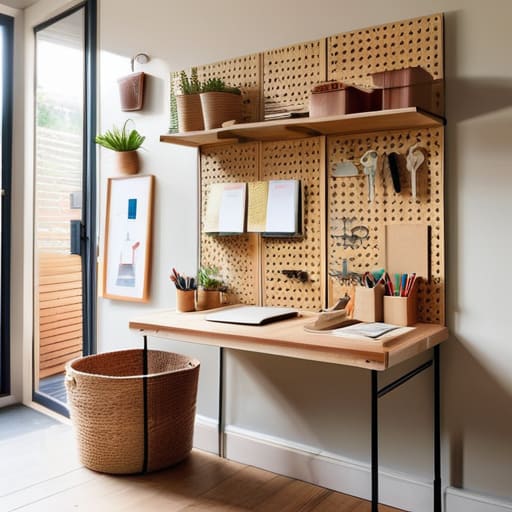
- 7. Finally, let’s add the finishing touches. This could mean placing your decorative items on the shelves, adding some plants for a touch of greenery, or simply stepping back to admire how your DIY project has come together. It’s a feeling of pride and accomplishment that never gets old, knowing you’ve created something with your own hands that will serve you well for years to come.
Anchoring Shelves With Ease
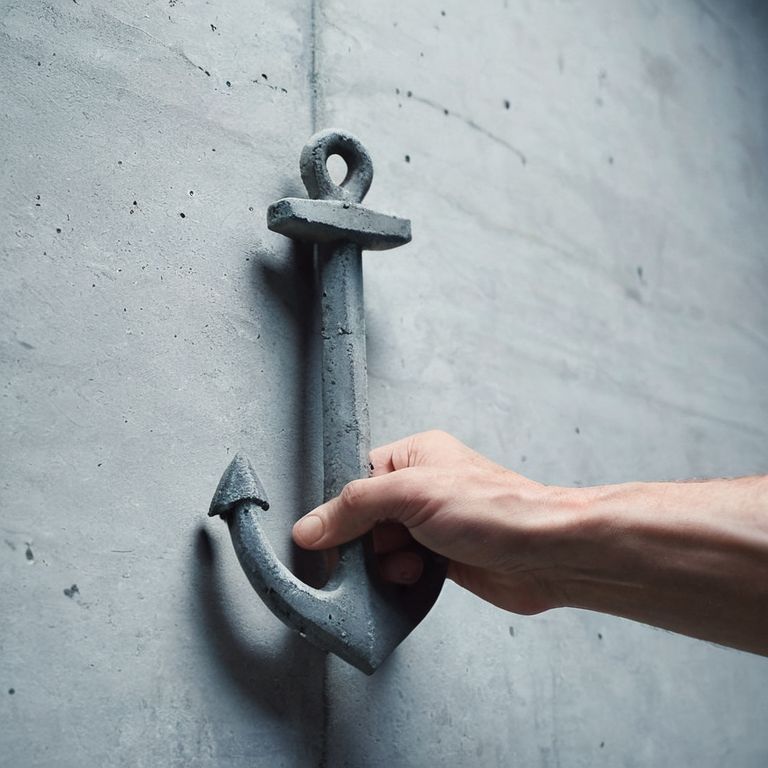
As I always say, the key to anchoring shelves with ease lies in understanding the type of concrete wall anchor you’re working with. There are various concrete wall anchor types available, each with its own unique benefits and drawbacks. When it comes to heavy shelves, I recommend using the best anchors for the job, as they provide the necessary support and stability.
Drilling into concrete safely is also crucial to avoid damaging the wall or the shelf. Drilling into concrete safely requires patience and the right tools, including a concrete drill bit that’s well-maintained. Regular concrete drill bit maintenance can make all the difference in ensuring a smooth and efficient drilling process. By taking the time to properly care for your drill bits, you’ll be able to achieve a stronger hold and a more stable shelf.
To ensure wall shelf stability factors are met, it’s essential to consider the weight and size of the shelf, as well as the type of concrete wall anchor used. By following these tips and using the right concrete anchor installation tips, you’ll be able to create a sturdy and reliable shelf that will last for years to come. With a little practice and patience, you’ll be a pro at anchoring shelves in no time, and you’ll be able to enjoy the satisfaction of a job well done.
Best Anchors for Heavy Shelves Found
When it comes to heavy shelves, I always say, “it’s not just about holding it up, it’s about holding it strong!” That’s why I swear by expansion anchors – they’re the superheroes of the anchoring world. These clever devices expand when you screw them into place, creating a rock-solid grip that can handle even the heaviest of loads. My favorite type is the Molly bolt; it’s like a warm hug for your wall, distributing the weight evenly and keeping everything secure.
I’ve also had great success with sleeve anchors, which work beautifully with thick or thin shelves. They’re incredibly versatile and can be used in a variety of materials, from concrete to brick. With the right anchor, you can breathe easy knowing your shelves are safe and secure, and you can focus on the fun part – filling them up with all your favorite treasures!
Drilling Into Concrete Safely Done
To drill into concrete safely, I always say it’s all about the right tools and a bit of patience. My trusty rotary hammer is my go-to companion for this task. I make sure to wear my safety goggles and a dust mask to avoid any debris. With a steady hand, I slowly start drilling into the marked spot, applying gentle to moderate pressure. It’s amazing how a little care can make this process so much smoother.
As I drill, I keep an eye on the bit’s progress, making adjustments as needed. It’s almost therapeutic, watching the concrete yield to the drill’s persistence. Once I’ve reached the desired depth, I carefully remove the drill bit and blow out any dust or debris. Now, my shelf’s anchor point is ready – it’s a small victory, but one that brings me closer to my DIY dream!
Shelf Life Hacks: 5 Tips to Anchor Your Way to a More Organized You
- Choose the right drill bit: Don’t let concrete get the best of you – use a carbide-tipped bit to make drilling a breeze
- Select anchors that fit the job: From expansion anchors to concrete screws, pick the one that suits your shelf’s weight and wall type
- Measure twice, drill once: Double-check your measurements to avoid costly mistakes and ensure your shelves are level and secure
- Pre-drill with precision: Use a smaller pilot bit to guide your larger drill bit and prevent the concrete from cracking or spalling
- Tighten with care: Don’t overtighten your anchors – it can damage the concrete or strip the screw threads, leaving your shelves wobbly and unstable
Key Takeaways for a Secure and Stylish Space
Always prepare your concrete wall by cleaning and drying the area before drilling to ensure a secure hold for your shelves
Choose the right anchor type for your shelf weight, considering factors like toggle bolts, molly bolts, and anchor shields to distribute the weight evenly
Remember to measure twice and drill once, taking your time to carefully mark and execute each hole for a professional-looking finish that adds to the aesthetic of your DIY concrete wall shelves
The Art of Secure Shelves
Anchoring shelves to concrete walls is not just about stability, it’s about liberating your space from the ordinary and turning the functional into a work of art – where every securely placed screw and carefully chosen anchor tells a story of creativity and self-sufficiency.
Stanley Truman
Embracing the Art of DIY: A Lasting Legacy
As we conclude our journey on how to anchor shelves to a concrete wall, let’s take a moment to reflect on the key takeaways. We’ve explored the world of DIY concrete wall shelves, from the initial introduction to the step-by-step guide, and delved into the specifics of anchoring shelves with ease. We’ve discussed the importance of drilling into concrete safely and identified the best anchors for heavy shelves. By mastering these skills, you’re not only creating functional and beautiful spaces, but also embracing a sustainable lifestyle that values creativity and self-sufficiency.
As you put down your tools and step back to admire your handiwork, remember that the true beauty of DIY lies not just in the end result, but in the process itself. It’s about transforming the ordinary into the extraordinary, and cultivating a sense of pride and fulfillment that comes from creating something with your own two hands. So, keep experimenting, keep pushing the boundaries of what’s possible, and always remember that with a little creativity, anything can be turned into something truly remarkable.
Frequently Asked Questions
What type of drill bit is best for drilling into concrete without causing damage to the wall?
For drilling into concrete without causing damage, I swear by carbide-tipped masonry bits – they’re my go-to choice. These bits are designed specifically for concrete and are less likely to slip or bind, reducing the risk of damage to the wall. Trust me, they’re worth the investment!
How do I know if my shelves are too heavy for the anchors I've chosen?
Ah, great question! To ensure your shelves aren’t too heavy for the anchors, simply check the weight limit on the anchor packaging and compare it to the total weight of your shelves and items. You can also consult the manufacturer’s guidelines or do a quick test hang with a similar weight to guarantee a sturdy hold.
Can I use multiple anchors to distribute the weight of extremely heavy shelves on a concrete wall?
Absolutely, my friend! When it comes to extremely heavy shelves, using multiple anchors is not only a good idea, but a necessity. By distributing the weight across several anchors, you’ll ensure a safe and sturdy installation. I like to think of it as giving your shelves a team of helpers, each one doing its part to keep everything secure and level.