I still remember the day my grandfather, a seasoned mechanic, taught me how to check your tire pressure and tread. I was a young boy, fascinated by the way he could diagnose a car’s problem just by looking at the tires. He’d say, “John, a smooth ride starts with the right pressure and tread.” It was a simple yet profound lesson that has stuck with me to this day. As I grew older and began working on my own cars, I realized that many people overlook this crucial step in maintaining their vehicles. It’s astonishing how often a quick check can prevent a blowout or improve fuel efficiency.
In this article, I’ll share my no-nonsense approach to checking your tire pressure and tread. You won’t find any complicated jargon or overly technical advice here. Instead, I’ll walk you through a straightforward, step-by-step process that’ll have you confidently inspecting your tires in no time. By the end of this guide, you’ll know exactly how to check your tire pressure and tread like a pro, and you’ll be able to enjoy a safer, more comfortable driving experience. So, let’s get started and take the first step towards transforming your garage into a haven of creativity and innovation, one tire at a time.
Table of Contents
Guide Overview: What You'll Need
Total Time: 30 minutes to 1 hour
Estimated Cost: Free – $10
Difficulty Level: Easy
Tools Required
- Tire Pressure Gauge (digital or analog)
- Penny (for tread depth check)
Supplies & Materials
- Tire Pressure Chart (usually found on the driver’s side doorjamb or inside the fuel filler door)
- Air Compressor or Air Pump (optional, for inflating tires to recommended pressure)
Step-by-Step Instructions
- 1. First, make sure you’ve got the right tools for the job – I like to call my trusty tire pressure gauge Bertha, and she’s been with me through thick and thin. You’ll also need a penny to check the tread, which I’ve lovingly named Penny the Tread Tester. Ensure your vehicle is parked on a level surface and turned off.
- 2. Next, find the recommended tire pressure for your vehicle, which can usually be found on a sticker on the driver’s side doorjamb or in your owner’s manual. I like to write it down on a sticky note and stick it to my garage wall, right next to my Tool Tracker chart, so I can refer to it easily. This is crucial, as underinflated tires can lead to reduced fuel efficiency and increased wear.
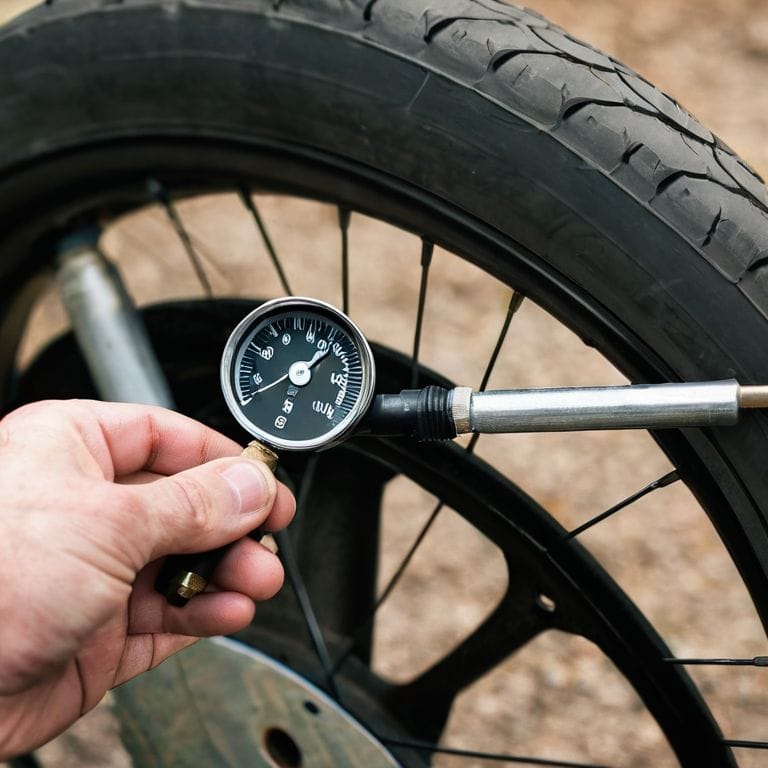
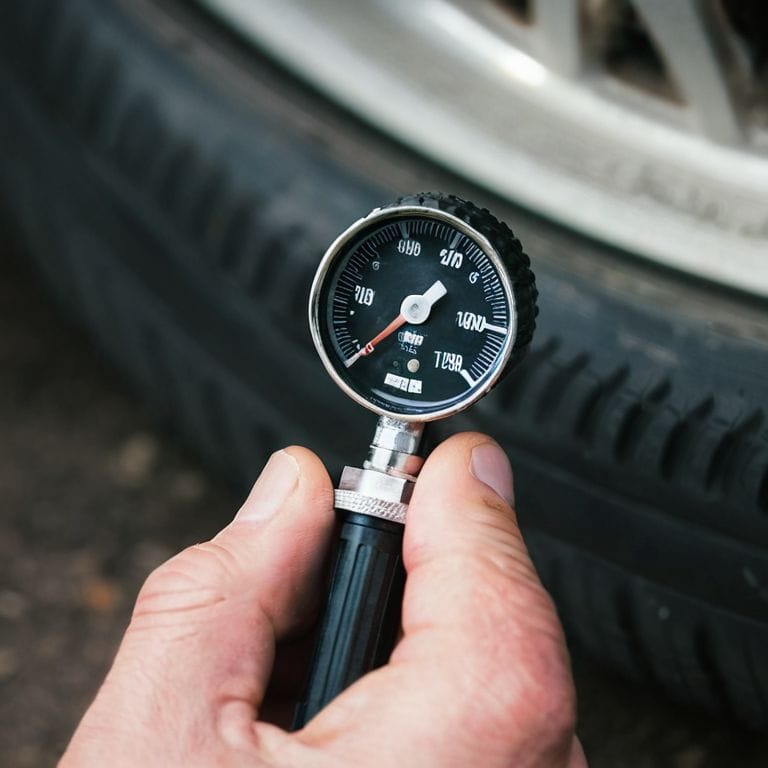
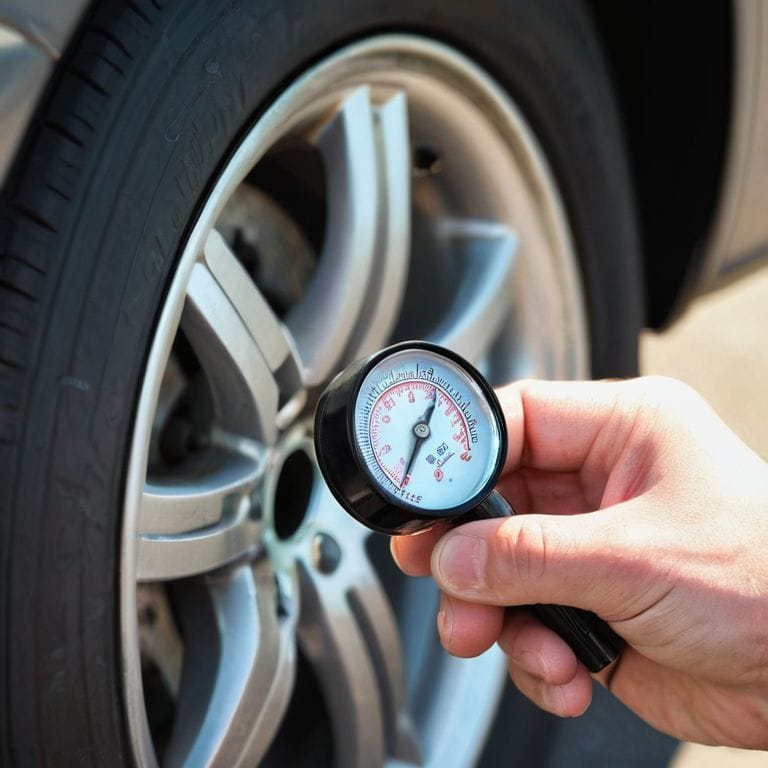
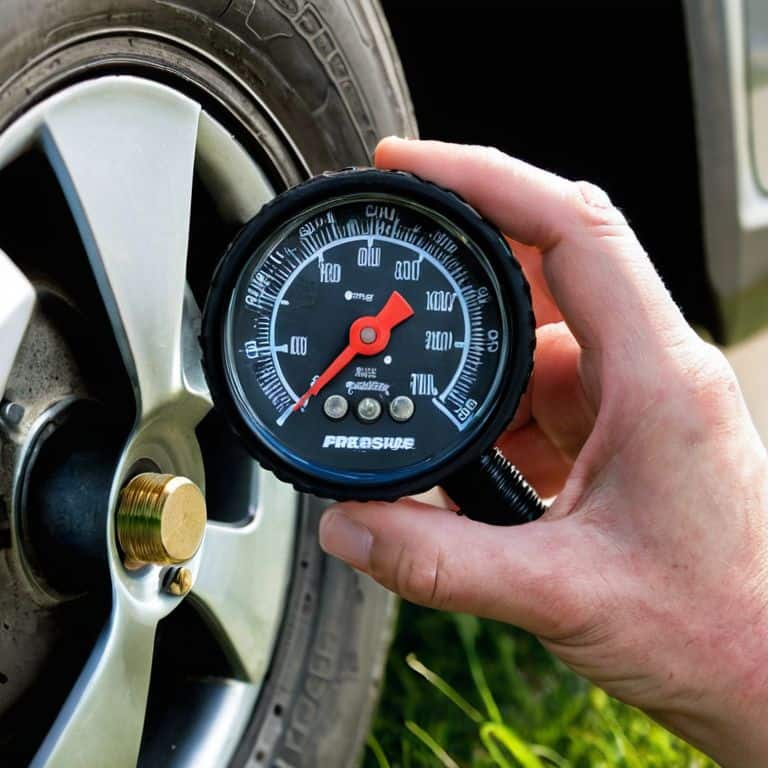
- 3. Now it’s time to remove the valve cap from the tire stem – I’ve named my valve cap remover Vinnie, and he’s a real lifesaver. Press Bertha (your tire pressure gauge) onto the valve stem and hold it firmly until you get a reading. Take note of the current pressure and compare it to the recommended pressure you found earlier.
- 4. If the pressure is too low, you’ll need to add air – my air compressor, Airy, is always up to the task. You can find air compressors at most gas stations or invest in one for your garage, like I did. Add air in small increments, rechecking the pressure with Bertha each time, until you reach the recommended level.
- 5. With the tire pressure sorted, it’s time to check the tread – Penny the Tread Tester is ready to shine. Insert Penny into the tire groove with Lincoln’s head facing down – if you can see the top of his head, the tread is worn down to 2/32 of an inch or less, and it’s time to consider replacing the tire. I like to use a Tread Depth Gauge for more accuracy, which I’ve named Terry.
- 6. Move around the tire, checking the tread at multiple points, including the center and the edges – you might need to use a Tire Tread Guide to ensure you’re getting accurate readings. If you find any uneven wear, it could indicate misaligned wheels or other issues that need attention. Make a note of any areas that need further inspection.
- 7. Finally, take a step back and inspect the tires visually for any signs of damage, such as cracks, bulges, or excessive wear – my trusty Tire Inspection Light, Lily, helps me get a good look. Check the sidewalls, too, for any tire damage or wear, and make sure the valves are tight and not leaking. If you find any issues, it’s time to get your tires serviced or replaced.
Tire Checks Made Easy
As I always say, a well-maintained garage is a happy garage, and that includes keeping your tires in top shape. One of the proper tire inflation benefits is improved fuel efficiency, which is a win-win for your wallet and the environment. To ensure you’re getting the most out of your tires, it’s essential to invest in a good tire pressure gauge. I like to think of it as a vital tool in my toolbox, right next to my trusty “Bertha” – that’s what I call my favorite wrench.
When it comes to measuring tread depth, there are a few tread depth measurement tools you can use, but I swear by the old penny test. It’s simple, effective, and doesn’t cost a dime – literally. Just insert a penny into the tire groove with Lincoln’s head facing down, and if you can see the top of his head, it’s time to consider replacing your tires. I’ve seen firsthand the underinflated tire consequences, and trust me, you don’t want to risk a blowout on the highway.
To take your tire game to the next level, consider investing in a tire pressure monitoring system. These systems can provide real-time feedback on your tire pressure, ensuring you’re always running at optimal levels. Plus, they can help you identify any issues before they become major problems. As someone who’s spent countless hours restoring vintage bicycles, I can appreciate the importance of attention to detail, and that includes regular tire rotation patterns for safety. By following these tips, you’ll be well on your way to becoming a tire expert, and your garage – and your car – will thank you.
Gauge Calibration Accuracy Matters for Tire Pressure
Now that we’ve covered the basics of proper inflation, let’s talk about the importance of gauge calibration. I mean, what’s the point of checking your tire pressure if your gauge isn’t giving you an accurate reading? I’ve seen it time and time again – a faulty gauge can lead to under or overinflated tires, which can be a real safety hazard. That’s why I always make sure to calibrate my trusty gauge, Bertha, regularly. It’s a simple process that can make all the difference in ensuring your tires are properly inflated. By calibration, I mean checking the gauge against a known standard to ensure it’s giving accurate readings – it’s a step that’s often overlooked, but trust me, it’s worth doing.
Proper Inflation the Secret to a Smooth Ride
Proper inflation is where the magic happens, folks. It’s the secret sauce to a smooth ride, improved fuel efficiency, and even extended tire life. I like to think of it as giving my tires a big hug – just the right amount of squeeze. When your tires are properly inflated, they can handle the road ahead with ease, absorbing bumps and shocks like a pro. And let’s not forget about safety – underinflated tires are a recipe for disaster, increasing the risk of a blowout or loss of control.
My trusty sidekick, “Pneuma” the pressure gauge, helps me get the job done. I’ve named all my tools, by the way – it’s a quirk, but it makes the experience more enjoyable. With Pneuma in hand, I can ensure my tires are always at the perfect pressure, as specified in my vehicle’s manual. It’s a simple step, but one that makes all the difference in the world.
Tire Troubleshooting Titans: 5 Key Tips to Keep You Rolling
- Check your tire pressure at least once a month, and before long trips, to ensure you’re running on the optimal PSI
- Use a high-quality tire pressure gauge, like my trusty sidekick ‘Pete the Pressure Pal’, to get an accurate reading every time
- Inspect your tread depth by inserting a penny into the groove with Lincoln’s head facing down – if you can see the top of his head, it’s time for new tires
- Look for uneven wear patterns on your tires, such as cupping or feathering, which can indicate alignment issues or improper inflation
- Keep a tire maintenance log, like I do with my vintage bicycle restorations, to track your progress and stay on top of regular checks and rotations
Key Takeaways to Keep Your Ride Smooth
Tire pressure and tread checks are crucial for safety and performance, and can be easily incorporated into your regular garage routine
Proper inflation and accurate gauge calibration are must-haves for a smooth ride, and can help prevent unnecessary wear and tear on your vehicle
By following these simple steps and making them a habit, you’ll not only improve your driving experience but also extend the life of your tires and overall vehicle health
Tire Wisdom
A smooth ride starts with a single twist of the valve stem – checking your tire pressure and tread is the unsung hero of garage hacks that’ll keep you rolling like a pro!
John Beeler
Wrapping Up: Tire Care Essentials
As we’ve covered, checking your tire pressure and tread is a straightforward process that can make a significant difference in your vehicle’s performance and safety. We’ve gone over the step-by-step guide to ensure you’re equipped with the knowledge to tackle this essential garage task. From proper inflation to gauge calibration, it’s clear that attention to detail is key. By incorporating these habits into your regular maintenance routine, you’ll be well on your way to a smoother ride and extended tire life. Remember, it’s all about developing a mindset that sees your garage as a space for creativity and problem-solving.
As you put these tips into practice, keep in mind that the goal is not just about maintaining your vehicle, but about embracing a culture of DIY innovation. Every time you successfully check and maintain your tire pressure and tread, you’re not just ensuring your safety on the road; you’re also honoring the tradition of hands-on problem-solving that has been passed down through generations of tinkerers and inventors. So, go ahead, get your hands dirty, and remember that in the world of garage enthusiasts, every project is an opportunity to learn, grow, and push the boundaries of what’s possible.
Frequently Asked Questions
What's the best type of tire pressure gauge to use for my vehicle?
For my money, a good old-fashioned digital tire pressure gauge is the way to go – I’ve named mine ‘Digby’! It’s accurate, easy to read, and usually pretty affordable. Just make sure to choose one that’s compatible with your vehicle’s valve type and pressure range.
How often should I check my tire tread depth to ensure it's within the safe range?
Hey, great question! I recommend checking your tire tread depth at least once a month, and before long road trips. You can use the penny test – insert a penny into the groove with Lincoln’s head facing down. If you can see his entire head, it’s time to consider new tires. Stay safe, and keep those tires in check!
Can I use the tire pressure recommended on the tire's sidewall or should I follow the manufacturer's guidelines in the owner's manual?
Ah, great question! When it comes to tire pressure, I always say go with the owner’s manual. The sidewall recommendation is a general guideline, but your vehicle’s manufacturer has specific settings for optimal performance. Trust me, it’s worth the extra minute to check the manual – my trusty ‘Manual Mike’ gauge agrees!