I still remember the day I stumbled upon a quirky old welder at a flea market in Texas – his stories and tricks are still etched in my mind like the polaroids in my favorite album. As I learned about the art of welding, I realized that how to weld for beginners doesn’t have to be a daunting task. In fact, with the right guidance, anyone can spark their creativity and turn a piece of metal into a work of art. I’ve seen many beginners struggle with the basics, but with a little patience and practice, they can master the technique.
As a travel blogger with a passion for treasure hunting, I’ve had my fair share of adventures, and learning how to weld has been one of the most rewarding experiences. In this article, I’ll share my honest and practical advice on how to weld for beginners, from setting up your workstation to creating your first weld. I’ll cut through the noise and provide you with a clear, step-by-step guide to get you started on your welding journey. Whether you’re a DIY enthusiast or an artist looking to explore new mediums, this guide will give you the confidence to take your skills to the next level and unlock a world of creative possibilities.
Table of Contents
Guide Overview: What You'll Need
Total Time: 2 hours 30 minutes
Estimated Cost: $100 – $200
Difficulty Level: Intermediate
Tools Required
- Welding Helmet with a shaded lens
- Welding Gloves insulated and heat-resistant
- Welding Torch with a regulator and hose
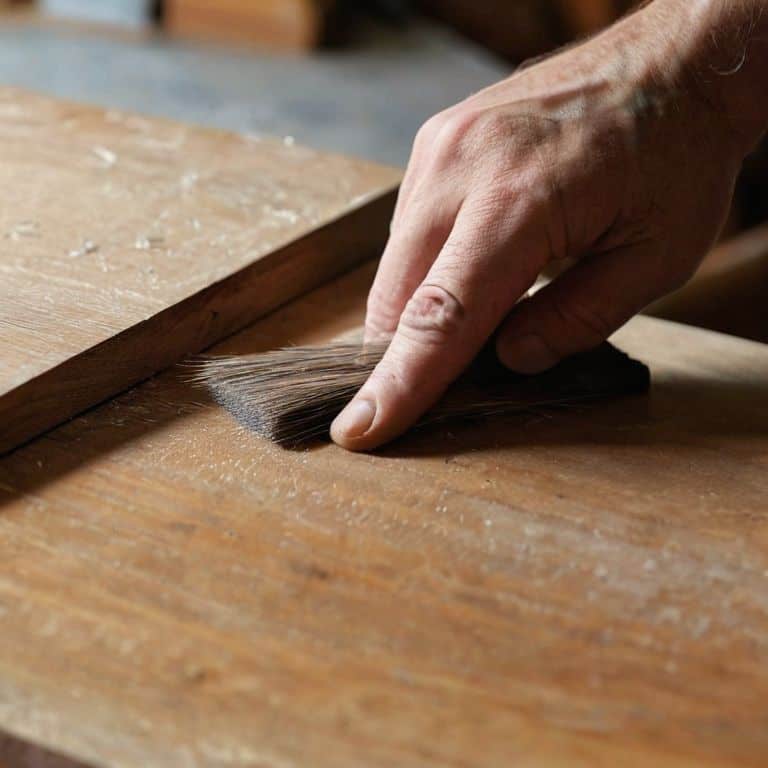
- Wire Brush for cleaning metal surfaces
- Clamp for holding metal pieces together
Supplies & Materials
- Steel Rods 1/4 inches thick
- Welding Wire 0.030 inches diameter
- Welding Flux for shielding the arc
- Metal File for smoothing out welds
- Safety Glasses with a face shield
Step-by-Step Instructions
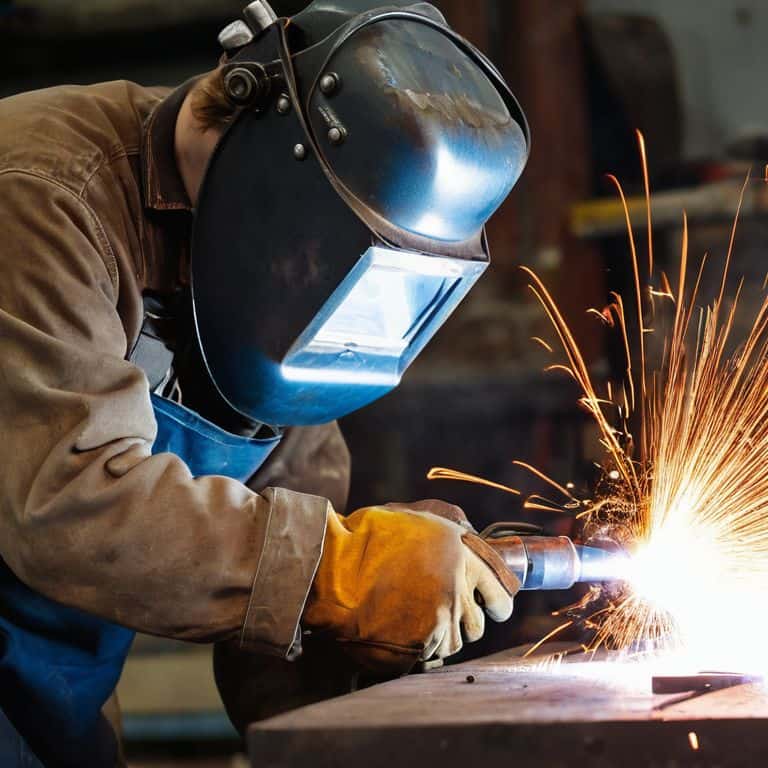
- 1. First, let’s get started with the basics – safety always comes first. Before you even think about striking an arc, make sure you have the right personal protective equipment (PPE), including a welding helmet, gloves, and a fire-resistant jacket. I remember a quirky old welder I met at a flea market in Texas telling me, “Safety is like the story behind a polaroid – it develops over time, but you gotta start with the right shot.
- 2. Next, you’ll need to choose the right welding process for your project. There are several types, including Shielded Metal Arc Welding (SMAW), Gas Metal Arc Welding (GMAW), and Gas Tungsten Arc Welding (GTAW). Each has its own unique characteristics and applications, so it’s essential to research and understand the differences before deciding which one to use. I’ve found that understanding the process is like collecting postcards – each one has a unique story to tell, and you need to know the context to appreciate it fully.
- 3. Now that you’ve chosen your welding process, it’s time to prepare your equipment. This includes setting up your welding machine, selecting the right electrode or wire, and ensuring your work area is clean and clear of any flammable materials. I like to think of this step as preparing for a treasure hunt at a flea market – you need to have the right tools and a keen eye to find the hidden gems.
- 4. With your equipment ready, it’s time to set up your workpiece. This involves cleaning the metal surfaces, removing any oxidation or debris, and clamping the pieces together to ensure they don’t move during the welding process. I’ve learned that a good workpiece setup is like writing a short story – you need a solid foundation to build upon, and every detail counts.
- 5. Next, you’ll need to strike an arc and begin welding. This can be the most challenging part for beginners, as it requires coordinating the movement of the electrode or wire with the flow of the welding current. I find that practicing this step is like taking a polaroid photo – you need to capture the right moment, and it might take a few tries to get it just right.
- 6. As you weld, it’s essential to maintain a consistent arc length and travel speed. This will help you achieve a strong, penetrate weld that’s free of defects. I like to think of this step as navigating a new city – you need to find a rhythm and flow to get where you want to go, and it’s okay to take your time.
- 7. Finally, once you’ve completed the weld, it’s time to inspect and clean up. This involves examining the weld for any defects or porosity, and removing any slag or spatter that may have formed during the welding process. I’ve found that this step is like writing the final sentence of a short story – you need to tie up any loose ends and make sure everything is just right before you’re done.
Igniting Sparks
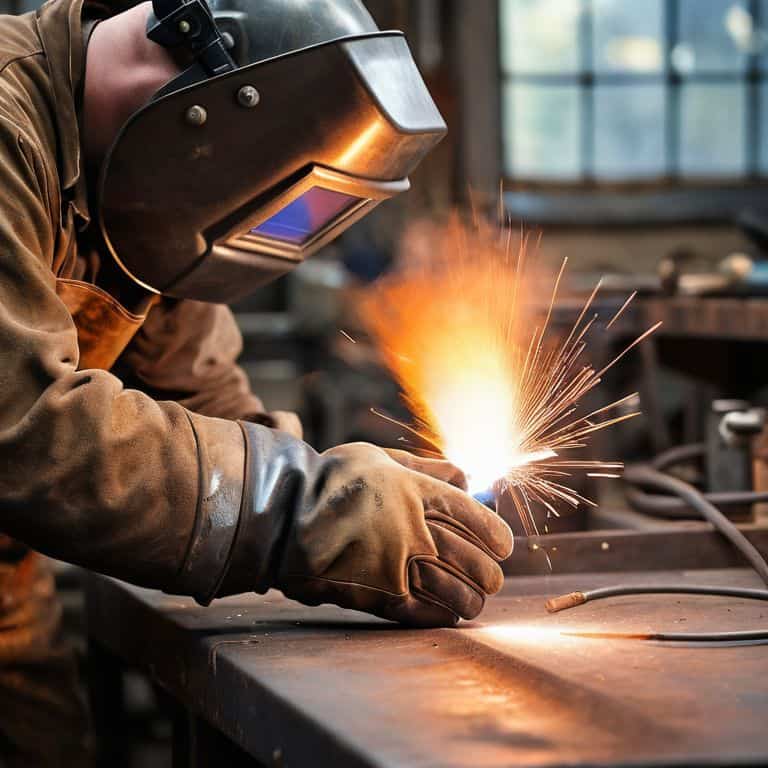
As I reflect on my own journey with welding, I realize that it’s all about the little details. One of the most crucial aspects of welding is welding safety precautions. I recall a quirky old welder I met at a flea market in Texas, who shared with me the importance of wearing proper gear, including a welding helmet and gloves. His stories and tips are still etched in my mind, and I always make sure to prioritize safety when working on new projects.
When it comes to beginner welding projects, I recommend starting with simple tasks like repairing old furniture or creating decorative items. This will help you build confidence and develop your skills before moving on to more complex tasks. I’ve found that practicing with different welding joint types can be incredibly helpful in improving your technique. Whether you’re using shielded metal arc welding techniques or gas metal arc welding for beginners, it’s essential to understand the various types of joints and how to work with them.
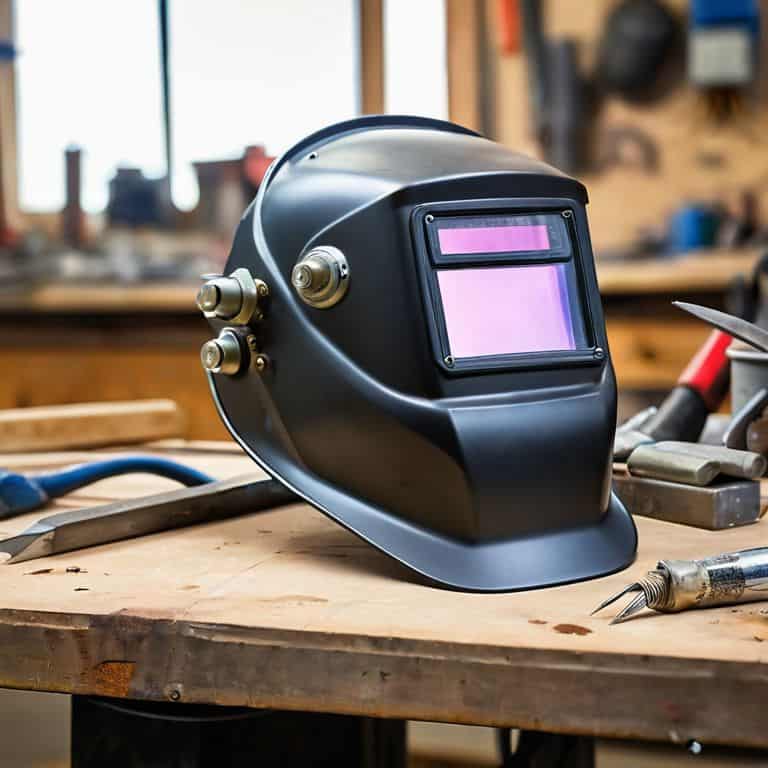
As you continue to hone your skills, don’t forget to invest in a good welding helmet. I’ve tried out several different models, and I can attest to the fact that a high-quality helmet can make all the difference. Look for one with a clear view and comfortable fit, and don’t be afraid to read welding helmet reviews to find the best one for your needs. With the right gear and a bit of practice, you’ll be igniting sparks like a pro in no time.
Shielded Metal Arc Techniques Demystified
As I delved deeper into the world of welding, I found myself fascinated by the shielded metal arc techniques. It’s like searching for a rare postcard at a flea market – you never know what hidden gem you might stumble upon. This method, also known as “stick” welding, uses a consumable electrode covered in flux to protect the arc and molten metal from the atmosphere. I recall a quirky old welder I met in Texas, who shared with me the art of mastering the stick welding technique – his patience and dedication were truly inspiring.
With the right equipment and a bit of practice, anyone can master the shielded metal arc technique. It’s all about feeling the rhythm of the weld, much like writing a story inspired by a vintage postcard. As you strike the arc, the spark ignites, and the metal begins to melt, forming a strong bond between the two pieces. It’s a truly magical process, and one that I’m excited to share with you, so you can uncover the hidden art of welding for yourself.
Welding Safety Precautions Unveiled
As I delved deeper into the world of welding, I realized that safety is just as crucial as technique. I recall a conversation with a seasoned welder at a flea market in Louisiana, who shared with me the importance of wearing proper gear, including gloves, goggles, and a mask. It’s astonishing how often beginners overlook these essentials, putting themselves at risk of injury. I’ve made it a point to always prioritize safety in my own welding journey, and I encourage you to do the same.
When it comes to welding safety precautions, it’s all about being mindful of your surroundings and taking necessary precautions. Keep a fire extinguisher nearby, ensure good ventilation, and never weld near flammable materials. These simple habits can make all the difference in preventing accidents and ensuring a smooth welding experience. By being vigilant and taking the time to prepare, you’ll be able to focus on the creative process, rather than worrying about potential hazards.
Spark to Success: 5 Essential Tips for Beginner Welders
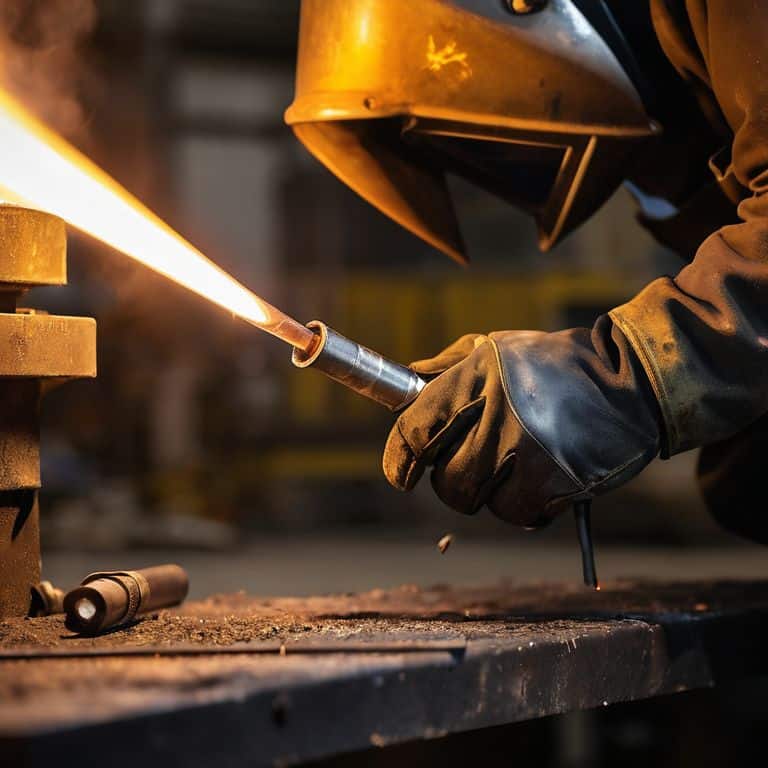
- Start with the right equipment: invest in a good quality welding helmet, gloves, and a comfortable welding jacket to ensure safety and ease of use
- Choose the right welding process for your project: from MIG to TIG, each process has its unique characteristics, so take the time to learn which one suits your needs
- Practice on scrap metal: don’t risk ruining your actual project, practice your welding skills on scrap metal to get a feel for the equipment and techniques
- Keep your workspace clean and well-ventilated: a cluttered workspace can be hazardous, and proper ventilation is crucial when working with welding fumes
- Watch and learn from others: online tutorials, welding classes, and experienced welders can all provide valuable insights and tips to help you improve your welding skills
Spark to Flame: 3 Key Takeaways for Beginner Welders
Always prioritize welding safety precautions, such as wearing proper gear and ensuring good ventilation, to avoid common hazards and injuries
Mastering the shielded metal arc technique is crucial for producing clean, strong welds – practice makes perfect, so don’t be discouraged if it takes time to get the hang of it
Remember, welding is an art that requires patience, dedication, and a willingness to learn from mistakes – don’t be afraid to experiment and try new things to develop your unique style and technique
A Spark of Wisdom
Welding is not just about joining metals, it’s about igniting a spark within yourself to create something new and extraordinary – with every strike, you’re not just shaping steel, you’re shaping stories.
Vera Kump
Embers of Creativity:Conclusion
As we conclude this journey into the world of welding for beginners, it’s essential to reflect on the basics that have been covered. From understanding the importance of safety precautions to mastering Shielded Metal Arc techniques, each step is crucial in the learning process. Remember, the art of welding is not just about joining metals, but about craftsmanship and precision. By following the steps outlined and practicing diligently, you’ll be well on your way to creating your own unique projects and possibly even discovering a new passion.
Now, as you embark on your welding adventures, keep in mind that every spark has the potential to ignite a new creation. Don’t be afraid to experiment and innovate, for it’s in these moments of trial and error that we often stumble upon our most significant breakthroughs. With welding, the possibilities are endless, and the stories of your creations are waiting to be told. So, go ahead, strike that arc, and watch as your imagination comes to life in the fiery dance of metal and flame.
Frequently Asked Questions
What are the most essential tools and equipment I need to get started with welding as a beginner?
Ah, the thrill of gathering your welding arsenal! As a beginner, you’ll need a welder, welding helmet, gloves, and safety glasses. Don’t forget a wire brush and a fire extinguisher. I picked up some fantastic vintage welding gloves at a flea market in Montana – they’re still my go-tos today!
How do I choose the right type of welding rod or electrode for my first projects?
Ah, selecting the perfect welding rod – it’s like finding a rare gem at a flea market! For beginners, I recommend starting with a versatile, all-purpose rod like the E6010 or E7018. These will give you a solid foundation for most steel projects, and as you gain experience, you can experiment with other types to find your favorite.
Are there any specific safety precautions I should take when welding in a small or enclosed space?
When welding in tight spots, ventilation is key. I recall a cozy flea market find – a vintage respirator – that reminded me to always prioritize airflow. Ensure good ventilation, wear a respirator, and keep a fire extinguisher nearby to avoid any sparks turning into flames.