As I sit amidst my collection of vintage botanical illustrations, surrounded by the gentle hum of my urban apartment’s indoor garden, I often find myself pondering the beauty of fusion – where art meets functionality, and nature converges with human ingenuity. This fascination recently led me to explore how to learn basic welding for home projects, a skill that not only adds a touch of whimsy to my DIY endeavors but also deepens my connection with the natural world. I’ve discovered that welding is not just about joining metals; it’s an art form that requires patience, creativity, and a willingness to get your hands dirty.
In this article, I promise to guide you through the honest, no-frills process of learning basic welding for home projects. You’ll discover how to transform everyday materials into unique pieces that reflect your personality and style, all while embracing a more sustainable lifestyle. From setting up your workspace to mastering basic welding techniques, I’ll share my personal experiences, tips, and tricks to help you overcome common challenges and unlock your full creative potential. Whether you’re a seasoned DIY enthusiast or a curious beginner, this journey into the world of welding will empower you to bring your most imaginative projects to life, infusing your home and garden with a touch of earthy elegance.
Table of Contents
- Guide Overview: What You'll Need
- Step-by-Step Instructions
- Igniting Home Projects
- Spark to Flame: 5 Essential Tips for Mastering Basic Welding
- Sustaining the Spark: 3 Key Takeaways for Whimsical Welding
- Spark of Creation
- Embracing the Art of Welding: A Journey of Creativity and Sustainability
- Frequently Asked Questions
Guide Overview: What You'll Need
Total Time: 5 hours 30 minutes
Estimated Cost: $100 – $200
Difficulty Level: Intermediate
Tools Required
- Welding Helmet (with shade 10 lens)
- MIG Welder (with 120 volts input)
- Welding Gloves (heat-resistant, 14 inches long)
- Wire Brush (for cleaning metal surfaces)
- Clamp (for holding metal pieces together, 6 inches wide)
Supplies & Materials
- Steel Plates (1/4 inch thick, 12 inches x 12 inches)
- MIG Welding Wire (0.030 inches diameter, ER70S-6 type)
- Welding Rods (for shielded metal arc welding, 1/8 inch diameter)
- Safety Glasses (with side shields, for protecting eyes)
- Fire Extinguisher (rated for electrical fires, 5 pounds capacity)
Step-by-Step Instructions
- 1. First, let’s start by gathering our tools and equipment, which will include a welder, welding helmet, gloves, and safety glasses. It’s essential to invest in good quality equipment to ensure our safety and the success of our projects. I like to think of this step as preparing for a creative adventure, where we get to combine art and technique to bring our ideas to life.
- 2. Next, we need to choose the right type of welder for our home projects. There are several types of welders available, including MIG, TIG, and ARC welders. As a beginner, I recommend starting with a MIG welder, as they are relatively easy to use and versatile. When selecting a welder, consider the types of projects you want to work on and the thickness of the materials you’ll be welding.
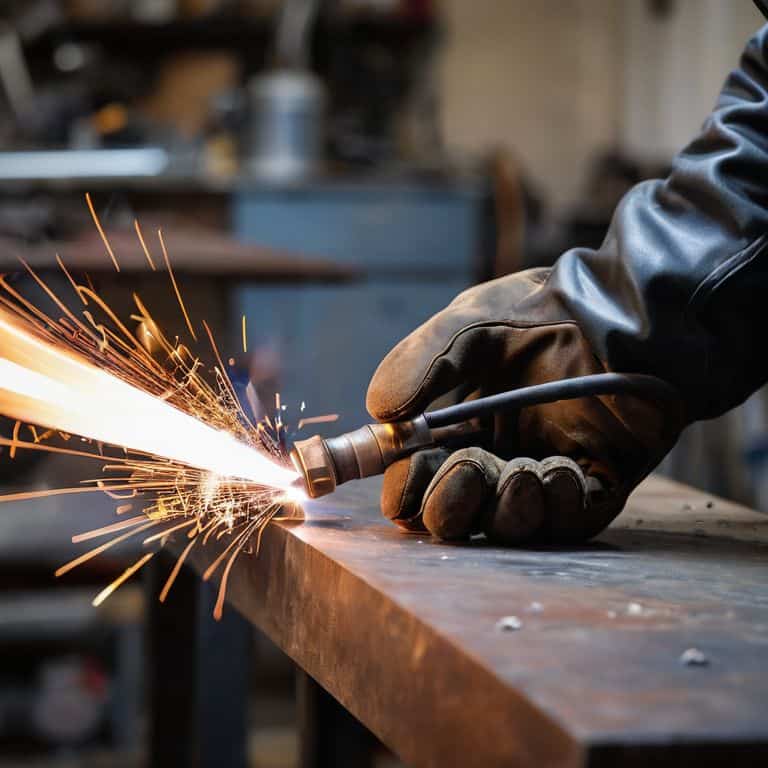
- 3. Now that we have our equipment, it’s time to learn the basic welding techniques. This includes learning how to properly hold the welding gun, how to maintain the correct arc length, and how to move the gun in a steady, consistent motion. I find it helpful to practice welding on scrap metal to get a feel for the equipment and to build my confidence.
- 4. With our techniques practiced, we can move on to preparing our workspace. This includes setting up a well-ventilated area, free from any flammable materials, and ensuring that our equipment is properly grounded. I like to think of my workspace as a creative sanctuary, where I can focus on bringing my ideas to life without any distractions or safety concerns.
- 5. Once our workspace is set up, we can start working on our first project. Let’s start with something simple, like welding two pieces of metal together. I recommend beginning with a small project, like a birdhouse or a planter, to get a feel for the process and to build our skills. As we work on our project, remember to take your time and focus on making smooth, consistent welds.
- 6. As we become more comfortable with the welding process, we can start to experiment with different materials and techniques. This might include welding different types of metal, or trying out various welding patterns and designs. I love this stage of the process, as it’s where we can really let our creativity shine and bring our unique vision to life.
- 7. Finally, let’s not forget to practice safety and maintenance throughout our welding journey. This includes regularly inspecting our equipment, following proper safety protocols, and taking care of our physical and mental health. By prioritizing our safety and well-being, we can ensure that we’re able to continue creating and enjoying the process of welding for years to come.
Igniting Home Projects
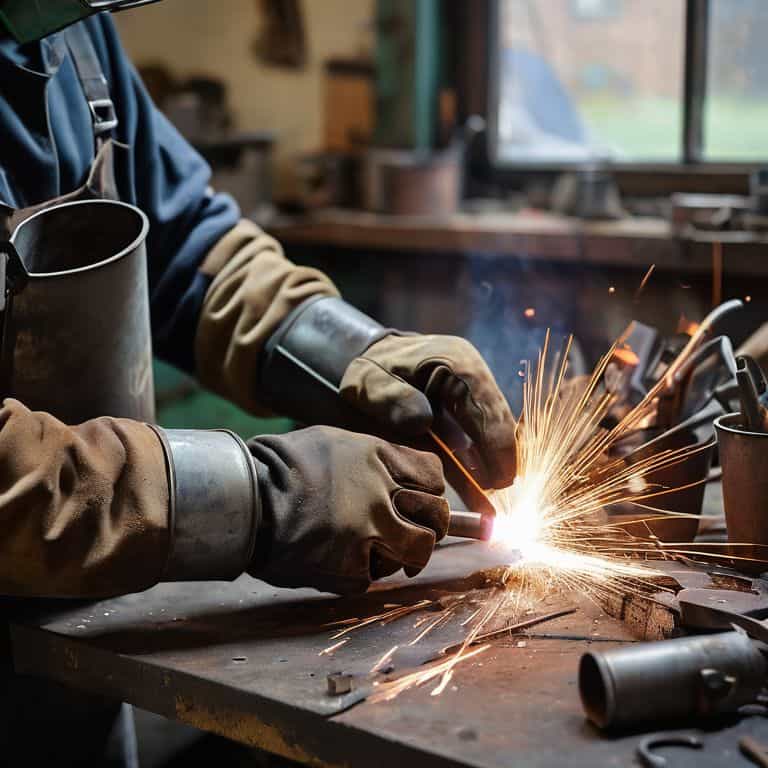
As I delve into the world of welding, I’m reminded of the beauty of transformation that occurs when raw metal is shaped into something truly unique. For a beginner, it’s essential to start with basic welding projects that not only help build confidence but also provide a sense of accomplishment. I recall my first welding project, a simple metal planter, which now sits proudly in my urban garden, filled with herbs and succulents.
When setting up a home welding studio, safety should always be the top priority. This means investing in the right equipment, such as a good welding helmet, and ensuring that your workspace is well-ventilated. I’ve learned that choosing the right welding helmet can make all the difference in comfort and visibility. It’s also crucial to familiarize yourself with welding safety precautions to avoid any potential hazards.
As you progress in your welding journey, you’ll begin to explore different welding metal types for home use, each with its own unique characteristics and challenges. From copper to steel, the options are endless, and it’s exciting to think about the possibilities. By mastering beginner welding techniques and experimenting with various materials, you’ll be well on your way to creating truly whimsical home creations that reflect your personality and style.
Ember Earth Beginner Welding Techniques
As I delve into the world of welding, I find myself drawn to the organic fusion of ember and earth. Beginner welding techniques are all about experimentation and play, much like gathering natural materials for my botanical art. I love how a simple weld can transform a piece of metal into a whimsical planter or a rustic wind chime. By mastering basic techniques like shielded metal arc welding and gas metal arc welding, you’ll be well on your way to crafting unique pieces that bring a touch of the outdoors into your home. With every spark, I feel a sense of connection to the natural world.
Whimsy in Welding Safety Precautions Unveiled
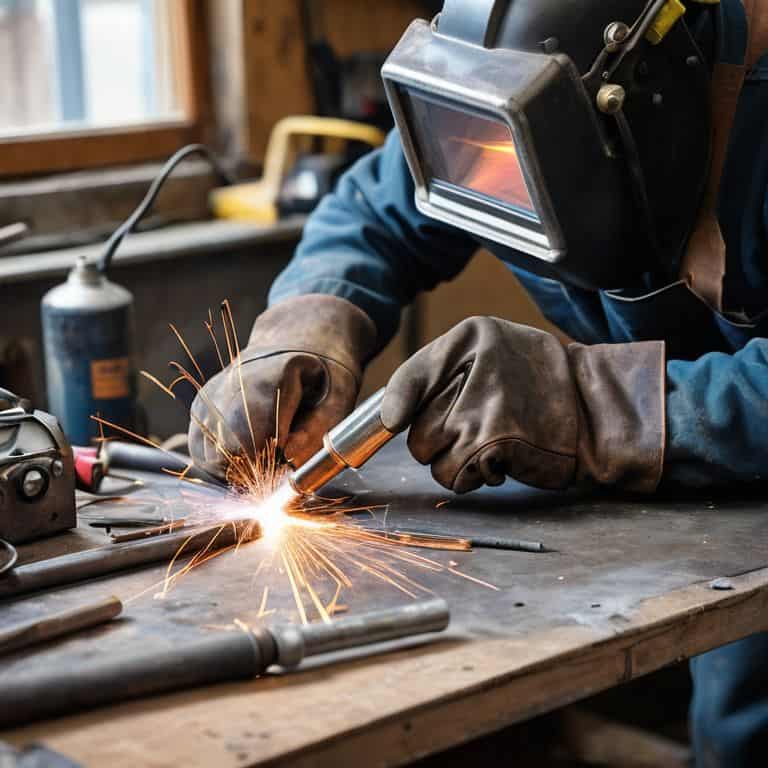
As I delve into the world of welding, I’m reminded of the importance of safety precautions. Just as a delicate flower requires nurturing, our creative endeavors demand careful attention to detail. When it comes to welding, this means donning the right gear – a helmet, gloves, and protective clothing – to shield ourselves from the intense heat and light. It’s a ritual I’ve grown to appreciate, much like preparing for a botanical art project, where every element must be carefully considered to bring the piece to life.
By embracing these safety measures, we can freely explore the whimsical side of welding, merging functionality with artistry. As I see it, safety precautions are not limitations, but rather the foundation upon which our creativity can flourish, much like the earthy elegance of a well-tended garden.
Spark to Flame: 5 Essential Tips for Mastering Basic Welding
- Start with the right equipment: invest in a good welding helmet, gloves, and a reliable welding machine to ensure safety and quality
- Dive into online tutorials and classes to grasp the fundamentals of welding, from safety protocols to technique refinement
- Practice, practice, practice: begin with small projects like fixing a broken gate or creating a simple planter to build confidence and skill
- Join a welding community or find a mentor who can offer guidance, support, and valuable feedback on your work
- Experiment with different materials and techniques to discover your unique style and voice in welding, whether it’s decorative pieces or functional items
Sustaining the Spark: 3 Key Takeaways for Whimsical Welding
By embracing the art of welding, you can transform mundane home projects into unique, eco-friendly creations that reflect your personal style and connection to nature
Remember, safety is the foundation of creative freedom – always prioritize proper precautions and techniques to ensure a joyful, incident-free welding experience
As you embark on your welding journey, don’t be afraid to experiment and incorporate natural elements, like reclaimed wood or botanical accents, to infuse your projects with a touch of earthy elegance and whimsy
Spark of Creation
As we ignite the flame of welding, we’re not just joining metals, we’re weaving stories of transformation, turning scraps into treasures, and infusing our homes with a piece of our soul.
Harper Willow
Embracing the Art of Welding: A Journey of Creativity and Sustainability
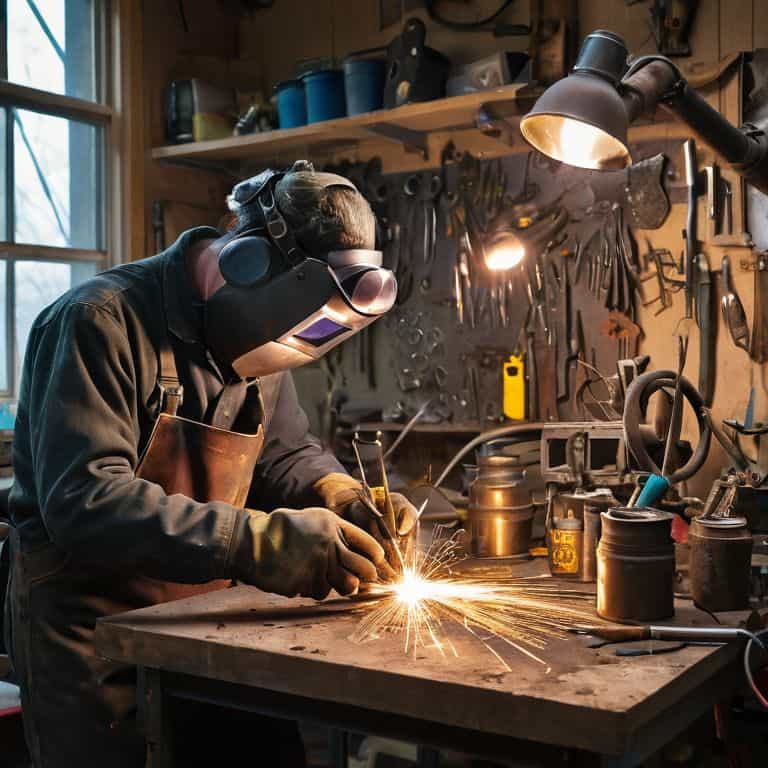
As we conclude our journey into the world of basic welding for home projects, it’s essential to reflect on the key takeaways that will set you up for success. We’ve covered the fundamental steps to get you started, from safety precautions to beginner-friendly techniques. Remember, practice is key, and it’s crucial to be patient with yourself as you develop your skills. Don’t be afraid to experiment and try new things – it’s all part of the learning process, and you’ll be amazed at how quickly you can progress from simple projects to more complex, whimsical creations.
As you embark on your welding journey, I encourage you to think beyond the technical aspects and tap into the creative potential that lies within this craft. Welding is not just about joining metal; it’s about bringing your ideas to life, reimagining the world around you, and creating something truly unique. So, go ahead, get your hands dirty, and let the sparks fly – you never know what incredible creations you’ll come up with, and how they’ll inspire others to do the same.
Frequently Asked Questions
What are the essential safety precautions I should take when welding for home projects?
As I always say, safety is the spark that ignites creativity. When welding, remember to don your protective gear, including gloves, goggles, and a mask. Ensure good ventilation and keep a fire extinguisher nearby. It’s also crucial to choose a well-ventilated area, away from flammable materials, to prevent any accidents and let your imagination shine.
How do I choose the right type of welder and welding rods for my specific home project needs?
For my home projects, I adore experimenting with different welders and rods – it’s all about finding the perfect harmony. I opt for a MIG welder for thinner metals and an ARC welder for thicker ones. As for rods, I choose based on the metal type and desired finish, often mixing and matching to achieve that perfect, whimsical touch.
Can I learn basic welding skills through online tutorials alone, or is hands-on practice with an instructor necessary?
While online tutorials can be a great starting point, I firmly believe that hands-on practice with an instructor is essential to mastering basic welding skills – there’s no substitute for the guidance and feedback of an experienced teacher to help you refine your technique and build confidence.