I still remember the day my grandfather, a seasoned mechanic, taught me the importance of proper tire pressure on my first motorcycle. He said, “a guide to checking and adjusting tire pressure on a motorcycle is not just about safety, it’s about the thrill of the ride.” I was skeptical at first, but after adjusting the tires, I felt the difference – the bike handled smoother, and I felt more connected to the road. It’s a lesson that has stuck with me to this day, and one that I’m excited to share with you.
In this article, I’ll give you the lowdown on tire pressure, without any fancy jargon or complicated instructions. You’ll learn how to check and adjust your motorcycle’s tire pressure like a pro, and understand why it’s crucial for a safe and enjoyable ride. I’ll share my personal tips and tricks, gained from years of experience in the garage, to help you get the most out of your bike. So, if you’re ready to take your motorcycle game to the next level, keep reading – I’ve got you covered with this practical guide to checking and adjusting tire pressure on your motorcycle.
Table of Contents
Guide Overview: What You'll Need
Total Time: 30 minutes to 1 hour
Estimated Cost: $0 – $10
Difficulty Level: Easy
Tools Required
- Tire Pressure Gauge (digital or analog)
- Valve Stem Cap (for removing and replacing)
- Pencil and Paper (for recording pressure readings)
Supplies & Materials
- Air Compressor or Pump (for inflating tires)
- Motorcycle Owner’s Manual (for recommended tire pressure specifications)
Step-by-Step Instructions
- 1. First, make sure you’ve got the right tools for the job – I like to call my trusty tire pressure gauge “Bertha” because she’s reliable and always tells me the truth. You’ll also need a pump or compressor to add air if needed, and I’ve named mine “Betsy” for her ability to get the job done.
- 2. Next, find a flat and level surface to park your motorcycle – this is crucial for getting an accurate reading on your tire pressure. I like to think of it as giving my bike a stable foundation, just like my grandfather taught me when we worked on our vintage bicycles together. Now, turn off the engine and let the bike sit for a bit to ensure the tires have cooled down.
- 3. Now it’s time to locate the tire information placard on your motorcycle, usually found on the swingarm or near the tire itself. This will give you the recommended cold tire pressure for your specific bike, and it’s essential to follow this spec to ensure optimal performance and safety. I always say, “A well-informed rider is a happy rider!
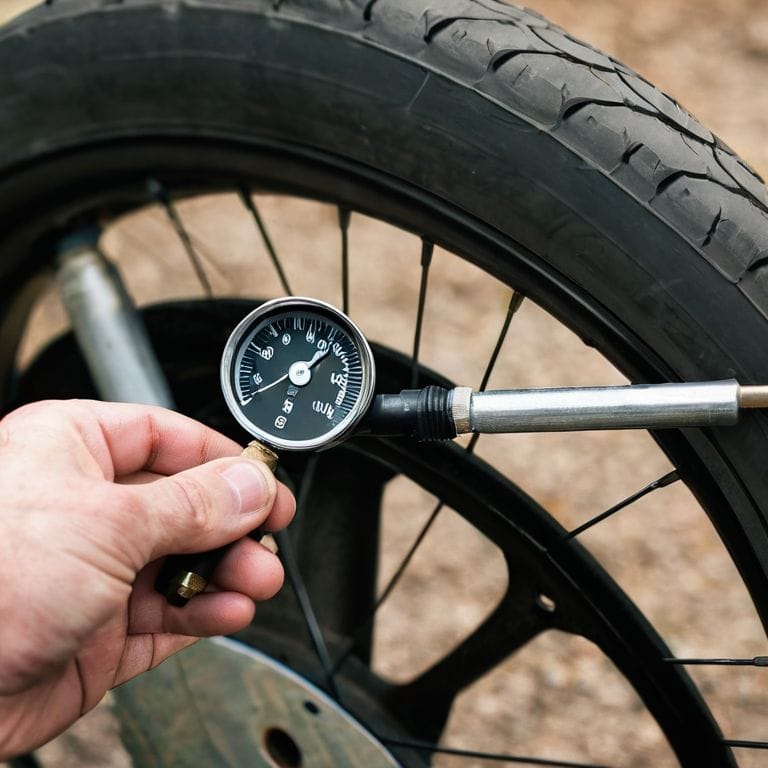
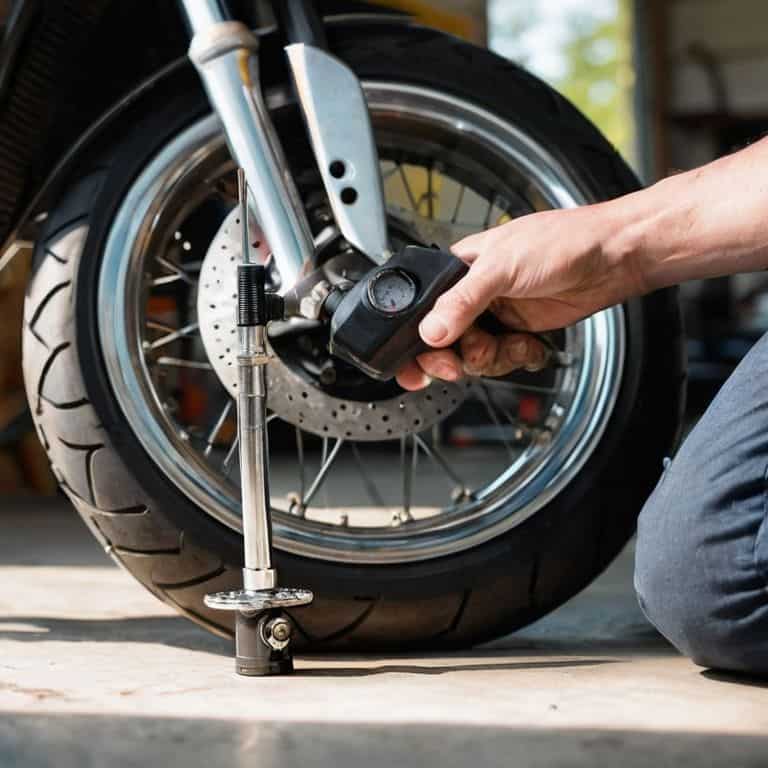
- 4. Remove the valve cap from the tire stem, and give it a good cleaning with a soft brush or cloth to ensure no dirt or debris interferes with your reading. Then, press your tire pressure gauge (remember, I call mine “Bertha”) onto the valve stem and hold it firmly in place until you get a steady reading.
- 5. Take note of the current pressure reading and compare it to the recommended cold tire pressure specified on the tire information placard. If the reading is lower than recommended, you’ll need to add air – and that’s where my trusty “Betsy” comes in. If the reading is higher, you’ll need to release some air, but be careful not to overdo it, as this can lead to underinflation.
- 6. To add air, simply attach the pump or compressor to the valve stem and begin adding small increments of air while checking the pressure gauge regularly. I like to think of this process as fine-tuning my bike’s tires to get the perfect balance of performance and safety. Remember to check the pressure often, as overinflation can be just as detrimental as underinflation.
- 7. Once you’ve reached the recommended pressure, replace the valve cap to protect the stem from dirt and moisture, and take a step back to admire your handiwork – you’ve just given your motorcycle tires a little TLC. Now, go ahead and take your bike for a spin to feel the difference that properly inflated tires can make – and don’t forget to keep an eye on that pressure, as it can change over time due to factors like temperature and wear.
A Guide to Checking Motorcycle Tire Pressure
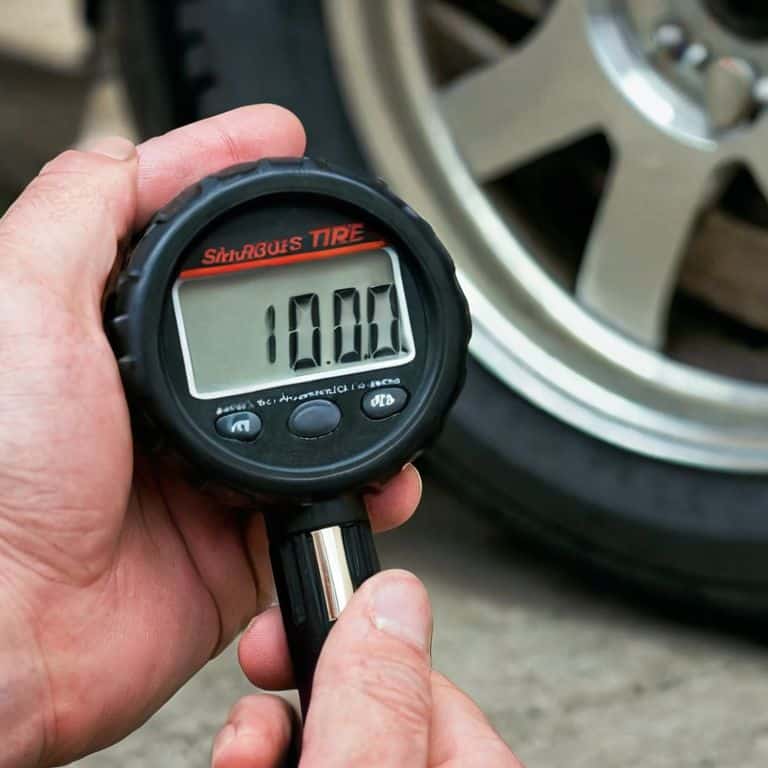
As I always say, tire pressure is key to a smooth ride. When it comes to checking motorcycle tire pressure, accuracy is crucial. You’ll want to invest in a reliable tire pressure gauge to ensure you’re getting the right reading. I’ve found that a digital gauge is the way to go, as it provides a more precise measurement than traditional analog gauges.
When checking tire pressure, it’s essential to consider the temperature of the tires. If the tires are cold, you’ll want to check the pressure when they’ve been stationary for a while. This will give you a more accurate reading, as driving can heat up the tires and affect the pressure. I’ve seen many riders make the mistake of checking tire pressure after a long ride, only to find that their readings are off.
By maintaining the recommended tire pressure for your motorcycle model, you’ll not only improve handling and safety but also increase fuel efficiency. It’s a win-win situation. Remember to always refer to your motorcycle’s manual for the recommended tire pressure, as it can vary depending on the model and type of tires. With a little practice, checking tire pressure will become second nature, and you’ll be riding like a pro in no time.
Pumping Up Safety Cold Tire Checks
When it comes to checking tire pressure, I always stress the importance of doing it when the tires are cold. You see, my granddad used to say, “A cold tire is a honest tire.” What he meant was that the pressure reading you get when the tires are cold is the most accurate. So, make sure you haven’t been riding your motorcycle for at least a few hours before checking the pressure. This simple step can make all the difference in ensuring your safety on the road.
I like to think of it as giving my motorcycle a thorough check-up, just like I do with my vintage bicycles. By checking the tire pressure when it’s cold, you can avoid any potential risks associated with underinflated or overinflated tires. Trust me, it’s worth taking the extra minute to get it just right – your safety is worth it, and so is the well-being of your trusty ride.
Tire Pressure Tips for a Smoother Ride
Now that we’ve covered the basics of checking tire pressure, let’s dive into some tips to make your ride even smoother. I’ve found that maintaining the right pressure can make all the difference – it’s like fine-tuning my vintage bicycle collection, every detail matters. For instance, underinflated tires can lead to a bumpy ride, while overinflated ones can be slippery on the road. My trusty sidekick, “Bertha the Tire Pressure Gauge,” always helps me get it just right.
By keeping your tires properly inflated, you’ll not only improve handling but also increase fuel efficiency. It’s a win-win, just like when I’m tinkering in my garage, bringing an old bike back to life. Remember, it’s all about finding that sweet spot, and with a little practice, you’ll be gliding down the highway in no time.
Tire Pressure Troubleshooting: 5 Key Tips to Keep You Rolling
- Check your tire pressure at least once a week, and before long trips, to ensure you’re riding on properly inflated tires
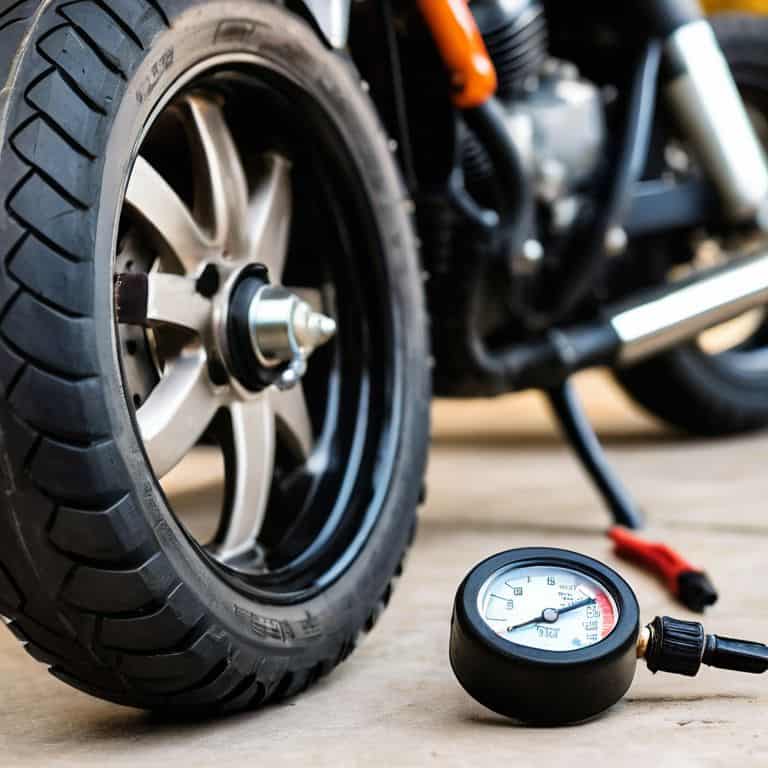
- Always use a high-quality tire pressure gauge, like my trusty ‘Bertha’ – she’s never let me down
- Make sure to check tire pressure when the tires are cold, as driving can heat them up and give you a false reading
- Keep an eye on your tire’s tread depth, as worn-out tires can be a sign of improper inflation, and remember, my ‘Tire Buster’ tool is always up for the task
- Consult your motorcycle’s owner’s manual for the recommended tire pressure, and don’t be afraid to experiment and find the perfect pressure for your ride, just like I do with my vintage bicycle restorations
Key Takeaways for a Smooth Ride
Always check your motorcycle tire pressure when the tires are cold, as driving can heat them up and give inaccurate readings – just like my granddad taught me back in the Midwest
Properly inflated tires can improve your motorcycle’s fuel efficiency, handling, and safety, so make it a habit to check them regularly, and don’t forget to use my trusty ‘Bertha’ – that’s what I call my reliable tire pressure gauge
Remember to consult your motorcycle’s owner’s manual for the recommended tire pressure, and don’t be afraid to get creative and give your tools fun names – it makes the experience more enjoyable, and who knows, you might just find yourself looking forward to your next garage session
Tire Pressure Wisdom
A well-inflated tire is more than just a safety precaution, it’s a promise of a smoother ride and a longer-lasting bike – it’s the difference between a good ride and a great one, and that’s what gets me pumped up!
John Beeler
Wrapping Up: Safe Rides Ahead
As we bring this guide to a close, let’s recap the essentials: checking and adjusting your motorcycle’s tire pressure is crucial for optimal performance, safety, and even fuel efficiency. We’ve covered the step-by-step process, from gathering the necessary tools to performing cold tire checks and understanding the importance of the right tire pressure for a smoother ride. Remember, it’s not just about the numbers; it’s about developing a habit that becomes second nature, like my granddad’s wisdom on tool restoration – every tool has a name, and every bike deserves the best care.
So, the next time you head out to your garage, don’t just see a motorcycle; see a journey waiting to happen. With the right tire pressure, you’re not just ensuring a safe ride; you’re unlocking the full potential of your bike. As I always say, every garage is a playground, and with these tips, you’re well on your way to making every ride an adventure. Now, go ahead, pump up those tires, and hit the road with confidence!
Frequently Asked Questions
What are the consequences of driving a motorcycle with underinflated tires?
Ah, underinflated tires – a recipe for disaster! You’re lookin’ at reduced traction, increased stopping distance, and a higher risk of a blowout. Not to mention, it’ll wear down your tires faster and hit your fuel efficiency. Trust me, I’ve seen it happen to some of my buddies back in the Midwest. Keep those tires properly inflated, folks, your safety depends on it!
How often should I check my motorcycle's tire pressure during long road trips?
Hey, great question! I check mine at every fuel stop, and at least once a day on long trips. My granddad used to say, ‘A minute of checking can save you a mile of trouble!’ Keep an eye on those tires, especially when hauling heavy loads or riding in extreme temps.
Can I use a standard car tire pressure gauge to check my motorcycle's tires or do I need a special gauge?
Ah, great question, friend! While a standard car tire pressure gauge might work, I recommend using a high-precision gauge specifically designed for motorcycles. They’re usually more accurate for the lower pressure ranges and smaller valves found on most bikes. Trust me, it’s worth the investment – my trusty sidekick, ‘Gaugey,’ always gives me a reliable reading!