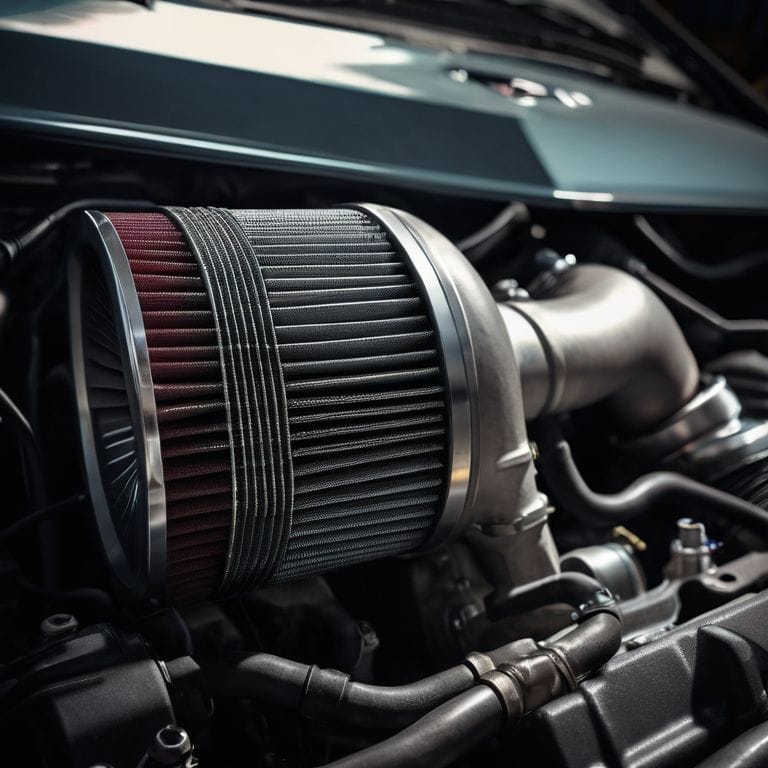
I still remember the first time I heard someone claim that are cold air intakes worth it was a no-brainer – just slap one on and watch your engine roar to life. But as someone who’s spent years tinkering with cars, I’ve always been skeptical of such blanket statements. In my experience, the answer to whether cold air intakes are worth it depends on a lot more than just tossing some cash at a fancy new part. It’s about understanding how your engine works, what you’re trying to achieve, and whether the benefits outweigh the costs.
As someone who’s restored vintage bicycles and worked on countless cars, I’ve learned that there’s no substitute for hands-on experience and a healthy dose of skepticism. In this article, I’ll cut through the hype and give you my honest, no-nonsense take on cold air intakes. We’ll dive into the basics of how they work, the potential benefits and drawbacks, and most importantly, whether they’re right for you. My goal is to give you the information you need to make an informed decision, without trying to sell you on any particular product or ideology. So, if you’re tired of vague promises and want some real-world advice, keep reading – I’ve got you covered.
Table of Contents
Unleashing Engine Potential

When it comes to unleashing engine potential, I’ve found that cold air intakes can be a game-changer. By drawing in cooler air from outside the engine compartment, they can provide a significant boost to horsepower and torque. I’ve seen this firsthand when working on high-performance vehicles, where every little bit of extra power can make a big difference. In my experience, a well-designed cold air intake can be a key component in unlocking a engine’s hidden potential.
One of the main advantages of cold air intakes is that they can be more effective than short ram intakes, which can pull in hot air from the engine compartment and actually decrease performance. When installing a cold air intake, it’s essential to follow a clear guide, such as a how to install a cold air intake tutorial, to ensure that everything is done correctly. This will help to maximize the benefits of the intake and prevent any potential issues down the line.
For diesel engines, in particular, a cold air intake can be a worthwhile investment. I’ve worked on several diesel engines and seen the benefits of a cold air intake review and comparison firsthand. By providing a steady flow of cool air, these intakes can help to improve engine performance and efficiency, making them a great option for those looking to get the most out of their vehicle.
Benefits for Turbocharged and Diesel Engines
When it comes to turbocharged engines, a cold air intake can be a game-changer by providing a significant boost in power and efficiency. This is because turbocharged engines rely on dense air to function optimally, and a cold air intake delivers just that. By drawing in cooler air from outside the engine compartment, these intakes help to reduce the risk of overheating and detonation.
For diesel engines, the benefits are slightly different, but no less important. A cold air intake can help to improve fuel efficiency, which is a major concern for diesel engine owners. By providing a steady flow of cool, clean air, these intakes enable diesel engines to run more smoothly and produce fewer emissions.
Cold Air Intake vs Short Ram the Verdict
When it comes to deciding between a cold air intake and a short ram, the debate can get heated. But, in my experience, the cold air intake is the way to go if you want to see a significant boost in performance. I’ve tinkered with both, and the difference is noticeable.
For those who prioritize ease of installation, a short ram might seem like the better choice. However, I’ve found that the extra effort required to install a cold air intake is worth it for the increased horsepower it provides.
Are Cold Air Intakes Worth It
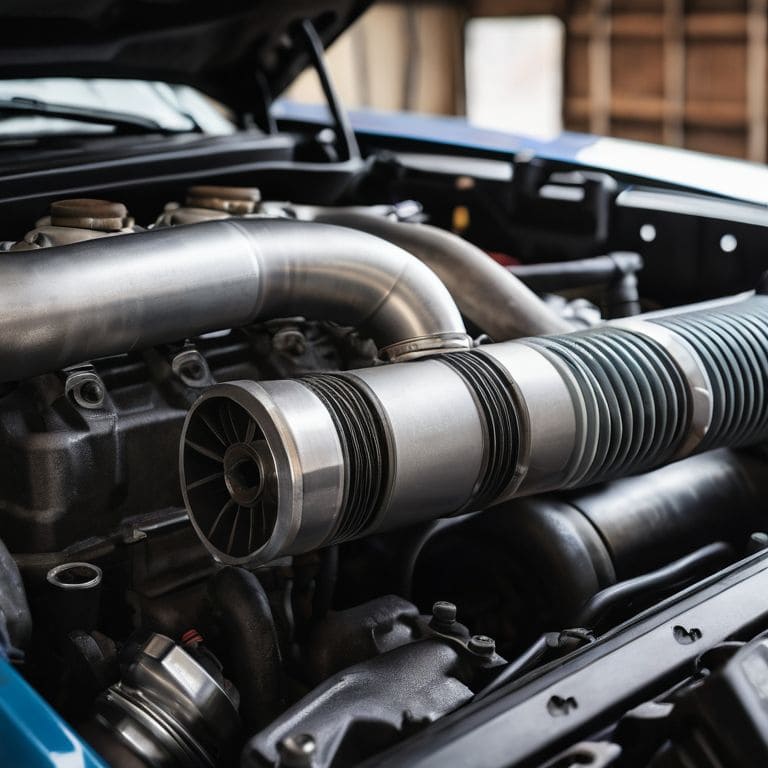
As I delve into the world of engine modifications, I’ve found that cold air intake vs short ram intake is a common debate among car enthusiasts. In my experience, the former tends to offer better performance gains, especially when it comes to increasing horsepower. However, it’s essential to consider the specific engine type and driving conditions to make an informed decision. For instance, diesel engines can greatly benefit from a cold air intake, as it helps to improve fuel efficiency and reduce emissions.
When it comes to how to install a cold air intake, I’ve found that it’s a relatively straightforward process, even for a DIY novice. With the right tools and a bit of patience, you can have your new intake up and running in no time. The key is to ensure a proper seal to prevent any air leaks, which can negatively impact performance. As for the best cold air intake for diesel engines, I recommend looking for one that’s specifically designed for your engine type and features a high-quality air filter.
In my opinion, the cold air intake benefits for turbocharged engines are well worth the investment. By providing a consistent flow of cool air, these intakes can help to reduce turbo lag and improve overall engine responsiveness. Whether you’re cruising down the highway or tackling tough terrain, a cold air intake can make a noticeable difference in your vehicle’s performance.
Installing for Maximum Performance Gain
When it comes to installing a cold air intake, proper placement is crucial to reap the benefits. I’ve found that positioning the intake in a way that draws in the coolest air possible can make a significant difference in performance. This might involve some trial and error, but trust me, it’s worth the effort.
To get the most out of your cold air intake, you need to ensure seamless airflow through the system. This means selecting the right filter and intake tube for your specific setup, as well as avoiding any restrictions or kinks in the tubing that could impede airflow.
Review and Comparison Real World Effects
When it comes to reviewing and comparing cold air intakes, I’ve found that real-world testing is essential to understanding their impact. I’ve spent countless hours in my garage, tinkering with different setups and measuring their effects on various engines. From my experience, it’s clear that cold air intakes can make a significant difference in a vehicle’s performance.
In my comparisons, I’ve noticed that optimal engine performance is often achieved when the cold air intake is paired with other modifications, such as a performance exhaust system. This combination can lead to a noticeable increase in horsepower and torque, making it a worthwhile investment for enthusiasts looking to squeeze every last bit of power out of their engine.
Getting the Most Out of Your Cold Air Intake: 5 Key Tips
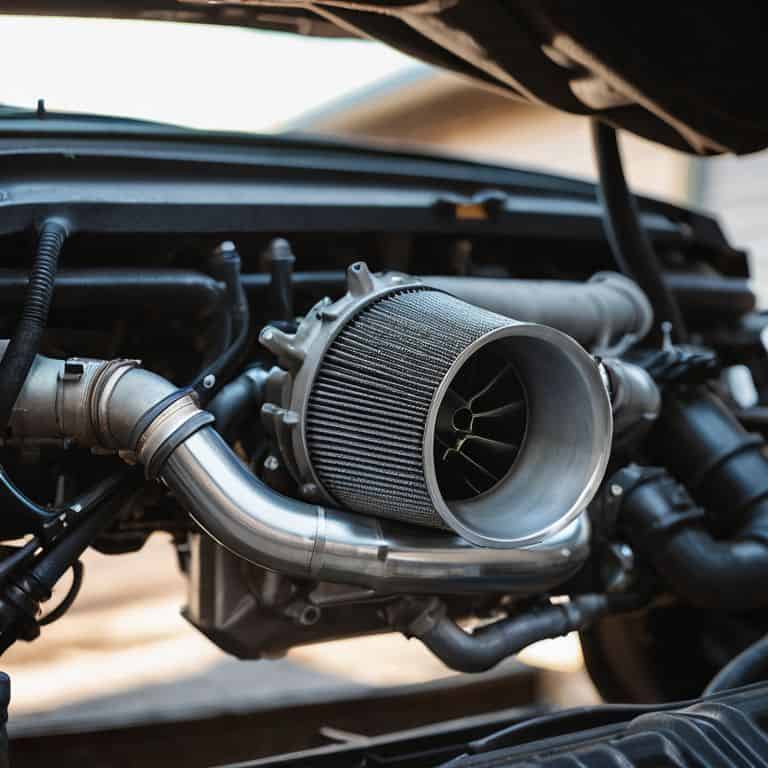
- Choose the Right Filter: Not all air filters are created equal, so make sure you pick one that’s designed for your vehicle’s specific make and model to maximize performance
- Mind the Installation: A poorly installed cold air intake can actually decrease your engine’s performance, so take your time and follow the manufacturer’s instructions to the letter
- Regular Maintenance is Key: A dirty or clogged air filter can negate any benefits you might have gained from installing a cold air intake, so make sure to clean or replace it regularly
- Don’t Forget About the Intake Tube: A high-quality intake tube can make a big difference in terms of performance, so consider upgrading to a tube made from a high-flow material like stainless steel or aluminum
- Monitor Your Engine’s Performance: Keep an eye on your engine’s performance after installing a cold air intake, and be prepared to make adjustments as needed to get the most out of your new setup
Key Takeaways: Unlocking Your Engine's Potential
Cold air intakes can significantly improve engine performance, especially in turbocharged and diesel engines, by providing a steady flow of cool air and reducing the risk of heat soak
Proper installation is crucial to maximize performance gains, and it’s essential to choose the right type of cold air intake for your specific vehicle and driving conditions
When evaluating the effectiveness of cold air intakes, consider real-world tests and comparisons, rather than just relying on manufacturer claims, to get a accurate understanding of the potential benefits and limitations
The Verdict on Cold Air Intakes
A cold air intake is more than just a performance upgrade – it’s a declaration of independence from the Status Quo, a statement that you believe your ride deserves to breathe a little easier and run a lot freer.
John Beeler
Conclusion: Unleashing Your Engine's Full Potential
As we’ve explored the world of cold air intakes, it’s clear that they can be a game-changer for unlocking your engine’s hidden horsepower. From the debate between cold air intake and short ram, to the specific benefits for turbocharged and diesel engines, the key takeaway is that these systems can offer significant performance gains when installed correctly. By understanding the ins and outs of cold air intake systems and choosing the right one for your vehicle, you can experience the thrill of a more responsive and powerful ride.
So, are cold air intakes worth it? For me, the answer is a resounding yes. There’s something special about breathing new life into your vehicle, and I believe that with the right mindset and a bit of tinkering, every garage can become a playground for innovation and creativity. Whether you’re a seasoned mechanic or just starting out, I encourage you to keep exploring, keep experimenting, and most importantly, keep pushing the limits of what’s possible.
Frequently Asked Questions
Will installing a cold air intake void my vehicle's warranty?
Good question, my friend! Installing a cold air intake might void your warranty, depending on the manufacturer and the specific intake. It’s always best to check with your dealer or the warranty provider to be sure. I’ve seen some cases where aftermarket mods like cold air intakes are okay, but it’s better to be safe than sorry – don’t want you to lose that warranty coverage!
How do I choose the right cold air intake for my specific engine and vehicle model?
Choosing the right cold air intake for your ride can be a bit overwhelming, but don’t worry, I’ve got you covered. First, consider your engine type and vehicle model – then, match it with an intake designed specifically for it. I like to think of it like finding the perfect gear for my vintage bicycle restorations, it’s all about the right fit.
Are there any potential drawbacks or risks to consider when installing a cold air intake, such as decreased fuel efficiency or increased engine noise?
Now that’s a great question, my friend. Yes, there are some potential downsides to consider. A cold air intake can sometimes lead to decreased fuel efficiency, especially if not installed or tuned properly. And, let’s be honest, it can also make your engine a bit louder – which, depending on your perspective, might be a plus or a minus.