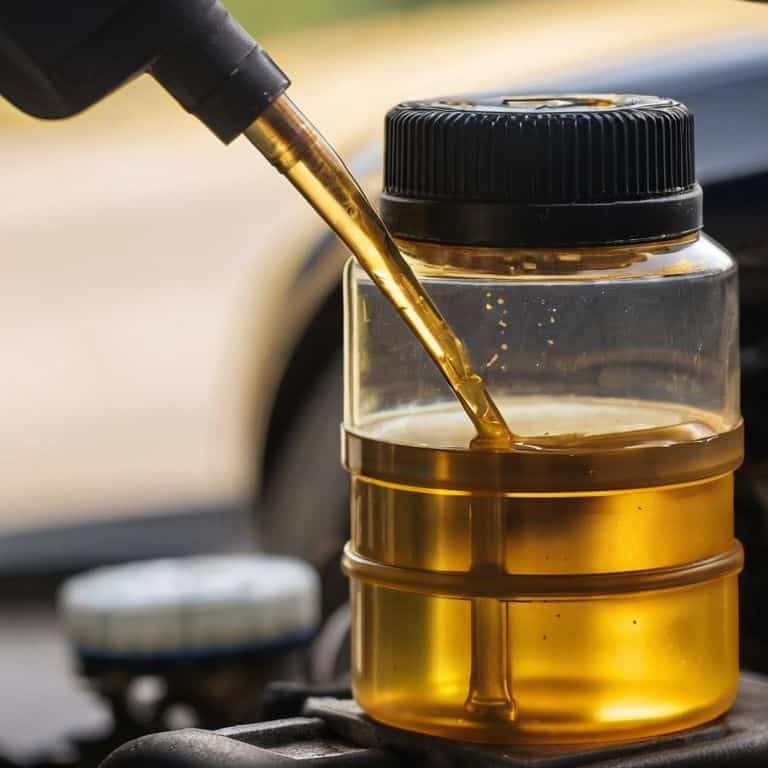
I still remember the first time I had to change my brake fluid – my grandfather, a seasoned mechanic, looked at me and said, “John, this is not just about following a schedule, it’s about understanding what is brake fluid and when to change it.” He taught me that it’s the lifeblood of my vehicle, and neglecting it could lead to serious trouble. I’ve seen too many people get caught up in the hype of “expert” advice, only to end up confused and overwhelmed. So, let’s cut through the noise – what is brake fluid and when to change it is not just a maintenance task, it’s a crucial aspect of keeping your ride safe and running smoothly.
As someone who’s spent years tinkering in the garage, I’m here to give you the lowdown on brake fluid without the fluff. In this article, I’ll share my personal experience and no-nonsense advice on what is brake fluid and when to change it. I’ll walk you through the process, highlighting the key signs that indicate it’s time for a change, and provide you with practical tips to make the process a breeze. My goal is to empower you with the knowledge to take control of your vehicle’s maintenance, and to make informed decisions that will save you time and money in the long run. So, buckle up and let’s dive into the world of brake fluid – I promise you, it’s not as complicated as you think!
Table of Contents
Unleashing Brake Fluid Secrets
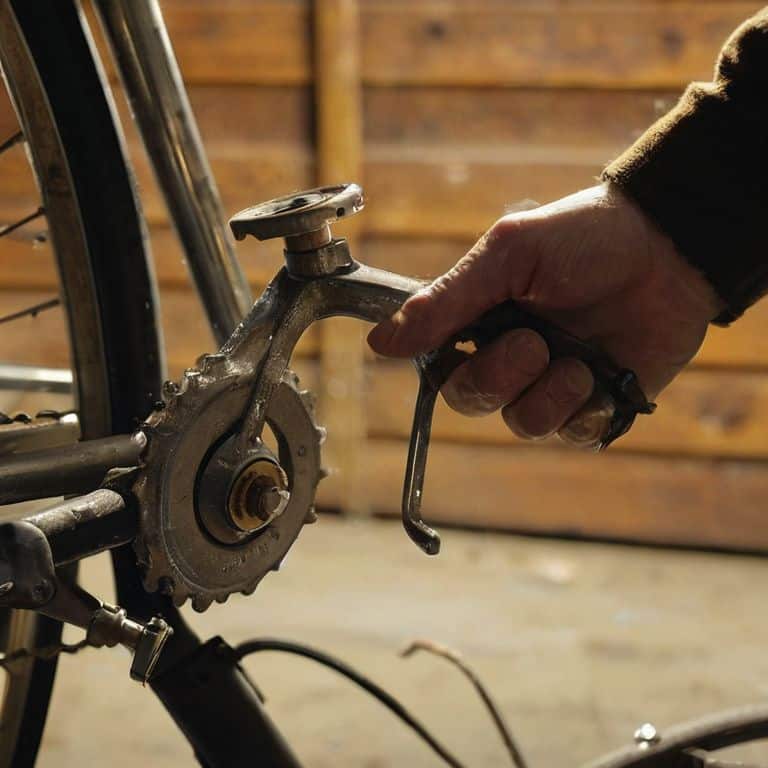
As I tinker with my vintage bicycle in the garage, I often think about the brake fluid types and uses that keep my ride safe and smooth. You see, brake fluid is the unsung hero of our vehicles, and understanding its secrets is key to maintaining our brakes’ performance. I recall my grandfather teaching me how to check brake fluid levels and identify symptoms of low brake fluid, which can be as subtle as a spongy brake pedal or as alarming as a grinding noise.
When it comes to brake fluid change interval, it’s essential to consult your vehicle’s manual, as the recommended schedule varies depending on the make and model. I’ve seen some cars require a change every 30,000 miles, while others can go up to 50,000 miles without needing a refresh. It’s also crucial to distinguish between brake fluid vs power steering fluid, as using the wrong type can lead to serious damage.
In my experience, brake fluid leak detection is just as important as regular maintenance. A leak can be a sign of a larger issue, and if left unchecked, can lead to brake failure. By staying on top of brake fluid checks and changes, you can ensure your vehicle remains safe and reliable. Whether you’re a seasoned mechanic or a DIY enthusiast, understanding the ins and outs of brake fluid is vital to keeping your ride in top condition.
Brake Fluid Types and Uses
When it comes to brake fluid, there are several types to choose from, each with its own unique characteristics. I’ve got a trustworthy friend in my garage, a bottle of DOT 3 brake fluid, which is compatible with most vehicles. However, it’s essential to check your owner’s manual to determine the recommended type for your ride.
For those who demand high-performance, synthetic brake fluid is the way to go. It’s designed to withstand extreme temperatures and provide better brake response. I’ve seen it in action, and it’s a game-changer for drivers who push their vehicles to the limit.
Symptoms of Low Brake Fluid
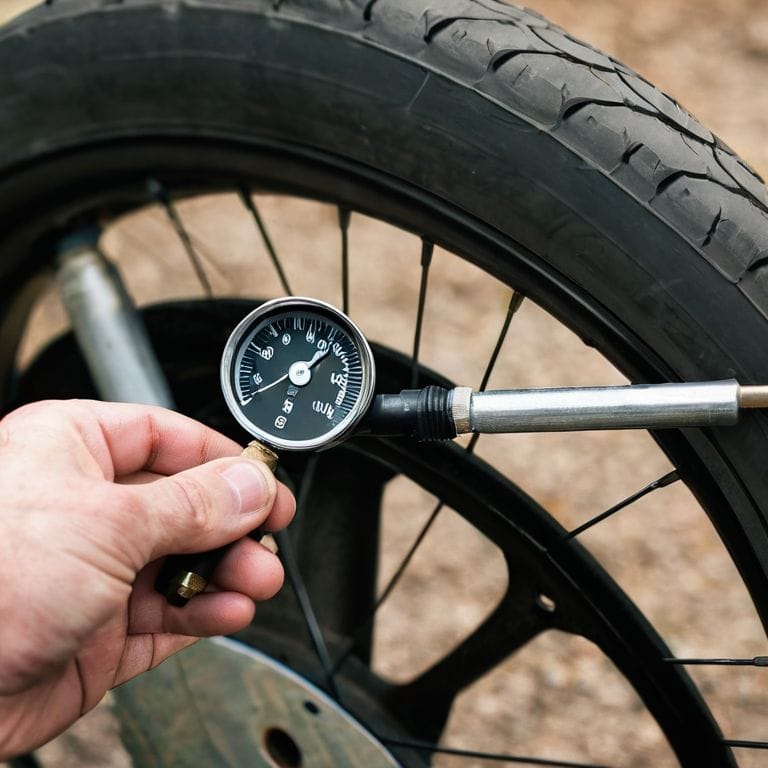
When I’m tinkering with a ride in my garage, I always keep an eye out for symptoms of low brake fluid. It’s amazing how often a simple top-off can get a vehicle stopping smoothly again. If the brake fluid level is low, it can cause the brakes to feel spongy or soft, which is a major red flag.
I’ve seen my fair share of brake fluid issues, and one thing that always catches my attention is inconsistent braking performance. If the brakes are grabbing or locking up unevenly, it may be a sign that the brake fluid is low or dirty, and it’s time to take a closer look and possibly change it out.
What Is Brake Fluid and When to Change It
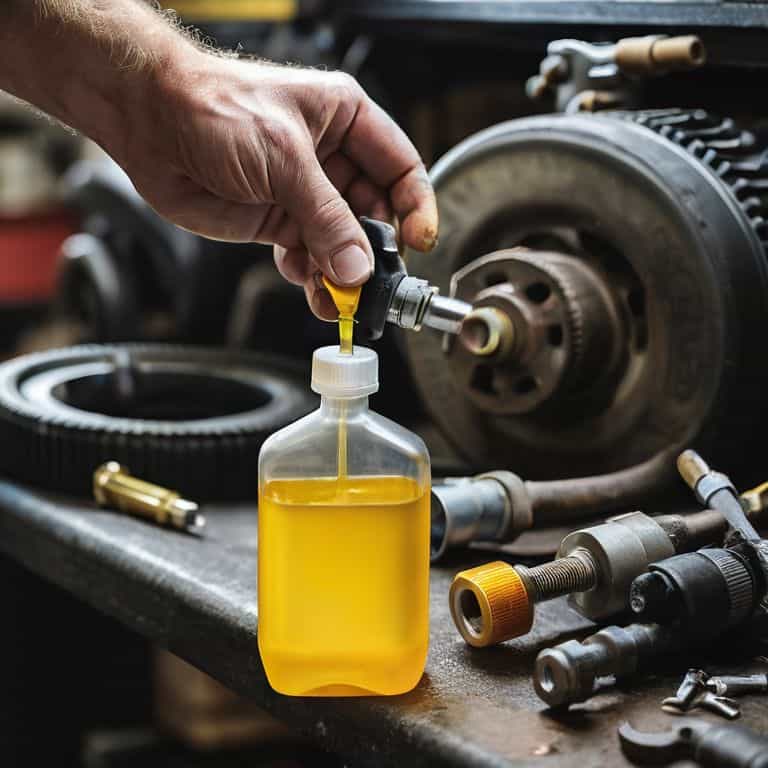
When it comes to brake fluid types and uses, it’s essential to understand that not all brake fluids are created equal. Different vehicles require specific types of brake fluid, and using the wrong one can lead to poor performance or even damage to your brake system. I’ve seen it happen in my own garage, where a simple mistake can turn into a costly repair.
To avoid such issues, it’s crucial to check your vehicle’s manual for the recommended brake fluid type and brake fluid change interval. Typically, brake fluid should be changed every 30,000 to 50,000 miles, but this can vary depending on the manufacturer’s guidelines and your driving conditions. For instance, if you drive in extreme temperatures or tow heavy loads, you may need to change your brake fluid more frequently.
As a seasoned mechanic, I always stress the importance of regular brake fluid leak detection and how to check brake fluid level. A simple visual inspection can help you identify any leaks or low fluid levels, which can be a sign of a more significant problem. By staying on top of your brake fluid maintenance, you can ensure your vehicle’s safety and performance, and avoid any costly repairs down the road.
Brake Fluid Change Interval and Leak Detection
When it comes to keeping your vehicle in top shape, regular maintenance is key, and that includes checking your brake fluid. I like to think of it as giving your ride a quick once-over to ensure everything is running smoothly. My trusty sidekick, a tool I’ve named “Spike,” always comes in handy for this job.
To avoid any potential issues, it’s essential to stay on top of your brake fluid levels. A low level can be a sign of a leak, which can lead to more severe problems down the line. I’ve seen it happen to the best of us, even to my vintage bicycle restorations – a small leak can quickly become a big headache if not addressed promptly.
Brake Fluid vs Power Steering Fluid
When it comes to the fluids in your vehicle, it’s easy to get them mixed up, but don’t even think about swapping brake fluid with power steering fluid. They’re two different animals, designed for distinct purposes. Brake fluid is specifically formulated to handle the high pressure and heat generated by your brake system, while power steering fluid is designed for the hydraulic system that helps you turn the wheels.
The key difference lies in their viscosity, which affects how they flow and perform in their respective systems. Using the wrong fluid can lead to serious problems, including damage to seals, hoses, and other components. So, make sure to check your owner’s manual to know exactly what type of fluid to use in each system, and always keep them separate to avoid any confusion.
Brake Fluid 101: 5 Tips to Keep Your Ride Stopping Smoothly
- Check your brake fluid level regularly, just like you check your oil – it’s that important, folks!
- Know your brake fluid type: if you’re using the wrong kind, it’s like putting diesel in a gas guzzler – not good!
- Don’t wait for symptoms to appear: if you notice your brake pedal feeling spongy or your car taking longer to stop, it’s time for a brake fluid change, pronto!
- Keep an eye out for leaks: brake fluid leaks can be sneaky, but they can also be catastrophic – inspect those lines and connections regularly, friends!
- Change your brake fluid every 30,000 to 50,000 miles, or as recommended by your trusty owner’s manual – don’t let old fluid gum up the works and put your safety at risk!
Key Takeaways for a Smooth Ride
Remember, brake fluid is the lifeblood of your vehicle’s braking system, and regular changes can save you from costly repairs down the road
Keep an eye out for symptoms of low brake fluid, such as a spongy brake pedal or grinding noises, and don’t hesitate to top it off or change it when necessary
By understanding the different types of brake fluid, their uses, and the importance of regular maintenance, you’ll be well on your way to becoming a brake fluid master and keeping your ride safe and sound
The Brake Fluid Truth
Brake fluid is the unsung hero of your vehicle’s safety, and changing it regularly is not just a suggestion, it’s a promise to yourself and your loved ones that you’ll arrive at your destination in one piece – so don’t neglect it, respect it!
John Beeler
Bringing it all Together: The Brake Fluid Bottom Line
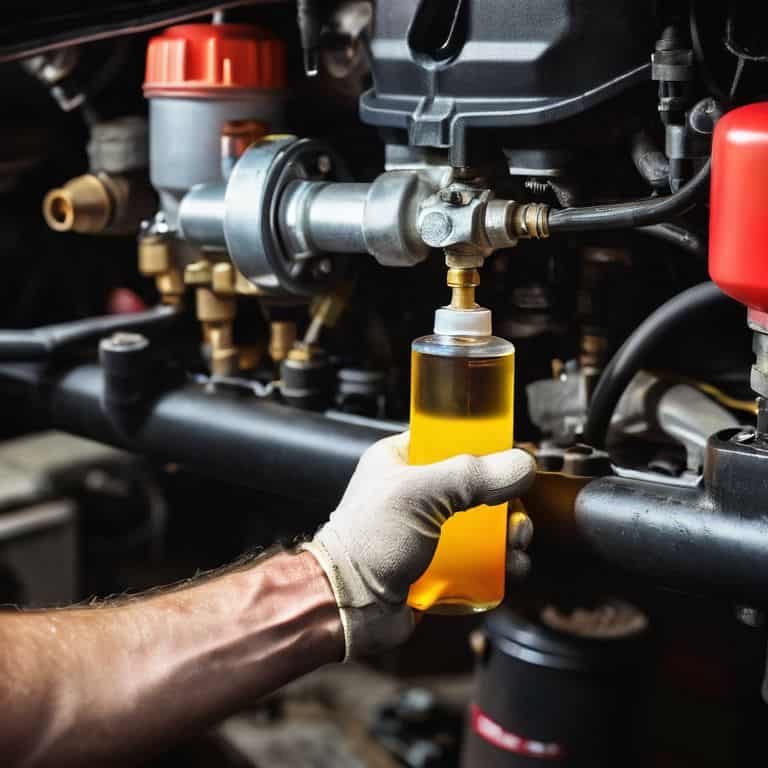
As we wrap up our journey into the world of brake fluid, it’s essential to remember the key points we’ve covered. From understanding the different types of brake fluid and their uses, to recognizing the symptoms of low brake fluid, and finally, to knowing when and how to change it, every detail counts. The brake fluid change interval is not a one-size-fits-all answer, and being aware of the factors that affect it, such as vehicle type and driving conditions, is crucial for maintaining your vehicle’s health. By also understanding how to detect leaks and differentiate between brake fluid and power steering fluid, you’re well on your way to becoming a brake fluid master, capable of keeping your vehicle stopping smoothly and safely.
Now, as you put down your wrench and step back to admire your handiwork, remember that knowledge is power, and in this case, it’s the power to keep you and your loved ones safe on the road. Don’t be afraid to get a little dirty, to dive into the world of DIY, and to explore the potential of your garage as a space for creativity and innovation. Whether you’re restoring a vintage bicycle, like my current project, or simply giving your ride the TLC it deserves, every project is an opportunity to learn, to grow, and to have fun. So, go ahead, take the first step, and discover the satisfaction of a job well done – your garage, and your vehicle, will thank you.
Frequently Asked Questions
What are the consequences of not changing brake fluid at the recommended interval?
Neglecting to change brake fluid on time can lead to corrosion, reduced brake performance, and even complete brake failure – a recipe for disaster on the road. Trust me, you don’t want to find out the hard way, so mark that calendar and give your brake fluid the love it needs.
Can I use brake fluid from one vehicle in another, or are they specific to each make and model?
Whoa, hold up on that brake fluid swap! While it might be tempting, it’s not a good idea to use brake fluid from one vehicle in another, as different vehicles require specific types of brake fluid. Check your owner’s manual to ensure you’re using the right stuff for your ride – trust me, your brakes will thank you!
How do I know if my brake fluid is contaminated and needs to be changed, and what are the signs of contamination?
Contaminated brake fluid? That’s like putting the wrong gas in your ride – it’s a recipe for disaster! Check your brake fluid for cloudy or discolored liquid, and look out for rust or debris in the reservoir. If you spot any of these signs, it’s time for a change – trust me, your brakes will thank you!