I still remember the day I tried to rig up a makeshift workshop in my garage, only to have the lights flicker and the circuit breaker trip. It was a frustrating moment, but it led me to realize that understanding my circuit breaker was key to unlocking a world of DIY possibilities. As someone who’s passionate about sustainable living and creative self-sufficiency, I’ve learned that having a guide to understanding your circuit breaker is essential for any homeowner or maker. It’s not just about safety; it’s about empowering yourself to take control of your space and make the most of your resources.
In this article, I’ll share my honest, no-nonsense advice on how to understand your circuit breaker, from the basics of how it works to troubleshooting common issues. You’ll learn how to identify potential problems before they become major headaches, and how to make the most of your circuit breaker to power your DIY projects. Whether you’re a seasoned maker or just starting out, this guide will give you the confidence to tackle any project that comes your way, and make your home a more efficient and sustainable space.
Table of Contents
Guide Overview: What You'll Need
Total Time: 1 hour 30 minutes
Estimated Cost: $0 – $20
Difficulty Level: Easy
Tools Required
- Screwdriver (flathead and Phillips)
- Voltmeter (optional)
- Needle-nose pliers (for working in tight spaces)
- Torch or flashlight (for illumination)
Supplies & Materials
- Circuit breaker manual (specific to your breaker box)
- Replacement circuit breaker (if necessary)
- Wire nuts or connectors (for securing wires)
- Electrical tape (for insulation and protection)
Step-by-Step Instructions
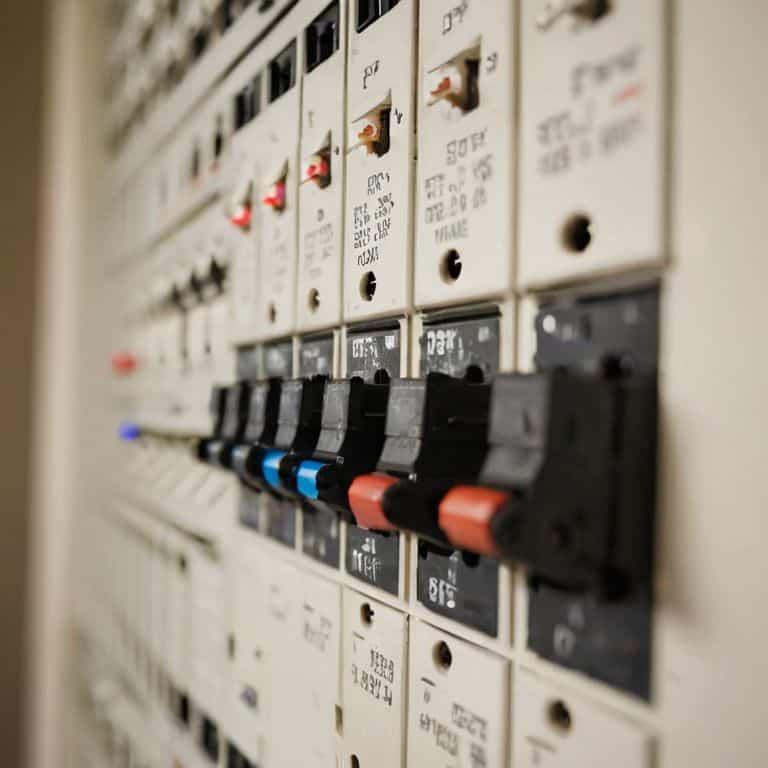
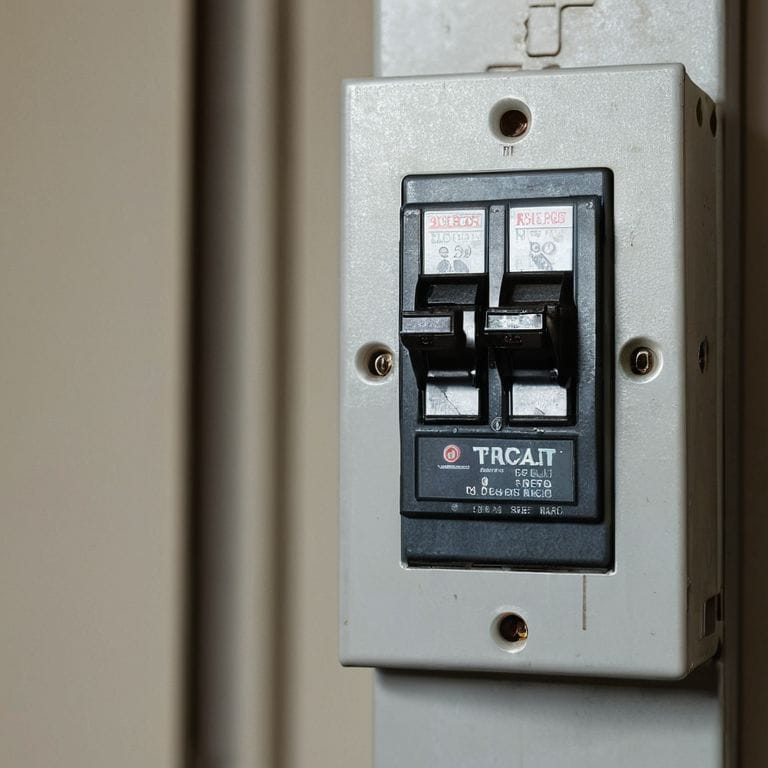
- 1. First, let’s get familiar with the layout of our circuit breaker. This usually involves flipping open the metal door or panel that covers it, often found in a basement, garage, or utility room. As you open it, you’ll see a series of switches or fuses, each controlling the power to different parts of your home. Take a moment to study the arrangement, noticing which switches or fuses are labeled and what they correspond to.
- 2. Next, we need to understand the role of each switch or fuse. In older homes, you might find fuse boxes where fuses can be removed and replaced when they blow. In newer homes, you’re more likely to find circuit breakers with switches that automatically trip when there’s an overload. It’s essential to identify the type of system you have to know how to properly interact with it.
- 3. Now, let’s talk about safety precautions. Before you start flipping switches or replacing fuses, make sure you’re in a safe environment. Ensure the area is well-lit and that you’re not standing on a conductive surface. It’s also a good idea to turn off any appliances that might be connected to the circuit you’re about to work on to prevent any accidental start-ups.
- 4. To reset a tripped circuit, find the switch that has moved to the middle position or the one labeled as the circuit that keeps tripping. First, ensure that the switch is fully turned off. Then, wait for a few seconds before flipping it back on. If it trips again immediately, there might be an overload issue that needs to be addressed, such as too many devices plugged into the same circuit.
- 5. If you have a fuse box, and a fuse blows, you’ll need to replace it. Start by turning off the main power switch to ensure your safety. Then, carefully remove the blown fuse and replace it with a new one of the same amperage rating. Never use a fuse with a higher rating, as this can lead to a fire hazard.
- 6. Understanding how to read your circuit breaker panel is also crucial. Look for labels or a diagram that shows which areas of the house each circuit controls. This information can be invaluable during an outage, helping you quickly identify and resolve the issue. If your panel isn’t labeled, consider taking the time to create your own map, making future diagnostics much simpler.
- 7. Finally, it’s a good idea to perform regular checks on your circuit breaker or fuse box. This can help you catch any potential issues before they become major problems. Look for signs of wear, such as overheating, rust, or corrosion, and address these issues promptly to ensure the continued safe operation of your electrical system.
A Guide to Understanding Your Circuit Breaker
As I delve into the world of circuit breakers, I’m reminded of the importance of circuit breaker safety precautions. It’s essential to understand that these devices are designed to protect us from electrical shocks and fires. When working with circuit breakers, always ensure you’re wearing insulating gloves and safety glasses. I like to think of it as preparing for a fun DIY project, where safety always comes first.
In my experience, common circuit breaker problems often arise from poor maintenance or outdated systems. Regularly checking your circuit breaker panel for worn-out or damaged components can help prevent issues. It’s also crucial to know how to read circuit breaker labels, as this will give you valuable insights into the electrical layout of your home. By doing so, you’ll be better equipped to tackle any problems that may arise.
To keep your circuit breakers in top condition, consider implementing circuit breaker maintenance tips, such as scheduling regular inspections and replacing old or faulty breakers. This will not only ensure your safety but also help you avoid costly circuit breaker replacement costs in the long run. By taking a proactive approach, you’ll be well on your way to creating a safer and more efficient electrical system in your home.
Decoding Labels for Circuit Breaker Harmony
As I delve into the world of circuit breakers, I’m reminded of my urban foraging adventures, where every discovery holds a secret. Decoding the labels on your circuit breaker panel is like uncovering a hidden treasure map. You’ll find a series of numbers, colors, and abbreviations that may seem cryptic at first, but trust me, they’re the key to understanding your electrical system. Take a closer look, and you’ll notice that each label corresponds to a specific circuit, outlet, or appliance.
By deciphering these labels, you’ll be able to identify which breaker controls which part of your home, making it easier to troubleshoot issues and ensure your DIY projects are safely powered. I like to think of it as crafting a recipe for harmony between your electrical system and your creative endeavors. With this knowledge, you’ll be empowered to tackle even the most complex projects, and that’s what sustainable living is all about – being self-sufficient and creative.
Unlocking Circuit Breaker Panels Safely
To unlock your circuit breaker panel safely, start by switching off the main power switch. This is crucial to prevent any accidental electrical shocks. Next, use a screwdriver to remove the panel cover, taking care not to touch any of the internal components. As someone who loves repurposing old items, I like to think of this step as “unwrapping” the panel to reveal its inner workings. With the cover off, you’ll gain access to the circuit breakers themselves, each one a tiny guardian of your home’s electrical system.
I find it fascinating to see how these small devices can make such a big difference in our daily lives. By understanding how they work, we can better appreciate the importance of electrical safety and take steps to maintain our systems effectively.
Spark of Genius: 5 Key Tips to Tame Your Circuit Breaker
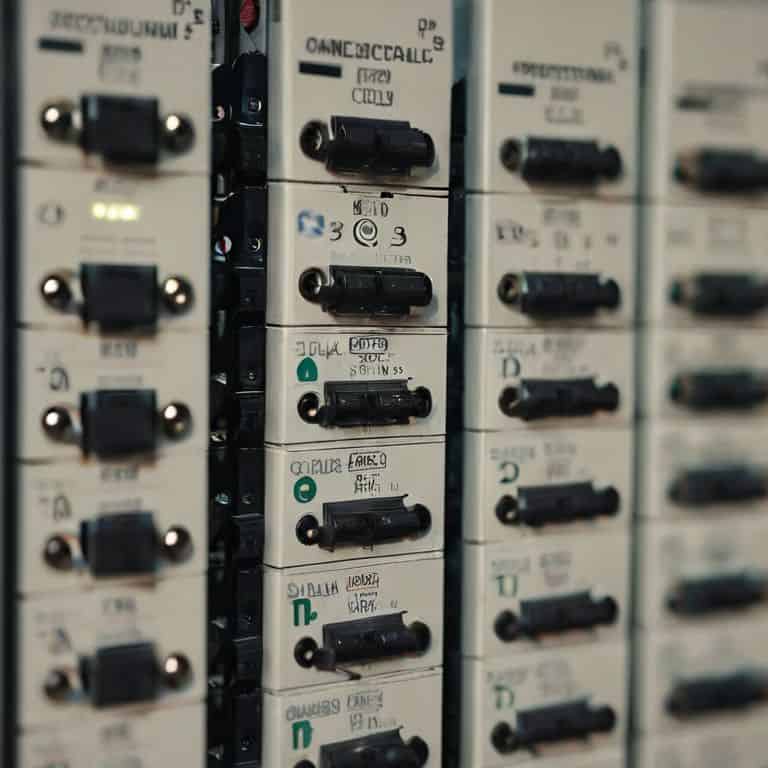
- Get to know your circuit breaker’s personality: understand its quirks and habits to avoid those frustrating tripped breaker moments
- Label it like you mean it: use colorful stickers or labels to identify which breaker controls what, making it easier to switch off non-essential appliances when not in use
- Play the breaker panel puzzle: organize your circuit breakers in a way that makes sense to you, grouping similar rooms or areas together for effortless navigation
- Breaker box spring cleaning: schedule regular checks to ensure your circuit breaker panel is dust-free, secure, and ready for any DIY project that comes its way
- Chart your electrical territory: create a simple map or diagram of your home’s electrical layout, including breaker assignments, to become the master of your domain and make future DIY projects a breeze
Three Sparks to Ignite Your DIY Journey
Embracing the world of circuit breakers is not just about safety, it’s about unlocking a secret to making your DIY projects more efficient and fun, allowing you to transform your space into a sanctuary that reflects your creativity
By decoding the labels on your circuit breaker panel, you’ll not only ensure harmony in your electrical system, but you’ll also become more adept at troubleshooting issues, making you the master of your domain, capable of turning any obstacle into an opportunity for growth
Through understanding and working with your circuit breaker, you’ll join a community of inventive and sustainable living enthusiasts who see the potential in every object and every challenge, inspiring a movement of creative self-sufficiency that celebrates the art of making something out of nothing
Embracing the Spark
As we delve into the world of circuit breakers, remember that understanding their language is not just about safety, but about unlocking the full potential of your DIY dreams – it’s where the spark of creativity meets the sanctuary of sustainability.
Stanley Truman
Empowering Your DIY Journey
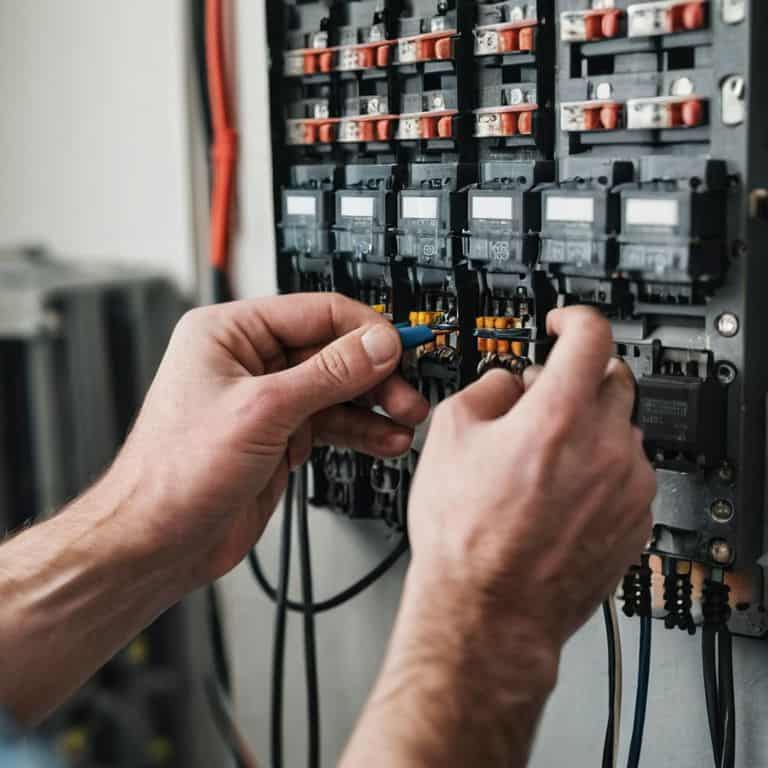
As we wrap up this guide to understanding your circuit breaker, let’s recap the key points that will make you a master of electrical harmony. We’ve covered the importance of circuit breaker safety, decoding labels, and unlocking panels with ease. These skills are not just about avoiding electrical shocks; they’re about empowering you to take control of your DIY projects with confidence. By grasping these fundamental concepts, you’re opening the door to a world of creative possibilities where every project becomes an opportunity to express your ingenuity.
So, the next time you’re about to embark on a DIY adventure, remember that understanding your circuit breaker is just the beginning. It’s a gateway to a lifestyle of sustainable creativity, where every challenge is met with the thrill of discovery and the joy of creating something new from something old. As you continue on your journey, keep in mind that the true magic lies not in the tools or the techniques, but in the boundless potential of your own imagination and the incredible things you can achieve when you combine creativity with a deep understanding of the world around you.
Frequently Asked Questions
What are some common mistakes to avoid when working with circuit breakers?
Oh, my friend, let’s steer clear of those shockingly common mistakes! When working with circuit breakers, beware of overloading circuits, ignoring tripped breakers, and using the wrong gauge wires. These mishaps can lead to sparks flying in all the wrong ways! Keep it safe, keep it smart, and always refer to your breaker’s best friend – the user manual!
How do I know which circuit breaker to switch off in a crowded panel?
The age-old puzzle of the crowded circuit breaker panel! Don’t worry, friend, it’s easier than you think. Simply match the label on the circuit breaker to the corresponding outlet or appliance you want to switch off. If the labels are missing, try tracing the wires to their sources or consulting your panel’s diagram for a sneak peek at what’s what.
Can I replace a circuit breaker myself or do I need to hire an electrician?
Replacing a circuit breaker can be a DIY delight, but safety first! If you’re comfy with electrical work, go for it. However, if you’re unsure, it’s best to hire a licensed electrician to avoid any sparks of trouble. Remember, your safety is worth more than a saved buck.