As I sit in my Heathcliff’s Haven, surrounded by vintage teapots and the soft glow of lamp light, I often think about the untold stories within our homes. You see, I’ve come to realize that understanding the inner workings of our sanctuary is just as important as adorning its walls with love and character. That’s why I’m excited to share with you a guide to understanding your circuit breaker panel, a journey that will uncover the secrets behind the twinkling lights and humming appliances that bring our homes to life.
In this article, I promise to offer you practical advice and honest guidance on navigating the often-misunderstood world of circuit breaker panels. We’ll delve into the nitty-gritty of how to identify, troubleshoot, and maintain your panel, ensuring that your home remains a warm and welcoming space. By the end of this guide, you’ll be empowered to take control of your electrical system, and who knows, you might just discover a new appreciation for the hidden stories within your own walls. So, let’s embark on this journey together, and uncover the magic that lies within a guide to understanding your circuit breaker panel.
Table of Contents
- Guide Overview: What You'll Need
- Step-by-Step Instructions
- Unveiling Secrets
- Illuminating Insights: 5 Essential Tips to Demystify Your Circuit Breaker Panel
- Three Enchanting Takeaways to Illuminate Your Home's Electrical Sanctuary
- Illuminating the Heart of Your Home
- Embracing the Hidden Narratives of Our Homes
- Frequently Asked Questions
Guide Overview: What You'll Need
Total Time: 1 hour 30 minutes
Estimated Cost: $0 – $20
Difficulty Level: Easy
Tools Required
- Flashlight (for illumination)
- Screwdriver (for removing panel covers)
- Voltage Tester (for safety checks)
- Notebook and Pen (for recording breaker information)
Supplies & Materials
- Circuit Breaker Panel Diagram (usually found on the inside of the panel cover)
- Replacement Breakers (if any need to be replaced)
- Electrical Tape (for labeling wires)
Step-by-Step Instructions
- 1. First, let’s start by locating our circuit breaker panel, which is usually found in a convenient location such as a basement, garage, or utility room. It’s essential to familiarize yourself with the panel’s layout and components to understand how it works and make any necessary adjustments.
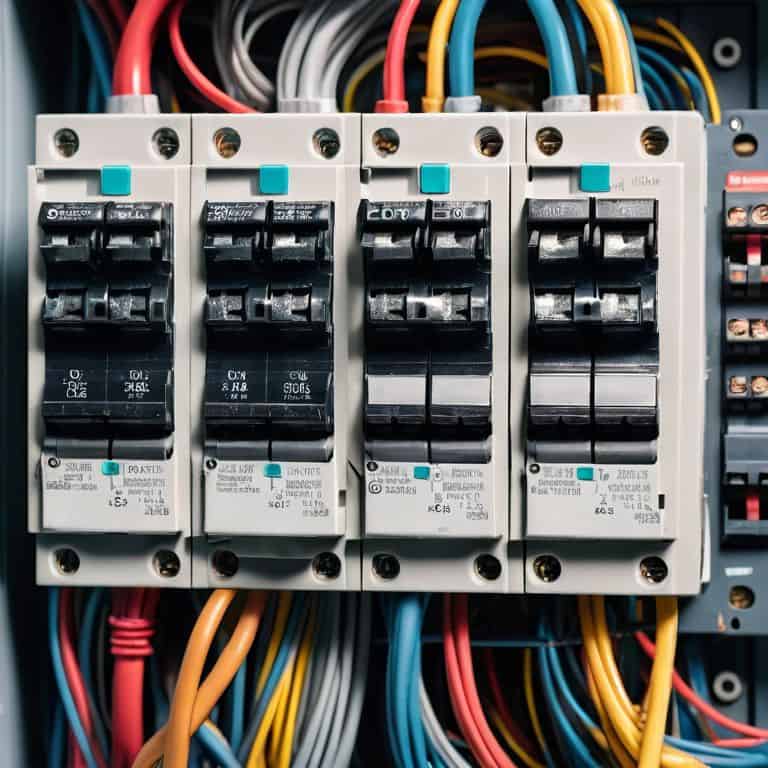
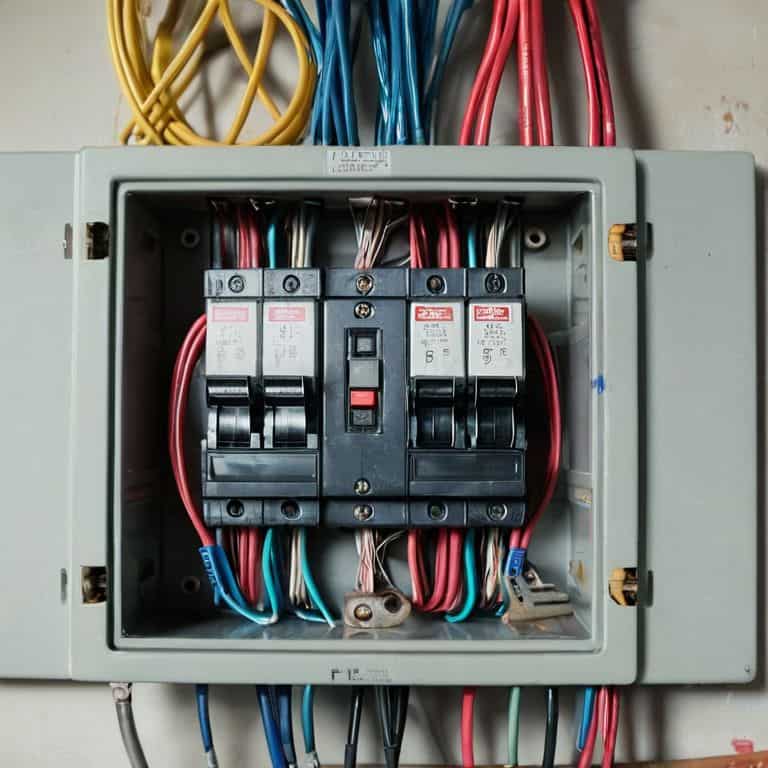
- 2. Next, we need to identify the main components of the circuit breaker panel, including the main breaker, branch circuits, and circuit breakers. Take a moment to study the panel and notice the different parts, as this will help you understand how they work together to provide power to your home.
- 3. Now, let’s talk about the importance of safety when working with electrical systems. Before touching any part of the circuit breaker panel, make sure to switch off the main power supply to avoid any accidental electrical shocks. It’s also a good idea to use a voltage tester to ensure there’s no power flowing through the system.
- 4. With the power off, we can now inspect the circuit breakers and look for any signs of wear or damage. Check for tripped breakers, loose connections, or burn marks, as these can indicate potential issues with your electrical system. Take note of any problems you find, as we’ll address them in later steps.
- 5. The next step is to understand the circuit breaker panel’s layout, which can vary depending on the age and type of your home’s electrical system. Look for a circuit directory or a chart that shows which breakers control which parts of your home. This will help you identify which breakers correspond to specific areas, such as the kitchen or bedroom.
- 6. Now that we have a better understanding of the circuit breaker panel’s components and layout, let’s identify the different types of breakers. You may have standard breakers, GFCI (Ground Fault Circuit Interrupter) breakers, or AFCI (Arc Fault Circuit Interrupter) breakers, each with its own unique function and purpose. Take a moment to learn about each type and how they contribute to your home’s electrical safety.
- 7. Finally, let’s create a maintenance schedule to ensure our circuit breaker panel remains in good working condition. Set reminders to inspect the panel regularly, check for worn-out breakers, and perform any necessary repairs or replacements. By staying on top of maintenance, you’ll be able to prevent electrical issues and keep your home’s systems running smoothly.
Unveiling Secrets

As I sit in my “Elizabeth Bennet” reading nook, surrounded by vintage teapots and the warmth of a crackling fire, I am reminded that understanding electrical wiring diagrams is not just about functionality, but also about creating a sense of harmony within our homes. The circuit breaker panel layout is, after all, the heart of our home’s electrical system, and getting to know it intimately can be a truly empowering experience.
When it comes to home electrical safety inspections, I always advise my clients to approach their circuit breaker panel with a sense of curiosity and caution. By taking the time to familiarize themselves with the panel’s layout and components, they can identify potential issues before they become major problems. This not only ensures their safety but also helps to prevent costly repairs down the line.
As we delve deeper into the world of circuit breaker panels, it’s essential to consider circuit breaker panel maintenance tips and circuit breaker panel labeling best practices. By implementing these simple yet effective strategies, we can transform our homes into havens of efficiency and tranquility, where every element works in harmony to create a sense of warmth and welcoming comfort.
Decoding Circuit Breaker Panel Layout
As I sit in my “Elizabeth Bennet” reading nook, surrounded by vintage teapots and the warmth of a crackling fire, I find myself pondering the intricate dance of wires and switches within our circuit breaker panels. Decoding the layout of this electrical hub is akin to unraveling a rich literary plot – each component playing a vital role in the narrative of our home’s functionality. The main breaker, those clever little circuit switches, and the grounding system all work in harmony to keep our sanctuaries aglow.
In this delicate ballet, understanding the layout is crucial. I like to think of it as mapping the rooms of my beloved home, each with its own unique character, like my “Heathcliff” study or “Alice” garden room. By grasping how these elements interact, we can better appreciate the hidden story of our circuit breaker panel and the vital role it plays in our daily lives.
Unlocking Electrical Wiring Diagrams
As I sit in my “Elizabeth Bennet” drawing room, surrounded by vintage teapots and the warm glow of table lamps, I find myself enchanted by the intricate world of electrical wiring diagrams. These complex maps, often tucked away in a corner of the circuit breaker panel, hold the key to understanding the hidden narrative of our homes’ electrical systems. By deciphering these diagrams, we can uncover the secrets of how our spaces are connected, much like the threads of a rich tapestry.
Delving into the world of wiring diagrams, I’m reminded of the meticulous craftsmanship of my father’s antique furniture restorations. Each symbol and line represents a deliberate choice, a story of how our homes have evolved over time. As we explore these diagrams, we’ll discover how to identify the main electrical pathways, tracing the journey of power from the panel to the various corners of our sanctuary.
Illuminating Insights: 5 Essential Tips to Demystify Your Circuit Breaker Panel
- Let there be light: Always turn off the main power switch before attempting to work on or explore your circuit breaker panel, my friends, to avoid any unexpected sparks or shocks.
- Map your sanctuary: Create a diagram or take a clear photo of your circuit breaker panel to keep as a reference, highlighting which switches control which areas of your home, just like mapping the rooms in my beloved ‘Heathcliff’ – the cozy reading nook.
- Decipher the codes: Familiarize yourself with the standard codes and colors used in electrical wiring to understand the purpose of each wire and connection, much like deciphering the secret messages in my favorite vintage novels.
- Mind the amps: Be aware of the amperage rating of your circuit breaker panel and the appliances in your home to avoid overloading and ensure safe operation, just as I carefully select the perfect blend of teas for my vintage teapot collection.
- Call in the storyteller: If you’re ever in doubt or unsure about any aspect of your circuit breaker panel, don’t hesitate to consult a professional electrician who can help you weave a safe and efficient electrical narrative for your home, just as I collaborate with skilled artisans to bring my design visions to life.
Three Enchanting Takeaways to Illuminate Your Home's Electrical Sanctuary
As we wander through the whimsical world of circuit breaker panels, remember that understanding the layout is akin to deciphering a treasure map, leading you to hidden gems of efficiency and safety in your home’s electrical system.
Unlocking the secrets of electrical wiring diagrams is much like uncovering the plot of a vintage novel – each symbol and line tells a story of how your home’s electrical tale unfolds, and mastering this language can make you the author of your own electrical narrative.
By embracing the magic within your circuit breaker panel, you transform it from a mundane necessity into a vital character in the story of your home, one that whispers tales of innovation, safety, and the timeless dance between nostalgia and modernity.
Illuminating the Heart of Your Home
As we tenderly uncover the secrets of our circuit breaker panel, we’re not just navigating wires and switches, we’re unraveling the narrative threads that weave our homes into warm, welcoming sanctuaries, where every spark tells a story of love, comfort, and the gentle passage of time.
Margaret Silva
Embracing the Hidden Narratives of Our Homes
As we conclude our journey through the fascinating world of circuit breaker panels, it’s essential to reflect on the key takeaways: understanding the layout, deciphering electrical wiring diagrams, and recognizing the importance of maintenance. These elements, though often overlooked, are the unsung heroes of our home’s functionality, ensuring that every room, from my ‘Heathcliff’ study to my ‘Elizabeth Bennet’ lounge, remains a cozy and welcoming space. By grasping these concepts, we not only enhance our home’s performance but also deepen our connection to the spaces we inhabit.
As we switch off the lights in our ‘circuit breaker panel exploration’, remember that every aspect of our home tells a story. It’s up to us to uncover, appreciate, and perhaps even influence these narratives. So, the next time you flip a switch or adjust the thermostat, consider the intricate dance of electricity and design that makes your home a unique, living tale. And who knows? You might just find yourself collecting vintage teapots to adorn your ‘Jane Eyre’ reading nook, surrounded by the warmth and character that only a truly understood and lovingly maintained home can provide.
Frequently Asked Questions
What are some common mistakes to avoid when trying to understand my circuit breaker panel?
As I sit in my “Elizabeth Bennet” reading nook, surrounded by vintage teapots, I’ve realized that common mistakes to avoid when understanding your circuit breaker panel include misinterpreting wiring diagrams and overlooking crucial labels, which can lead to a tangled web of confusion, much like a knotted ball of my grandmother’s sewing thread.
How can I determine the correct amp rating for my home's electrical system?
To determine the correct amp rating for your home, let’s get cozy with the numbers, shall we? Check your main electrical panel for the amp rating, usually listed on the main breaker or a nearby label, and verify it matches your home’s overall electrical capacity – a vital chapter in your home’s story.
Are there any safety precautions I should take when working with or near my circuit breaker panel?
As I sit in my ‘Emily’ room, surrounded by vintage teapots, I always remind myself to prioritize safety. When working near your circuit breaker panel, be sure to switch off the main power, wear insulated gloves, and avoid standing on conductive surfaces – it’s like handling a precious antique, you want to treat it with gentle care.