As I stepped into my Heathcliff’s Haven garden, named after the brooding hero from Wuthering Heights, I couldn’t help but feel a sense of frustration at the sight of those pesky lawn weeds. The quest to how to get rid of common lawn weeds is a tale as old as time, and one that I’ve found myself entwined in, especially after inheriting my grandmother’s vintage gardening tools. It’s astonishing how these unwelcome guests can quickly turn a serene oasis into a chaotic mess, isn’t it? The common myth that these weeds can be vanquished with a simple spray of chemical herbicides doesn’t sit well with me; there’s a more whimsically refined approach to reclaiming our gardens.
In this article, I promise to guide you through a journey of discovery, sharing practical, no-nonsense advice on how to tackle those common lawn weeds once and for all. From understanding the types of weeds that might be invading your space to implementing organic methods for their removal, we’ll delve into the world of gardening with a sense of wonder and a touch of magic. My goal is to empower you with the knowledge to transform your outdoor space into a cozy haven, much like my own Elizabeth’s Sanctuary, named after the resilient Elizabeth Bennet from Pride and Prejudice. So, let’s embark on this adventure together, shall we, and turn our gardens into the enchanting retreats they were meant to be?
Table of Contents
Guide Overview: What You'll Need
Total Time: 2 hours 30 minutes
Estimated Cost: $20 – $50
Difficulty Level: Easy
Tools Required
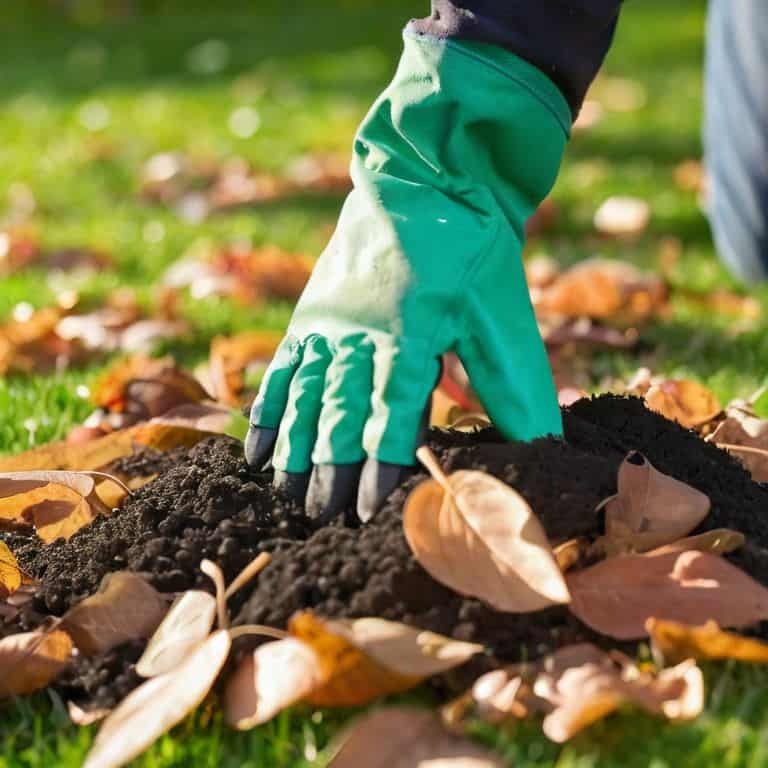
- Gardening Gloves (for protection)
- Hand Trowel (for digging)
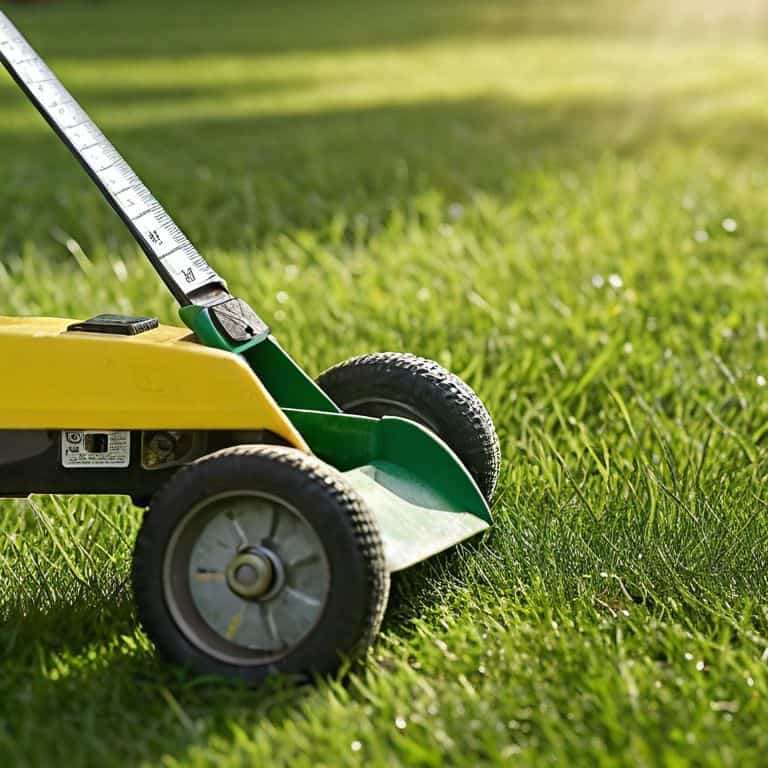
- Hoe (for weeding)
- Rake (for leveling)
- Sprayer (for applying herbicides)
Supplies & Materials
- Weed Killer (herbicide)
- Mulch (for suppressing weed growth)
- Lawn Fertilizer (for promoting healthy grass)
- Grass Seed (for filling in bare spots)
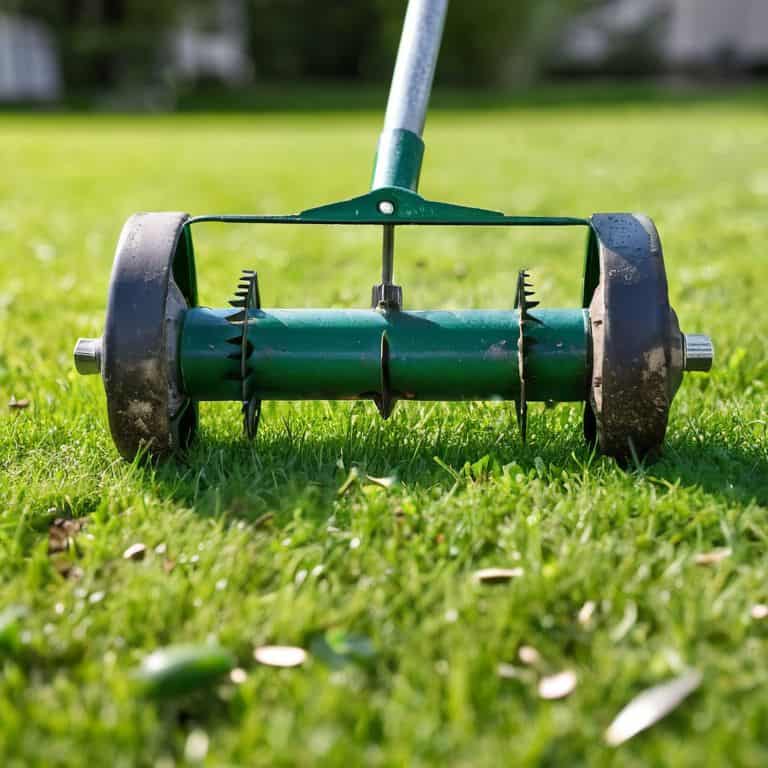
- Soil Aerator (for improving soil quality)
Step-by-Step Instructions
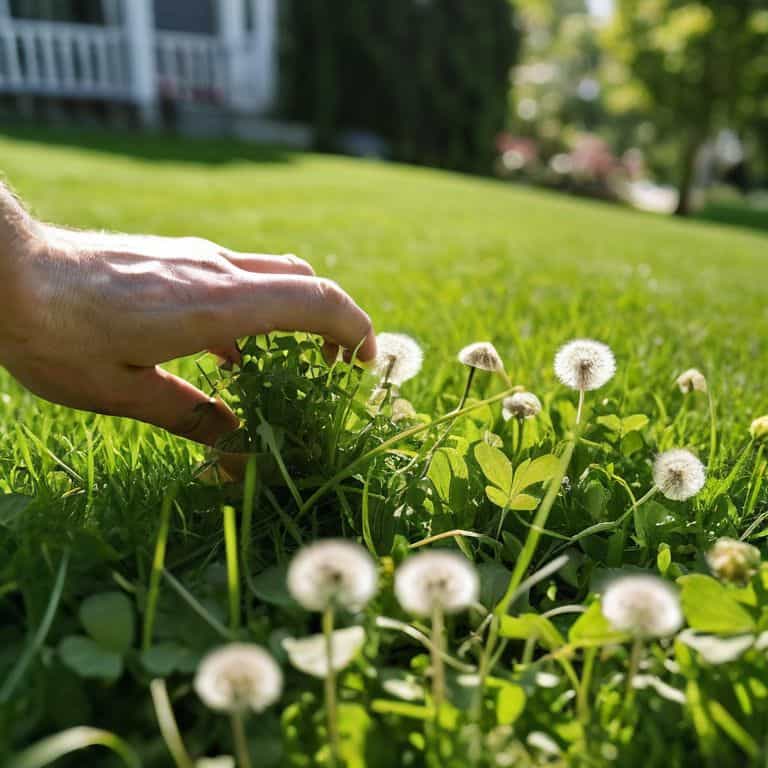
- 1. First, let’s start by identifying the types of weeds that are taking over our lawn. This is a crucial step, as different weeds require different removal methods. Take a stroll around your lawn and get to know the unwelcome guests that have made themselves at home. Are they dandelions, clover, or perhaps plantain? Once you know what you’re up against, you can begin to formulate a plan to evict them.
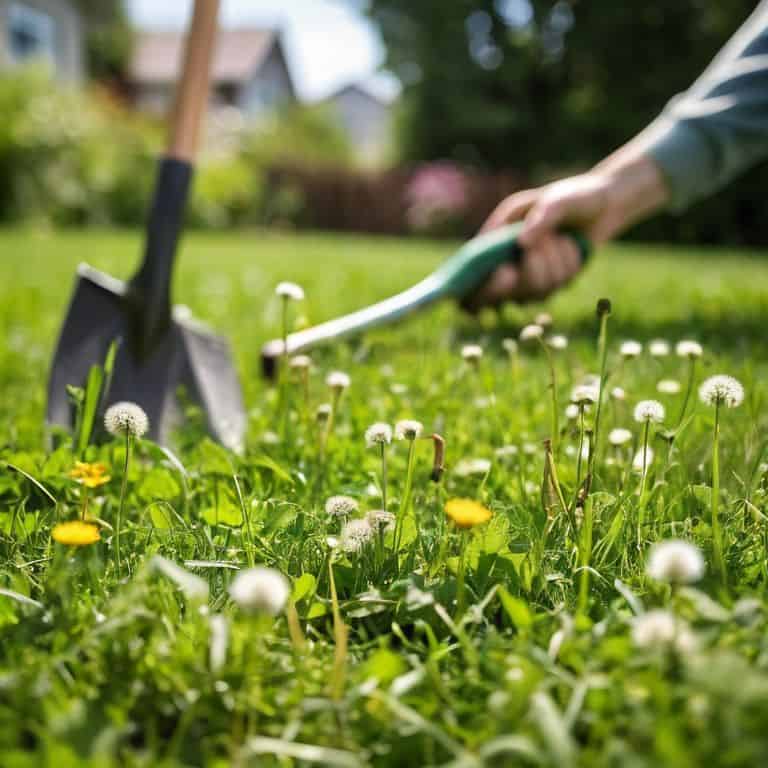
- 2. Next, it’s time to prepare the tools of the trade. You’ll need a few trusty companions to help you in your quest for a weed-free lawn. Gather a garden fork, a weeding fork, and a pair of gloves to protect those lovely hands of yours. If you’re feeling extra adventurous, you can also try using a DIY weed puller or a specialized weeding tool.
- 3. Now that we have our tools, let’s talk about the art of physical removal. This is often the most straightforward method, especially for smaller lawns or isolated weeds. Simply dig around the weed with your garden fork, being careful not to damage the surrounding grass. Then, use your weeding fork to gently loosen the soil and pull the weed out by its roots.
- 4. For those pesky weeds that are a bit more tenacious, we may need to bring in some reinforcements. This is where herbicides or natural weed killers come into play. Before using any chemicals, make sure to read the label carefully and follow the instructions to the letter. It’s also essential to take necessary precautions to protect yourself, your pets, and the environment.
- 5. Once you’ve removed the weeds, it’s time to reseed or sod any bare patches. This will help prevent new weeds from taking hold and give your lawn a lush, uniform appearance. Choose a grass species that’s suitable for your climate and soil type, and follow the package instructions for proper seeding or sodding.
- 6. To prevent future weed invasions, consider implementing a regular maintenance routine. This can include regular mowing, watering, and fertilizing, as well as periodic aeration and dethatching. By keeping your lawn healthy and strong, you’ll be less likely to encounter those unwanted weeds in the first place.
- 7. Finally, let’s not forget the importance of monitoring and follow-up. Keep a watchful eye on your lawn, and be prepared to pounce on any new weeds that try to make an appearance. With consistent effort and dedication, you can keep your lawn looking its best and enjoy the fruits of your labor for years to come.
Taming Lawn Legends
As I sit in my “Heathcliff” room, surrounded by vintage teapots and lush greenery, I ponder the art of natural weed control methods. It’s not just about eliminating unwanted growth, but about creating a harmonious balance in our outdoor spaces. By embracing lawn weed prevention techniques, we can reduce the need for chemical interventions and foster a healthier ecosystem. I recall my grandmother’s garden, where she’d lovingly tend to each plant, using organic weed killer recipes that were as gentle as they were effective.
In my experience, common lawn weed identification tips are essential for effective management. By recognizing the different types of weeds, we can tailor our approach to address their unique characteristics. For instance, some weeds may require integrated pest management for lawns, which involves a holistic approach to controlling pests and weeds. This method not only reduces the reliance on chemicals but also promotes a more sustainable and eco-friendly approach to lawn care.
As I sip my tea from a delicate vintage teapot, I reflect on the importance of lawn care tips for weed reduction. It’s the little things, like regular mowing and watering, that can make a significant difference in maintaining a healthy and weed-free lawn. By adopting these habits and combining them with natural weed control methods, we can create a beautiful outdoor space that’s not only inviting but also sustainable.
Natural Weed Control Whispers
As I sit in my “Heathcliff” study, surrounded by vintage teapots and floral patterns, I ponder the gentle art of natural weed control. It’s a whisper, really – a soft suggestion to the earth to yield to our desires. I’ve found that a mixture of boiling water and white vinegar can be a potent, eco-friendly duo in taming those unwanted growths.
In my “Elizabeth Bennet” garden, I’ve seen the magic of this approach unfold. The weeds slowly relinquish their hold, allowing my carefully curated flowers and herbs to take center stage. It’s a delicate dance, one that requires patience and a deep understanding of the natural world. As I tend to my garden, I’m reminded of the wisdom of allowing nature to guide us, rather than forcing our will upon it.
Organic Recipes for Weed Woes
As I sit in my “Heathcliff’s Haven” study, surrounded by vintage teapots and the soothing sounds of nature, I find inspiration in the simplest of things – like a well-manicured lawn. To keep those unwanted weeds at bay, I swear by organic recipes that are as gentle as they are effective. A mixture of vinegar, water, and a dash of soap can work wonders, while a sprinkle of cornmeal can prevent weeds from germinating in the first place.
I love experimenting with these natural remedies in my own garden, and I’m always excited to share my findings with fellow gardening enthusiasts. By embracing these organic solutions, we can create a harmonious balance between our lawns and the environment, allowing our outdoor spaces to flourish with beauty and life.
Weaving a Weed-Free Tale: 5 Enchanted Tips to Tame Your Lawn
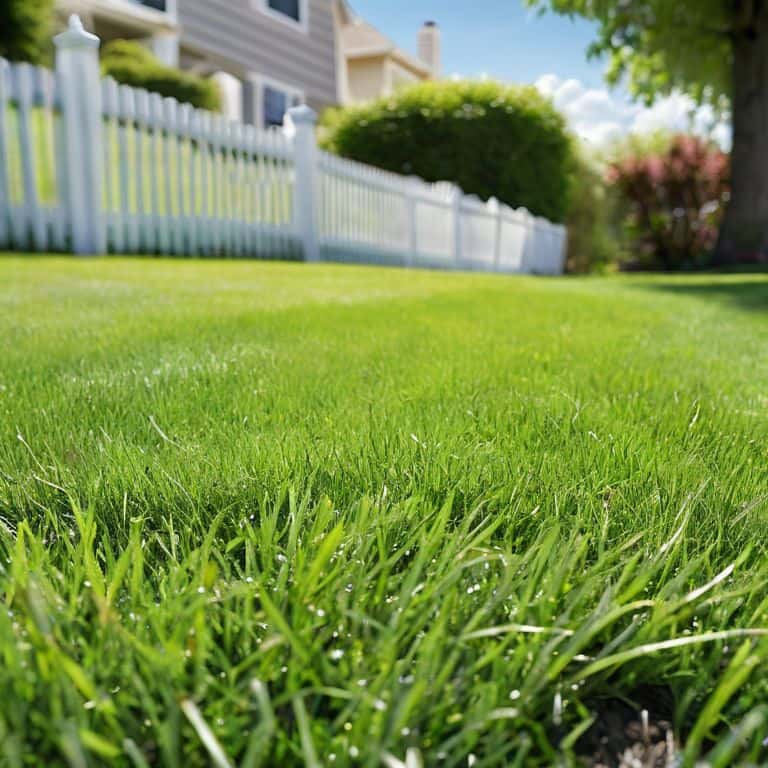
- Let the Sunshine In: Regularly mow your lawn to a height of 2.5-3 inches to prevent weeds from taking root, just as my grandmother used to do in our charming Victorian garden
- Mulch Magic: Apply a 2-3 inch layer of organic mulch to suppress weed growth, and don’t forget to name your garden beds after your favorite literary characters, like I’ve named my garden ‘Heathcliff’s Haven’
- Water Wisely: Avoid overwatering, which can lead to weed growth, and instead, water your lawn deeply but infrequently to encourage deep root growth, just as the characters in my favorite novels grow and flourish
- Compost Companion: Use compost to improve soil health and reduce weed growth, and consider using vintage teapots as unique planters for your composting station, like I do in my ‘Pemberley’s Potting Shed’ room
- Hand-Picking Harmony: Regularly hand-pick weeds to prevent them from spreading, and take a moment to appreciate the whimsical charm of your lawn, just as I do when I’m sipping tea from one of my vintage teapots in my ‘Elizabeth’s Enchanted Garden’ sanctuary
Weaving a Weed-Free Narrative: 3 Key Takeaways
As we tenderly nurture our lawns, remember that every weed pulled and every flower planted is a brushstroke on the canvas of our outdoor story, weaving a tale of love, care, and dedication.
Embracing natural and organic methods to control those uninvited lawn guests not only fosters a healthier environment but also invites a sense of harmony and balance into our outdoor sanctuaries, much like the serene atmosphere I aim to create in my ‘Elizabeth Bennet’ reading nook at home.
By transforming our approach to lawn care into a holistic, storytelling experience, we open ourselves up to a world of wonder and magic, where every corner of our home, inside and out, becomes a chapter in the grand narrative of our lives, filled with the charm of vintage teapots and the wisdom of timeless literature.
Weeding Wisdom
As we gently coax those unwanted weeds from our lawns, remember that every tug of the root is an invitation for a new story to unfold – one of vibrant blooms, lush greens, and the simple magic that happens when nature and nurture entwine.
Margaret Silva
Weaving a Weed-Free Tale: A Conclusion
As we come to the end of our journey in taming those pesky lawn weeds, let’s take a moment to reflect on the key takeaways. We’ve explored the world of natural weed control, delving into organic recipes that not only remove unwanted growth but also nurture the soil. By adopting these methods, you’re not just eliminating weeds, you’re also cultivating a healthier, more resilient lawn that tells a story of care and dedication. Whether it’s using homemade herbicides or embracing the beauty of manual removal, every step you take brings you closer to a weed-free wonderland.
So, as you step out into your lawn, surrounded by the fruits of your labor, remember that every garden is a story. It’s a tale of trials and triumphs, of growth and renewal. By choosing to nurture your lawn with love and organic care, you’re not just creating a beautiful outdoor space, you’re writing a chapter in the ongoing narrative of your home and your life. Let your lawn be a reflection of your whimsy, your refinement, and your love for the natural world.
Frequently Asked Questions
What are some common mistakes to avoid when trying to get rid of lawn weeds?
Let’s beware of those sneaky pitfalls, shall we? Common mistakes to avoid include over-tilling, which can spread weed seeds, and using too much fertilizer, which can actually feed those pesky weeds. Oh, and let’s not forget to remove the entire root system when pulling weeds, or they’ll just come back to haunt us!
How can I prevent lawn weeds from growing back after removal?
To keep those pesky weeds at bay, I swear by regular lawn maintenance and a sprinkle of preventative magic. After removal, I recommend applying a natural pre-emergent herbicide and maintaining a healthy lawn with proper mowing, watering, and fertilization – it’s like writing a new chapter in your lawn’s story, where the heroes are lush grass and vibrant blooms!
Are there any eco-friendly alternatives to chemical weed killers for my lawn?
I just adore exploring eco-friendly options for our gardens. For a greener approach, I recommend trying vinegar-based solutions or boiling water to tackle those pesky weeds. You can also introduce some beneficial ground covers to naturally suppress weed growth, creating a lush, whimsical landscape that’s as gentle on the earth as it is on the eyes.