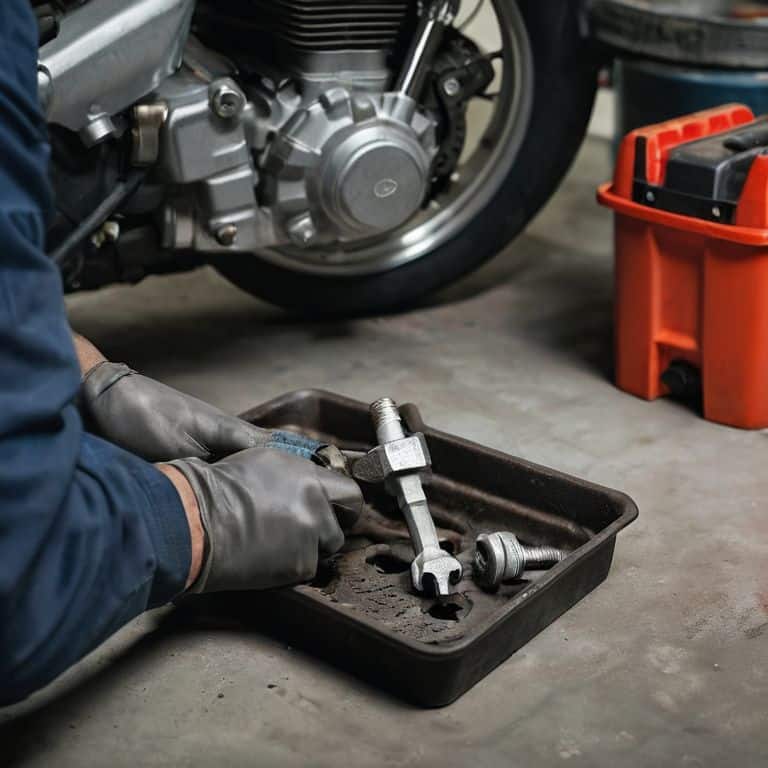
I still remember the day my trusty old bike broke down on me, and I had to replace the spark plugs. It was a frustrating experience, but it taught me a valuable lesson: knowing how to tell if you need new spark plugs can save you a lot of trouble. As an automotive technician, I’ve seen many car owners struggle with this issue, and it’s often due to a lack of understanding about the signs of worn-out spark plugs. The common myth is that you need to replace them at a specific mileage interval, but the truth is that it’s not that simple.
In this article, I’ll share my personal experience and practical advice on how to tell if you need new spark plugs. I’ll walk you through the common symptoms, such as misfires and reduced engine performance, and provide you with a step-by-step guide on how to diagnose and replace your spark plugs. My goal is to empower you with the knowledge to take care of your vehicle and avoid costly repairs. By the end of this article, you’ll be able to confidently determine whether your car needs new spark plugs, and you’ll have the skills to do it yourself.
Table of Contents
Guide Overview: What You'll Need

Total Time: 30 minutes to 1 hour
Estimated Cost: $10 – $30
Difficulty Level: Easy
Tools Required
- Spark Plug Socket (compatible with your vehicle’s spark plug type)
- Ratchet and Extension (for accessing spark plugs in tight spaces)
Supplies & Materials
- New Spark Plugs (if replacement is necessary)
- Spark Plug Gap Gauge (for checking spark plug gap)
- Spark Tester (for testing spark plug performance)
Step-by-Step Instructions
- 1. First, let’s get started by locating the spark plugs in your vehicle. This might seem like a no-brainer, but trust me, it’s essential to know where they are before you begin. Typically, you’ll find them on the sides of the engine or near the cylinder head. Take a look at your vehicle’s manual if you’re unsure.
- 2. Next, you’ll want to check the spark plug wires for any signs of wear or damage. Cracked or frayed wires can prevent the spark plugs from functioning correctly, so it’s crucial to inspect them thoroughly. Use a spark tester to verify that the spark is present and strong.
- 3. Now, it’s time to remove the spark plugs. This is where things can get a bit tricky, but don’t worry, I’ve got you covered. Use a spark plug socket to remove the plugs, and be careful not to touch the electrode or the ceramic insulator. Once removed, take a close look at the spark plug itself.
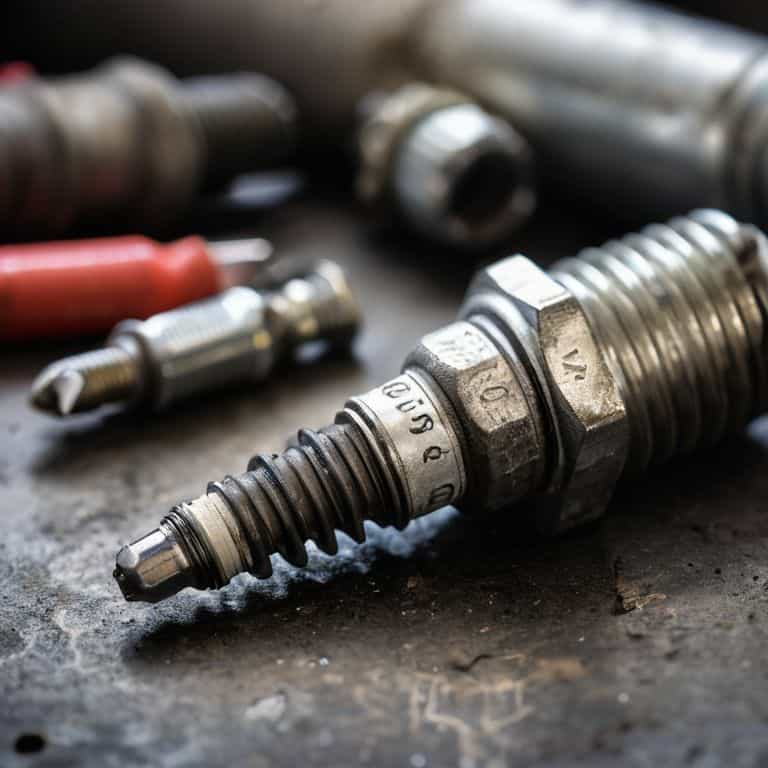
- 4. Inspect the spark plug for any signs of fouling or wear. If the plug is covered in carbon deposits or has a worn-out electrode, it’s likely time for a replacement. You can use a spark plug cleaner to remove any debris, but if the plug is badly worn, it’s best to replace it altogether.
- 5. To determine if the spark plug is firing correctly, use a spark tester to check for a strong spark. If the spark is weak or absent, it could indicate a problem with the spark plug, the ignition coil, or the fuel system. Don’t worry if you’re not sure what you’re looking for – just take note of any issues and we’ll address them later.
- 6. Next, take your vehicle for a test drive to see if you notice any performance issues. If your car is running rough, stumbling, or experiencing misfires, it could be a sign that the spark plugs need to be replaced. Pay attention to any unusual noises, vibrations, or performance issues.
- 7. Finally, check the spark plug gap to ensure it’s within the manufacturer’s specifications. If the gap is too wide or too narrow, it can affect the spark plug’s performance and lead to premature wear. Use a spark plug gap gauge to check the gap, and adjust it if necessary.
- 8. If you’ve completed all the previous steps and still suspect that your spark plugs need to be replaced, it’s time to consult your vehicle’s manual for specific instructions on how to replace them. Remember to use the correct type of spark plug for your vehicle, and follow the manufacturer’s recommendations for installation.
Spark Plug Secrets Revealed
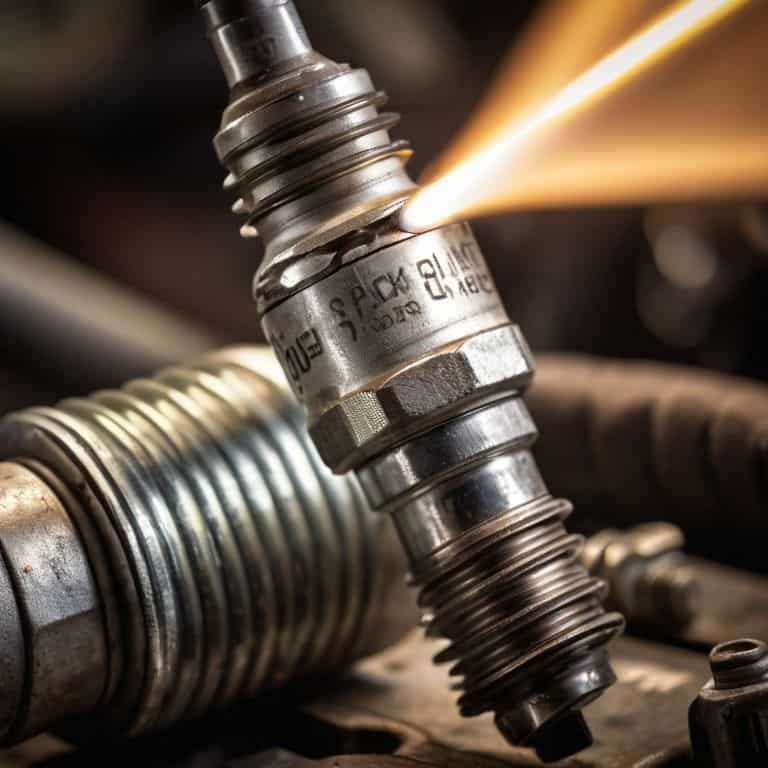
As I’ve learned from restoring vintage bicycles, attention to detail is crucial when it comes to spark plug maintenance. One often overlooked aspect is the spark plug gap specification, which can significantly impact engine performance. Ensuring the gap is set correctly can prevent symptoms of bad spark plugs, such as misfires and decreased fuel efficiency.
When considering spark plug replacement, it’s essential to factor in the spark plug replacement cost. While high-performance spark plugs may seem like a luxury, they can provide a noticeable boost in engine power and efficiency. Additionally, regular spark plug wire maintenance can help prevent issues down the line. By staying on top of these details, you can avoid diagnosing spark plug problems and keep your vehicle running smoothly.
In my experience, a well-maintained spark plug system can make all the difference in a vehicle’s overall performance. By understanding the symptoms of bad spark plugs and taking proactive steps, you can avoid costly repairs and keep your ride running like new. Whether you’re a seasoned mechanic or a DIY enthusiast, taking the time to learn about spark plug maintenance can pay dividends in the long run.
Diagnosing Spark Plug Problems
Diagnosing spark plug problems can be a bit like trying to find the missing piece in a vintage bicycle puzzle – it takes patience and a keen eye. I’ve seen folks struggle to identify the issue, only to realize it was a simple matter of worn-out spark plugs. To diagnose, pay attention to your engine’s performance: if it’s misfiring, running rough, or struggling to start, it might be time to take a closer look. Check for signs like fouled spark plugs, which can be caused by oil or fuel contamination, and look out for worn-out electrodes or excessive wear on the spark plug wires.
By inspecting these areas, you’ll be well on your way to identifying the root of the problem and getting your ride running smoothly once again.
Unlocking High Performance Spark Plugs
When it comes to unlocking high performance spark plugs, it’s all about finding the right balance between power and efficiency. I’ve seen it with my own vintage bike restorations – a high-quality spark plug can make all the difference in how smooth and strong the engine runs. By choosing plugs with the right heat range and electrode design, you can get more horsepower and better fuel economy out of your vehicle.
In my garage, I’ve got a whole drawer dedicated to spark plugs, each one named and cataloged like an old friend – there’s “Sparky” for my trusty lawnmower, and “Pluggy” for my bike. I’ve learned that high performance spark plugs are all about the details, from the materials used to the precise engineering that goes into each one. By paying attention to these details, you can unlock the full potential of your engine and take your vehicle to the next level.
Spark Plug Savvy: 5 Tips to Know When Your Ride Needs a Boost
- Listen for the Telltale Signs: If your engine is misfiring, or you hear a persistent rattling or pinging noise, it might be time to take a closer look at those spark plugs
- Check Your Mileage: Most spark plugs have a recommended replacement interval, usually between 30,000 to 100,000 miles, depending on the type and your vehicle’s make
- Watch for a Drop in Performance: If your car is taking longer to accelerate, or you’ve noticed a decrease in fuel efficiency, worn-out spark plugs could be the culprit
- Get Familiar with Your Spark Plug’s Appearance: A healthy spark plug should have a light brown or grayish color, while a worn-out one might be covered in thick, black deposits or have a worn-out electrode
- Use the Right Tools: Don’t try to diagnose spark plug issues without the proper tools, such as a spark tester or a multimeter, to get an accurate reading of your spark plug’s performance
Key Takeaways to Keep Your Engine Purring
Regular spark plug maintenance is crucial for optimal engine performance, and neglecting it can lead to decreased fuel efficiency, reduced power, and potentially even engine damage
By knowing the signs of worn-out spark plugs, such as rough idling, misfires, or a decrease in fuel economy, you can take proactive steps to replace them and breathe new life into your vehicle
Upgrading to high-performance spark plugs can significantly enhance your engine’s horsepower, torque, and overall driving experience, making it a worthwhile investment for any car enthusiast looking to unlock their vehicle’s full potential
The Spark of Truth
Your car’s spark plugs are like the heartbeat of its engine – when they’re firing on all cylinders, your ride runs smooth, but when they’re worn out, it’s like trying to start a fire with damp matches, so don’t get left in the dark, know the signs and give your engine the spark it needs!
John Beeler
Revving Up Your Engine's Potential
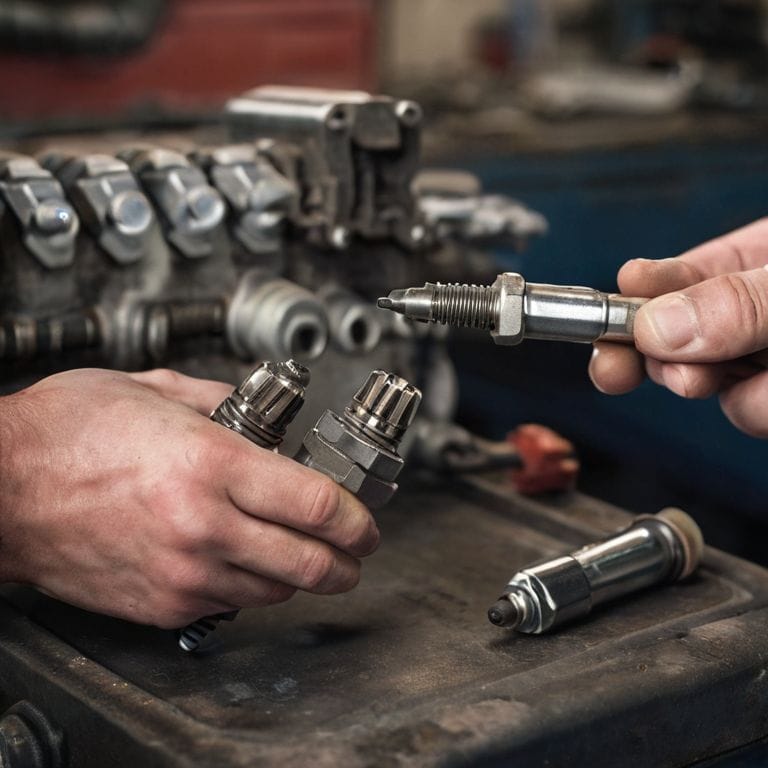
As we’ve explored the world of spark plugs, it’s clear that knowing when to replace them is crucial for maintaining your vehicle’s performance. From the initial signs of worn-out spark plugs to the step-by-step guide on how to diagnose and replace them, we’ve covered it all. Remember, a well-maintained engine is not just about replacing parts, but about understanding how they work together in harmony. By keeping your spark plugs in top condition, you’re ensuring your engine runs smoothly, efficiently, and at its best.
So, the next time you’re under the hood, take a moment to appreciate the little things, like the spark of life that ignites your engine. Whether you’re a seasoned mechanic or a DIY enthusiast, the thrill of the fix, the joy of restoration, and the satisfaction of a job well done are what make our garages more than just storage spaces – they’re playgrounds for innovation and creativity. Keep tinkering, keep learning, and most importantly, keep that engine purring like a well-oiled machine!
Frequently Asked Questions
What are the most common symptoms of worn-out spark plugs that I should look out for in my vehicle?
Hey there, friend! So, you wanna know the telltale signs of worn-out spark plugs? Well, I’ve seen ’em all – rough idling, misfires, and a decrease in fuel efficiency. If your ride’s not running smooth, it’s time to investigate those spark plugs. I call my trusty spark plug gap gauge ‘Sparky’ – she’s helped me diagnose many a spark plug issue in my garage!
Can I replace spark plugs myself or do I need to take my car to a professional mechanic?
Replacing spark plugs yourself is definitely doable, but if you’re not comfortable getting your hands dirty or have a complex engine, it’s best to consult a pro. I’ve done it myself on my trusty ride, and with the right tools, like my buddy “Sparky” the spark plug socket, you can save some cash and gain some confidence in your DIY skills.
How often should I check my spark plugs to ensure they're in good condition and not affecting my car's performance?
I like to check my spark plugs every 30,000 to 50,000 miles, depending on my ride’s condition. For my daily driver, I give ’em a glance every oil change – it’s a great way to catch any potential issues before they become major problems. My trusty sidekick, ‘Sparky’ the spark plug socket, always helps me get the job done!