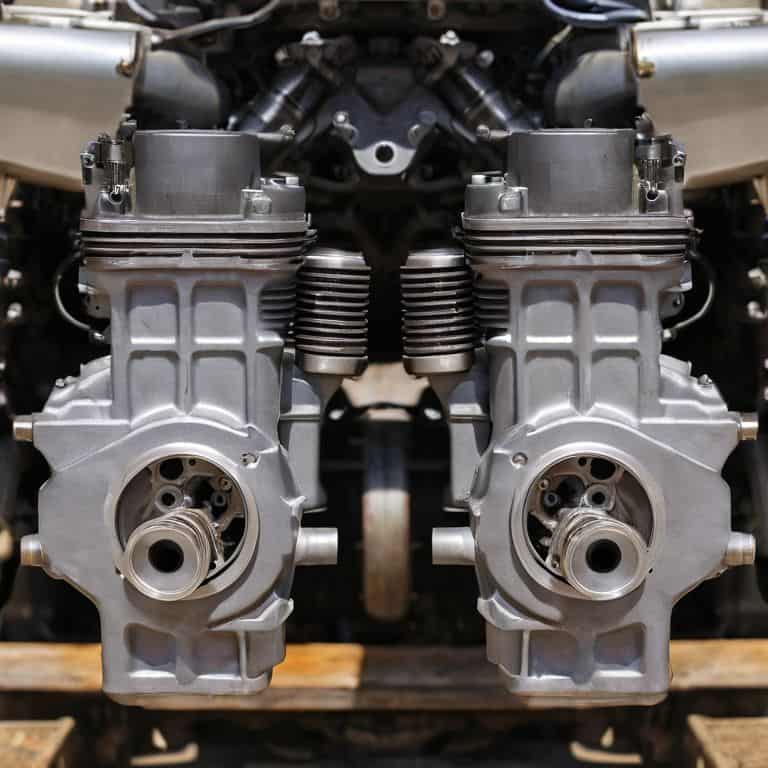
As I rummaged through a quirky motorcycle shop, I stumbled upon an old mechanic who shared with me the fascinating tale of what is the difference between a 2-stroke and 4-stroke engine. His words sparked a curiosity in me, and I couldn’t help but wonder why so many people make a big fuss about these engines. It seems like everyone’s an expert, but when you dig deeper, the explanations are often overcomplicated and misleading. I’ve seen it time and time again – people getting bogged down in technical jargon and losing sight of what really matters.
In this article, I promise to cut through the hype and give you the lowdown on 2-stroke and 4-stroke engines. I’ll share my own experiences, and the stories of others who have worked with these engines, to give you a no-nonsense understanding of how they work and what sets them apart. My goal is to empower you with practical knowledge, so you can make informed decisions and navigate the world of engines with confidence. Whether you’re a seasoned mechanic or just starting out, I’m excited to share my findings with you and help you uncover the truth about what is the difference between a 2-stroke and 4-stroke engine.
Table of Contents
- Unraveling Engine Secrets
- What Is the Difference Between 2 Stroke and 4 Stroke Engine
- Revving Up the Right Choice: 5 Key Tips to Understand the Difference Between 2-Stroke and 4-Stroke Engines
- Key Takeaways: Navigating 2-Stroke and 4-Stroke Engines
- Unveiling the Heart of Engines
- Revving Up to New Horizons
- Frequently Asked Questions
Unraveling Engine Secrets
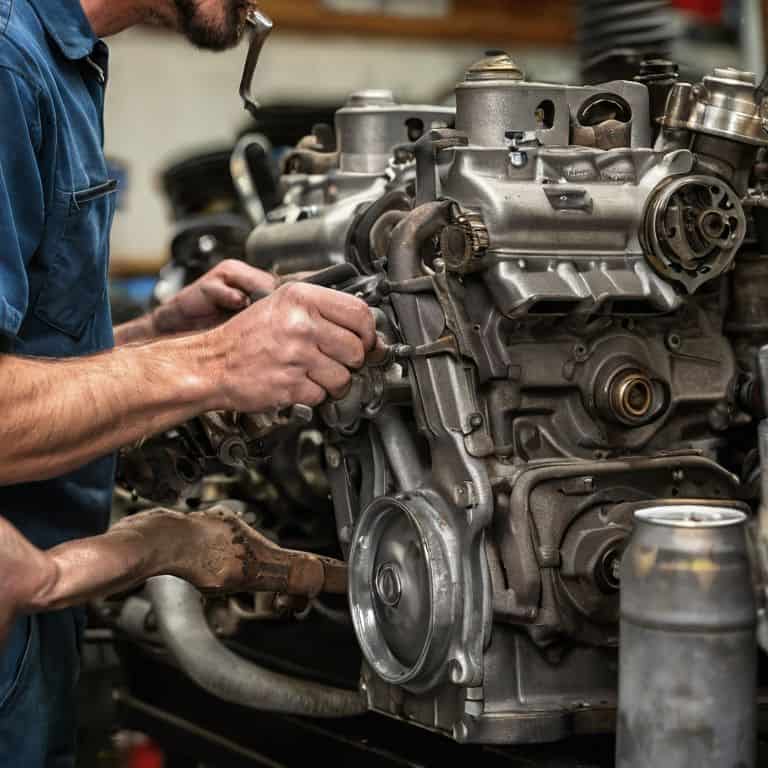
As I delved deeper into the world of engines, I found myself fascinated by the two stroke vs four stroke engine efficiency. It’s amazing how these two types of engines have their own unique characteristics, making them suitable for different applications. I recall a conversation with a seasoned mechanic who shared with me the importance of engine lubrication systems in maintaining the overall health of an engine. He explained how regular maintenance can significantly impact the engine’s performance and longevity.
During my visit to a small engine repair shop, I noticed the variety of fuel injection systems for engines on display. The owner, a knowledgeable enthusiast, walked me through the process of how these systems work and their advantages over traditional carburetors. It was intriguing to see how different engines require distinct maintenance schedules, and how adhering to these schedules can prevent common issues. I made a mental note to explore more about engine maintenance schedules and their role in ensuring optimal engine performance.
As I continued to explore, I stumbled upon an old motorcycle with a unique engine design. The owner, a passionate collector, shared with me the story behind this rare find and the comparison of engine types that led him to appreciate its value. It was fascinating to see how different engines have their own strengths and weaknesses, and how understanding these differences can help us appreciate the intricacies of engine design. With each new discovery, my curiosity grew, and I found myself eager to uncover more secrets of the engine world.
Small Engine Repair Techniques Uncovered
As I delved into the world of small engines, I discovered that precision is key when it comes to repair techniques. A slight miscalculation or misplaced tool can lead to further damage, making it essential to approach each repair with a meticulous eye. I recall a particularly tricky repair job I witnessed at a quaint motorcycle shop, where the mechanic’s attention to detail was truly impressive.
In the realm of small engine repair, hands-on experience is invaluable. By getting your hands dirty and experimenting with different techniques, you can develop a deeper understanding of how these engines work and how to fix them efficiently. Whether you’re a seasoned mechanic or a curious DIY enthusiast, there’s always room to learn and improve your skills in this fascinating field.
Two Stroke vs Four Stroke Engine Efficiency
As I delved deeper into the world of engines, I discovered that the efficiency of a 2-stroke and 4-stroke engine is a crucial aspect to consider. The 2-stroke engine, with its simpler design, tends to be more lightweight and compact, making it ideal for smaller vehicles or handheld devices.
In contrast, the 4-stroke engine is often praised for its better fuel economy, which can lead to significant cost savings in the long run. This is particularly important for those who plan to use their vehicles for extended periods or over long distances, where the efficiency of the engine can make a substantial difference.
What Is the Difference Between 2 Stroke and 4 Stroke Engine
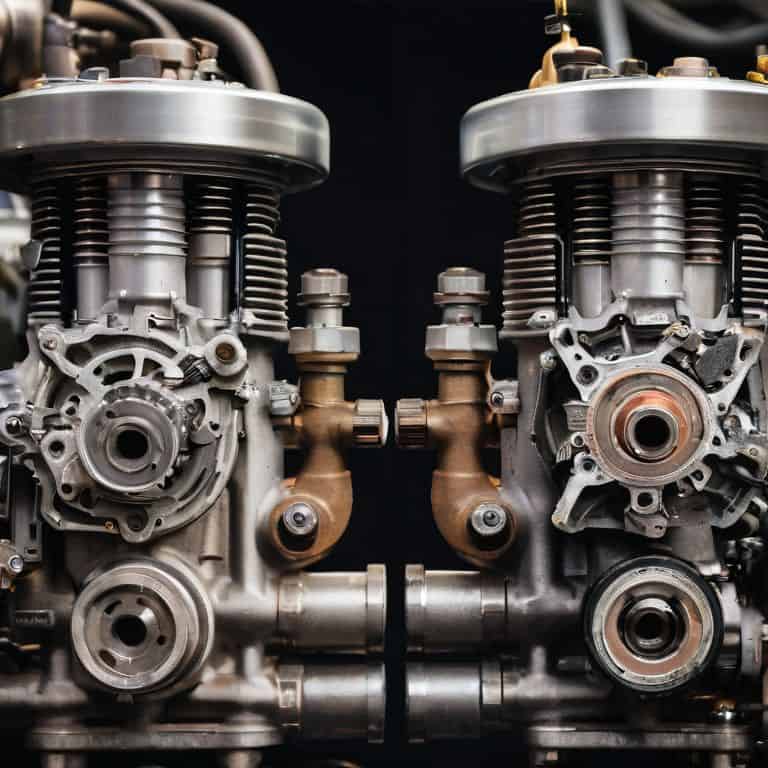
As I delved into the world of engines, I discovered that engine lubrication systems play a crucial role in determining the efficiency of a 2-stroke versus a 4-stroke engine. The main difference lies in how these engines process lubrication, with 2-stroke engines mixing oil with the fuel, while 4-stroke engines use a separate lubrication system. This distinction significantly impacts the overall performance and maintenance requirements of each engine type.
My exploration of small engine repair techniques also shed light on the unique characteristics of 2-stroke and 4-stroke engines. For instance, 2-stroke engines tend to be lighter and more compact, making them ideal for smaller vehicles or equipment. In contrast, 4-stroke engines are generally more robust and better suited for larger applications. Understanding these differences is essential for fuel injection systems for engines, as it allows for more precise tuning and optimization.
When it comes to maintenance, engine maintenance schedules vary significantly between 2-stroke and 4-stroke engines. 2-stroke engines typically require more frequent oil changes and filter replacements due to the mixed lubrication system. In contrast, 4-stroke engines have a more traditional lubrication system, resulting in less frequent maintenance needs. By grasping these distinctions, individuals can better navigate the comparison of engine types and make informed decisions when selecting an engine for their specific needs.
Engine Lubrication Systems Compared
As I delved deeper into the world of engines, I discovered that engine lubrication plays a crucial role in determining the performance and longevity of both 2-stroke and 4-stroke engines. The way these systems are designed and implemented can significantly impact the overall efficiency and reliability of the engine.
In comparing the two, I found that oil distribution is a key factor in engine lubrication systems. While 2-stroke engines rely on a petrol-oil mixture for lubrication, 4-stroke engines utilize a separate oil circulation system, which provides a more consistent and reliable lubrication process.
Fuel Injection Systems for Engines Explained
As I delved into the world of engines, I discovered the significance of fuel injection systems in determining the performance of both 2-stroke and 4-stroke engines. The way fuel is delivered to the engine can greatly impact its efficiency and power output. I found it fascinating to learn about the different types of fuel injection systems and how they are designed to optimize engine performance.
The precise control of fuel injection systems allows for a more efficient combustion process, resulting in better fuel economy and reduced emissions. Whether exploring the flea markets for vintage motorcycle parts or writing about the latest engine technologies, I am always excited to share my discoveries with fellow adventure-seekers and engine enthusiasts.
Revving Up the Right Choice: 5 Key Tips to Understand the Difference Between 2-Stroke and 4-Stroke Engines
- Consider the Power-to-Weight Ratio: 2-stroke engines are generally lighter and provide more power relative to their weight, making them ideal for applications where portability is key, such as in chainsaws or small motorcycles
- Think About Fuel Efficiency: 4-stroke engines are typically more fuel-efficient, which can lead to cost savings and reduced environmental impact over time, especially in vehicles or equipment that are used extensively
- Look into Maintenance and Repair: 2-stroke engines have fewer moving parts, which can simplify maintenance but may also mean they are less durable over the long term, whereas 4-stroke engines have more complex systems that can be more challenging to repair but are often more reliable
- Evaluate Lubrication Systems: 4-stroke engines have a separate lubrication system, which can provide better protection for the engine’s components, whereas 2-stroke engines rely on the fuel mixture for lubrication, which can be less effective and may lead to more wear and tear
- Assess Your Specific Needs: Whether you’re looking for an engine for a recreational vehicle, a piece of landscaping equipment, or a generator, understanding the unique demands of your application will help you decide between the higher power output of a 2-stroke engine or the efficiency and durability of a 4-stroke engine
Key Takeaways: Navigating 2-Stroke and 4-Stroke Engines
Understanding the fundamental differences between 2-stroke and 4-stroke engines can significantly impact your choice of vehicle or machinery, whether you’re a thrill-seeking adventurer or a practical enthusiast.
Efficiency and maintenance are crucial factors to consider when deciding between 2-stroke and 4-stroke engines, with each type offering unique advantages and challenges that can affect your overall experience and budget.
By grasping the basics of engine lubrication systems, fuel injection, and small engine repair techniques, you’ll be better equipped to make informed decisions and ensure your engine runs smoothly, whether you’re cruising down the highway or exploring off-the-beaten-path terrains.
Unveiling the Heart of Engines
The difference between a 2-stroke and 4-stroke engine is not just a matter of mechanics, but a testament to human ingenuity – where the 2-stroke whispers tales of efficiency and simplicity, the 4-stroke roars with the power of complexity and innovation.
Vera Kump
Revving Up to New Horizons
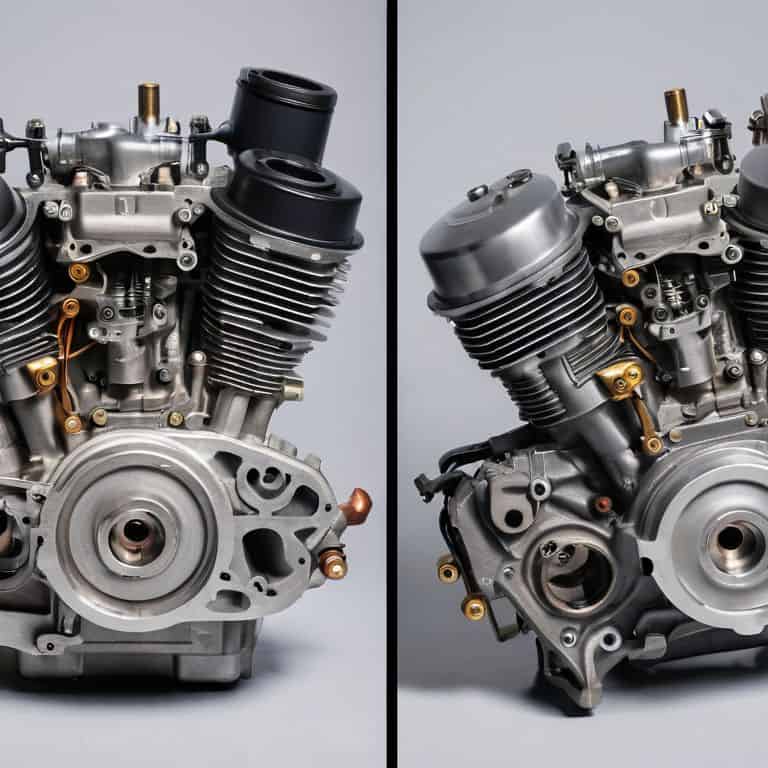
As I conclude my journey through the world of 2-stroke and 4-stroke engines, I want to emphasize the importance of understanding the differences between these two powerhouses. From efficiency and lubrication systems to fuel injection and repair techniques, each aspect plays a vital role in determining which engine is best suited for your needs. Whether you’re a seasoned mechanic or an adventure-seeker like myself, grasping these concepts can elevate your experience and open doors to new possibilities.
As I look back on the stories and secrets uncovered, I’m reminded that the true beauty of exploration lies not just in the destination, but in the journey itself. So, I encourage you to take the reins, to embark on your own path of discovery, and to never stop wondering about the intricacies and marvels that surround us. For in the end, it’s the pursuit of knowledge and the thrill of the unknown that make life a truly unforgettable adventure.
Frequently Asked Questions
What are the key advantages and disadvantages of using a 2-stroke engine versus a 4-stroke engine in various applications?
As I’ve discovered on my travels, 2-stroke engines are perfect for small, portable devices due to their lightweight and high power-to-weight ratio, but they can be less fuel-efficient and produce more emissions. On the other hand, 4-stroke engines are often used in vehicles, offering better fuel efficiency and lower emissions, but are generally heavier and more complex.
How do the maintenance and repair requirements differ between 2-stroke and 4-stroke engines, and what are the most common issues that arise with each type?
As I’ve delved into the world of small engines, I’ve found that 2-stroke engines typically require more frequent oil changes and spark plug replacements, while 4-stroke engines need regular valve adjustments and oil filter changes. Common issues with 2-stroke engines include cylinder scoring and piston seizure, whereas 4-stroke engines often suffer from faulty valve trains and oil leaks.
In what scenarios or industries would a 2-stroke engine be preferred over a 4-stroke engine, and vice versa, in terms of performance, efficiency, and environmental impact?
When it comes to high-power, low-weight applications like racing or small aircraft, 2-stroke engines shine. Conversely, 4-stroke engines shkout in efficiency and environmental friendliness, making them ideal for everyday vehicles and heavy machinery.