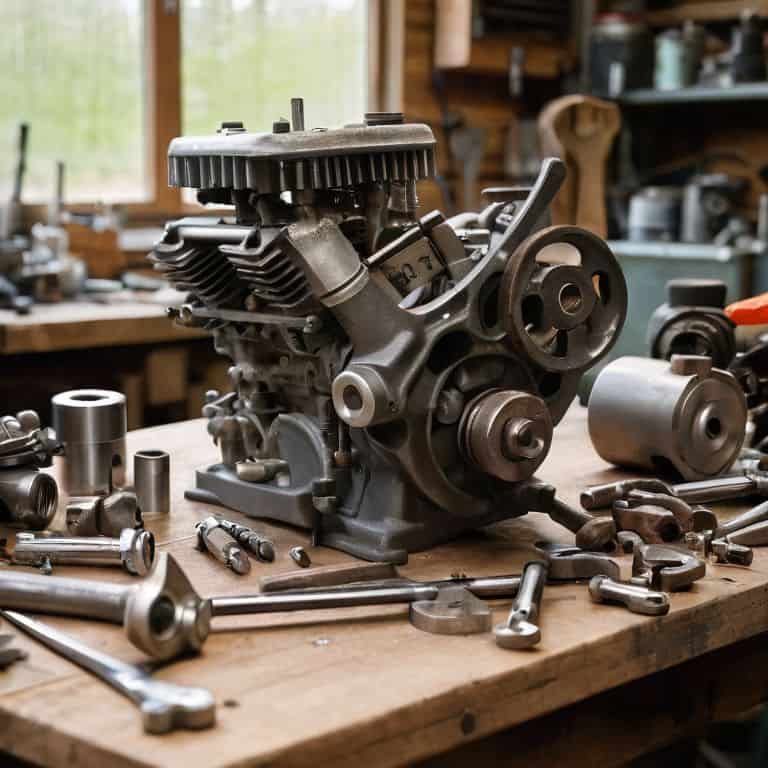
As I rummaged through a dusty flea market stall, I stumbled upon an old, mysterious-looking lawn mower engine. It sparked a curiosity in me, reminiscent of the countless hours I spent listening to travelers’ tales at my parents’ bed-and-breakfast. I realized that a guide to understanding small engines is not just about technical jargon, but about uncovering the secrets that make these tiny powerhouses tick. The vendor, noticing my fascination, shared with me the story of how he restored the engine to its former glory. His passion was contagious, and I found myself eager to learn more about the inner workings of small engines.
My journey to understand small engines has been a wild adventure, filled with trial and error, and a plethora of hands-on experience. In this article, I promise to share with you the practical advice and honest insights I’ve gained along the way. You’ll learn how to diagnose common issues, perform routine maintenance, and even restore old engines to their former glory. Whether you’re a seasoned mechanic or a curious DIY enthusiast, this guide is designed to empower you with the knowledge and confidence to tackle small engine projects with ease. So, join me on this journey as we delve into the fascinating world of small engines, and discover the hidden harmonies that make them purr.
Table of Contents
Guide Overview: What You'll Need
Total Time: 4 hours 30 minutes
Estimated Cost: $50 – $100
Difficulty Level: Intermediate
Tools Required
- Socket Set (with 6 inches and 10 inches extensions)
- Tire Pressure Gauge (for checking compression)
- Multimeter (for testing electrical components)
- Pliers (needle-nose and slip-joint)
- Work Light (for illuminating the work area)
Supplies & Materials
- Small Engine Repair Manual (specific to the engine model)
- Replacement Spark Plug (correct type and size for the engine)
- Air Filter (correct type and size for the engine)
- Fuel Filter (correct type and size for the engine)
- 2-in x 4-in lumber (for creating a work surface)
Step-by-Step Instructions
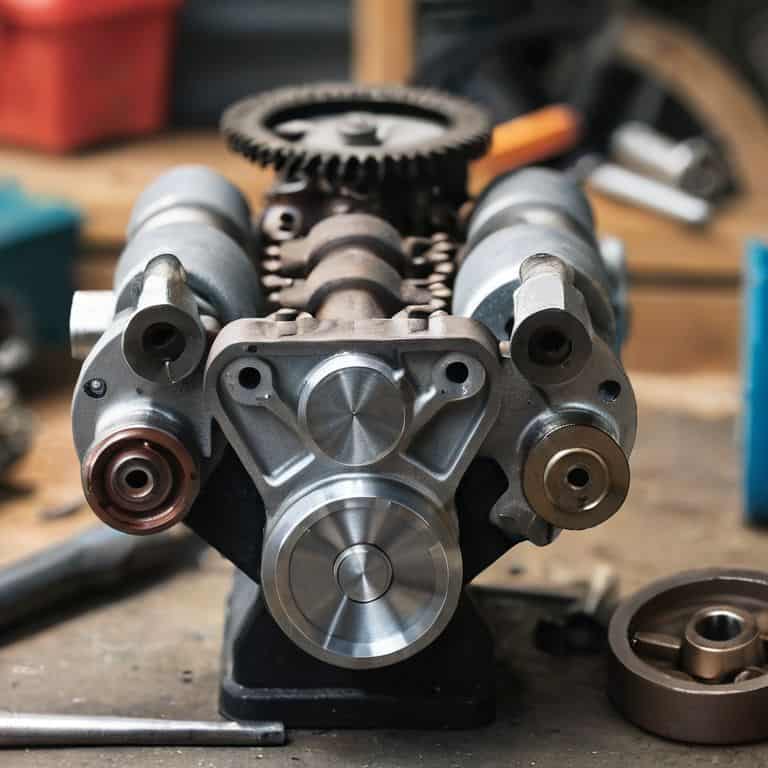
- 1. First, let’s get familiar with the basic components of a small engine, which typically include a cylinder, piston, crankshaft, and camshaft – these are the heart and soul of your engine, and understanding how they interact is crucial for effective operation and maintenance.
- 2. Next, consult your manual to learn about the specific engine you’re working with, as different models may have unique features or requirements – this is where the real treasure hunting begins, as you uncover the secrets and quirks of your particular engine.
- 3. Now, it’s time to get hands-on, and that means checking the oil and fuel levels, as well as inspecting the air filter and spark plug for any signs of wear or damage – regular maintenance is key to keeping your engine running smoothly and preventing costly repairs down the line.
- 4. To tune your engine, you’ll need to adjust the carburetor, which involves tweaking the mixture of air and fuel to achieve the perfect balance – this can be a bit of a trial and error process, but with patience and practice, you’ll get the hang of it.
- 5. With your engine tuned, it’s time to move on to the electrical system, which includes the ignition coil, spark plug, and battery – safety first is the motto here, so make sure you’re wearing protective gear and following proper procedures when working with electrical components.
- 6. Next up, we have the cooling system, which is responsible for regulating the engine’s temperature and preventing overheating – keeping it cool is essential for preventing damage and extending the life of your engine, so be sure to check the coolant levels and inspect the hoses for any signs of leaks or wear.
- 7. Finally, it’s time for a test run, and that means taking your engine for a spin to see how it performs – listen for any unusual noises or vibrations, and take note of any areas that may need further adjustment or maintenance – with these steps complete, you’ll be well on your way to becoming a small engine expert.
A Guide to Understanding Small Engines
As I delved deeper into the world of small engines, I discovered that engine lubrication systems play a crucial role in maintaining their efficiency. It’s essential to regularly check and change the oil to prevent overheating and wear and tear on the engine’s components. I recall a time when I was tinkering with my grandfather’s old lawn mower, and I realized that understanding the lubrication system was like uncovering a hidden treasure – it’s all about finding the right balance.
When it comes to fuel efficiency in small engines, there are a few tricks to keep in mind. For instance, ensuring that the air filter is clean and the fuel tank is free of debris can make a significant difference. I’ve also found that using the right type of fuel for your engine can greatly impact its performance. By following these simple tips, you can optimize your engine’s fuel efficiency and reduce costs in the long run.
In my experience, common small engine problems can often be avoided with regular maintenance and small engine troubleshooting tips. By being proactive and addressing issues early on, you can prevent more severe problems from arising. Whether you’re a seasoned mechanic or a DIY enthusiast, having the right small engine repair tools at your disposal can make all the difference in getting the job done efficiently and effectively.
Greasing the Wheels Engine Lubrication Systems
As I delved into the world of small engines, I discovered that lubrication is the secret ingredient that keeps them purring like a well-oiled machine. It’s fascinating to think about how a tiny droplet of oil can make all the difference in the engine’s performance. I recall rummaging through a flea market and stumbling upon an old engine manual, which sparked my curiosity about the intricacies of engine lubrication systems. The vendor, noticing my interest, shared a tale of how his grandfather, a seasoned mechanic, would meticulously maintain his engines, ensuring they ran smoothly for years to come.
I’ve found that understanding the lubrication system is akin to uncovering a hidden treasure – it requires patience, attention to detail, and a willingness to get your hands dirty. By grasping the basics of engine lubrication, you’ll be well on your way to becoming a master tuner, capable of coaxing even the most reluctant engine back to life.
Tuning in Small Engine Troubleshooting Tips
As I’ve learned from my own experiences with small engines, troubleshooting is an art that requires patience and a keen eye for detail. I recall a particularly frustrating afternoon spent trying to revive my grandfather’s old lawn mower, only to discover that a clogged air filter was the culprit behind its stubborn refusal to roar back to life. It was a valuable lesson in the importance of routine maintenance and the need to think creatively when faced with a puzzling problem.
When tuning in to your small engine’s unique harmonies, remember to listen for the subtle cues that can indicate a problem – a faint humming noise, a slight vibration, or an inconsistent idle. By paying attention to these telltale signs and taking a methodical approach to troubleshooting, you’ll be well on your way to diagnosing and resolving even the most elusive issues, and getting your engine purring smoothly once again.
Revving Up: 5 Essential Tips for Mastering Small Engines
- Get Familiar with the Manual: Before you start tinkering, read the engine’s manual to understand its specific requirements and maintenance schedule
- Listen to the Engine: Pay attention to unusual noises, as they can indicate potential issues, such as a faulty spark plug or low oil levels
- Keep it Clean: Regularly clean the engine and its components to prevent dirt and debris from causing damage and reducing performance
- Check the Air Filter: A clogged air filter can decrease engine power and efficiency, so make sure to inspect and replace it as needed
- Stay Organized: Keep a record of your maintenance and repair activities to track the engine’s history and identify potential patterns or issues
Key Takeaways for a Smooth Ride
Always keep a curious mindset when approaching small engine maintenance, as it’s akin to being a detective searching for clues to unravel the mystery of a malfunction
Remember that lubrication is the lifeblood of your small engine, and regular checks can be the difference between a harmonious purr and a disastrous grind
Troubleshooting is an art that combines patience, observation, and a bit of creativity – don’t be afraid to get your hands dirty and think outside the box to diagnose and fix those pesky engine problems
Unlocking the Secrets of Small Engines
The hum of a small engine is like the whisper of a hidden treasure map – it’s only by listening closely and getting your hands dirty that you’ll uncover the riches of its inner workings.
Vera Kump
Revving Up to New Heights
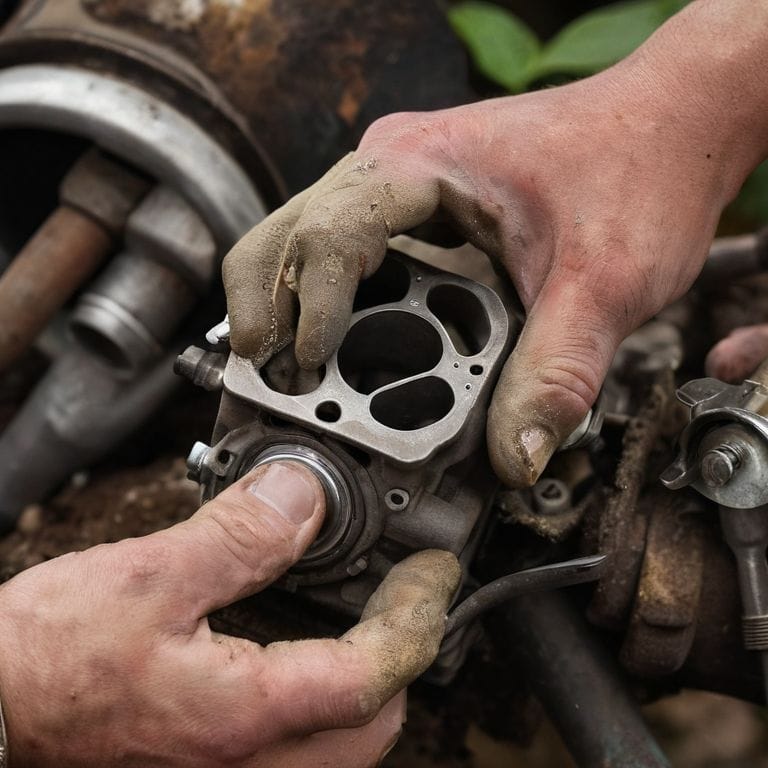
As I conclude this journey through the world of small engines, I want to emphasize the importance of mastering the basics. From troubleshooting tips to understanding engine lubrication systems, we’ve covered a wide range of topics designed to turn you into a confident small engine whisperer. Remember, it’s all about getting your hands dirty and embracing the process of discovery. Whether you’re a seasoned pro or a curious beginner, the key to success lies in your ability to stay curious and keep exploring. By following the steps outlined in this guide, you’ll be well on your way to developing a deeper understanding of small engines and the role they play in our daily lives.
As you close this chapter and embark on your own small engine adventures, I want to leave you with a final thought: the real magic happens when you combine knowledge with creativity. Don’t be afraid to think outside the box and experiment with new ideas. Whether you’re restoring a vintage lawn mower or designing a innovative new product, the world of small engines is full of endless possibilities. So go ahead, take the leap, and see where your curiosity takes you. With a little practice and patience, you’ll be revving up to new heights in no time, and I’ll be right here, cheering you on from the sidelines.
Frequently Asked Questions
What are the most common issues that can cause a small engine to malfunction?
As I’ve learned from my own backyard tinkering adventures, common culprits behind small engine malfunctions include faulty spark plugs, clogged air filters, and inadequate lubrication – all treasure troves of trouble waiting to be uncovered and solved!
How often should I replace the oil in my small engine to ensure optimal performance?
I’m so glad you asked about oil changes – it’s a treasure of a tip for keeping your small engine purring like a well-oiled machine! For most small engines, I recommend changing the oil every 50 hours of use or at the start of each new season, whichever comes first, to ensure optimal performance and a long, healthy life for your engine.
What are some tips for properly storing a small engine during the off-season to prevent damage?
As I’ve learned from my flea market treasure hunts, proper storage is key to preserving a small engine’s vitality. I recommend cleaning and drying the engine, changing the oil, and storing it in a dry, protected area to prevent rust and damage, just like I store my precious postcards in a safe album.