As I wander through the aisles of a bustling flea market, I often find myself pondering the concept of what is kickback and how to prevent it. It’s a topic that’s often shrouded in mystery, with many so-called “experts” touting complicated and expensive solutions. But I’ve always believed that simpler is better, and that the key to understanding kickback lies in stripping away the jargon and getting back to basics. I’ve seen friends and fellow travelers get caught up in the hype, only to end up frustrated and confused. It’s time to cut through the noise and get to the heart of the matter.
In this article, I promise to share my own experiences and insights on what is kickback and how to prevent it, gained from years of navigating the ups and downs of the road. I’ll provide you with honest, hype-free advice that’s rooted in reality, not theory. My goal is to empower you with the knowledge and confidence to tackle kickback head-on, without breaking the bank or getting bogged down in unnecessary complexity. So, if you’re ready to join me on this journey and discover the secrets of kickback prevention, let’s dive in and get started – together!
Table of Contents
Unraveling Kickback Secrets
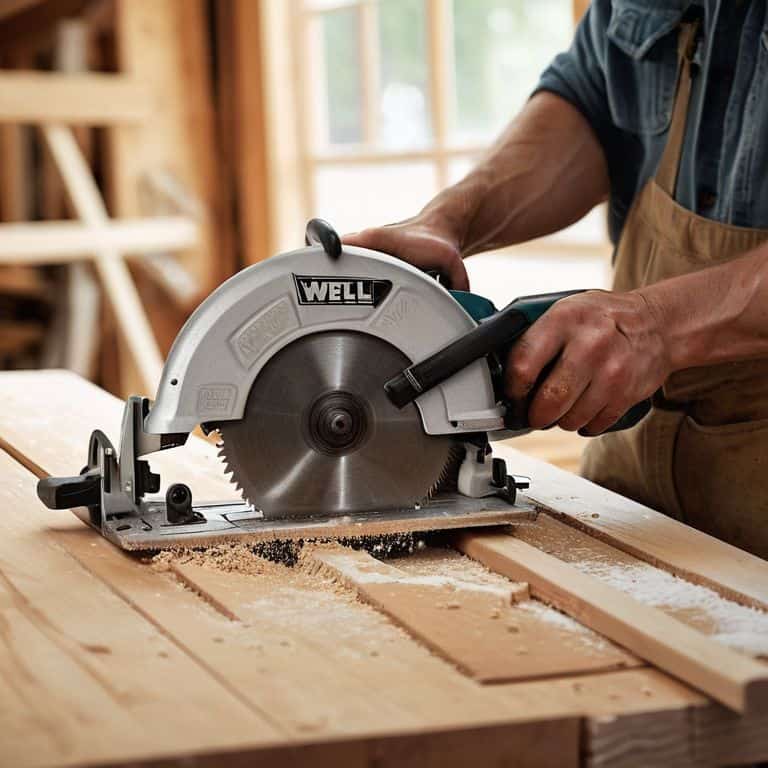
As I delved deeper into the world of woodworking, I began to realize the importance of understanding circular saw kickback causes. It’s astonishing how a simple miscalculation or oversight can lead to devastating consequences. I recall a friend’s experience with a woodworking accident, which could have been prevented with proper _table saw safety features_. This incident sparked my curiosity, and I started to explore _woodworking accident prevention_ techniques.
My research led me to discover various kickback prevention techniques that can be implemented to minimize the risk of accidents. From properly maintaining equipment to using safety gear, it’s crucial to be aware of the potential hazards and take necessary precautions. I’ve also learned about the importance of _safe sawing practices_, which involve being mindful of the material being cut and the surrounding environment.
In the event of a kickback injury, it’s essential to know how to _cope with kickback injuries_ and provide adequate care. This includes having a first-aid kit on hand and knowing how to administer basic first aid. By prioritizing safety and being proactive, we can reduce the risk of kickback accidents and create a safer working environment. By embracing safe sawing practices, we can ensure a enjoyable and safe experience in the world of woodworking.
Circular Saw Kickback Causes Uncovered
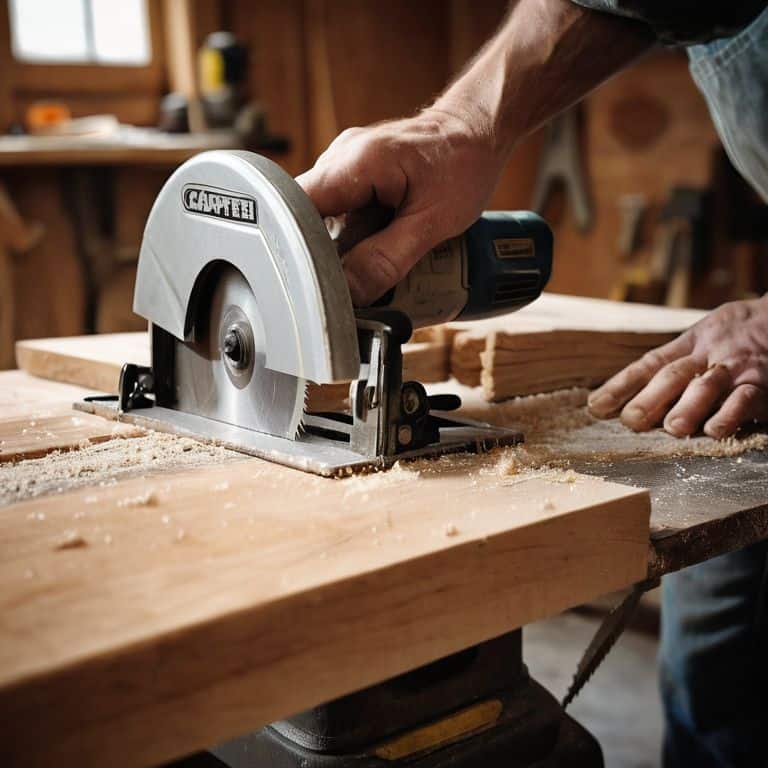
As I delved deeper into the world of power tools, I discovered that circular saw kickback is a common phenomenon that can occur even with the most experienced craftsmen. It’s essential to understand the causes behind this potentially hazardous event to take preventive measures.
The main culprit behind circular saw kickback is improper blade maintenance, which can lead to binding and ultimately, a kickback accident. By regularly inspecting and maintaining the blade, individuals can significantly reduce the risk of kickback and ensure a safer working environment.
Table Saw Safety Features Explored
As I ventured into the world of woodworking, I discovered the importance of safety features in table saws. These features are designed to prevent accidents and ensure a smooth operation. I was fascinated by the various mechanisms that can be found in modern table saws, from blade guards to anti-kickback pawls.
One key aspect that caught my attention was the riving knife, a clever device that helps to prevent kickback by keeping the wood from closing up and binding on the blade. This simple yet effective feature can make a significant difference in maintaining a safe working environment, and I was eager to learn more about its applications and benefits.
What Is Kickback and How to Prevent It
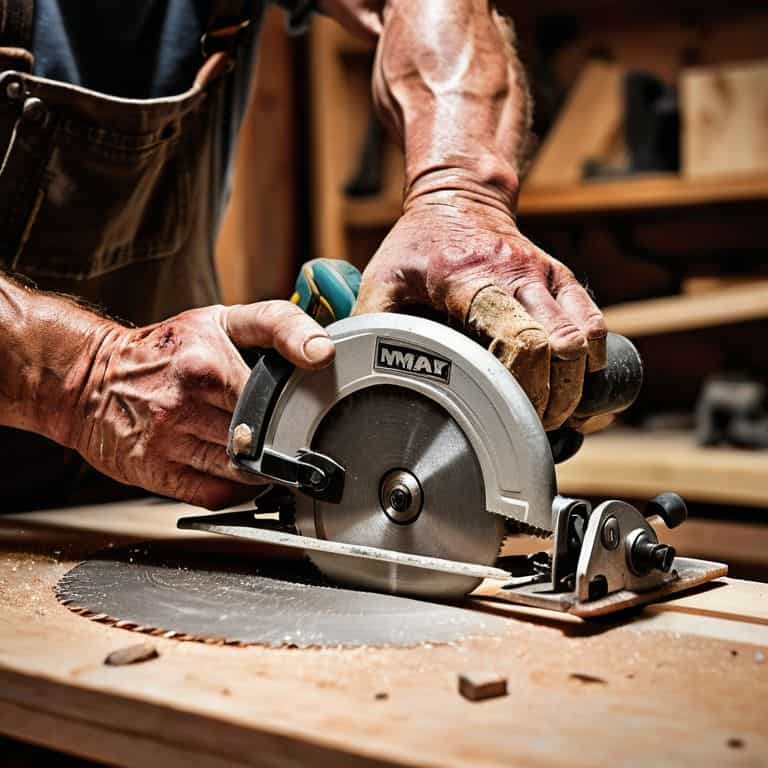
As I delve into the world of woodworking, I’ve come to realize the importance of understanding circular saw kickback causes. It’s a topic that’s often overlooked, but one that can have severe consequences if not addressed. I recall a conversation with a seasoned woodworker who shared a harrowing tale of a kickback accident that left him with a permanent scar. His story served as a sobering reminder to always be mindful of the potential hazards lurking in the workshop.
To mitigate these risks, it’s essential to explore table saw safety features. Many modern table saws come equipped with advanced safety mechanisms designed to prevent kickback. By familiarizing oneself with these features, woodworkers can significantly reduce the likelihood of an accident. I’ve found that woodworking accident prevention is all about being proactive and taking the necessary precautions to ensure a safe working environment.
In my quest to uncover the secrets of safe sawing practices, I’ve discovered that kickback prevention techniques are just as important as the saw itself. By employing simple yet effective strategies, such as proper blade maintenance and mindful material handling, woodworkers can minimize the risk of kickback. As I continue to navigate the world of woodworking, I’m reminded that coping with kickback injuries is a reality that many face, and it’s our responsibility to prioritize safety above all else.
Coping With Injuries Woodworking Accident Prevention
As I reflect on my own experiences with power tools, I realize the importance of being prepared for any situation. Proper first aid is essential in case of an injury, and it’s crucial to have a plan in place. I’ve seen friends and fellow woodworkers suffer from minor cuts to more severe injuries, and it’s always better to be safe than sorry.
In the event of an accident, staying calm is vital. Panicking can lead to further injury or exacerbate the situation. I’ve learned that having a clear head and following established protocols can make all the difference in minimizing harm and ensuring a speedy recovery.
Mastering Kickback Prevention Techniques
As I reflect on my experiences with power tools, I realize that preventing kickback is crucial for a safe working environment. I’ve seen friends and colleagues take unnecessary risks, and it’s a sobering reminder to always be mindful of these hazards. By understanding the causes of kickback and taking proactive measures, we can significantly reduce the risk of accidents.
To master kickback prevention, it’s essential to develop good working habits and maintain our equipment regularly. This includes keeping our tools in good condition, using the right blades, and being aware of our surroundings. By doing so, we can minimize the risk of kickback and create a safer workspace for everyone involved.
Nailing Safety: 5 Essential Tips to Prevent Kickback
- Always maintain a firm grip on your power tool, ensuring your hands are positioned to resist any unexpected movement
- Keep loose clothing and long hair tied back to prevent entanglement with moving parts, reducing the risk of accidents
- Regularly inspect and maintain your tools, ensuring all safety features are in working order and that blades are sharp and properly aligned
- Use a push stick or other safety device when working with thin or narrow stock to prevent kickback and maintain control
- Never reach over a rotating blade or attempt to touch the workpiece while it’s still in contact with the blade, as this can lead to severe injury or trigger kickback
Key Takeaways to Outsmart Kickback
Always maintain control of your power tools and keep loose clothing or long hair tied back to minimize the risk of accidental kickback
Regularly inspect and maintain your tools, ensuring all safety features are in good working condition to prevent malfunctions that could lead to kickback
Develop muscle memory for proper posture and footing when operating power tools, allowing you to react quickly and effectively in case of a kickback incident
Navigating the Unexpected
Kickback is like a hidden current in a tranquil sea – it can sweep you off course in an instant, which is why understanding its causes and prevention strategies is not just about safety, but about mastering the art of anticipation and respect for the tools that shape our creations.
Vera Kump
Embracing Safety: The Key to Unlocking Your Full Potential
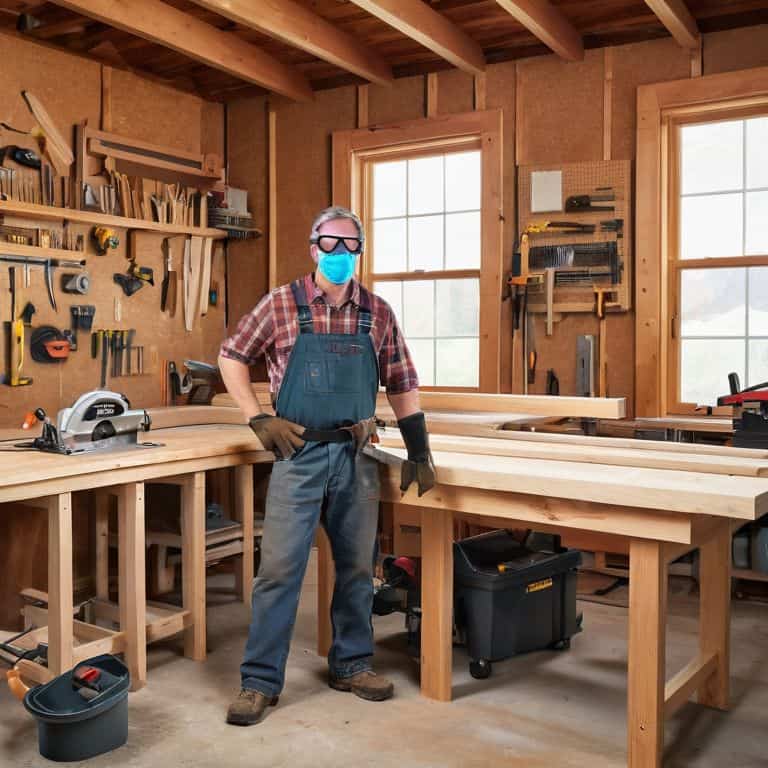
As we conclude our journey into the world of kickback prevention, it’s essential to remember the basics: understanding what kickback is, recognizing its causes, and mastering prevention techniques. From circular saw kickback causes to table saw safety features, we’ve explored the intricacies of woodworking accidents and how to avoid them. By mastering kickback prevention techniques and knowing how to cope with injuries, you’ll be well on your way to creating a safe and efficient work environment. Whether you’re a seasoned woodworker or just starting out, prioritizing safety is crucial for unlocking your full potential and bringing your creative visions to life.
As you embark on your own woodworking adventures, I encourage you to stay curious, keep exploring, and always prioritize safety above all. With the right mindset and skills, you’ll be able to tackle even the most complex projects with confidence and precision. So, go ahead, get creative, and remember that the world of woodworking is full of endless possibilities waiting to be uncovered – and with kickback prevention as your guiding principle, you’ll be unstoppable.
Frequently Asked Questions
What are the most common causes of kickback when using power tools like circular saws and table saws?
From my own woodworking adventures, I’ve found that kickback often occurs due to improper blade maintenance, incorrect material feeding, or using the wrong blade for the job – it’s essential to understand your tools and materials to avoid these common pitfalls.
How can I effectively maintain and inspect my power tools to reduce the risk of kickback?
To keep kickback at bay, I always make it a point to regularly inspect my power tools, checking for dull blades, loose parts, and proper alignment. A well-maintained tool is a safe tool, and it’s amazing how a simple habit like this can make all the difference in preventing accidents.
What safety gear and personal protective equipment should I always wear when operating power tools to prevent injuries from kickback?
When operating power tools, I always wear safety goggles, a dust mask, and ear protection to prevent injuries from kickback. A pair of sturdy gloves and a long-sleeved shirt also help protect me from splinters and debris. It’s amazing how much of a difference this gear makes – I feel so much more confident and safe when I’m working with my circular saw or table saw!