I still remember the first time I encountered a leaky faucet in my parents’ quaint bed-and-breakfast – it was like a treasure hunt, searching for the source of the problem. As a travel blogger, I’ve had my fair share of experiences with less-than-ideal plumbing, but it wasn’t until I started writing about my adventures that I realized the importance of having a good understanding of a guide to basic home plumbing. There’s a common myth that plumbing is a complex, intimidating world, but I’m here to tell you that with the right tools and knowledge, it can be a relatively straightforward process.
As we dive into the world of pipes and fixtures, I want to assure you that this article will provide you with honest, no-nonsense advice on how to tackle common plumbing issues. You’ll learn how to identify and fix leaks, unclog drains, and perform routine maintenance tasks to keep your home’s plumbing system running smoothly. My goal is to empower you with the knowledge and confidence to take on these tasks yourself, saving you time and money in the long run. So, let’s get started on this journey and uncover the secrets of a guide to basic home plumbing together!
Table of Contents
Guide Overview: What You'll Need
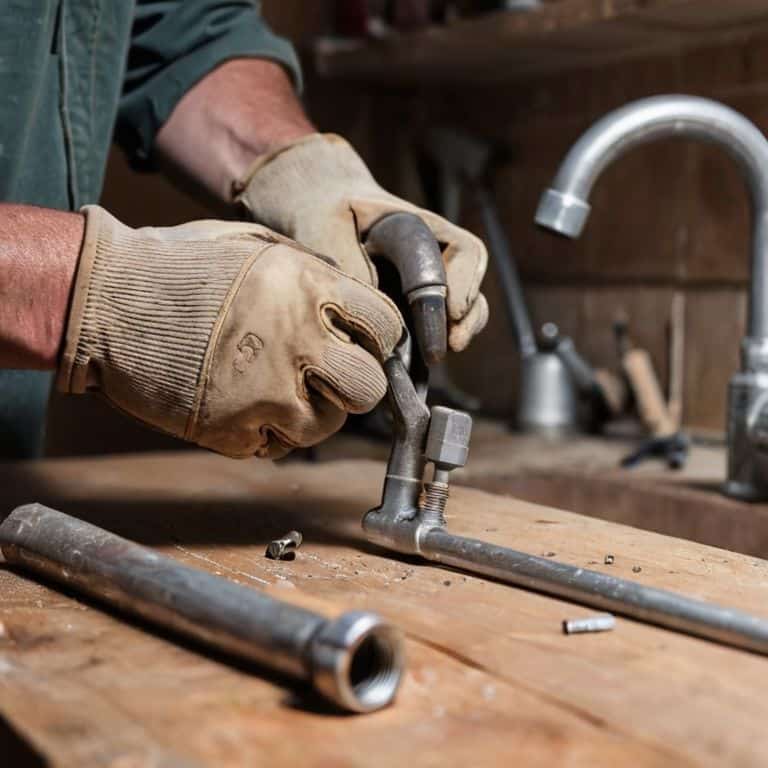
Total Time: 2 hours 30 minutes
Estimated Cost: $50 – $100
Difficulty Level: Intermediate
Tools Required
- Adjustable Wrench for gripping and turning pipes
- Basin Wrench for reaching and turning hard-to-reach faucets
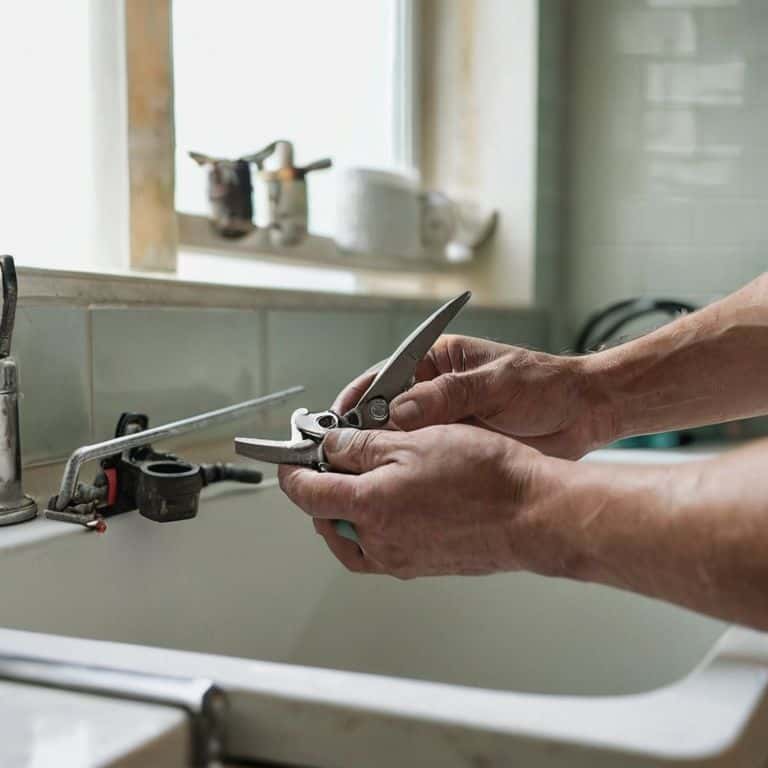
- Channel-Type Pliers for gripping small objects
- Pipe Wrench for turning and loosening pipes
Supplies & Materials
- Teflon Tape for threading pipes
- Plumber’s Putty for creating watertight seals
- Pipe Cutters for cutting pipes to size
- Copper Pipe available in 10 feet lengths
- PVC Pipe available in various diameters and lengths
Step-by-Step Instructions
- 1. First, let’s start by understanding the basics of home plumbing, which includes familiarizing yourself with the different types of pipes, such as copper, PEX, and PVC, and knowing how to identify them. This will help you navigate your home’s plumbing system with confidence and make it easier to troubleshoot issues when they arise.
- 2. Next, I want to share with you my favorite plumbing toolkit essentials, which include a pipe wrench, pliers, and a drain snake. These tools will become your best friends when it comes to fixing leaks and clogs, and having them on hand will save you from last-minute trips to the hardware store.
- 3. Now, let’s talk about shutting off the main water supply, which is a crucial step before starting any plumbing project. Locate your home’s main shut-off valve, usually found near the water meter or where the water line enters your home, and turn it clockwise to shut off the water supply. This will prevent any water from flowing into your home’s plumbing system while you work on it.
- 4. The next step is to identify the source of the leak or clog, which can be a bit like playing detective. Look for signs of water damage, mineral deposits, or listen for unusual sounds, such as gurgling or dripping, to help you pinpoint the location of the issue. Once you’ve identified the source, you can start thinking about the best course of action to fix it.
- 5. Now it’s time to get your hands dirty and disassemble the affected area, which may involve removing fixtures, such as faucets or toilets, to access the underlying pipes. Be sure to take photos or notes as you disassemble to help you remember how everything goes back together.
- 6. With the affected area exposed, you can start inspecting the pipes for damage, such as cracks, corrosion, or blockages. Use a pipe wrench or pliers to loosen any corroded fittings, and consider replacing old or damaged pipes to prevent future issues.
- 7. Finally, it’s time to test your repairs and make sure everything is working as it should. Turn the water supply back on and check for leaks or unusual sounds. If everything seems to be in working order, congratulations – you’ve successfully navigated the world of basic home plumbing!
A Guide to Basic Home Plumbing
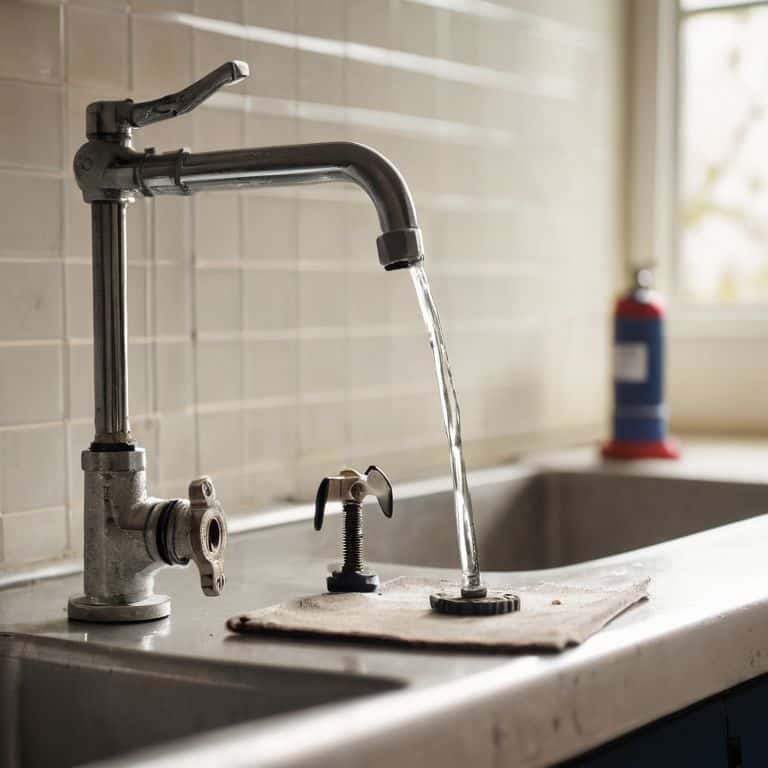
As I delve into the world of home plumbing, I’ve come to realize that troubleshooting low water pressure can be a daunting task for many. It’s essential to identify the root cause of the issue, whether it’s a clogged aerator or a more complex problem with the water supply lines. I’ve found that taking a closer look at the basics of plumbing ventilation can often provide valuable clues to resolving the issue.
When it comes to fixing common issues like a running toilet, having the right plumbing tools for beginners can make all the difference. A plier and wrench set, for example, can help you tighten loose connections and stop those pesky leaks. It’s also crucial to be aware of plumbing safety precautions to avoid accidents and injuries. By taking the time to understand these basics, you’ll be well on your way to becoming a pro at fixing those pesky leaks and clogs.
As you continue to explore the world of home plumbing, remember that common plumbing mistakes can often be avoided with a little patience and practice. Don’t be afraid to get your hands dirty and experiment with different solutions – and always keep a plumbing toolkit handy. With time and experience, you’ll develop the skills and confidence to tackle even the most challenging plumbing issues, and you’ll be able to enjoy the satisfaction of a job well done.
Mastering Plumbing Tools for Beginners
As I rummaged through a vintage flea market last weekend, I stumbled upon an old plumber’s toolbox, filled with curious gadgets and gizmos. It got me thinking – having the right tools can make all the difference in mastering basic home plumbing. For beginners, it’s essential to start with the basics: a reliable pipe wrench, a plier set, and a trusty drain snake. These tools will be your new best friends when tackling those pesky leaks and clogs. I recall my first plumbing adventure, armed with nothing but a screwdriver and a lot of determination – let’s just say it was a valuable learning experience!
With the right tools in hand, you’ll be well on your way to becoming a plumbing pro. Remember, practice makes perfect, so don’t be afraid to get your hands dirty and experiment with different techniques. And, as I always say, the best stories often begin with a little bit of curiosity and a lot of courage – so go ahead, take the plunge, and start mastering those plumbing tools!
Uncovering Common Plumbing Mistakes
As I’ve navigated the world of home plumbing, I’ve come across some common mistakes that can lead to bigger issues down the line. One of the most frequent errors is neglecting to turn off the main water supply before starting a DIY project. I’ve been there too, and trust me, it’s a messy lesson to learn. Another mistake is using the wrong tools for the job, which can damage pipes and fixtures. By being aware of these pitfalls, you can avoid costly repairs and ensure your plumbing system runs smoothly.
Plumbing Like a Pro: 5 Essential Tips to Get You Started
- Ditch the Drip: Learn to Identify and Fix Leaks Before They Become a Nightmare
- Tool Time: Invest in a Good Plunger and Auger to Save You from Those Nasty Clogs
- Know Your Pipes: Understanding the Difference Between PVC, Copper, and PEX Pipes Can Save You from Costly Mistakes
- Pressure Point: Regularly Check Your Water Pressure to Avoid Burst Pipes and Flooding
- Call in the Cavalry: Know When to DIY and When to Call a Professional to Avoid Turning a Small Issue into a Full-Blown Disaster
Key Takeaways for a Leak-Free Life
Always remember to turn off the main water supply before attempting any plumbing repairs to avoid those pesky floods and water damages
Investing in a good set of plumbing tools, such as a pipe wrench and pliers, can make all the difference between a successful DIY fix and a call to the emergency plumber
Regular maintenance is key: set aside some time each month to inspect your pipes, check for leaks, and clear out any debris or mineral buildup to keep your home’s plumbing system running smoothly and efficiently
Plumbing Wisdom
The art of plumbing is not just about fixing leaks and unclogging drains, but about uncovering the hidden stories of our homes and the people who live in them, one pipe at a time.
Vera Kump
Embracing the World of Plumbing with Confidence
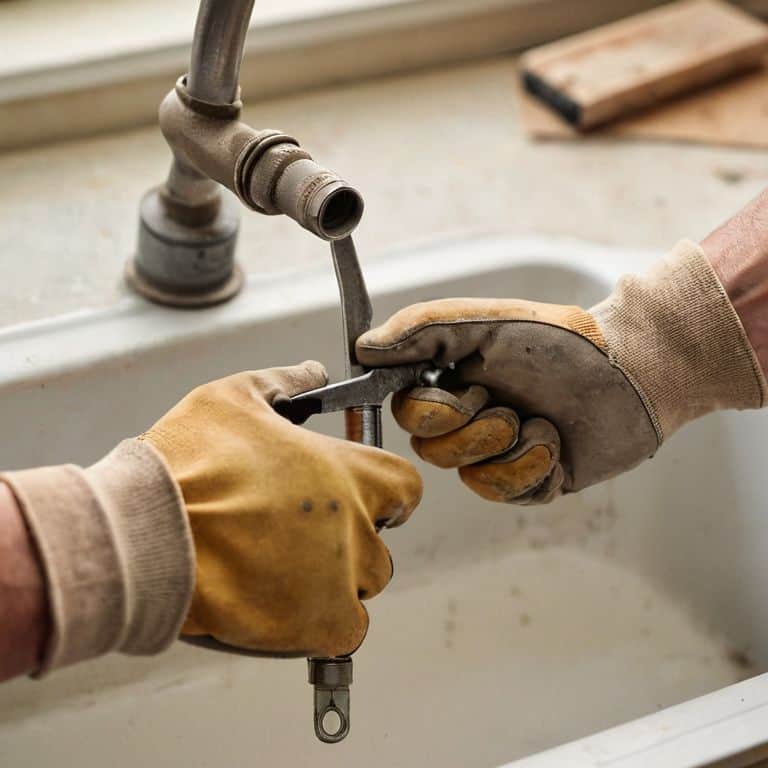
As we conclude our journey through the basics of home plumbing, it’s essential to remember that mastering the fundamentals is key to becoming proficient in this trade. We’ve covered the essential steps, from understanding your home’s plumbing system to identifying and fixing common leaks and clogs. By staying patient and persistent, you’ll be well on your way to tackling even the most daunting plumbing tasks with ease. Whether you’re a seasoned DIY enthusiast or a beginner looking to get your hands dirty, the world of plumbing is full of surprises and opportunities for growth.
As you put down your tools and step back to admire your handiwork, remember that the true power of plumbing lies not just in fixing pipes, but in uncovering the hidden stories of your home. Every leak, every clog, and every triumph is a testament to the intricate dance between water, metal, and human ingenuity. So, go forth and explore the uncharted territories of your home’s plumbing system, and who knows, you might just discover a new passion that will flow through your life like a never-ending stream of wonder and discovery.
Frequently Asked Questions
What are some common plumbing issues that I can fix on my own without calling a professional?
I’ve encountered my fair share of leaky faucets and clogged drains on my travels. Some common issues you can tackle yourself include fixing running toilets, unclogging sinks, and patching leaky pipes – just remember to turn off the water supply first!
How often should I inspect and maintain my home's plumbing system to prevent leaks and clogs?
I like to think of plumbing maintenance as a treasure hunt – you never know what hidden gems (or issues) you’ll discover. I recommend inspecting your home’s plumbing system every 6-12 months to catch any potential leaks or clogs before they become major problems. Trust me, it’s worth the effort to avoid any costly surprises down the line!
What are some essential plumbing tools that I should have in my toolkit as a beginner?
As a beginner, I always recommend starting with the basics: a trusty plunger, an adjustable wrench, and a drain snake. These essentials will help you tackle common clogs and leaks. I like to think of them as my treasure-hunting tools, helping me uncover and fix hidden plumbing gems in my own home and on my travels!