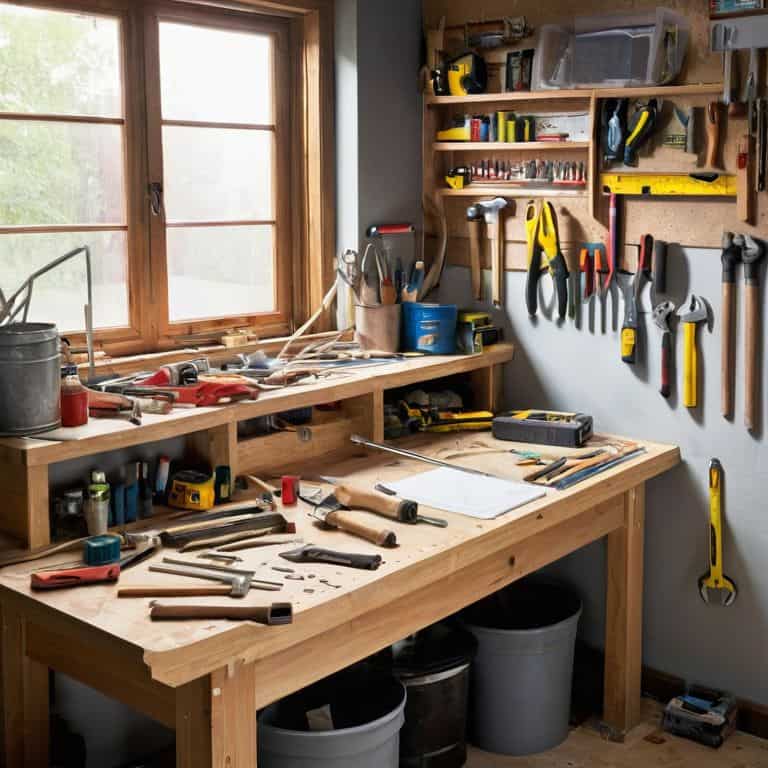
I still remember the day I decided to take on the leaky faucet in my apartment, armed with nothing but a YouTube tutorial and a determination to prove to myself that I could, in fact, fix things. It was a moment of empowerment, and it got me thinking – why do we so often assume that basic home repair skills everyone should know are only for the handy or the experienced? The truth is, these skills are within reach for anyone willing to get their hands dirty and learn. By mastering a few simple techniques, we can save money, reduce waste, and feel a sense of pride and self-sufficiency in our daily lives.
As I delved deeper into the world of DIY home repair, I realized that it’s not just about fixing leaky faucets or patching up cracked walls – it’s about weaving together the threads of our lives, one small repair at a time. In this article, I’ll share my favorite no-nonsense tips for getting started with basic home repair, from the essential tools you’ll need to the most common mistakes to avoid. My goal is to provide you with the confidence and knowledge to tackle those pesky repairs and maintenance tasks, and to show you that sustainable living is not just a buzzword, but a practical and achievable lifestyle choice.
Table of Contents
- Guide Overview: What You'll Need
- Step-by-Step Instructions
- Cultivating Basic Home Repair Skills
- Weaving a Safety Net: 5 Essential Home Repair Tips to Keep You Grounded
- Embracing Self-Sufficiency: 3 Key Takeaways
- Embracing Self-Sufficiency
- Embracing the Joy of Self-Sufficiency
- Frequently Asked Questions
Guide Overview: What You'll Need
Total Time: 2 hours 30 minutes
Estimated Cost: $50 – $100
Difficulty Level: Intermediate
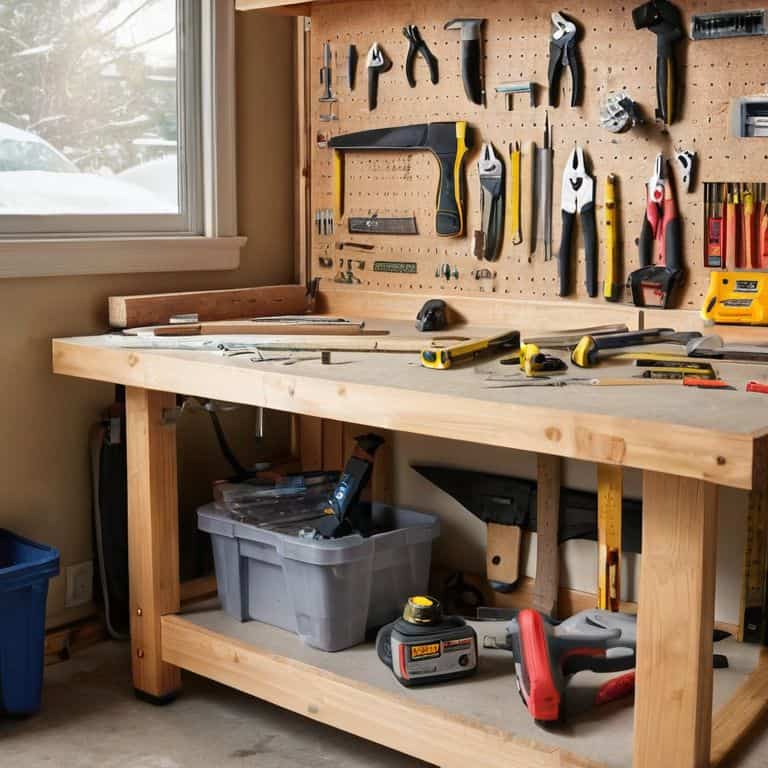
Tools Required
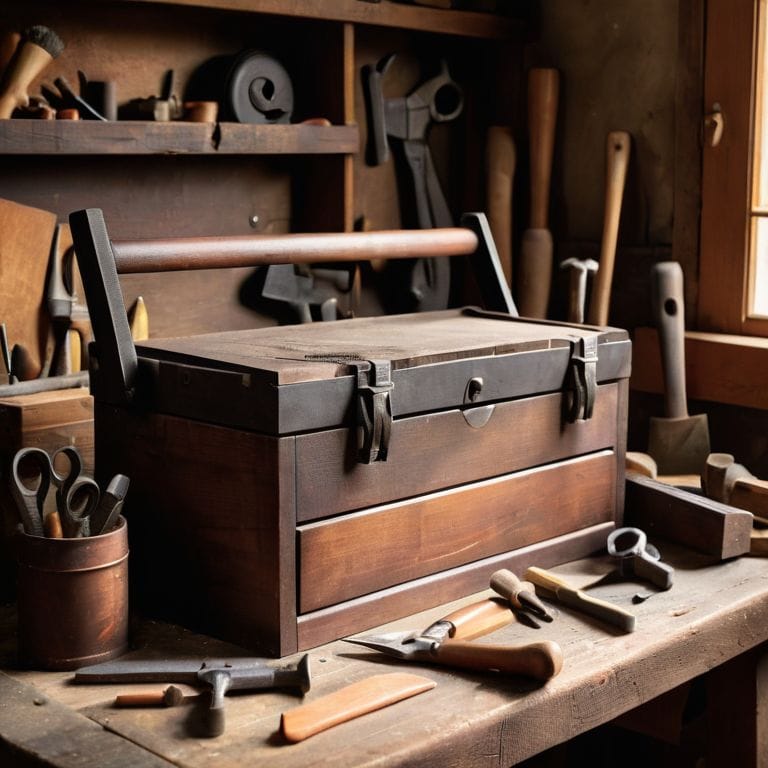
- Hammer 16-ounce claw hammer
- Tape Measure 25-foot long
- Level Bubble level or laser level
- Pliers Needle-nose pliers
- Screwdriver Set Flathead and Phillips head
- Utility Knife (with extra blades)
- Wrench Set Adjustable wrench or basin wrench
Supplies & Materials
- Drywall Patch Kit
- Spackling Compound For filling holes and cracks
- Sandpaper Various grits
- 2-in x 4-in Lumber For framing repairs
- Wood Glue For bonding wood
- Nails Assorted sizes
- Screws Assorted sizes
Step-by-Step Instructions
- 1. First, let’s start with the basics of toolkit essentials, which every homeowner should have at their disposal. This includes a hammer, screwdrivers, pliers, a tape measure, and a level. I like to think of my toolkit as an old friend, always ready to lend a helping hand when I need to tackle a DIY project or make some repairs around the house. To get started, take some time to familiarize yourself with each tool and understand its purpose.
- 2. Next, we’ll move on to the art of patching up holes in the wall, a skill that requires patience and a bit of practice. Begin by cleaning the area around the hole with a damp cloth to remove any dirt or debris. Then, apply a layer of spackling compound to the hole, using a putty knife to spread it evenly. Allow the compound to dry completely before sanding it down to a smooth finish.
- 3. Now, let’s talk about fixing leaky faucets, a task that can seem daunting but is actually quite straightforward. Start by turning off the water supply to the faucet, then disassemble the handle to access the valve stem. Use a wrench to loosen any corroded or mineral-encrusted parts, and replace the O-ring or gasket if necessary. Reassemble the faucet in the reverse order that you disassembled it, and turn the water supply back on to test your handiwork.
- 4. Another essential skill is hanging pictures and shelves, which requires a bit of finesse but can make a big impact on the overall aesthetic of a room. Begin by measuring the width of the wall and the location of any studs, using a level to ensure that your marks are straight. Then, use a drill to make pilot holes for your screws or nails, and hang your picture or shelf with confidence.
- 5. Moving on to the world of electrical repairs, it’s essential to approach this topic with caution and respect. Always turn off the power to the circuit at the main electrical panel before attempting any repairs, and use a voltage tester to ensure that the power is off. Then, use a screwdriver to remove any outlet covers or switch plates, and replace any faulty or damaged components with new ones.
- 6. For those pesky clogged drains, a plunger is often the best tool for the job. Start by removing any visible blockages, such as hair or soap scum, from the surface of the drain. Then, apply a layer of petroleum jelly to the rim of the plunger, and plunge away with a bit of elbow grease. If the clog persists, you may need to use a drain snake or call a professional plumber for assistance.
- 7. Finally, let’s not forget about the importance of regular maintenance, which can help prevent many common household repairs from becoming major headaches. Set aside some time each month to inspect your home’s systems, from the roof to the foundation, and address any issues before they become major problems. This might involve cleaning out gutters, checking for termite damage, or simply taking a closer look at your home’s overall condition.
Cultivating Basic Home Repair Skills
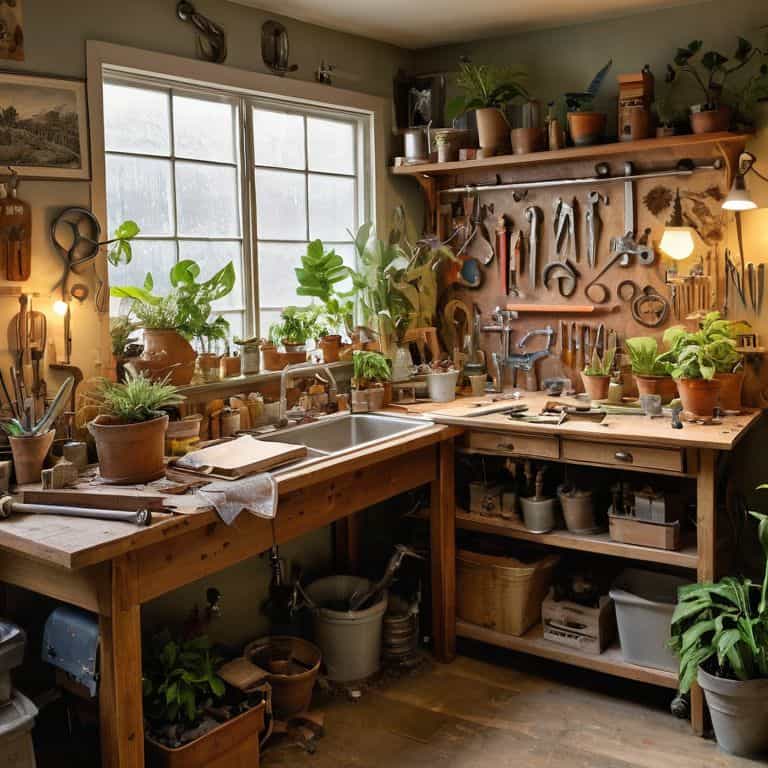
As I sit amidst my collection of vintage botanical illustrations, I’m reminded that cultivating a sense of self-sufficiency is akin to nurturing a garden – it requires patience, dedication, and a willingness to get your hands dirty. When it comes to DIY home maintenance, it’s essential to start with the basics, like understanding common plumbing issues and how to address them. By doing so, you’ll not only save money on repair bills but also develop a deeper connection to your living space.
Embracing DIY home maintenance is all about preventing water damage and other costly issues before they arise. This can be as simple as regularly inspecting your pipes for leaks or ensuring that your walls are properly sealed. Wall repair techniques may seem daunting at first, but with the right tools and a bit of practice, you’ll be well on your way to becoming a confident homeowner. Remember, it’s all about taking small steps towards a more sustainable and self-sufficient lifestyle.
As you continue on your journey to DIY mastery, don’t forget to prioritize basic electrical safety. This means being mindful of your electrical systems and taking necessary precautions when working with power tools or rewiring your home. By combining these essential tools and techniques with a dash of creativity, you’ll be well on your way to creating a beautiful, functional, and environmentally conscious living space that reflects your unique personality and style.
Nurturing Diy Home Maintenance Tips
As I sit amidst my collection of vintage botanical illustrations, I’m reminded that nurturing a home is much like tending to a garden – it requires patience, dedication, and a gentle touch. Just as a gardener prunes and waters their plants, we must tend to our homes with regular maintenance to prevent small issues from blossoming into major problems. By adopting a mindful approach to DIY home maintenance, we can create a sanctuary that not only reflects our personal style but also becomes a haven for rest and rejuvenation.
In my own urban apartment, I’ve found joy in incorporating elements of nature into my DIY projects, from using reclaimed wood for shelving to creating a living wall planter. These small touches not only bring a sense of serenity to my space but also serve as a reminder of the beauty that can be found in the intersection of nature and nurture. By embracing this mindset, we can transform our homes into vibrant reflections of our connection to the world around us.
Preventing Water Damage With Ease
As I sit amidst my collection of vintage botanical illustrations, I’m reminded of the delicate balance between nature and our living spaces. Water damage, in particular, can be a harsh reminder of this balance. To prevent it, I always recommend checking those often-overlooked areas like pipes under sinks and around windows for any signs of moisture or leaks. A simple fix, like tightening a loose connection or replacing a worn-out gasket, can save you from the headache of water damage.
By being proactive and scheduling regular checks, you can ensure your home remains a serene oasis, free from the stress of unexpected repairs. And, as someone who loves bringing the outdoors in, I can attest that a well-maintained home is not just a practical space, but also a reflection of our connection to the natural world.
Weaving a Safety Net: 5 Essential Home Repair Tips to Keep You Grounded
- Embracing the Art of Caulk: Sealing the Gaps to Prevent Water Damage and Drafts
- Hammering Home the Basics: Mastering the Simple Fix of a Leaky Faucet
- The Whimsy of Wiring: Understanding Your Home’s Electrical System for Safe and Easy Repairs
- Flooring Finesse: The DIY Delight of Patching and Refinishing to Give New Life to Your Spaces
- Painting with Purpose: Using Color and Touch-ups to Conceal Scratches and Holes, While Adding a Touch of Personality to Your Walls
Embracing Self-Sufficiency: 3 Key Takeaways
By embracing basic home repair skills, we not only save money and reduce our environmental footprint, but also cultivate a sense of empowerment and connection to our living spaces
Simple DIY home maintenance tips, such as regular checks on pipes and appliances, can go a long way in preventing water damage and other common household issues, allowing us to live more mindfully and sustainably
Ultimately, the journey to self-sufficiency is a creative and intuitive process, where every small step – from fixing a leaky faucet to repurposing vintage materials – becomes an opportunity to weave together the threads of sustainability, community, and personal growth
Embracing Self-Sufficiency
By embracing basic home repair skills, we not only mend the cracks in our walls, but also weave a stronger fabric of self-sufficiency, empowering us to tend to our homes with the same love and care that we nurture our gardens and our dreams.
Harper Willow
Embracing the Joy of Self-Sufficiency
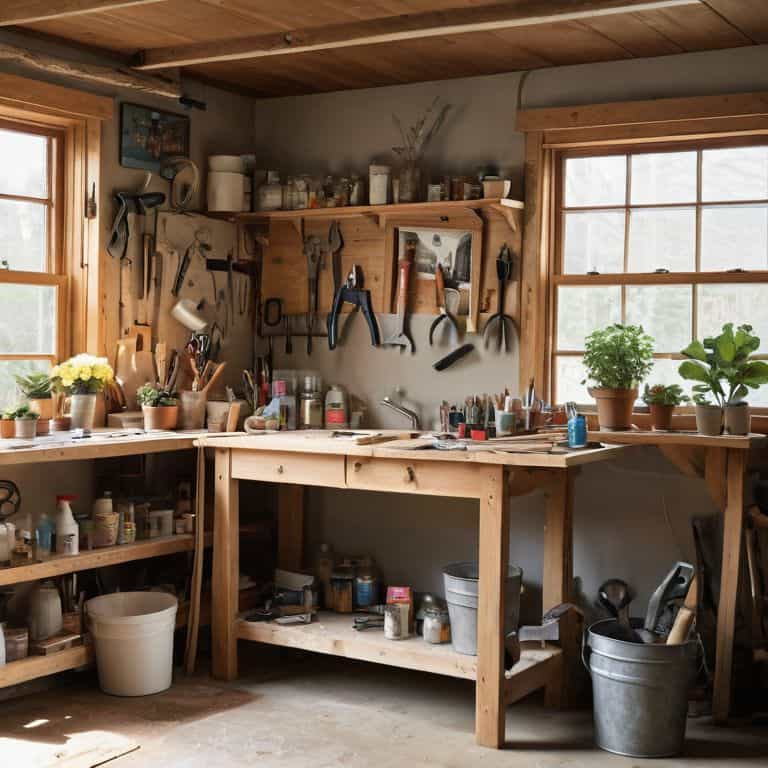
As we conclude our journey through the world of basic home repair skills, it’s essential to reflect on the progress we’ve made. From fixing leaky faucets to patching up cracked walls, we’ve discovered that empowering ourselves with DIY knowledge can be a truly liberating experience. By embracing these skills, we not only save money and reduce our environmental footprint but also cultivate a sense of pride and accomplishment that comes with being self-sufficient. Whether you’re a seasoned homeowner or a newcomer to the world of DIY, remember that every small step towards self-sufficiency is a step in the right direction.
As we move forward, let’s hold onto the idea that sustainable living is not just a trend, but a lifestyle choice that can bring us closer to nature and to ourselves. By weaving together the threads of DIY home maintenance, we can create a more harmonious relationship with our living spaces and the world around us. So, let’s continue to nurture our DIY spirits, and remember that every hammer swing, every screw turned, and every seed planted is a celebration of our connection to the earth and to each other.
Frequently Asked Questions
What are some essential tools that I should have in my toolbox to get started with basic home repair skills?
As I gather my own toolbox treasures, I always come back to the essentials: a trusty hammer, pliers, screwdrivers, and a tape measure. These staples will be your foundation for tackling most basic home repairs, and I just love how they can help you tap into your own DIY potential, just like my vintage botanical illustrations inspire my botanical art creations.
How can I prevent common household issues like leaky faucets and clogged drains from becoming major problems?
To prevent leaky faucets and clogged drains from becoming major headaches, I swear by regular check-ups and a little TLC. For faucets, simply replace worn-out O-rings or gaskets, and for drains, try baking soda and vinegar to keep them flowing freely. It’s all about catching those tiny issues before they escalate!
Are there any specific home repair skills that are particularly useful for homeowners in areas prone to natural disasters or extreme weather conditions?
For me, living near the coast taught me to prep for the unexpected. Knowing how to secure outdoor items, reinforce doors and windows, and maintain a functional sump pump can be total lifesavers during extreme weather. It’s all about being proactive and prepared, you know?