I still remember the time I had to deal with a clogged drain in my parents’ quaint bed-and-breakfast – it was a nightmare, especially when the plumber suggested using harsh chemicals to fix the issue. But, as I soon discovered, there’s a simpler, more environmentally friendly way to tackle the problem, and that’s by learning how to unclog a drain without chemicals. It’s a skill that has served me well, especially during my travels, where I’ve had to rely on my wits and resourcefulness to fix unexpected issues like these. My trusty polaroid camera may be great for capturing memories, but it’s my knowledge of DIY fixes that has saved me from more than one sticky situation.
As someone who’s passionate about storytelling and exploration, I’m excited to share my experiences and tips on unclogging drains with you. In this article, I’ll walk you through the step-by-step process of clearing clogged drains without using chemicals, from using natural ingredients like baking soda and vinegar to employing handy tools like plungers and plumbing snakes. My goal is to empower you with the knowledge and confidence to tackle this common problem on your own, so you can focus on more exciting things – like planning your next adventure or, in my case, searching for unique treasures at flea markets.
Table of Contents
Guide Overview: What You'll Need
Total Time: 30 minutes to 1 hour
Estimated Cost: $10 – $30
Difficulty Level: Easy
Tools Required
- Plunger (with a good seal)
- Drain snake (auger) (3/8 inches or 1/2 inches in diameter)
- Wire hanger (for creating a makeshift hook)
- Bucket (for water and debris)
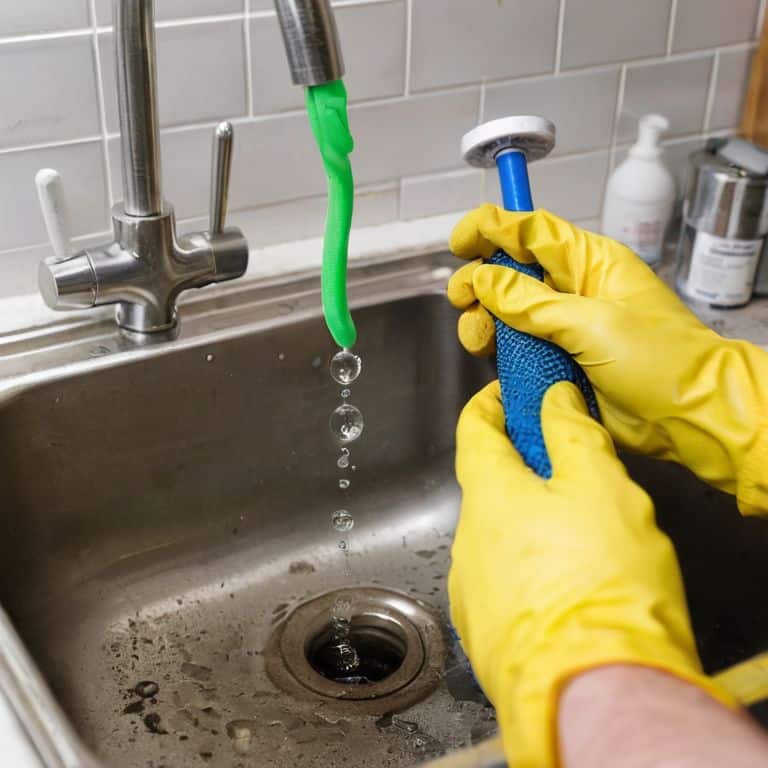
- Gloves (rubber or latex for protection)
Supplies & Materials
- Baking soda (1 cup or more)
- Vinegar (1 cup or more)
- Hot water (multiple gallons)
- Salt (optional, 1/2 cup or more)
Step-by-Step Instructions
- 1. First, I want to share with you my favorite trick for tackling clogged drains without chemicals: using a trusty plunger. It’s a simple, effective tool that can dislodge most blockages with a bit of elbow grease. Start by making sure the plunger is properly seated over the drain, then push down slowly and steadily, maintaining a firm seal throughout the process.
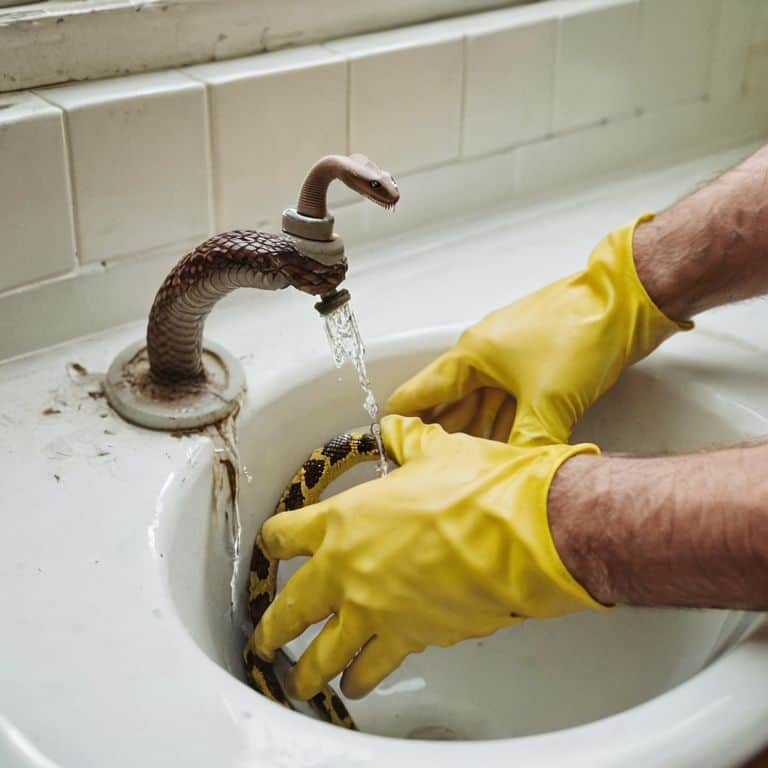
- 2. Next, if the plunger doesn’t do the trick, it’s time to bring in the plumbing snake, also known as an auger. This is a long, flexible rod that can be inserted into the drain to break up or retrieve any stubborn blockages. Feed the snake into the drain slowly, turning it as you push it further into the pipe, until you feel resistance – this usually indicates you’ve reached the clog.
- 3. Now, for those particularly tough blockages, I recommend trying a combination of hot water and baking soda. Pour 1-2 cups of baking soda down the drain, followed by 2-3 cups of hot water. Let this mixture sit for a few hours or overnight, allowing the baking soda to work its magic on breaking down the clog. Then, use your plunger or plumbing snake to try and dislodge the blockage.
- 4. Another method I’ve found to be quite effective is using a wet/dry vacuum to suck out the clog. This is especially useful for drains with a visible blockage, such as a hairball or a buildup of debris. Simply position the vacuum over the drain, making sure to create a tight seal, and turn it on. The suction should be able to pull out the blockage, restoring flow to your drain.
- 5. If the clog is further down the line, you might need to use a drain auger with a longer cable. These tools can be a bit more intimidating, but they’re essential for tackling clogs that are deeper in your plumbing system. Feed the cable into the drain, rotating it as you go, until you hit the blockage. Then, use the auger’s mechanism to break up or retrieve the clog.
- 6. For preventative maintenance, I suggest implementing a regular drain cleaning routine. Once a month, pour a mixture of equal parts water and white vinegar down your drains, followed by a cup of hot water. This helps to break down any buildup and keep your drains flowing freely. It’s a simple step that can save you a lot of trouble in the long run.
- 7. Finally, for those times when you’re faced with a particularly persistent clog, don’t be afraid to get creative. I’ve heard of people using everything from wire hangers to DIY mixtures of borax and washing soda to clear their drains. While these methods might not always be the most effective, they can be useful in a pinch – and they’re certainly a testament to the resourcefulness of homeowners everywhere.
Unclogging Drains Naturally
As I continue on my journey to share the secrets of natural drain cleaning methods, I’ve discovered that a combination of baking soda and vinegar can work wonders. This powerful duo can help break down even the toughest clogs, leaving your drains flowing freely. I recall a particularly stubborn clog in my parents’ bed-and-breakfast, where a simple mixture of baking soda and vinegar did the trick, saving us from a potentially costly plumber’s visit.
In addition to using vinegar and water solution for drains, I’ve found that preventing hair clogs in drains is key to maintaining a healthy plumbing system. A simple mesh screen or drain guard can catch loose hair and other debris, preventing them from accumulating in the pipes. It’s a small step that can make a big difference in the long run, and one that I always recommend to my fellow travelers.
When it comes to actually plunging the drain, I’ve learned that best plunger techniques involve a bit of finesse. Rather than forcing the plunger down, it’s better to create a gentle suction that can help loosen the clog. With a bit of patience and practice, you’ll be a pro at unclogging drains in no time, and you can focus on more exciting things – like planning your next adventure or exploring the local flea market for unique treasures.
Baking Soda Remedies Revealed
As I delved into the world of natural drain unclogging, I discovered the magic of baking soda. This humble ingredient, often found in my grandmother’s kitchen, has become a trusted ally in my quest for chemical-free solutions. I recall a particularly stubborn clog in a quaint bed-and-breakfast I visited, where a mixture of baking soda and hot water worked wonders. The owner, a kind old lady, shared with me her secret recipe, which I’ve since adapted and shared with fellow travelers.
I’ve found that pouring 1/2 cup of baking soda down the drain, followed by a cup of hot water, can be a game-changer. The foaming reaction helps break down grease and grime, leaving drains flowing freely. It’s a simple yet effective remedy that I’ve added to my treasure trove of homemade solutions, inspired by the postcards and stories from my travels.
Vinegar Solutions for Clogs
As I wandered through a quaint flea market in the countryside, I stumbled upon an old, tattered book filled with homemade remedies for common household problems. One of the pages was dedicated to the miracle of vinegar in unclogging drains. I was intrigued and decided to give it a try. Mixing equal parts of vinegar and baking soda, I created a natural, chemical-free solution that fizzed and bubbled its way through the clog, leaving my drain flowing freely.
I’ve since used this vinegar solution in various drain unblocking adventures, and it never ceases to amaze me. The acidity in the vinegar helps break down grease and grime, while the baking soda acts as a gentle abrasive, scrubbing away at the blockage. It’s a simple, yet effective, method that I’ve added to my treasure trove of homemade remedies, and one that I highly recommend to fellow wanderers and DIY enthusiasts.
Tides of Change: 5 Chemical-Free Tips to Unclog Your Drain
- Use the power of hot water: I’ve found that pouring a kettle of boiling water down the drain can often dislodge minor blockages, and it’s a trick I learned from my parents who ran a quaint bed-and-breakfast by the coast
- Plunge into action: A good plunger can work wonders, and I recall using one to unclog my grandmother’s sink in our cozy coastal cottage – it’s a simple yet effective tool
- Create a homemade drain cleaner: Mixing equal parts vinegar and baking soda can create a potent, chemical-free cleaner that I’ve used to unclog drains in my own travels, from flea markets to hidden gems
- Use a drain snake to fish out the problem: For more severe clogs, a drain snake can be a lifesaver, and I’ve used one to unclog a drain in a small cafe I visited on my travels, saving the day for the barista
- Prevent clogs before they happen: Regularly cleaning your drains with a mixture of hot water and lemon juice can help prevent blockages, and it’s a habit I’ve developed over the years, just like collecting postcards from every destination I visit
Treasured Tips for a Clog-Free Life
I’ve found that combining natural ingredients like vinegar and baking soda can work wonders for clearing clogs without harsh chemicals, a trick I picked up from my grandmother’s old recipe book
Regular maintenance, such as checking drains for hair and other debris, can prevent clogs from forming in the first place – a lesson I learned from unclogging my parents’ B&B drains over the years
Embracing homemade solutions not only saves you money but also reduces your environmental footprint, a cause close to my heart as I travel the world and see the impact of human actions on our planet’s hidden gems
Unclogging with Heart
As I’ve learned from my grandmother’s kitchen to the farthest corners of the globe, unclogging a drain without chemicals is not just about fixing a pipe, it’s about preserving the stories and traditions that flow through our homes, one gentle, homemade remedy at a time.
Vera Kump
Unlocking the Secrets of Chemical-Free Drain Cleaning
As I conclude this journey through the world of natural drain unclogging, I want to emphasize the importance of prevention and regular maintenance. By incorporating simple habits like using a drain screen and periodically treating your drains with vinegar or baking soda, you can significantly reduce the likelihood of clogs. Remember, it’s all about being mindful of what goes down your drain and taking proactive steps to keep your plumbing system in top shape. Whether you’re a seasoned traveler like myself or just starting to explore the world of DIY home maintenance, I hope you’ve found these tips and tricks to be both informative and empowering.
So, the next time you’re faced with a clogged drain, I encourage you to think beyond the chemicals and explore the natural remedies that our grandparents used to swear by. By doing so, you’ll not only be reducing your environmental footprint, but also developing a deeper appreciation for the simple, effective solutions that have been hiding in plain sight all along. As I always say, the best stories are the ones that unfold in the unlikeliest of places – and for me, that includes the humble drain pipe.
Frequently Asked Questions
What are some common signs that I need to unclog my drain without chemicals?
I’ve seen it time and time again at my family’s coastal B&B – a slow drain can be a real nuisance. Common signs you need to unclog your drain without chemicals include water pooling around your feet, gurgling sounds, and a noticeable decrease in water flow. Trust me, it’s time to act when you notice these red flags!
Can I use natural unclogging methods on any type of drain, or are there specific ones I should avoid?
While natural methods are generally safe, I’d advise caution with older pipes or septic systems – a gentle approach is best. For instance, I once used baking soda on my grandparents’ antique pipes and it worked like a charm, but it’s always a good idea to check your pipe material first.
How often should I maintain my drains to prevent clogs from forming in the first place?
I’m a big believer in regular drain maintenance – for me, it’s as essential as collecting postcards from each destination. I recommend checking and cleaning your drains every 2-3 months to prevent clogs from forming, using methods like hot water rinses or gentle vinegar solutions to keep them flowing freely.